
•
Discover the average roof heating cable installation cost, key price factors, and how to budget for your project. Learn how to save and what to expect.
Don’t let your home feel like Dante’s inferno


A cool roof reflects solar heat away from your home instead of absorbing it, keeping your roof up to 55 degrees cooler than traditional dark roofing.
Expect to pay $0.15 to $2.50 per square foot for cool roof coatings and $1.50 to $3 per square foot for cool roof membrane installation.
You can convert your existing roof into a cool roof by applying white coatings, reflective granulated materials, or single-ply membranes that bounce sunlight back.
Hiring a local roofing professional helps you choose the right cool roofing material for your climate and ensures proper installation that maximizes energy savings.
It’s not all sunshine and beach vibes when summer comes around—it’s also a time when your roof is put to the test. A hot, traditional roof will bake under the sweltering heat, also putting a strain on your air conditioning.
While proper roof ventilation is an extremely effective way to increase energy efficiency, there is another trick to save energy—cool roofs. Highly reflective cool roofs can help your AC operate more efficiently—and may even qualify for tax incentives.
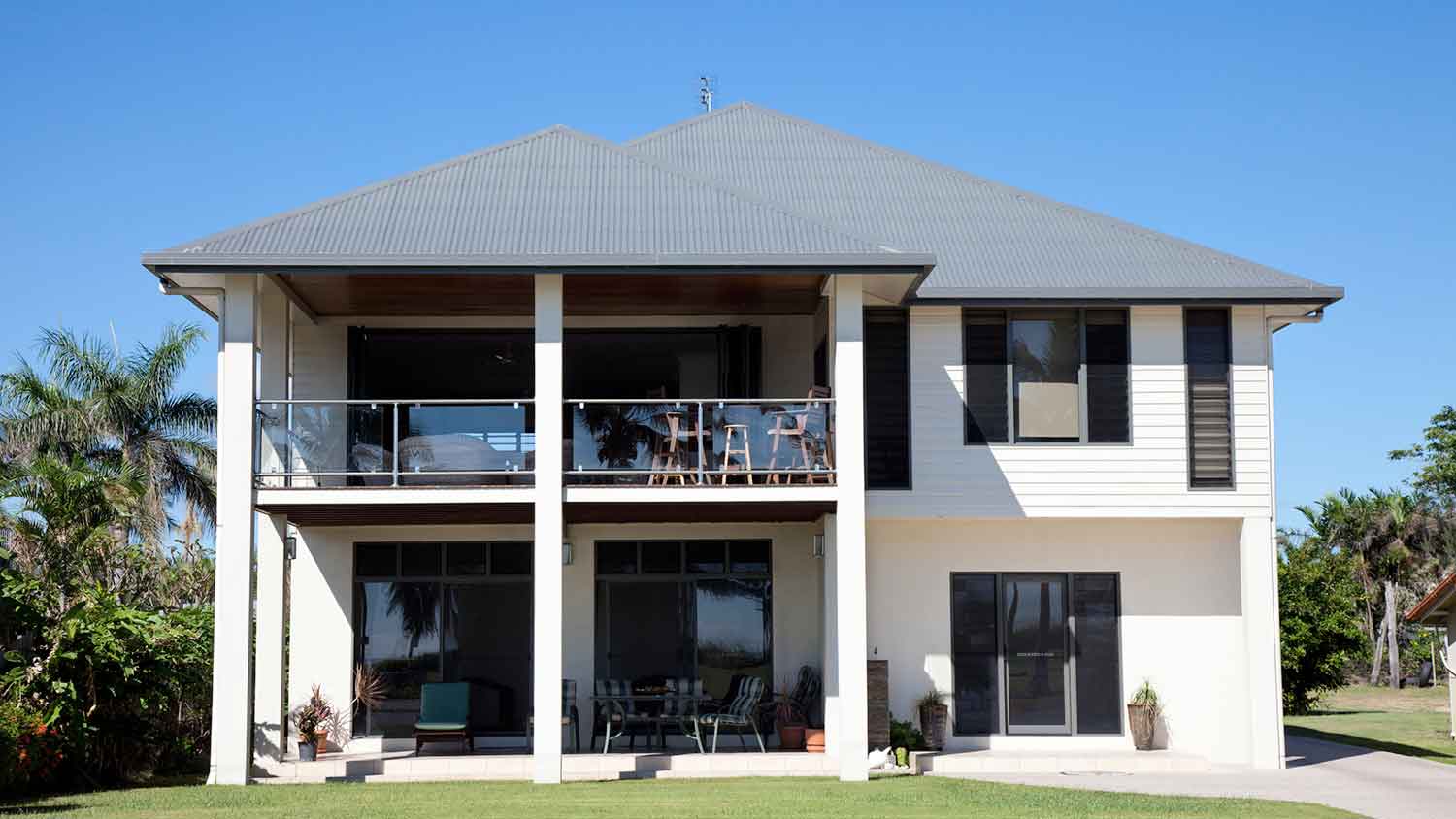
Cool roofs—also called highly reflective roofs—are light-colored or white roofs that bounce the sun’s heat back to the sky rather than transferring it to your home’s interior, making them more energy-efficient.
Energy-efficient cool roofs can save you money on your energy bills by keeping heat away from the exterior of your house, thus preventing it from seeping in through the attic. While your AC can blast cool air throughout the house to keep temperatures low, a cool roof decreases your dependence on the AC.
"A lighter colored roof or a metal roof with reflective pigment will help reduce summer heat gain, reducing air conditioning loads in the structure."
— Todd Miller, President of Isaiah Industries, Piqua, OH
On a hot day, the last thing you’re going to wear is a dark-colored shirt and pants. This is because dark colors absorb more heat than lighter colors. That’s true whether you’re wearing a black T-shirt or your roof is clad in dark-colored shingles.
Cool roofs reflect solar energy with lighter colors and reflective engineering. The lighter the roof color, the less heat it absorbs on a hot, sunny day—and the less your AC works overtime.

The Cool Roof Rating Council rates roofs based on their energy efficiency. Two basic characteristics determine a roof’s coolness:
Solar reflectance (SR): Measures how much sunlight a surface reflects
Thermal emittance (TE): Refers to a material’s ability to release absorbed heat
Both characteristics are rated on a scale from zero to one, where one is the most reflective or emissive, and zero is the most heat-absorbent. In other words, the higher the numbers, the cooler the roof.
Lighter colors reflect the most heat. However, with new materials and products on the market, you can choose from cool colors or darker roofing materials treated with coatings, granules, paint, etc.
The U.S. Department of Energy defines cool roofs as roofs that are more reflective than conventional roofing. Some popular cool roof materials include:
| Roofing Material | Cost (per Sq. Ft.) |
|---|---|
| Asphalt shingles | $0.70–$4 |
| Metal shingles | $4–$30 |
| Wood shakes | $4–$6 |
| Terra cotta | $5–$10 |
| Concrete | $2–$4 |
Some of these materials, like metal, asphalt, concrete, and darker clay, must be coated with a lighter polymer coating to turn it into a cool roof.

If you recently installed a darker roof, don’t worry—you can still convert your roof into a cool one with a cool roof reflective coating like these:
White roof coating: Your roof will glimmer like a pearl with a white coating. All that shine is actually the sun beaming off your roof rather than into your roof. White roof coatings can reflect as much as 80% of the sun’s rays.
Pigmented coating: Some homeowners don’t want a white roof but do want the benefits of a cool roof coating. The pigmented coating offers some solar reflectance and more color options, like hues of red, blue, or green, but it might only reflect 20% of solar heat.
Aluminum coating: This coating uses aluminum flakes in a resin to cover hot asphalt. The material reflects 50% to 70% of solar heat.
Reflective granulated cap sheet: Cap sheets contain layers of asphalt or tar-coated fiberglass matting. To make it a cool roofing material, a reflective coating or a surface made from reflective mineral granules is applied to the top layer.
Roof membrane: There are three types of roofing membranes, including Ethylene Propylene Diene Monomer (EPDM), thermoplastic polyolefin (TPO), and polyvinyl chloride (PVC). These single-ply plastic sheets go on top of the roofing to protect the roof and reflect solar heat. TPO roofing costs between $6,800 and $21,000 to install.
Polyurethane foam spray: You can also use spray foam to protect your roof, but this option requires an additional protective coating to prevent sun and moisture damage.
Traditional dark roof shingles absorb more sunlight and heat both the building and the surrounding air, thus giving them lower SR and TE ratios than cool roofs. A conventional roof can get as hot as 150 degrees F or greater during peak summer hours of intense sunlight.
A reflective roof coating can change this significantly.
The Berkeley Lab estimates that, on a typical summer afternoon, a clean, well-maintained white-coated roof that reflects 80% of the sunlight that hits it will stay about 55 degrees cooler than a traditional dark roof that reflects just 20% of that sunlight.
Before you decide on a cool roof, it’s helpful to know how this type of energy-efficient roof benefits your home—and also how it might not be a good fit for you. Here are the pros and cons of choosing a cool roof.
A cool roof can benefit your home in many ways:
Keeps your home more comfortable during the hottest months
Lowers energy bills
Reduces the need for the AC, helping to prolong your equipment
Decreases your roof’s temperature, potentially extending its life
Lowers air pollution by reducing electricity use
Reflects heat into the air, keeping urban areas cooler
May be eligible for tax savings
It costs more than traditional roofing
It could be aesthetically displeasing for some homeowners
Like white kitchen floors or a white car, cool roofs can look dirty faster than dark roofs
Algae show up much clearer on a light or white roof
May keep your house too cold in the winter
For homes in a warm or hot climate, it makes sense to invest in a cool roof, but for homes in a temperate or cold climate, it might actually cost you more to heat your home come wintertime.
Applying a cool roof coating to an existing roof will cost around $0.15 to $2.50 per square foot, while applying a single-ply cool roof membrane will cost you more—around $1.50 to $3 per square foot. Expect to pay a premium for a colored cool roof, as the added cooling pigments they require cost more.
When calculating the cost to install a cool roof, the installation can fall anywhere between $0.25 and $3 per square foot. EPDM, PVC, and TPOs cost the most, while liquid coating costs the least. You can reduce your AC’s energy use by 15% if you live in a single-story home, according to the Environmental and Energy Study Institute (EESI). Two-story homes contain more heat because heat rises (also called the stack effect) making savings a little lower.
It’s important to plan a new roof installation or a cool roof coating. Many homeowners are practically itching to get a new cool roof installed in the spring when winter is over and summer is fast approaching. However, if you live in a rainy climate or one where freezing temperatures last well into spring, you’ll want to wait for the unpredictable weather to pass.
The ideal time to install a roof is when the weather is predictable and it’s not scorching hot and humid outside. This can either be in late spring, late summer, or early fall. The downside of choosing late summer and early fall is that this period is in high demand, meaning prices tend to be more competitive and availability more limited.
Before you run to the hardware store and get on the roof to apply a cool coating yourself, you should consider hiring a roofer near you to do the job. Your climate, roof’s slope, and budget determine which material will be the most energy-efficient for your home, and you don’t want to make a mistake that could cost you big time in the long run—or risk injury on the roof.
A roofing pro in your area is familiar with the climate, the local roof styles, and cool roof best practices and can safely install or apply cool roofing for you.
Mitchell and the crew were top tier i am so happy with my new roof
 Home Genius Exteriors
D1 Roofing delivers outstanding service from beginning to end, backed by a strong warranty and expert teams. I highly recommend them for their excellence in meeting and surpassing expectations with unmatched communication. Choosing D1 Roofing was flawless decision
 Division 1 Roofing LLC
This place took $25,000 for a flat roof job with a five-year warranty and never returned to fix the leaks that were caused by their work. These people are not professionals and should not be doing this type of work. They incorrectly changed the pitch of the roof, and caused more damage than...
The technician was very professional and friendly. He answered all my questions and was very thorough. He left the fireplace area very clean . He inspected from the roof and advised me as to other work that might need to be done. There was no pressure there. I was very satisfied with the...
 Supreme brick & chimney
I am really impressed with their timeliness and turnaround. Mitchell came out, and we decided to move forward with their pricing. Our roof was on within a week, and we could not be happier with their team! Amazing company, great prices and honest, dependable craftsmanship. I highly recommend...
 Window Depot USA of Central Ohio
Manuel Calvillo is the best option in the area for roofing and you won't be disappointed.
They damaged multiple items on my property, including a marble slab used as a table top, tried to hide it, and refused to pay or replace. Arrived day one without a ladder to access roof & delayed a day. Left a mess in back yard; didn't wear face masks; no show by owner to property to see damages
 Grants Tree Service
I've hired Gary/Cherokee Roofing for two different homes, work quality, responsiveness, and completion have been great both times. And the prices quoted were very competitive. I would definitely hire again.
Lyle did a great job removing asbestos shingles from our front porch roof. They worked together with our roofer to make sure that the new roof was able to be installed on the same day that Lyle removed the asbestos shingles.
 Lyle Environmental
Bradley Builders did a good job replacing the roof on our front porch. They color-matched the existing shingles on the rest of the house and installed a metal ridge roll since we live in a historical neighborhood. They did the job while we were out of town. When we got back, everything was...
 Bradley Builders, Inc.
From average costs to expert advice, get all the answers you need to get your job done.
Discover the average roof heating cable installation cost, key price factors, and how to budget for your project. Learn how to save and what to expect.
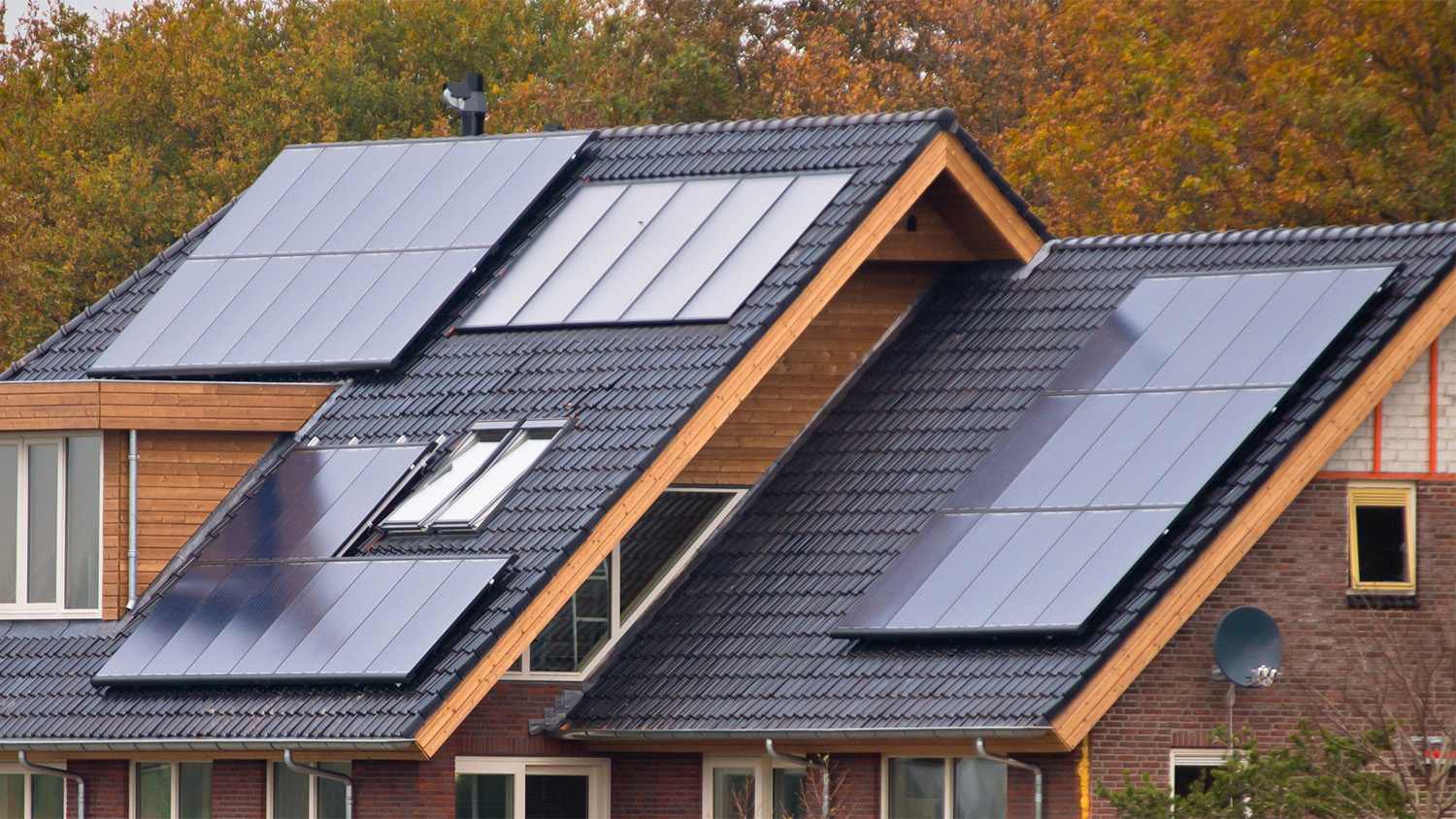
Energy-efficient roofs can save money and help regulate your home, but that’s not all they can do. Here’s how you can benefit from an energy-efficient roof.
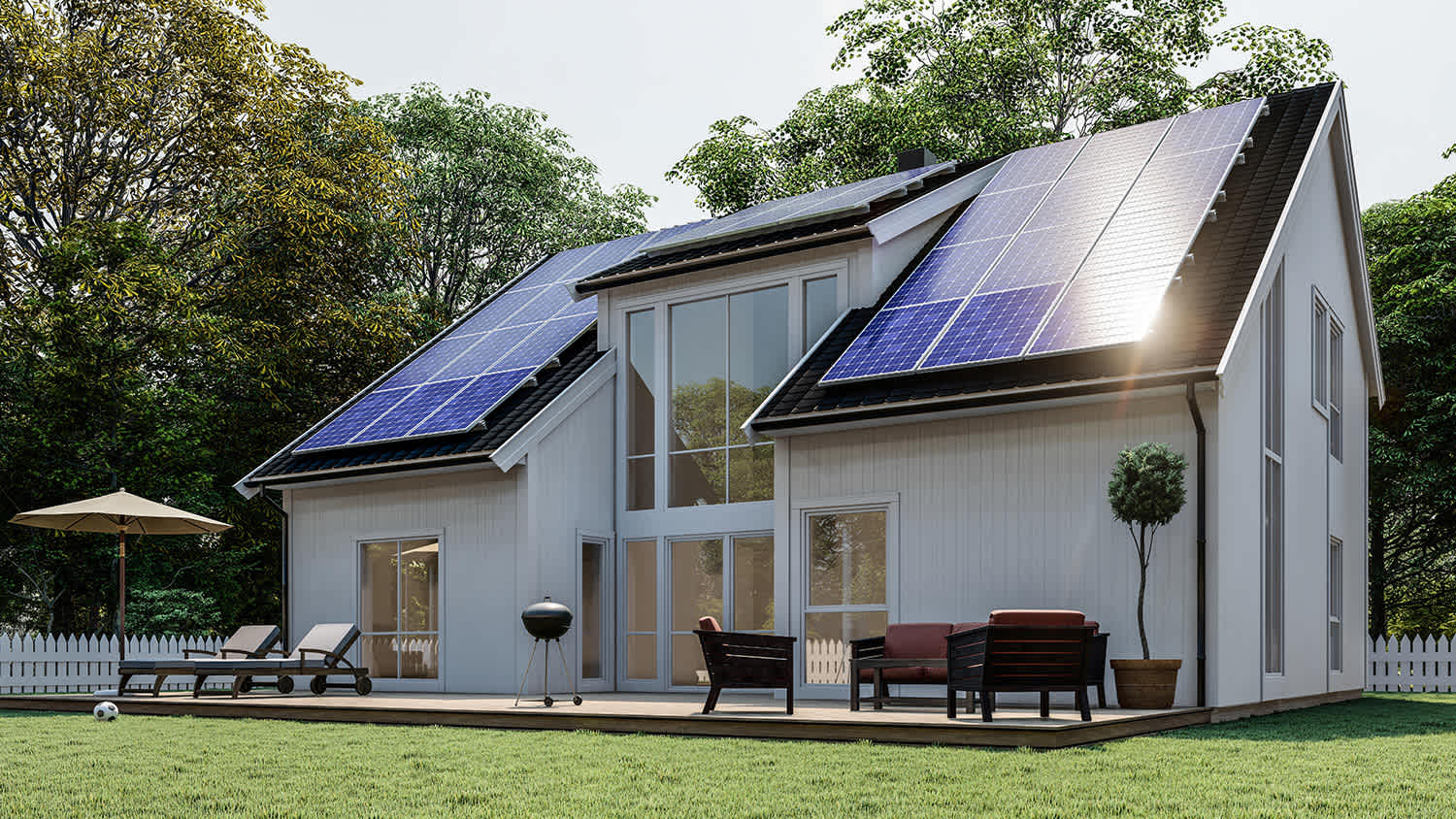
An energy-efficient roof can help keep your home cool in the summer, saving you money in utility costs. Here’s everything you need to know.
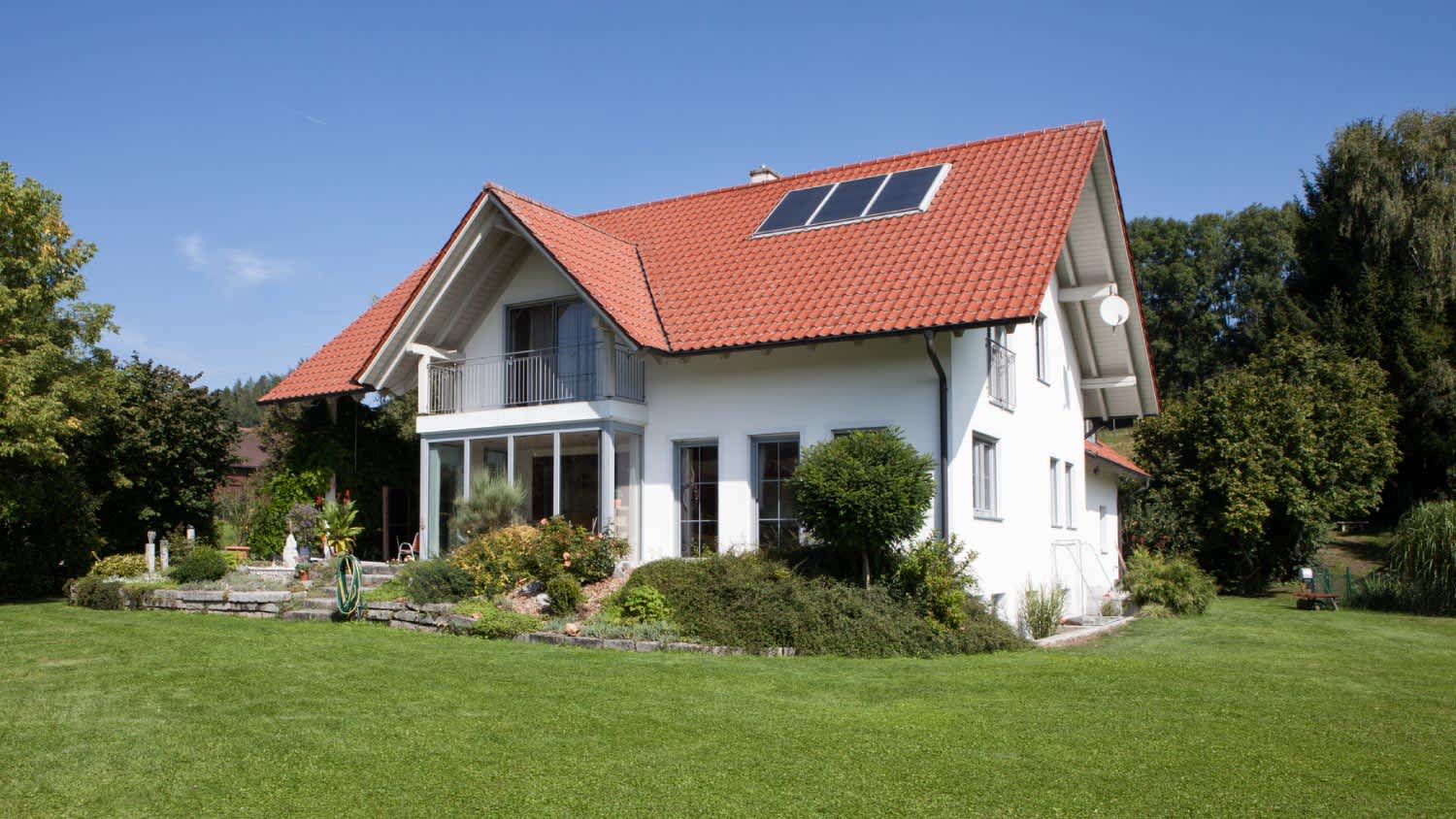
What color roof is most energy efficient? We know lighter colors reign supreme, but there’s actually a lot more at play. Here’s what you need to know.
Your roof can help keep your home cool in the hot summer months. Learn about whether a metal roof or shingles are better in a hot climate for energy savings.

Your air conditioner works hard, but certain conditions can set it up to fail. Learn how to increase the efficiency and life of your AC system.