
•
Discover how much sump pump installation costs, including average prices, key cost factors, and tips to save on your basement waterproofing project.
Fix your stinky sump pump for good

A dry sump pump basin creates sewage-like odors when your water evaporates after long dry spells, leaving drain lines exposed and releasing unpleasant smells.
Expect to pay $310 to $750 for sump pump replacement and around $500 for repairs when your pump stops working and water becomes stagnant.
Stagnant water in your basin attracts mold and mildew that produce foul odors, especially when your pump fails to activate and remove collected water.
Hiring a local sump pump repair professional provides reliable support when you're dealing with persistent sewage smells, helping diagnose stagnant water issues and broken components.
If your sump pump smells like sewage, you’re gonna want answers—and fast. Getting out of this stinky situation may be a quick DIY fix or a call to a septic pro, depending on how complex the issue is. For example, a dry basin is a common cause that’s easy to fix on your own, but a broken sewer line definitely calls for an expert’s touch. Explore the top explanations for your situation and how you can eliminate the sewage smell for good.

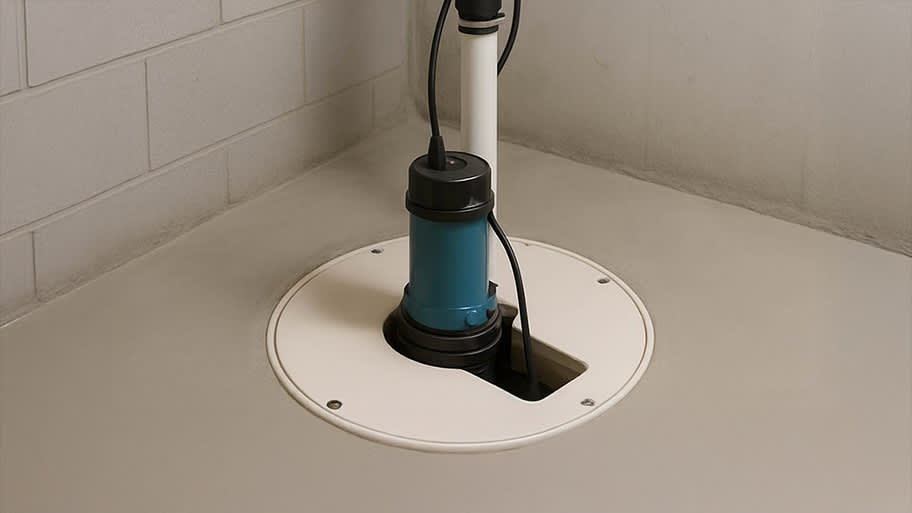
Simply put, a sump pump is a device that’s designed to prevent your house from flooding. The sump pump itself sits inside a pit—known as the basin—in the lowest part of your home (usually the basement or crawl space). The pump has sensors to detect when the groundwater level rises too high, and at that point, it automatically starts removing water and relocating it outside your home.
So why might this important device randomly start emitting a less-than-pleasant smell? Check out five probable reasons below.
Your sump pump pit should have at least a little bit of water in it at all times. However, if it’s been a while since you’ve had rain, the water in the pit can evaporate and dry out the basin. When this happens, it can release a foul odor that makes your sump pump pit smell like sewage.
Luckily, there’s an easy fix for this problem. If you notice that your basin is bone-dry, pour water into it until the water covers the drain lines coming out of the pit.
During a dry spell, water doesn’t always evaporate from your sump pump pit. Instead, it might just sit there, attracting mold and mildew. Alternatively, water can collect in the basin if your sump pump stops working properly. In either case, this stagnant water can eventually start to smell bad.
To fix it, you’ll first need to determine the cause. If the water is stagnant because you haven’t had much rainfall lately, you can create a diluted bleach solution (with 1 cup of bleach per gallon of water) and pour it into the pit. Otherwise, if the water level continues to rise without activating your sump pump, it’s time to call in a local sump pump repair company to pinpoint and fix the issue.
Sometimes, the reason that your sump pump smells like sewage is simply because it’s dirty. Your sump pump works hard to transfer water in and out of your home, and in the process, it can collect dirt, grime, and bacteria—all of which can produce an unpleasant smell.
With regular maintenance, you should be able to prevent this type of problem. Ideally, you would deep clean your sump pump system annually, but you should also give it a lighter clean at least once per quarter.
To deep clean a sump pump, start by disconnecting the power source and discharge line, then pull the pump out of the basin and use a hose to clean off any dirt or debris. At this point, you can also clean the grate with the hose or a scraping tool. Next, find the check valve (a one-way valve on the discharge line) and flip it open to drain any water left inside. Finally, remove any water in the basin using a wet vacuum and clean up any dirt with a rag.
In some situations, there might be a more serious reason that your sump pump smells like sewage. If there’s a strong sewage stench coming from your sump pump (and none of the solutions above have fixed it), then you might have a damaged sewer line that’s pushing waste into the groundwater around your home.
Hopefully, this isn’t the case because sewage can be hazardous, and you never want it to come into your home (not to mention that repairing a broken sewer line can get pricey). If you believe that you might have sewage seeping into your groundwater, call a pro right away.
Debris like dirt, leaves, and small bits of trash can accumulate in the sump pit over time. When this debris breaks down, it releases foul-smelling gases, similar to what you’d expect from a sewer. If wastewater or greywater drains into the sump pump, bacteria can grow and intensify the odor, making your basement or crawl space smell unpleasant.
Fixing this waste buildup can be a simple DIY task. Unplug the sump pump and remove visible dirt from the pit. Create a mixture of equal parts vinegar and water and scrub the pit to get rid of lingering bacteria. Rinse thoroughly and let it dry before reinstalling the pump.
Regularly cleaning the sump pit and installing a tight-fitting lid can help prevent odors from returning, keeping your space fresh and your pump running smoothly.
When you’re dealing with a minor sump pump problem (like a dried-out basin or stagnant water), you can try to solve it yourself before calling an expert. But for more significant issues (like ruptured sewer lines), it’s better to reach out to a sump pump pro as soon as possible. Working with sewer pipes requires specialized skills, so it isn’t a job that you should tackle on your own.
It’s also best to call in an expert if your sump pump isn’t draining effectively or if your sump pump smells like sewage when it rains. Either of these things could indicate that your pump isn’t working properly.
Depending on what’s going on, your pro may recommend a number of solutions, including repairing or replacing your sump pump or sewer line. On average, replacing a sump pump costs between $310 and $750, while repairs cost around $500.
I recently moved to another state and chose United Trust Van Lines after comparing several companies. Their team was punctual, professional, and extremely careful with my belongings. I was especially impressed with how they handled my home office setup and fragile items. Everything arrived on...
 United Trust Van Lines, LLC
Positive experience. As previously stated, the replacement/repair could not be completed (no fault of the plumbing tech) b/c misinformation was rec?d by property management maintenance. Thanks to the plumbing tech for your efforts. Appreciate you!
 The Waterworks
As usual with ECO, tech Jordan was outstanding, very professional, very knowledgeable, and very thorough with repairs made to tankless water heaters. Very highly recommend ECO!!!
 Eco Plumbers, Electricians, and HVAC Technicians
I would recommend this company to anyone! He showed up on time, was friendly, completed a very difficult repair on our dryer vent cover, was responsive, and pricing was extremely fair and competitive. I would have him back to do any of our repairs or cleanings without hesitation!
 U.S.A. Dryer Vent, LLC
Best cleaning I've had at my property
I'm a repeat customer of All Star Paving & Sealing and I appreciate the service that all start paving has done for me in the past. I just recently had them out for an estimate and things couldn't have gone better. The staff that they send out to do the estimates are very knowledgeable. The...
 All Star Paving and Sealing
Supreme Brick & Chimney is one of the best service providers I’ve interacted with. Extremely efficient, knowledgeable, and thorough. They took the time to walk me through their detailed full-service inspection and were extremely professional. Not to mention their turnaround time was...
 Supreme brick & chimney
They were great! They were thorough and efficient and paid attention to the details. Definitely recommend. I'm definitely going back!
 FIFI'S EARTH FRIENDLY CLEANING
Storms Mobile Welding was great to work with. They were prompt, professional and did an overall excellent job on the project. I highly recommend.
Great experience all together. Dog friendly, courteous, great results and honest with recommendations. Will certainly be using Cardinal in the future for any carpet repairs
 Cardinal Carpet Care & Repair
From average costs to expert advice, get all the answers you need to get your job done.
Discover how much sump pump installation costs, including average prices, key cost factors, and tips to save on your basement waterproofing project.
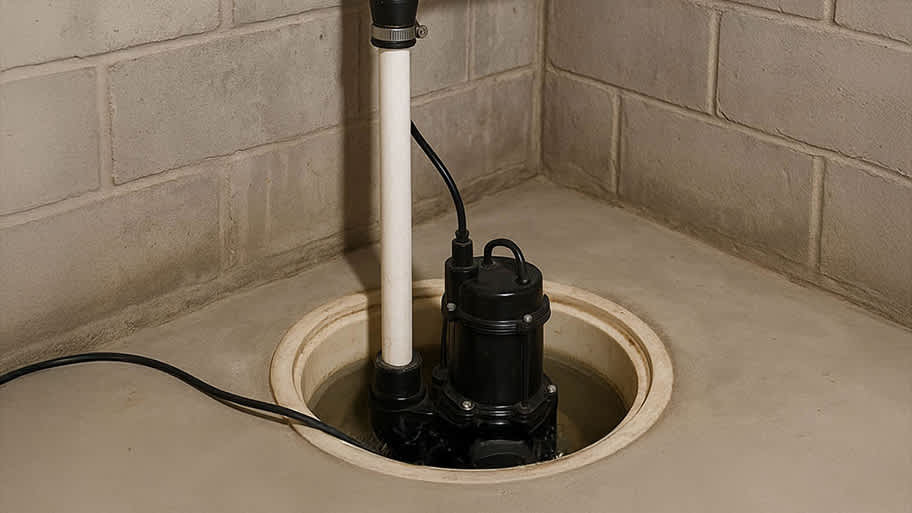
Sump pump replacement costs depend on the type of unit you have and the cost of labor, which varies by region. Read on to find out more about what to expect.

Waste management and flood prevention are crucial considerations for your home. But between a sewage pump vs. sump pump, which is right for you?

There are a few different things that make a crawl space smell like sewage. This guide will help you find the issue and learn how to fix it.
If something seems off with your sump pump, follow this guide to learn how to check if your sump pump is working (and what to do if it’s not).

Sump pumps can protect your home from flooding and water damage. This guide covers everything you need to know about sump pumps, including different types and how they work.