
•
Discover how much sump pump installation costs, including average prices, key cost factors, and tips to save on your basement waterproofing project.
If your basement has a flooding problem or you live in an area that is susceptive to rainfall or snow, a sump pump is a sound investment

A sump pump prevents basement flooding by collecting groundwater in a basin and pumping it away from your home through a discharge pipe.
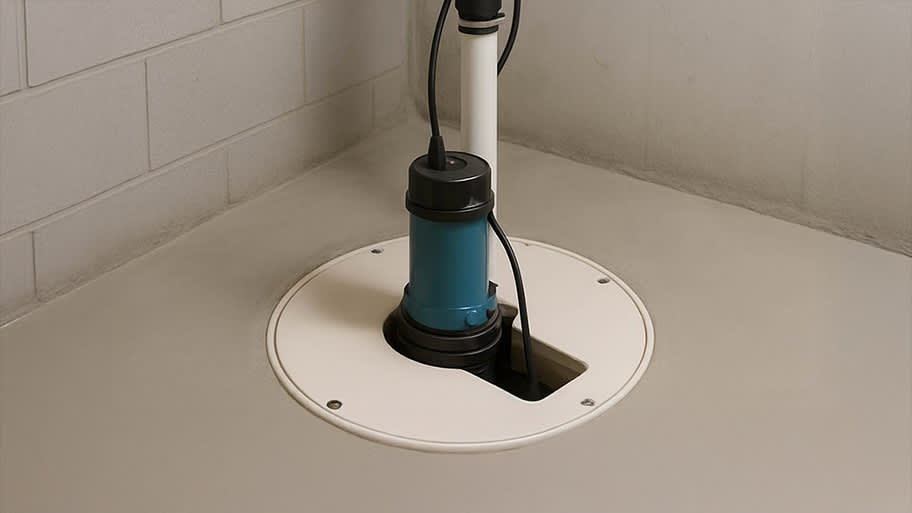
Submersible sump pumps work quietly underwater and fit larger pits, while pedestal pumps sit above water, cost less, and last longer in smaller spaces.
You need a sump pump if your basement floods, your home sits in a flood-prone area, or you experience heavy rainfall and snowmelt.
Hiring a local sump pump installation professional provides reliable guidance on choosing between submersible and pedestal pumps and ensures proper pit placement and drainage setup.
Nobody wants to deal with a flooded basement. While waterproofing is essential, it’s not enough to protect your basement and all of its precious memories from any flooding emergencies. Luckily, a sump pump is key to eliminating water and moisture and leaving your basement good and dry.
A sump pump is a device that drains flooding water in the basement before it does any damage to your property. This trusty device has many benefits for your home, as it eliminates moisture and prevents flooding.
Installing a sump pump can come in handy as it protects the basement floors from cracking and shifting from any standing water. It will also keep the basement dry and less humid, preventing mold, mildew, or any potential health problems.
A sump pump pit is dug at the lowest point of the basement floor to pump out excess water and take it away from your home and its foundation. Here’s how it works to prevent flooding in the basement.
Weeping tiles collect groundwater flowing under the basement floor and drain it into your sump basin, a small pit in the basement floor with a few holes connecting pipes and lines, which collects and expels excess water.
When groundwater accumulates in the basin and reaches a certain level, the sump pump activates the switch by a pressure sensor or a float valve.
Powered by electricity, an impeller inside the pump draws water out of the basin to a discharge pipe.
The discharge pipe drains water outside of the house and into the storm drain to prevent flooding damage.
Sump pumps come in different types: submersible and pedestal sump pumps. Each has its own pros and cons, and which one you should install in your home depends on your unique needs.
Requires a larger sump pit that is covered with an airtight lid.
Motor operates by being entirely submerged in water at the bottom of the pit.
More powerful but more expensive than pedestal pumps.
It operates more quietly because it’s underwater, so it won't disturb any movie nights in your finished basement.
Lasts for 10 years (a shorter life span when compared to the pedestal sump pump).
Fits narrow and shallow pits—great for smaller basements.
The motor shouldn’t get wet, so it sits above water level outside of the pit.
Maintenance and repairs are more convenient on pedestal pumps as they’re easier to access.
Pedestal sump pumps are more affordable, but they’re less powerful than submersible units.
Has a longer lifespan (25-30 years) than the submersible pump.
This kind of a sump pump can be noisy so it’s a better fit for basements that rarely see guests.
Although a sump pump can be incredibly useful, it’s also important to learn all the facts before installing one.
It’s the most effective way to expel water from the foundation by keeping the basement or crawlspace dry in wet conditions.
Basement waterproofing is necessary but with wear and tear, it might not be enough to protect your belongings. In the case of flooding or severe storms, water can still leak through cracks or the joints between the floor and the wall. A sump pump gets rid of all the water and leaves your basement dry.
The sump pump runs on electricity. It’s important to have a battery or water backup system so water doesn’t damage the engine or flood the basement during power outages.
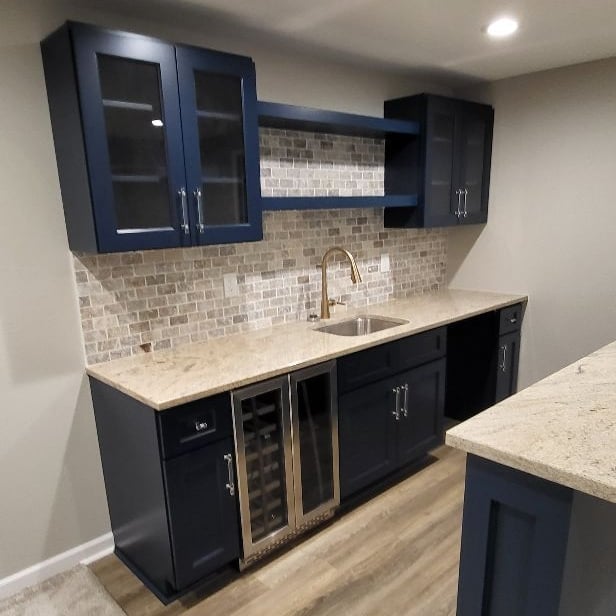
It’s not exactly pretty. The sump pump has an exposed pit with pumps coming from the ground. Fortunately, there are ways to hide it—especially if you have a finished basement. A cabinet around the sump pump, a raised stage, or flooring will keep it out of sight.
The hole in the concrete floor can cause radon gas to leak from the soil to your home. Radon exposure is dangerous for you and your family when it reaches hazardous levels. Be sure to test your home for radon regularly.
If you can relate to the following situations, hiring a pro familiar with flooding to install a sump pump will help prevent future water damage and save you money.
High basement moisture levels will happen if your house is:
In a flood-prone area, near a water body that rises regularly
On a flat plot of land with a poor yard drainage
On a low-lying plot below the local water table
Surrounded by hills
Groundwater will likely rise to the level of your basement floor, especially during spring, making a sump pump a great investment to keep everything safe and dry.
Even if your home isn’t in a high-risk location, some plumbing emergencies in the basement, like a broken pipe or backup water from the drain can cause damage. Protecting your property with an affordable sump pump can give you peace of mind. A local sump pump installer can also advise you on the best sump pump for your situation.
The biggest reason homeowners hire pros for sump pump installation is basement flooding. Additionally, homeowners install sump pumps as a form of preventative maintenance, or do so due to water leaking through walls.
Sump pumps are quite easy to maintain. There are a few steps you can do yourself to ensure the sump pump is in working condition, especially before spring with snowmelt, during storm seasons, or when heavy rainfall is in the forecast.
Clear any debris and make sure there is no clogging that could lead to a water backup. Be sure to clean it every three-four months.
Test your sump pump several times a year by pouring water into the pit to ensure that it works.
Make sure the pipes are properly fastened.
Check the vent hole for any blockages that could prevent water from flowing through the outlet pipe.
Follow the owner’s manual for any further instructions.
If maintenance fails, then it’s time to replace your sump pump.
Finished Basements Plus was wonderful from beginning to end! First, they came out quickly for an estimate. I had 4 estimates and theirs was by far the best. (2 of the estimates were more than $20K higher than for the exact same work). Beyond their fair pricing, the work was excellent. They...
 Finished Basements Plus Inc.
Amazing job. Efficient and quick without compromising quality. Basement feels brand new. Would use them again in a heartbeat.
 AffordaPro Restoration
Window Depot did an amazing job installing the windows in my basement! The process from start to finish was by far more than what I expected. I would highly recommend Window Depot if you want professionalism from the the consultation to the installation. Dont settle for mediocre when you can...
 Window Depot USA of Central Ohio
They cleaned my very dirty basement. They were prompts, quick, thorough and their price was fair.
 JDE House Cleaning LLC
I am very pleased with the services performed by OTS. Bless my late Mother, but she was a bit of a pack-rat. The basement of her home was crammed with 40+ years of "stuff," and the other companies I contacted were concerned with possible mold contamination of the items due to the musty smell...
The company was very easy to work with. My family is now able to enjoy a space that at one point, only collected junk!!!! I feel like i have a whole new addition to the house!!! Wonderful work Blurock on our basement, will recommend!
 BluRock Services, Inc.
Excellent work. Opted for the service contract which provides spring and fall checkups and deduction on maintenance charges which seems to be a good value. Initial dehumidifier for our large basement was undersized. They replaced unit after it failed with a larger unit and charged only for...
 Total Comfort Heating & Cooling Inc
We had water in our basement and Roto Rooter was original contact to evaluate the situation. We were informed that our sewer main was fractured and needed repair. We received their estimate and then looked for counter offers. Ohio Basement Authority came with the best quote for the work. Once...
 Ohio Basement Authority
Called Mark on a Thursday morning. Not really knowing if he could help me or not. I was having driveway, flooding issues due to a clogged channel drain and I was trying to figure out what direction to take. Heavy rains had come on Monday and again on Thursday leading to flooding in my garage...
 Mark Rodgers Construction
Due to major obstruction they could not unclog thd drain without tearing up the basement floor. <br /> <br />
 #1 Plumbing Repair LLC
From average costs to expert advice, get all the answers you need to get your job done.
Discover how much sump pump installation costs, including average prices, key cost factors, and tips to save on your basement waterproofing project.
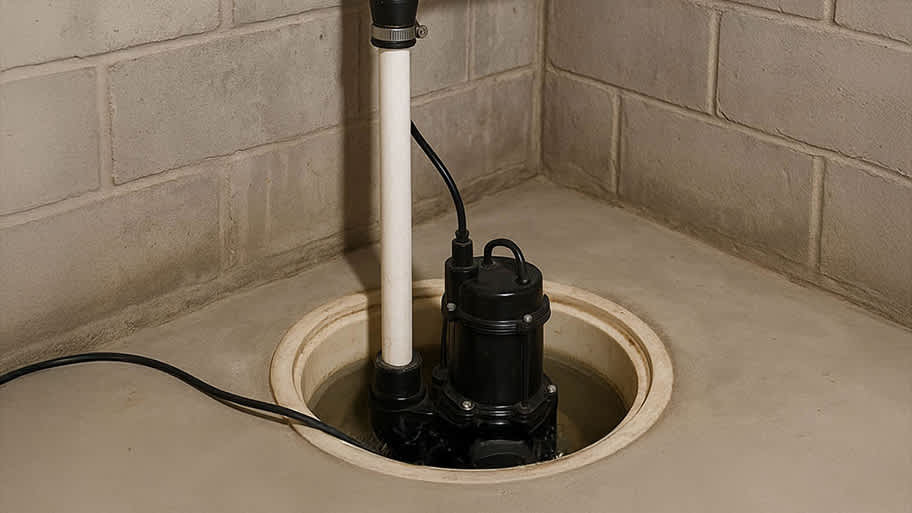
Sump pump replacement costs depend on the type of unit you have and the cost of labor, which varies by region. Read on to find out more about what to expect.
Sump pump battery backup costs depend on the type and the design of the system purchased. Follow this guide to learn how to budget for your backup battery.

Even when you've properly installed your sump pump, flooded basements are not uncommon. Here's why you could still get into hot water.
If the electricity is out, you can drain your sump pump manually with a hand pump, a battery-operated wet vac, a gas-powered trash pump, or even a bucket.

Sump pump maintenance is key to keeping your home flood-free during heavy rains. Find out how to keep your sump pump in top shape with these tips.