
•
Discover how much sump pump installation costs, including average prices, key cost factors, and tips to save on your basement waterproofing project.
Pick the best tool for your home’s waste disposal needs

An ejector pump versus a sump pump matters because ejector pumps handle sewage and solid waste, while your sump pump only removes clean water.
Sewage pumps cost around $2,300 on average, while sump pumps run about $1,200, making sump pumps the more budget-friendly option for your home.
Sump pumps are easier for you to install yourself, but sewage pumps need professional setup because they manage complex wastewater and solid waste systems.
Hiring a local sump pump installation professional helps you choose the right pump type and handles proper installation to keep your basement dry and protected.
When it comes to safeguarding your home from water-related issues, sewage pumps and sump pumps play crucial roles. Understanding their differences and knowing which one suits your home’s needs best is critical to avoid costly property damage and repairs down the road. Let’s explore the key differences between sewage pumps vs. sump pumps to help you make an informed decision for your home’s plumbing needs.
Sewage pumps are primarily meant for dealing with solid waste and wastewater, while sump pumps are ideal for managing clear or gray water and preventing flooding. Both sewage pumps and sump pumps are designed to handle water-related problems, but they serve separate and distinct purposes.

A sewage pump is a specialized device designed to efficiently move solid waste and wastewater away from your home. There are different types of these pumps—like sewage ejector pumps and grinder pumps—but all play a critical role in preventing sewage backups, performing waste management, and maintaining proper sanitation in both commercial and residential buildings.
| Pros | Cons |
|---|---|
| Good waste disposal | Higher initial cost |
| Stops sewage backup | Professional install |
| Good ROI | Electricity required |
Best for:
Homes with basements or areas prone to sewage backup
Properties with plumbing below the sewage line
Areas with a history of plumbing problems
Sewage pumps offer several advantages for your home. They're fantastic at efficiently handling solid waste, keeping your plumbing system free from clogs. This keeps the flow of wastewater smooth and reduces the risk of plumbing issues. They’re also excellent at preventing sewage backup, which can be a costly and unsanitary problem during heavy rains or plumbing mishaps.
With proper care, sewage pumps can increase your property value and serve your home for many years, thanks to their durability and reliability.
While sewage pumps offer numerous benefits, there are some drawbacks. They come with a higher upfront cost, for example, which might pose a challenge if you’re on a budget. Professional installation is also required, which ensures proper operation but adds to the overall expense.
Sewage pumps rely on electricity, which can be problematic during power outages. If you want uninterrupted sewage backup prevention, you’ll have to install a backup power source, like a generator.

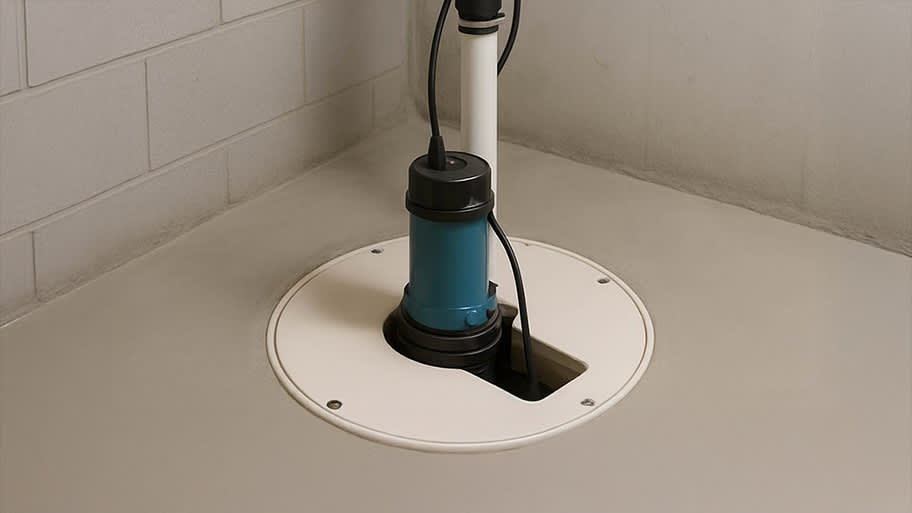
A sump pump is a plumbing device used to remove excess water from basements or crawl spaces in homes. Its primary function is to prevent flooding and water damage by pumping out accumulated water, keeping the at-risk area dry, safe, and preserved.
| Pros | Cons |
|---|---|
| Prevents flooding | Only pumps water |
| Affordable | Shorter life span |
| Easy to install | Less versatile |
Best for:
Homes in flood-prone regions or with a history of basement flooding
Areas with a low risk of sewage-related issues
Regions prone to power outages
Sump pumps are your go-to solution for flood prevention, especially in basements and crawl spaces. They act fast to tackle excess water, reducing the risk of basement flooding and protecting your property. Some sump pumps can also operate without electricity or with a battery pack, so they still work during short power outages.
Another plus is affordability. Sump pumps won't strain your budget like sewage pumps might, making them appealing for those looking for flood protection without breaking the bank. Plus, they're DIY-friendly, so you can save on the cost of installing a sump pump professionally.
Sump pumps are only designed to handle clean water, not solid waste or sewage, so they're more geared towards water-related issues than comprehensive sewage management. This means that they might not be the best fit for places with a high risk of sewage backup or heavy solid waste disposal needs. If that's your situation, a sewage pump would be a more suitable choice for comprehensive wastewater management.
Sump pumps also tend to have a shorter life span, and depending on usage and maintenance, you might need to replace them sooner than you would a sewage pump.

While sewage pumps can be used as sump pumps in certain situations, the reverse is not true. Sewage pumps handle both water and solid waste, making them more versatile, but some home designs still require the use of a sump pump instead. If your home’s needs could go either way, here are some key points for you to consider.
Sewage pumps are more expensive upfront—$2,300 on average—due to their robust capabilities. Sump pumps are more budget-friendly, with the average cost around $1,200. This makes sump pumps a cost-effective choice for those looking to save some cash.
Because of their complexity, sewage pumps often require professional installation, which can add to the overall cost.
Sump pumps are relatively easy to install, making them a DIY-friendly option for some. If you’re not completely confident in your DIY abilities, though, you can rely on a local sump pump installer to do the job right.
Both sewage pumps and sump pumps effectively get rid of wastewater, but sewage pumps are designed to manage excessive overflow and can handle more severe situations.
Sewage pumps excel at disposing of solid waste, while sump pumps are not designed for this purpose.
Sewage pumps require more maintenance due to their complexity and the presence of solid waste that could potentially clog the system. Sump pumps have lower maintenance needs, which include annual cleaning and servicing as well as the occasional float switch replacement.
Sump pumps are more budget-friendly, but they don’t last as long, so you’ll likely need to budget for sump pump replacement costs sooner. On the other hand, sewage pumps can have a longer life span with proper maintenance, sometimes exceeding 10 years.
Sump pumps primarily address water-related issues in the home instead of waste disposal, so they don’t have any major impact on the environment. Sewage pumps are eco-friendly as they efficiently dispose of waste, preventing environmental damage.
Installing a sewage pump can increase the value of your home, especially in areas prone to sewage problems. Sump pumps don’t provide the same ROI since they address a narrower range of issues.
Choosing between a sewage pump and a sump pump depends on your specific needs, budget, and the risks associated with your property. If you need your pump to handle solid waste and prevent plumbing backups, a sewage pump is your best bet. If, however, you’re more concerned with managing flooding and you need a budget-conscious option, a sump pump will fit your needs better. Consider factors such as waste disposal, flood prevention, maintenance, and overall cost before making your decision.
I recently moved to another state and chose United Trust Van Lines after comparing several companies. Their team was punctual, professional, and extremely careful with my belongings. I was especially impressed with how they handled my home office setup and fragile items. Everything arrived on...
 United Trust Van Lines, LLC
Positive experience. As previously stated, the replacement/repair could not be completed (no fault of the plumbing tech) b/c misinformation was rec?d by property management maintenance. Thanks to the plumbing tech for your efforts. Appreciate you!
 The Waterworks
As usual with ECO, tech Jordan was outstanding, very professional, very knowledgeable, and very thorough with repairs made to tankless water heaters. Very highly recommend ECO!!!
 Eco Plumbers, Electricians, and HVAC Technicians
I would recommend this company to anyone! He showed up on time, was friendly, completed a very difficult repair on our dryer vent cover, was responsive, and pricing was extremely fair and competitive. I would have him back to do any of our repairs or cleanings without hesitation!
 U.S.A. Dryer Vent, LLC
Best cleaning I've had at my property
I'm a repeat customer of All Star Paving & Sealing and I appreciate the service that all start paving has done for me in the past. I just recently had them out for an estimate and things couldn't have gone better. The staff that they send out to do the estimates are very knowledgeable. The...
 All Star Paving and Sealing
Supreme Brick & Chimney is one of the best service providers I’ve interacted with. Extremely efficient, knowledgeable, and thorough. They took the time to walk me through their detailed full-service inspection and were extremely professional. Not to mention their turnaround time was...
 Supreme brick & chimney
They were great! They were thorough and efficient and paid attention to the details. Definitely recommend. I'm definitely going back!
 FIFI'S EARTH FRIENDLY CLEANING
Storms Mobile Welding was great to work with. They were prompt, professional and did an overall excellent job on the project. I highly recommend.
Great experience all together. Dog friendly, courteous, great results and honest with recommendations. Will certainly be using Cardinal in the future for any carpet repairs
 Cardinal Carpet Care & Repair
From average costs to expert advice, get all the answers you need to get your job done.
Discover how much sump pump installation costs, including average prices, key cost factors, and tips to save on your basement waterproofing project.
To get more use out of a basement, you need a sewer ejector pump. Discover what a sewer ejector pump costs based on size, pump type, labor rates, and more.
Sump pump battery backup costs depend on the type and the design of the system purchased. Follow this guide to learn how to budget for your backup battery.
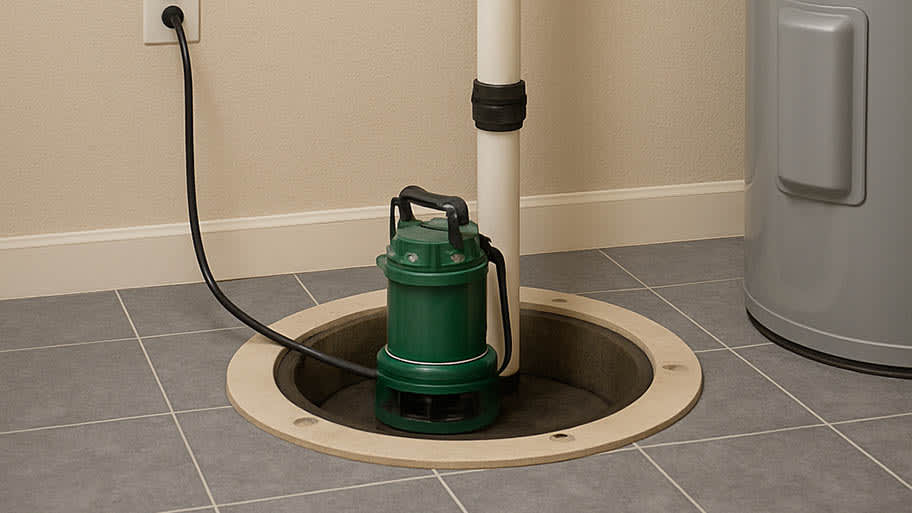
It can be unsettling when your sump pump smells like sewage, but it doesn’t always indicate a serious issue. Here are four potential causes and solutions.
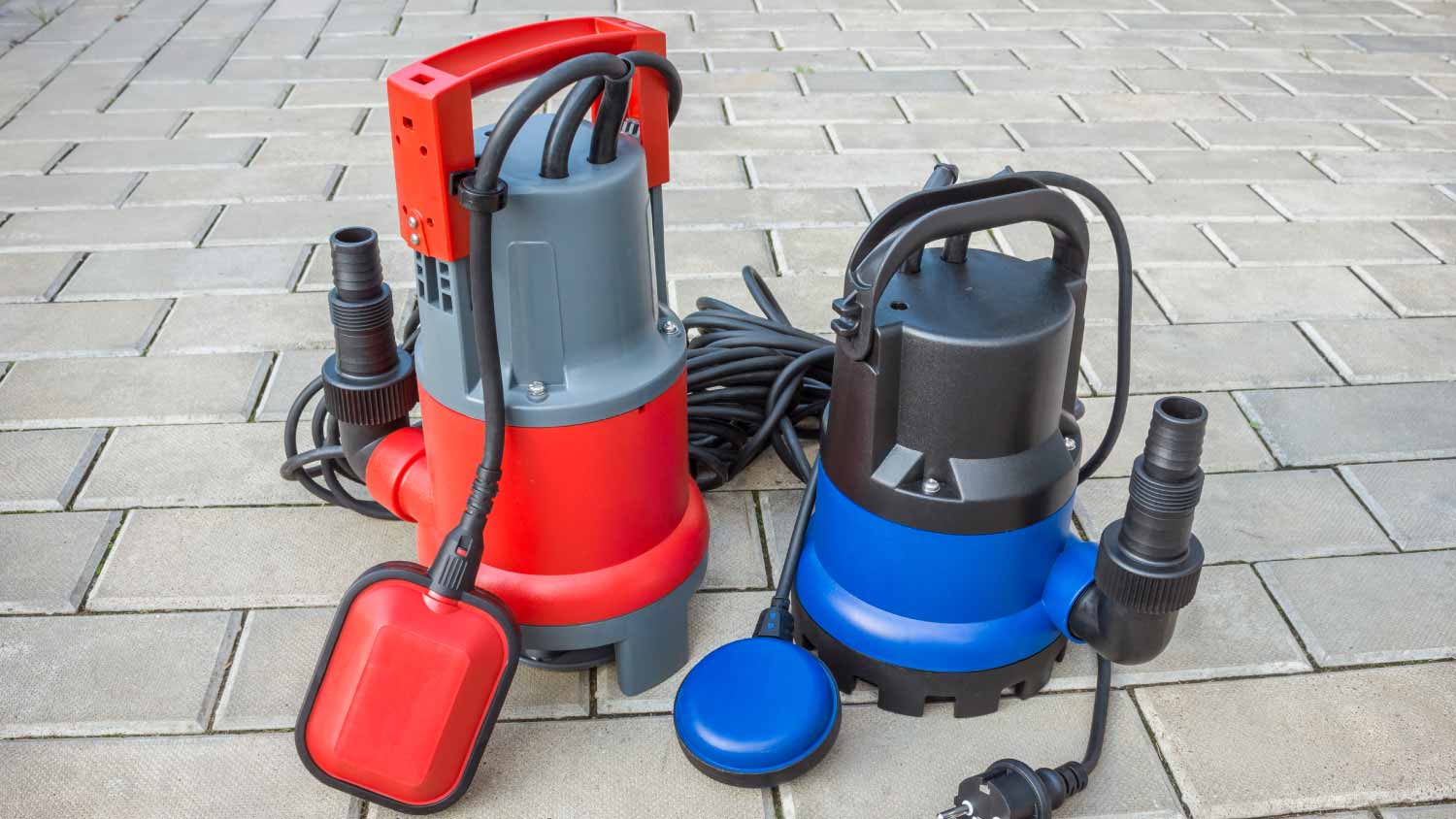
What’s the difference between utility pumps versus sump pumps? While they’re both useful for moving water, utility pumps are more versatile. Here’s how.
Find out what a sewer ejector pump is, how it works, and whether you need one or if you need a grinder pump instead. Our expert guide breaks down sewage ejector pump costs and how much maintenance this pump needs.