
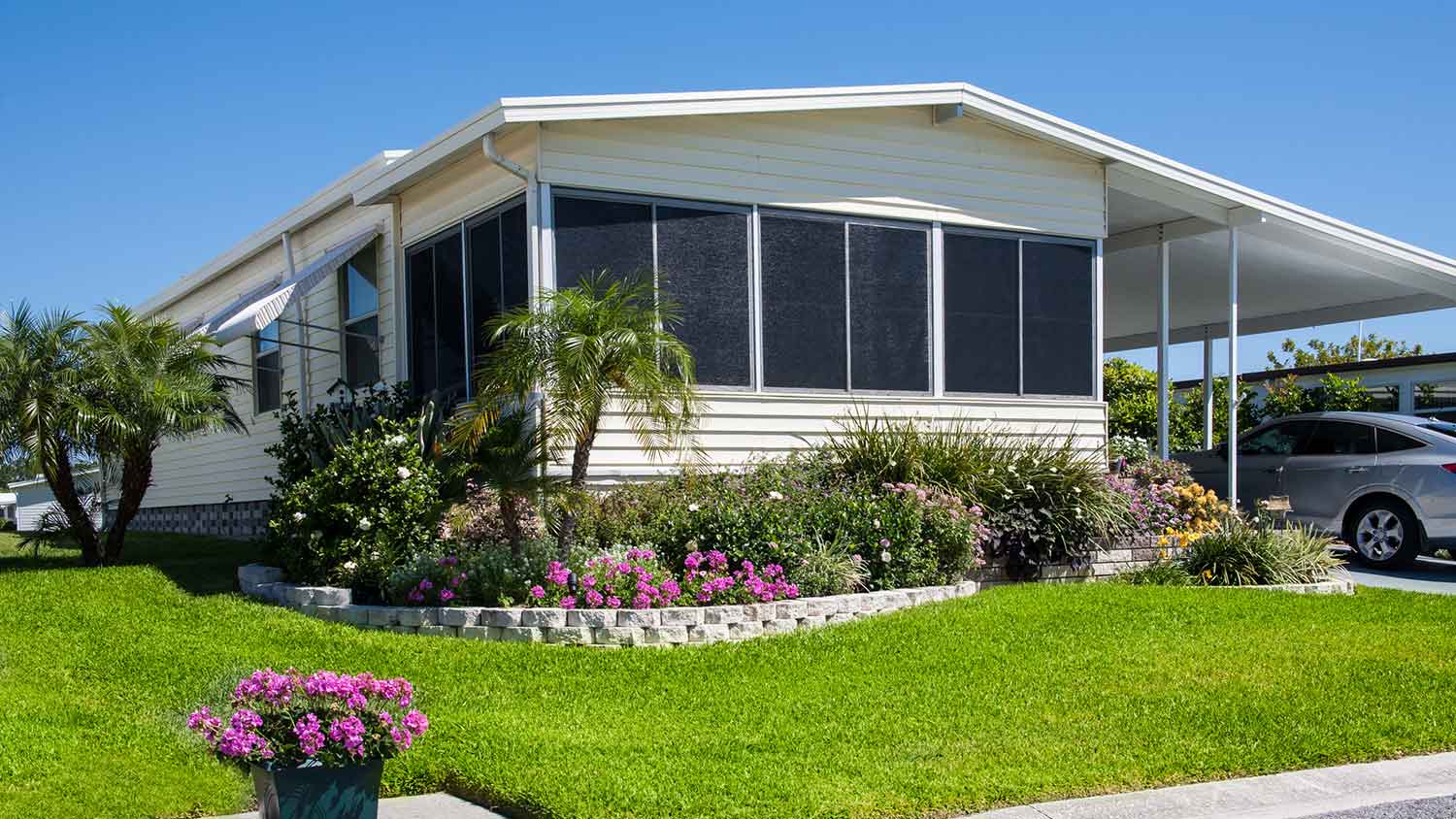
Learn about mobile home inspection costs and some additional costs you might have to pay so you can budget before moving in or closing on your new home.
The wrong attendees can make the deal go off the rails

Buyers who attend home inspections with their agents gain firsthand knowledge of the property, including where key systems are located and how they work.
Home inspection costs average $350, with prices ranging from $190 to $510 depending on your home's size, location, and the inspection depth you need.
Sellers should plan to be away during the inspection to avoid emotional reactions that can distract the inspector or create unnecessary tension during the process.
Hiring a local home inspection professional provides clear answers about your potential home's condition and helps you ask informed questions about any issues discovered.
A home inspection is a crucial part of buying a home, as it shows you exactly what you’re buying and gives you an idea of repairs you might need to fix after closing. To help make sure you’re prepared for this pivotal part of the process, we’ll explain who should attend the home inspection and why in this guide.

The only person who must be present for a home inspection is the local home inspector you hired to inspect the property. However, it’s common for the buyer’s agent to be present to provide access, and it’s a good idea for the buyer to be present, but only if the buyer’s agent is also there.
If you’re purchasing a home and expect to carry out major repairs, you may want to bring a general contractor to start getting estimates for the work. Remember that home inspectors and general contractors are not the same, so you should never substitute hiring a home inspector for hiring a general contractor.
Some sellers may require that their own agent be present for the inspection, and some might insist on being present themselves. These scenarios aren’t ideal, though, as other people's presence can put unnecessary pressure on the inspector, who should remain unbiased.
Buyers should attend a home inspection with their agent, and there are a few key benefits to attending as a buyer.
You learn about the home you’re buying: A home inspector can point out key components of your potential new home, like your circuit breaker and sub-panels, your water main, heating and cooling equipment, and more. Knowing where these items are is always good before you move into a home.
You can ask questions about issues that the inspector finds: The most significant upside of attending the home inspection as a buyer is that you can ask questions. You can get clarification on issues that fail the home inspection or future repairs your pro believes you’ll need, but you might not get answers on the inspection report.
You’ll understand the inspection results better: Your inspector will provide a home inspection report that can be confusing and may make problems seem worse than they are. Walking the property with your inspector can help clarify issues and identify areas you can monitor for worsening symptoms.
You can discuss specific concerns: Finally, if you’re concerned about particular components in the home, you can ask your inspector to focus on those to put your mind at ease. That can include a professional opinion about the remaining roof life, structural problems, and more.
Sellers and their agents can attend a home inspection, but it’s usually not a good idea. Sellers should typically prepare for a home inspection by setting up a time when all residents will be out of the home. Home inspections usually take one to four hours, so plan for a vacant house for about that long.
Sellers are emotionally invested in the property and the transaction, so they can take problems the inspector finds personally and may even get in the way of the inspection itself. The inspector needs to remain focused and unbiased, and a seller's presence can be a distraction or even put pressure on the expert as they work.
A seller may require their own representation—their real estate agent—to be present during the inspection, especially if their agent didn’t recommend the home inspector or isn’t familiar with their work. This usually isn’t an issue and is more just for the seller’s peace of mind so that people aren’t in the home unattended, but the agent should take care not to get in the way of the inspection or distract the buyer.
The Cisco team did an exceptionally good job of painting (very detailed), and they were professional, courteous, helpful and just pleasant to have in our home for a week. I have already recommended Cisco to some neighbors.
 Cisco Finishes
Supreme Brick & Chimney is one of the best service providers I’ve interacted with. Extremely efficient, knowledgeable, and thorough. They took the time to walk me through their detailed full-service inspection and were extremely professional. Not to mention their turnaround time was...
 Supreme brick & chimney
Our homes curb appeal skyrocketed thanks to Custom Paint Jobs LLC s exterior painting.
 Custom Paint Jobs, LLC
Visited my home for estimate same day that I called. Painted on Saturday. Great job. Good price!
The people from Window Depot USA of Central came and gave me a good price on window replacement of my home. They had completed the job within the time promised. The service was curteous, professional and clean. I would definitely recommend Window Depot USA of Central to all my friends.
 Window Depot USA of Central Ohio
Working with Mike on our first home purchase was an absolute pleasure. Mike put us at ease and made the process of buying a home fun. Mike is knowledgeable, honest, professional, and punctual. He worked with our busy schedule and always made time for us. When a home came on the market that...
 Michael Marshall - Buyer's Resource Realty Svcs.
Fantastic! Top Line was early for the appointment and very knowledgeable and took time to explain everything they had found during the home inspection. The report included clearly defined issues and what they recommended to remedy the same. The report also included many pictures to help...
 Top Line Home Inspections, LLC
Scott did not get appropriate access to the property prior to the scheduled inspection which required us to come back later in the day to complete it. He also, unprofessionally, knocked on a neighbor?s door in his attempts to reach someone with access. His overall report was fine though the...
 Security First Home Inspections
Mary cleaning service does an amazing job cleaning my home. They go over and beyond the cleaning services that I have had in the past. They are very punctual and thorough with cleaning my home, I’m extremely happy with the service they provide and I highly recommend them.
From average costs to expert advice, get all the answers you need to get your job done.
Learn about mobile home inspection costs and some additional costs you might have to pay so you can budget before moving in or closing on your new home.
If you’re buying a home, having an inspection offers reassurance that it’s in good condition. How much a home inspection costs varies depending on the home's size, age, condition, and location.

The buyer is often who pays for the home inspection, but proactive sellers might also decide to foot the bill. Learn why in this complete guide.
In a highly competitive market, you may wonder if waiving the home inspection is a good idea. Learn why it’s often not and what to consider before you do.
Uncover the secrets of home inspections, including costs and failures, as well as whether you should get it done before or after making an offer.

A home inspection is the best way to avoid unexpected repairs after buying a home. Find out how long a house inspection is good for to prepare for closing.