
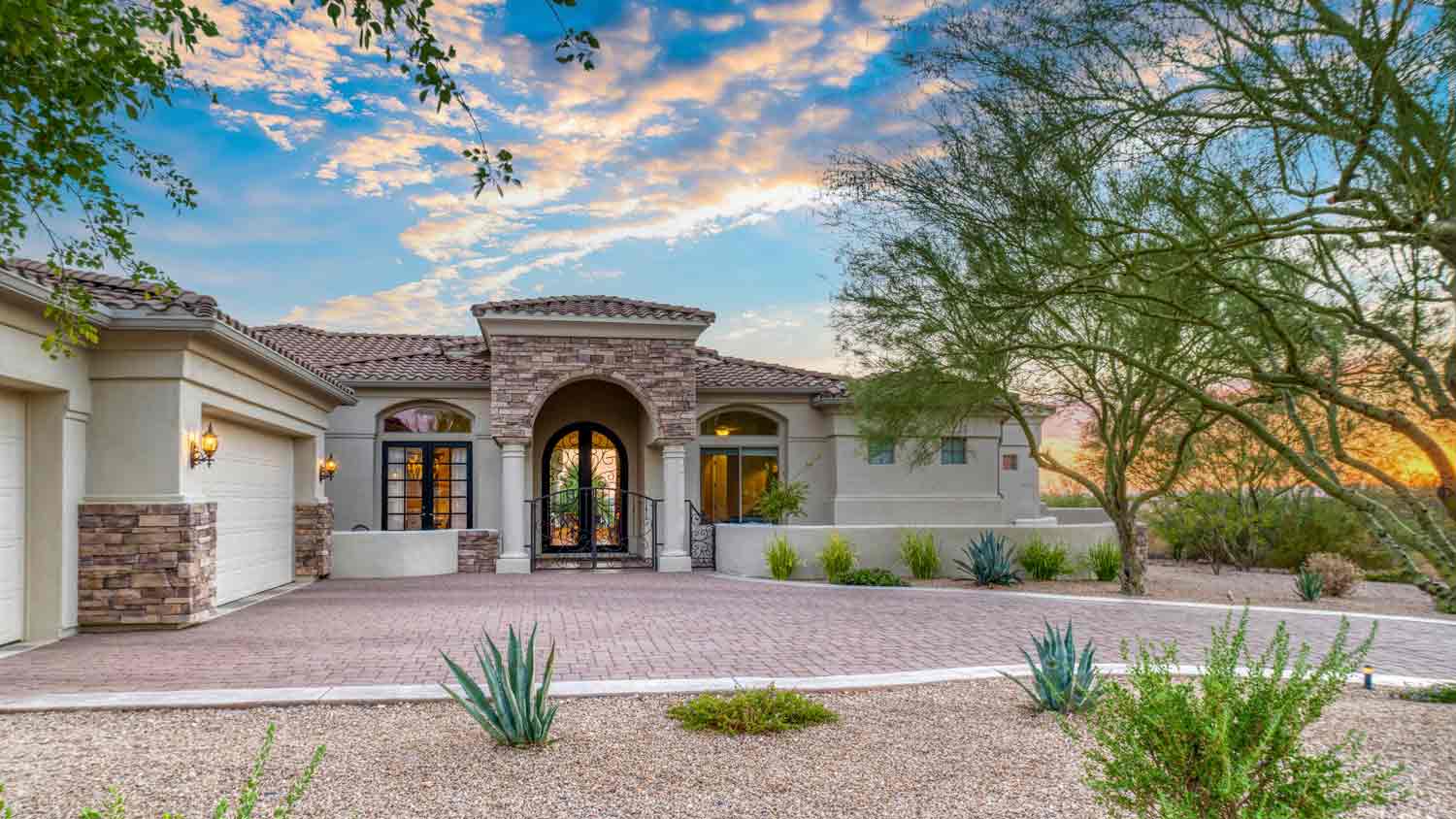
When building a home, going custom gives you the freedom to create your dream house. Learn about the cost to build a custom home and the factors to consider.
There's no place like home—whether you stay for a few years or a lifetime

Choosing between a starter home and a forever home depends on your financial situation, long-term plans, and willingness to move again in the future.
Starter homes let you build equity with lower upfront costs, while forever homes require more money but eliminate the need to sell and move later.
Your decision should consider your commute, family plans, and neighborhood preferences, as forever homes offer more customization while starter homes provide flexibility to relocate.
Hiring a local real estate agent helps you compare starter and forever home options based on your pre-approved mortgage, guiding you toward the right choice.
Entering the housing market for the first time is understandably befuddling at times—and first-time homebuyer mistakes are not uncommon. But what about that age-old question about whether you should buy a starter home or a forever home?
Here's the thing: both have their perks and disadvantages. Knowing both sides of the coin before you start touring homes will help you make the best financial decision for your future plans.
So, what exactly are starter homes and forever homes? Let’s review:
A starter home is a smaller, less-expensive home where you plan to live in for three to five years
A forever home is a more expensive dream home where you live for several decades.
On paper, the natural transition from a starter home to a forever home makes a lot of financial sense. Young professionals have the chance to build equity when they're ready to buy their first home, but don't have to make a final decision about where they want to live long-term. In reality, even the best-laid plans can change unexpectedly, so this decision is not as straightforward as it may seem.
“Both forever and non-forever homes fall equally short in terms of needing general remodeling, with 38% of people in their forever homes and 38% of people in non-forever homes saying their homes need remodeling to match their current needs,” said Mischa Fisher, Angi’s Chief Economist.

A starter home is an entryway into homeownership. It can help first-time homebuyers make the leap from renting to owning both financially and logistically. New homeowners can ease into making repairs and learning about the home equity process. Let's take a look at some of the pros and cons of this type of home purchase.
Before starting the house-hunting process, consider these benefits of buying a starter home.
You'll pay less overall: The most obvious upside to a starter home is the lower price tag. Starter homes tend to include condos, townhouses, or single-family homes with one or two bedrooms. Not only will you pay less for the down payment, but you'll pay less in most monthly "carrying costs," such as mortgage payments and property taxes. Keep in mind that the low overall price of a starter home also depends on the current mortgage rates, whether you need to pay mortgage insurance, and the cost of repairs or renovations to increase the value of the home.
You’ll build home equity: The largest draw of a starter home is the opportunity to build equity. Your equity can also increase if the value of your home rises due to a hot housing market or when you choose to make upgrades. Building equity can help you borrow money for major expenses. You can even use home equity to pay for home renovations. In the end, the equity will help you apply for a forever home down the line.
Don’t forget to consider the drawbacks of starter homes before making a final housing decision.
You'll have to make concessions: Deciding on a starter home and living in one are two separate things. A starter home should not be a money-pit fixer-upper that adds hours to your commute or ignores all your daily needs. That being said, you may have to forego your favorite neighborhood, extra space, or having your pick of architectural styles.
Alterations may affect the resale value: If you're an avid home DIYer or a passionate renovator, it's important to make decisions based on whether they will increase the value of your home. To keep your home’s resale value in check, you may have to stay away from trendy-yet-temporary fads or changes that will lower your home value.

Buying a forever home is best for the confident buyer who knows what they want now and feels certain that they'll still want that in 10 years. However, finding your dream home takes time, and usually a bit more money. Taking this route requires a bit of finesse, planning, and luck.
“The main characteristics of a “forever home” are location and space,” Fisher said. “For example, 80% of forever homes are in the ideal location, while only 68% of people in their non-forever homes say their home is in the ideal spot, making forever homes around 20% more likely to be in the ideal location.”
Ready to buy a forever home? Review these benefits first.
You won't have to move again: Buying and selling a home—especially at the same time—is no small feat. Staying put also means that you don't have to move again or keep a close eye on the state of the real estate market. If you need to sell your starter home for more space and the market happens to be unstable at the moment, that puts you in a tricky position.
You can personalize and customize your home: A forever home means the sky's the limit when it comes to making home renovations. Add that soaking tub, cultivate your koi pond, or turn that extra bedroom into a walk-in closet. Additionally, a pricier forever home may also mean that you don't have to do as many renovations in the first place.
Don’t sign on the dotted line until you consider these drawbacks to buying a forever home.
It's more expensive: In most cases, though not all, a forever home implies spending more money. You're fighting for nearly everything on your wishlist, aiming for that ideal neighborhood, and may have to outbid other buyers. Additionally, without home equity from a starter home, you won't have the financial advantage of using the money from the sale for a bigger place.
Plans can change: At the end of the day, we can't plan for every major change in our lives. Jobs move us across the world, our design preferences change, or you end up needing more family space than you expected. Investing in a forever home is just that—an investment. And that comes with the risk that you may want or need to sell it before you're ready.
If you're stuck between that picture-perfect forever home and the quaint cottage starter home across town, it could be helpful to compare these choices side-by-side.
When you're on the fence, an experienced local real estate agent can guide you toward both starter and forever homes based on your pre-approved mortgage loan. Even when a particular idea looks great on paper, it's best to take a look and try to envision the next stage of your life in that home. Let's compare starter and forever homes in each category.
In most cases, the cost of a starter home is lower than a forever home, but you may end up paying more for renovations and a future move. You are also at the mercy of the housing market with short-term purchases.
Winner: Tie
A starter home will likely not include all of your dream amenities and it may not be in your ideal neighborhood or school district. A forever home purchase should consider your commute, family plans, and the value potential of the area.
Winner: Forever Home
A forever home is your blank palette to work with and should come with more amenities from your checklist. A starter home, however, may require a bit more work—specifically work that will increase its value. On the other hand, living in a smaller and simpler home is a great way to ease into the challenges of being a first-time homeowner.
Winner: Forever Home
Perhaps most importantly, a starter home allows you to change your mind. Young homebuyers may not know what they want or need right out of the gate. While you can sell and leave a forever home, you may need to pay off more of the mortgage before it becomes financially viable.
Winner: Starter Home
1st Choice Renew is simply the best! We hired them for a complete home renovation, and they transformed our space into something truly amazing. The team attention to detail and commitment to quality were evident throughout the project. They were easy to work with, very responsive, and always...
 Save A Dime
Exquisite workmanship from Custom Paint Jobs LLC. My home has never looked better.
 Custom Paint Jobs, LLC
We needed windows in our home, and we couldnt believe we got our entire home done for under $14,000. We have a lot of windows, and not only was it affordable, but it got done in a timely manner! Thanks guys, I truly appreciate you all!
 Window Depot USA of Central Ohio
Chris has been completing paint projects for me on flips, rentals, and even my personal home over the last 5 years. He always does an exceptional job, and is always responsive and easy to get ahold of. Great work, great communication. Iâ d definitely recommend him!
 Y City
Working with Mike on our first home purchase was an absolute pleasure. Mike put us at ease and made the process of buying a home fun. Mike is knowledgeable, honest, professional, and punctual. He worked with our busy schedule and always made time for us. When a home came on the market that...
 Michael Marshall - Buyer's Resource Realty Svcs.
Clint was and is very Professional and takes pride in this company and his work. Definitely recommended him to everyone in my hi-rise building. Excellent proposal and no hidden charges or surprises. Don't find that in today's world.
 Footprints Floors of Columbus
From average costs to expert advice, get all the answers you need to get your job done.
When building a home, going custom gives you the freedom to create your dream house. Learn about the cost to build a custom home and the factors to consider.
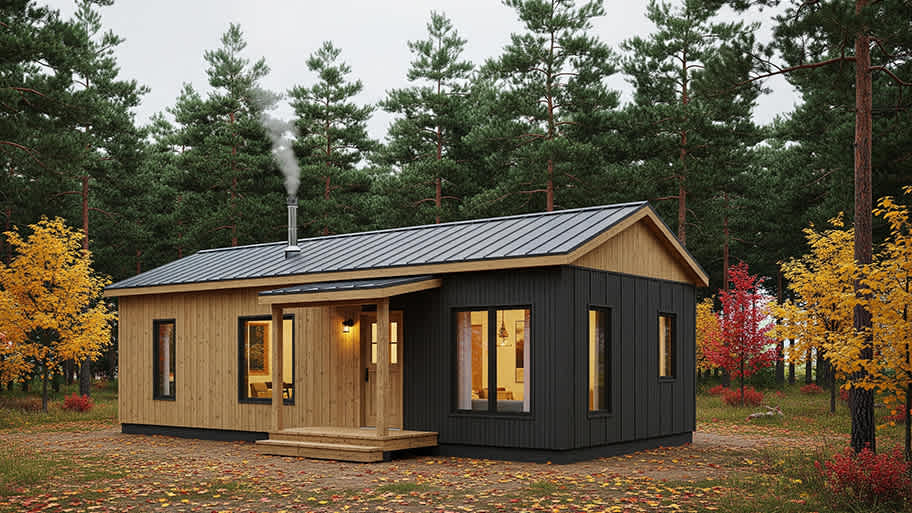
Modular homes are more affordable than stick-built homes, but by how much? Learn about modular home costs to see if they fall within your budget.
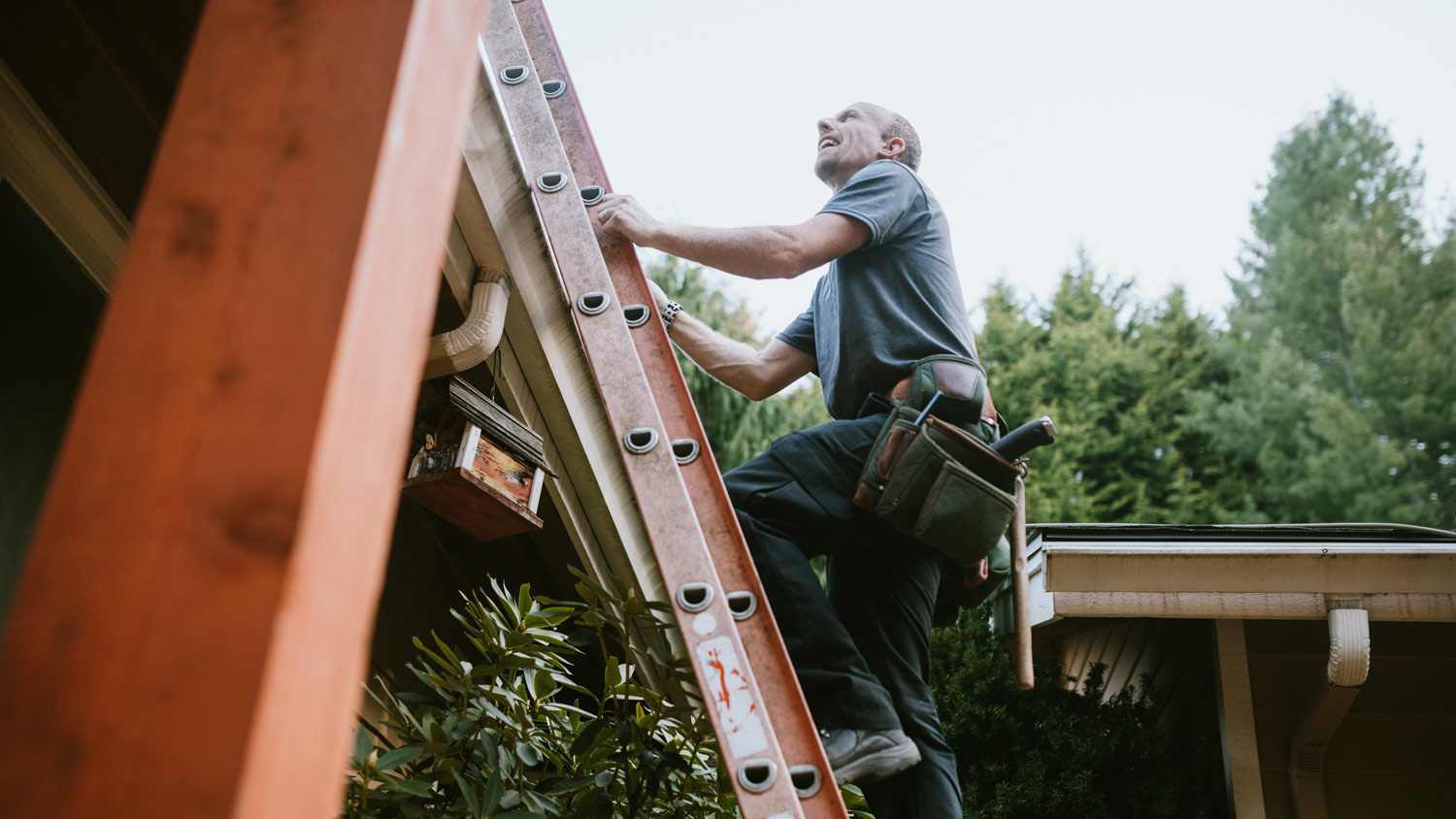
If you’re buying a home, having an inspection offers reassurance that it’s in good condition. How much a home inspection costs varies depending on the home's size, age, condition, and location.
Thinking about a custom home building project? Learn about design options, average construction costs, and how to hire the right local pro for your new house.
Home warranties offer protections for your home, but are they worth it? Let’s look at home warranty pros and cons to find out.

Staging a home for sale can help it stand out to potential buyers and quickly move off the market. It doesn’t have to be a big undertaking, either. From maximizing natural light to decluttering your space, these tips can help.