

Angi and our partners at EEBA Team Zero are here to help homeowners make small changes for big impacts on our homes’ carbon footprints. Here’s how.
Reduce your utility costs and help save the planet with these simple ways to reduce the carbon footprint in your home

Home carbon footprint reduction starts with an energy audit that identifies drafts, insulation gaps, and inefficiencies in your HVAC, lighting, and appliances.
Expect to pay $920 to $3,650 for professional insulation services that prevent up to 25% of your heating and cooling energy from escaping through your roof.
You can lower your home's carbon emissions by switching to LED bulbs, installing low-flow showerheads, and sealing air leaks around doors and windows.
Hiring a local home energy audit professional provides clear guidance on where your home wastes energy and which upgrades deliver the best results.
If you’re looking for ways to care for the environment and our planet, one of the places you can start is right at home. Changing some of your family’s habits to reduce your carbon footprint can have a big impact. The carbon footprint of your home is the amount of greenhouse gasses, such as carbon dioxide, methane, and nitrous oxide, produced by all the appliances, utilities, and other items you use in your everyday life.
Below, we’ve outlined some tips on some easy ways to help reduce your carbon footprint. Many of these can be tackled in a weekend or even an afternoon, but you’ll see their effects for years to come.
A local home energy auditing service can quickly identify all the key ways your home is wasting energy. Then, they can make recommendations for the best ways to reduce energy loss and your home's carbon footprint. If you'd rather do a basic home energy audit yourself, include these in your checklist:
Check for drafts, particularly around doors and windows
Examine water heating system for obvious inefficiencies
Make sure you have adequate insulation
Inspect your HVAC for problems, age, and inefficiencies
Check your lighting and consider smart lights and efficient bulbs
Optimize appliance and electronic use
Then it's time to make your household plan:
Where can you most obviously and easily make improvements?
What improvements can you make without spending money?
What improvements can you make yourself?
What's your budget for improving the energy efficiency of your home?
What projects can you afford to hire a contractor to complete?
You can lose up to 25% of the energy you use for heating and cooling if your roof isn't insulated. Often, older homes that had enough insulation based on the guidelines when they were built are not adequately insulated by today's standards.
Make sure you've got the best type of insulation for your home by contacting a local insulation specialist. Insulating your home costs between $920 and $3,650, but can save you money in the long run.
Old-school incandescent light bulbs can account for some of the largest amounts of carbon emissions and wasted energy. Less than 5% of the energy, and therefore money, you spend on powering these light bulbs is actually converted into light, and the remaining 95%+ is wasted as heat energy.
But switching to super-efficient light bulbs like LEDs is a really simple fix that immediately reduces your home's carbon footprint. If you make the change, you'll use 75% less energy for lighting and still get the same level of illumination. Plus, LED bulbs have a much longer lifespan than old-style filament bulbs, which means fewer trips to the hardware store.
A home automation system could reduce the carbon footprint of your home by 13%. A home automation system can "learn" when you normally get home from work and turn on the heat or AC in time for the house to be at a comfortable temperature when you return. It can also learn when your family is typically asleep, and turn down the heat before raising it back to your preferred temperature in time for you to wake up.
If your kids constantly forget to turn off the lights, you can set your smart lights to turn off when they sense the room is empty, saving energy. To maximize savings, take the automation outside with connected sprinklers and irrigation systems that only use water when necessary.
While it's possible to DIY some basic automation, for a fully connected house, it's best to hire a local home automation pro to get you plugged in.
Installing the right low-flow showerhead is a super-simple way to reduce water usage and your home's carbon footprint. It can help you save 2,000 gallons of water per person, per year.
These nifty DIY-friendly devices restrict water flow and force it through small holes, creating a high-pressure shower experience with much less water. Some, called aerating, low-flow showerheads, also mix the water with air for a softer, bubbly shower experience.
Green energy sources, such as a geothermal system, solar panels, or wind turbines, drastically reduce your carbon footprint by replacing your current energy with sustainable, renewable, clean energy sources.
While the cost of solar panel installation can be expensive, as is the cost of installing a geothermal HVAC system, using government incentives and credits can significantly reduce the price, and you'll eventually recoup your investment in energy savings.
If this is currently outside of your budget, the next best option is to switch to a renewable energy supplier that uses clean energy and, preferably, also offsets carbon usage.

Did you know that air leaks around your home can account for 10% of your energy bill? That's a lot of wasted resources and excessive carbon production. Even if you're not the best at DIY, sealing up these leaks is an easy, inexpensive project you can tackle in a weekend.
Inspect the weather stripping on your doors and windows. If they are unsealed or the seal is old, crumbling, or has missing pieces, it's time to reapply a high-quality, mold-resistant sealant. If necessary, apply new weather stripping to give double leak protection.
Places you may have overlooked include the basement, crawl spaces, and the attic. Air often escapes where the vapor barrier meets the wall. And basements, even if you regularly use them, tend to be cold and, unless sealed and insulated, can steal hot air away from the main living areas.
Between keeping you toasty warm in the winter and comfortably chilled in the summer, your heating and cooling system gets a lot of use. Even if you have it serviced annually, as it ages, the system inevitably loses efficiency.
Hire a local HVAC pro to do a full service and get in the habit of having both heating and cooling systems serviced every year. You may even be able to get a money-saving HVAC service contract that includes some repair costs.
If either the heating or cooling system is very old, particularly inefficient, or prone to breakdowns, it could be time for a replacement. The new system will pay for itself throughout its life in energy savings and immediately start to reduce the carbon footprint of your home.
Water usage and water heating both contribute significantly to the carbon footprint of your home. Making easy changes like reducing showers from the average of eight minutes to five minutes saves more than 2,000 gallons of water per person, per year.
You can also lower your home's carbon footprint by using your appliances efficiently. Don't run the dishwasher or the washing machine unless you've got a full load, and when you do, make sure you use eco-mode. Consider upgrading the dishwasher and washing machine to new, super-efficient models, and wash at cool temperatures. All of these small, inexpensive, easy changes make a big impact.
It's not just your water usage that's a big factor in carbon emissions, it's your water heating system, too. Water heaters are often overlooked until something goes wrong, but they can slowly lose efficiency year after year, increasing the amount of energy they need to heat your water. Initially, call a local water heater specialist and get a full service. Then, depending on what they recommend, it may be time to upgrade and even consider a tankless water system that supplies a continual stream of hot water on-demand.
If you’re good people wanting to do business with good people, hire Matt. He is a consummate professional and utterly competent. He installed a water heater in my home at a price that beat competitors by hundreds of dollars with a promise to support the unit for its life (even after its 6 yr...
 Greene's Plumbing Services
Corey Carr was great. I had damage from a recent storm and needed to have my mast and other components replaced. The project entailed coordinating with AEP, and Corey helped make a stressful situation a lot less stressful. I really appreciated his dedication to service and the job very well done.
 Mr. Electric of Columbus
This service was great. My air conditioner went out during the heat spell that we had. My husband has health issues and they came out that night and at 9:30pm the air conditioner was fixed and running. We are sooo very thankful, this is the company I will be using from now on and would...
 Mr. Mechanical Ohio
I normally do not leave reviews, but my experience with Worthington Air was extremely frustrating and disappointing. About 30 days ago, I had a consultation done for an HVAC replacement and was quoted approximately $15,079. Based on that quote, I applied for financing through their company...
 ARS Columbus Worthington Air
Great company! Price was competitive, technician showed up on time and completed the job (exterior electric Radon fan replacement) quickly. Would hire them again.
 MaGen Property Inspections and Radon Mitigation
As usual with ECO, tech Jordan was outstanding, very professional, very knowledgeable, and very thorough with repairs made to tankless water heaters. Very highly recommend ECO!!!
 Eco Plumbers, Electricians, and HVAC Technicians
Raven and crew does absolutely fantastic job. They are very professional if any concerns were to occur with any of her work she always took responsibility and finished out with a great job. I have worked with her business for a year and have always been satisfied. Very trusted business and...
 Creations of Transformation LLC
I would recommend this company to anyone! He showed up on time, was friendly, completed a very difficult repair on our dryer vent cover, was responsive, and pricing was extremely fair and competitive. I would have him back to do any of our repairs or cleanings without hesitation!
 U.S.A. Dryer Vent, LLC
Ace Fireplace Services' chimney sweep service is truly exceptional. They used advanced technology to ensure a thorough cleaning process, and my chimney has never looked better. I highly recommend their services.
 Ace Fireplace Services
The technician was very professional and friendly. He answered all my questions and was very thorough. He left the fireplace area very clean . He inspected from the roof and advised me as to other work that might need to be done. There was no pressure there. I was very satisfied with the...
 Supreme brick & chimney
From average costs to expert advice, get all the answers you need to get your job done.
Angi and our partners at EEBA Team Zero are here to help homeowners make small changes for big impacts on our homes’ carbon footprints. Here’s how.

When you reduce power usage in your home, you can save money and the planet. Follow these simple tips—from turning off lights to preventing vampire power—to lower your energy demand, decrease utility bills, and shrink your carbon footprint.

Reducing household waste is good for your wallet, your home, and the environment. Find out how to reduce household waste with a few easy habit changes.

Thinking about switching to solar? Consider the pros and cons of solar energy to decide if it’s right for you. We shine a light on the upsides and downsides.
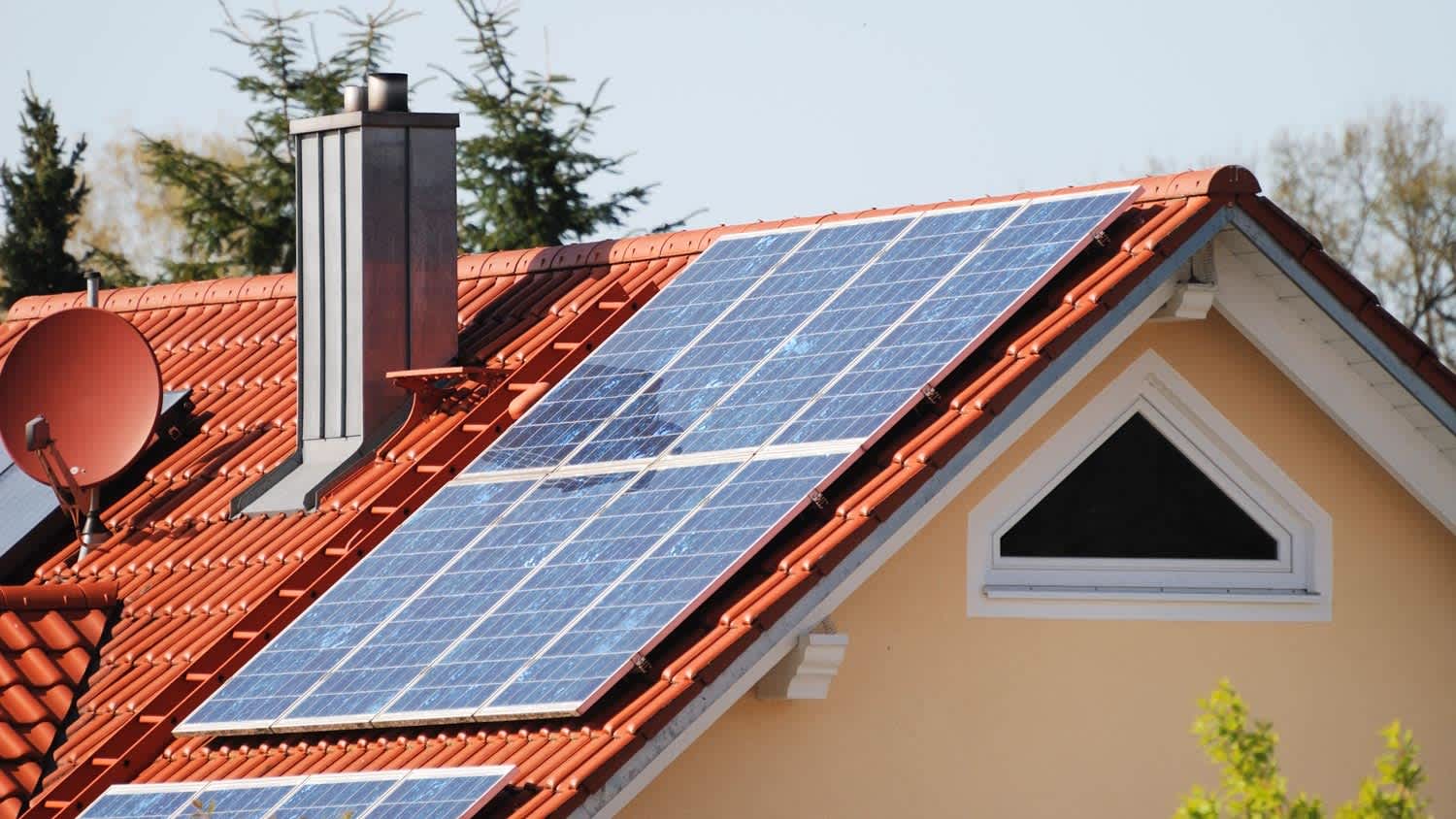
Homeowners and pros are investing in more eco-friendly home improvement projects, according to Angi’s survey. Here are their most common green projects.

A home energy audit is a detailed write-up of how to lower your utility bills and increase your comfort level. Find out if they’re worth the cost.