
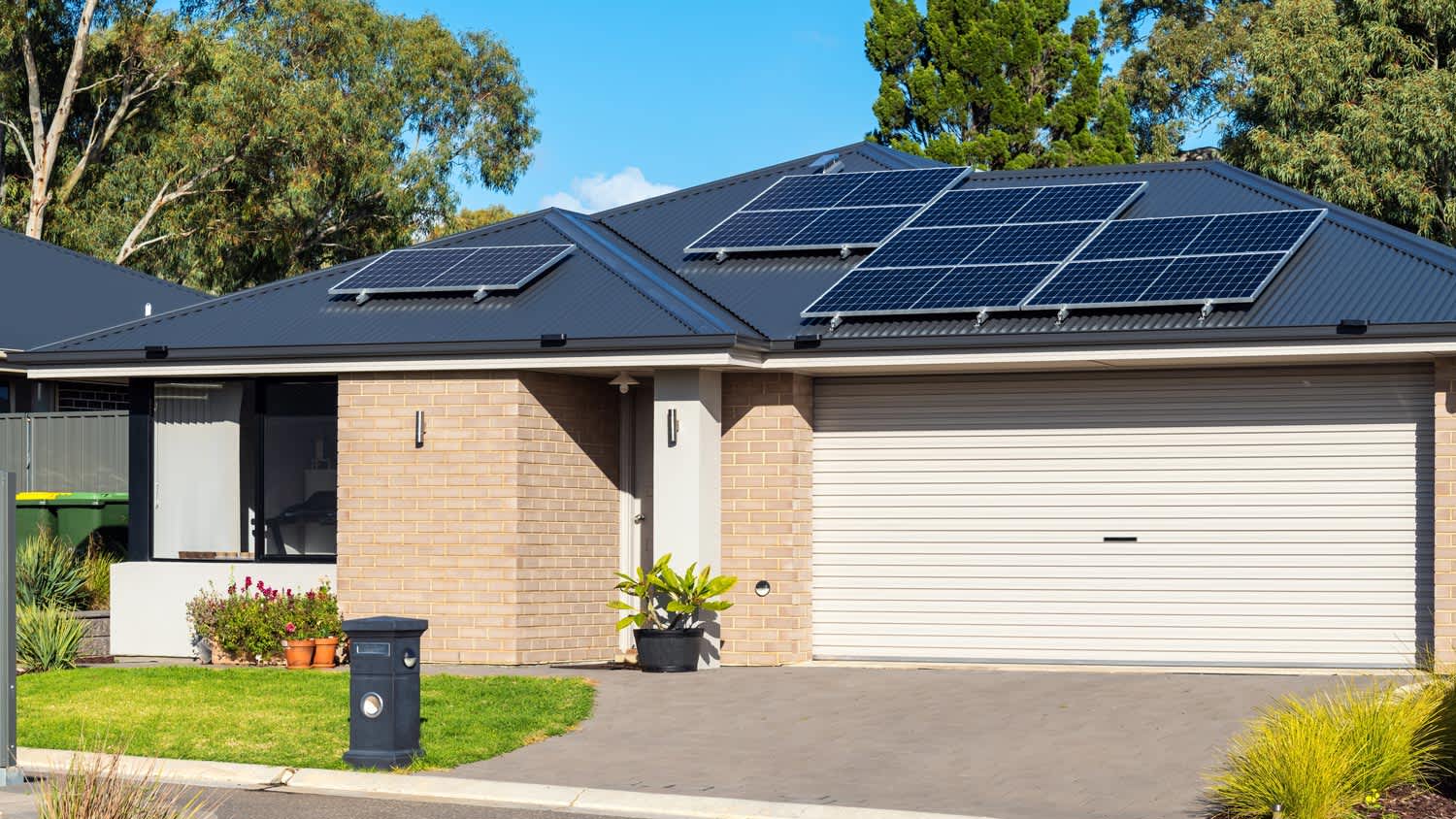
A Zero Energy Ready Home could save you money on utilities and reduce your carbon footprint. Keep reading to learn about zero-energy homes.
Homeowners are getting serious about significantly reducing their homes’ environmental impacts

Reducing your home's environmental footprint starts with simple upgrades like better insulation, air sealing, and Energy Star windows to cut heating and cooling costs.
Heat pumps cost less than $6,000 on average and offer 300% to 400% efficiency improvements over traditional gas appliances for year-round comfort.
Solar panels now cost $17,000 to $32,000, down 80% over 15 years, and can offset your monthly utility bills with available local and federal incentives.
Hiring a local heat pump installing professional provides reliable guidance on system sizing and installation, helping you switch to efficient heating and cooling confidently.
Climate change impacts everyone—no matter where we live—and will continue to profoundly affect homeowners, renters, and (especially) unhoused populations. With such seismic shifts in our collective home forcing us to rethink our actions, many feel stuck.
But there’s good news: homeowners can reduce the carbon they release into the world by making some key changes to their homes and habits. There’s better news, still: more Americans are already taking lighter steps towards greener homeownership, according to a survey Angi conducted with 1,000 homeowners, and another survey of 600 home pros.
But what does a “greener” future look like in terms of housing in a rapidly heating world? Here’s a glimpse into what the future of housing emissions may look like.
In 2020, our homes produced 16% of the country’s greenhouse gas emissions, largely because many of our homes are energy-hungry. Because virtually everything in our homes requires energy to cool, heat, and just generally function, the gadgets and appliances supporting our lifestyles require lots of energy. Couple that with natural gas and petroleum that power many heating and cooking appliances, and we begin to understand just how unsustainable many of our habits may be.
But it’s not that Americans want these energy-draining homes; it’s just the reality of what’s available and/or relatively affordable. Homes built between 1950 and 1990 aren’t nearly as energy-efficient as homes built between 2000 and 2005.
The caveat, though, is that many newer homes are larger than pre-1950s homes, meaning they require more energy to heat, cool, and function. No matter how efficient, more energy use means more greenhouse gasses pumped into the atmosphere. Basically, new homes don’t always mean energy-efficient homes—and that doesn’t align with most homeowners’ attitudes and expectations.
Homeowners are aware that climate change presents very real threats to both current and future generations alike, and many expert builders, suppliers, and virtually everyone in the homebuilding space offer greener solutions.
“Consumers expect sustainability in the places they live, work, and play,” says Aaron Smith, CEO of EEBA, an organization dedicated to providing education, support, and resources for sustainable business practices in the residential construction industry. “They simply want to make the best decisions for their homes and the planet.”
But those decisions aren’t always so easy to make in a frantic housing market where funds don’t stretch as far as they did even a year ago. But Smith says that, despite home costs soaring, homeowners—current and future buyers alike—have more options than ever for reducing their impact.
Homeowners can start small; they don’t have to make major upgrades to reduce their footprints. Part of his and EEBA’s educational outreach implores homeowners to do their parts to contribute to the “5-legged stool” of creating a cleaner planet. Those five legs/elements include:
Healthier homes
Electrifying everything (powered by renewable energy)
Resiliency
Decarbonization
Net Zero (carbon balancing homes)
While homeowners can easily tweak habits (turning lights off when not in use, recycling, composting, washing clothes on cold), Smith admits that many want to do more—and do it quickly.
Completely retrofitting our homes isn’t always affordable right off the bat; it may take time to include every energy-reducing option we’d like. However, there are four smart, relatively affordable solutions homeowners can implement quickly.
Caulking, insulation, and Energy Star-certified windows may be homeowners’ best friends for reducing energy costs and keeping homes more comfortable year-round. The Department of Energy states that 45% of homeowners’ energy use goes to heating and 9% to cooling. Keeping air in (and out) means energy-efficient comfort and cost-cutting.
Heat pumps don’t get a lot of love—but they should. Heat pumps pull warm, outdoor air indoors during the cooler months and, during the warmer months, pull indoor air out of homes to keep indoor temperatures comfortable.
Heat pumps offer 300% to 400% efficiency improvements over top-tier gas appliances with even 90% efficiency ratings. Heat pumps don’t need gas or fuel to function, and heat pumps cost less than $6,000 on average, making them an excellent investment both financially and environmentally. Your local heat pump installer can have it set up in no time.
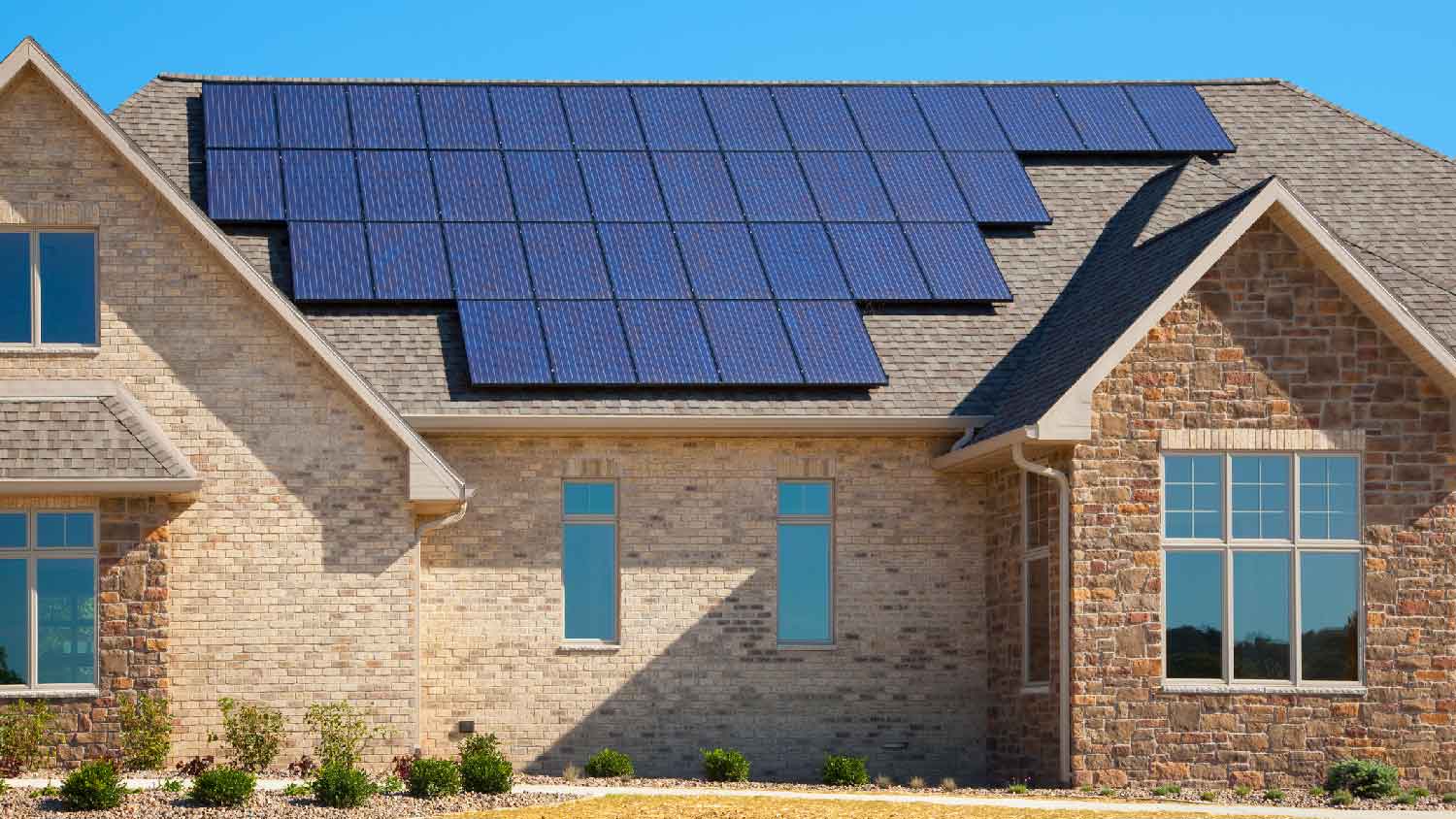
There may be no better symbol of “green” than solar panels. As of 2020, there were nearly 3 million residential photovoltaic solar systems. While most solar panels cost between $17,000 and $32,000, the price has come down about 80% in the past 15 years, according to Aaron Smith. “Solar has become cheaper, faster, better, and stronger as the technology improves,” he says. It’s also largely due to the rising demand for solar across the country.
But if homeowners still have sticker shock, Smith reminds them that there are several local and federal solar panel incentives to help homeowners switch to solar. He also nudges homeowners to see them as an investment. For example, if a homeowner pays $200 per month for utilities, solar panels can likely offset the bill. All they need to do is contact their local solar panel installer to get started.
Not everyone can afford solar panels or a top-of-the-line heat pump at the moment—or any time soon. However, homeowners can still reduce their footprints by making small, cost-effective changes today by simply:
Switching to low-power LED lights
Opting for recyclable and recyclable materials
Swapping old, energy-hungry appliances for Energy Star-rated appliances
Updating toilets and showerheads to low-flow models
Xeriscaping or including low-water landscaping
Upgrading to smart home devices like smart thermostats and smart lighting
I recently had Mosby Electric perform an electrical installation on 8-14-2026, and I couldn’t be more satisfied with the service. From the moment I called, their team demonstrated fast arrival and professionalism. The electricians were highly knowledgeable, completing the installation...
 Mosby Electric
I had FabClean 614 clean my apartment, and she did an outstanding job. She was so professional and efficient. My apartment looks absolutely spotless every surface, every corner, all cleaned to perfection. Definitely highly recommend FabClean 614 if you're looking for top-notch cleaning...
 Fab Clean 614
It went so well! They were prompt and efficient! They were patient with last minute changes and the work was worth the money
 Security Doors and Shutters
Supreme Brick & Chimney is one of the best service providers I’ve interacted with. Extremely efficient, knowledgeable, and thorough. They took the time to walk me through their detailed full-service inspection and were extremely professional. Not to mention their turnaround time was...
 Supreme brick & chimney
They were great! They were thorough and efficient and paid attention to the details. Definitely recommend. I'm definitely going back!
 FIFI'S EARTH FRIENDLY CLEANING
Custom Paint Jobs LLC is reliable, efficient, and their work speaks volumes. Highly recommended!
 Custom Paint Jobs, LLC
Very professional and efficient with work. Answered each question I had with great knowledge and an informative response. Will be working with them again.
 KW Handy
The techs on my project, Shawn and Cliff, were great. They were prompt, courteous, and efficient. I am very happy with the results and would definitely contact Mr. Electric for any future electrical projects.
 Mr. Electric of Columbus
Excellent choices and quality of materials. Workmen were very efficient and took their work very seriously. Pride of workmanship and cleaned up beautifully at end of job. Would recommend this company highly.
 Window Depot USA of Central Ohio
I can see why this company has such high ratings. Their team of 5 guys came today to trim a couple of large trees in my yard. They were professional, polite, efficient and asked me for input through the whole two and a half hour project. They did an exceptional job of clean up. The estimate...
From average costs to expert advice, get all the answers you need to get your job done.
A Zero Energy Ready Home could save you money on utilities and reduce your carbon footprint. Keep reading to learn about zero-energy homes.
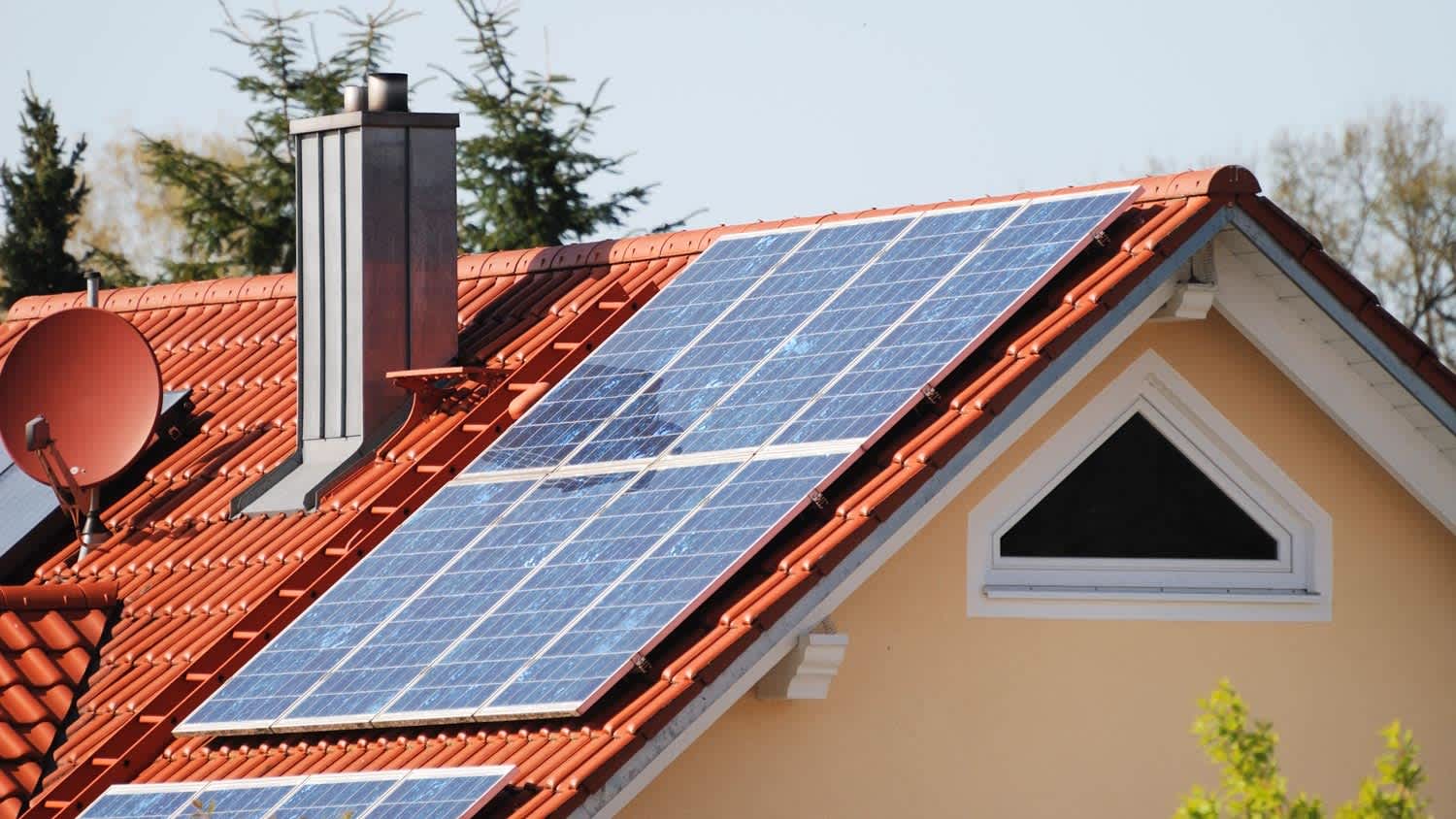
Homeowners and pros are investing in more eco-friendly home improvement projects, according to Angi’s survey. Here are their most common green projects.
Discover how younger homeowners are leading the charge toward greener living. From solar panels to energy audits, Angi’s 2024 State of Home Spending report reveals top sustainable upgrades for 2025.

We spoke with five influencers in the sustainability space about how they found their passions and got tips for how you can live greener every day.
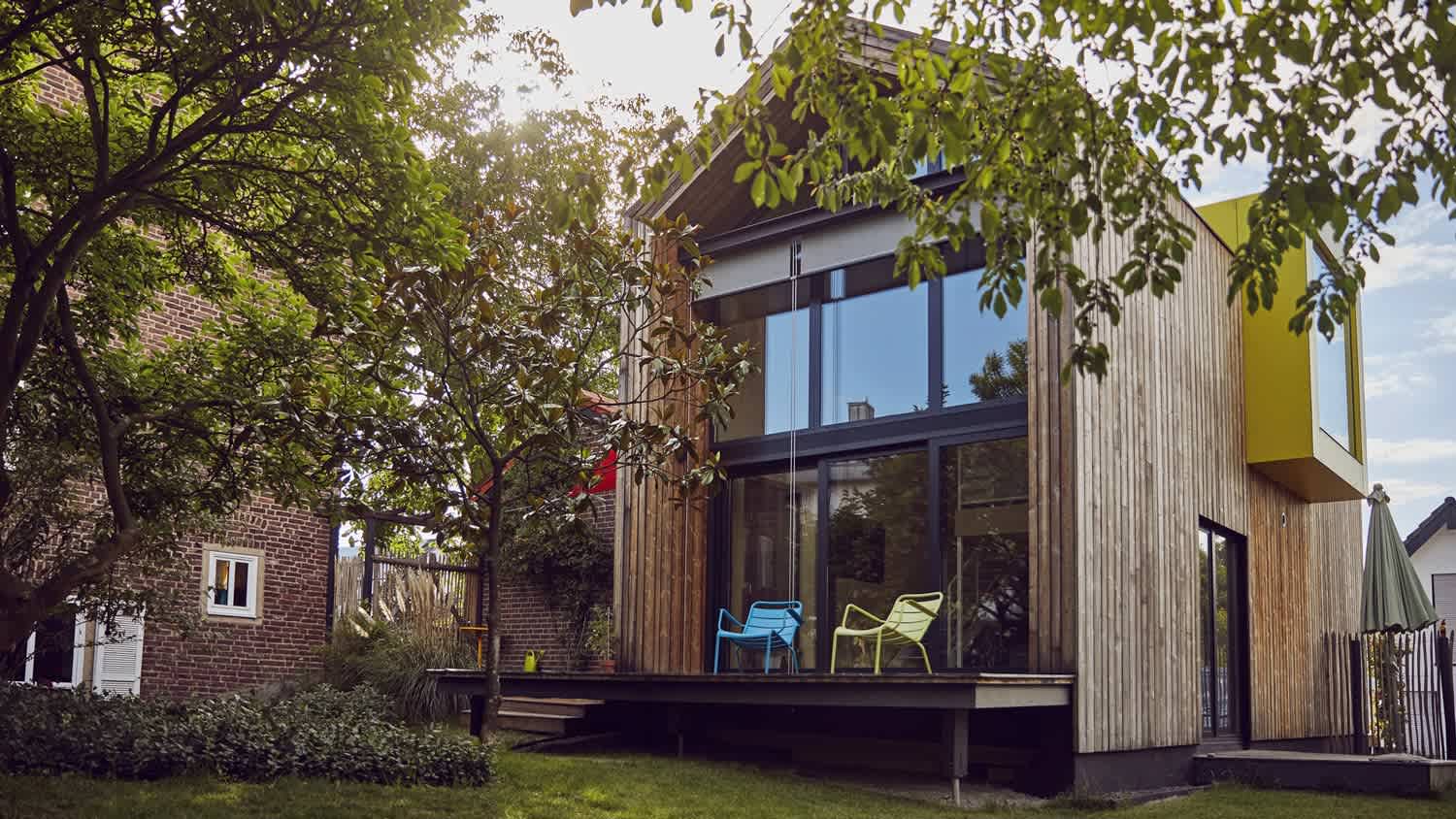
Sustainably remodeling your home is an opportunity to upgrade its efficiency and materials. These tips will help you work out your eco home remodeling priorities.

It's time to get cracking on those big New Year's plans. Reach these eight home-focused resolutions with the help of a trained team by your side.