


Learn all of the factors you need to consider to estimate roof ridge cap replacement costs, whether it’s safe and worthwhile to DIY the work, and more.
Roofing costs depend on your project and location. Check with a local pro for your specific job.


Professional roof ridge vent installation costs $300 to $650 for your project, with most homeowners paying around $500 total.
Your attic size and roof pitch determine how many ridge vents you need and how difficult the installation will be.
Account for old vent removal and disposal fees if you are replacing existing units, plus permit costs when required.
Hiring a local attic fan installation professional ensures proper roof cuts and ventilation while preventing leaks and moisture damage.
In 2026, the national average cost for roof ridge vent installation is $500. Most homeowners spend between $300 and $650, depending on attic size, roof pitch, and the number of vents needed. Ridge vents offer ventilation along the length of your roof's peak, giving moist air plenty of room to escape so your roof—and everything beneath it—stays dry.
Several factors shape the total cost of a roof ridge vent installation, including attic size, roof pitch, and the removal of old vents. Understanding these variables before your project starts helps you budget accurately and avoid surprise charges. A local roofing contractor can walk you through which factors apply to your specific home and give you a detailed estimate.
The size of your attic will determine how much ventilation it needs and, therefore, how many ridge vents should be installed.
Steeply pitched roofs are more difficult to walk on and work on, so if you are having ridge vents installed on a roof with a steep slope, they may cost more due to the increased risk and difficulty.
If you are having old vents removed and replaced, there will be a cost associated with the old vent removal and disposal. If the vent is being removed but not replaced, the roofers will have to repair the hole where the old vent was, which will add to the total cost.
Labor to install roof ridge vents costs $100 to $400, making it one of the more significant line items in your overall budget. If the ridge vent installation is part of a larger roofing project, labor costs may come in lower since the crew is already on-site. Bundling work is one of the most effective ways to reduce your per-task labor expense.
Permits may be required for ridge vent installation, depending on the scope of your project. Ask your roofing contractor upfront whether they will handle the permit application or if that responsibility falls to you. If you are in charge of obtaining the permit, move quickly to avoid delays that could push back your project timeline.
Ridge vents sit at the higher end of the roof vent cost spectrum, but they deliver the most effective non-powered ventilation available. The most common alternatives include box vents, soffit vents, gable roof vents, and roof turbines, each at a different price point. A local attic fan installer can provide the most up-to-date pricing in your area and help you choose the right option for your home.
The table below breaks down the average costs of roof vent types:
| Type of Vent | Average Cost in 2026 |
|---|---|
| Ridge vent | $300–$650 |
| Box vent | $500 per unit |
| Soffit vents | $315–$465 |
| Gable roof vents | $60–$150 per unit |
| Roof turbine | $65–$250 |
The average roof ridge vent installation cost is $300 to $650, including labor and materials. While it’s a pricier option than some alternatives, a ridge vent is the most effective non-powered roof ventilation system available. It also blends seamlessly into your roofline, giving it a much sleeker appearance than other vent types.
Box vents, or low-profile vents, cost roughly $500 per unit and install easily on existing roofs without disrupting shingles, though their boxy aesthetic is a drawback for some homeowners. Because each unit offers only one square foot of outtake ventilation through a single airflow point, proper attic ventilation often requires cutting multiple holes in the roof—significantly elevating the risk of leaks if the installation isn't flawless. Additionally, these vents require twice-yearly inspections, as their design makes them particularly vulnerable to debris buildup and small pest infestations.

Soffit ventilation units cost $2 to $10 per linear foot, plus $45 to $75 per hour for labor, with the average total installation running $315 to $465. Soffit vents work to improve the efficiency of ridge, roof, and gable vents throughout your attic system. Because they sit on the underside of the roof's eaves, they offer a very subtle, low-profile appearance.
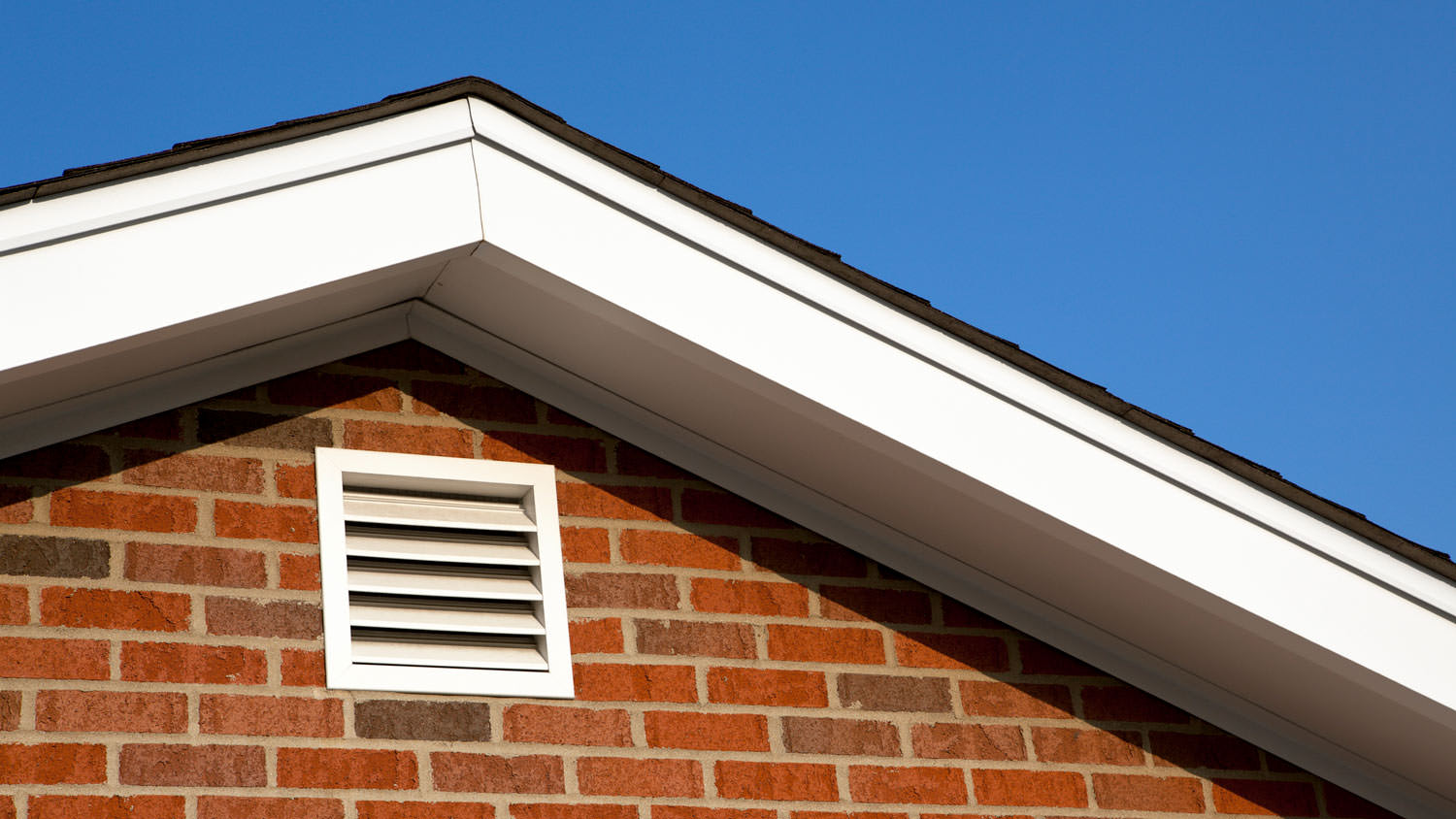
Gable ventilation units are the least expensive option, at $60 to $150 per unit, plus about $70 per hour in labor. They offer an attractive appearance and can be mounted directly on your attic fan. Like box vents, however, gable vents provide only one exit and entry point for airflow, which limits their overall ventilation capacity.
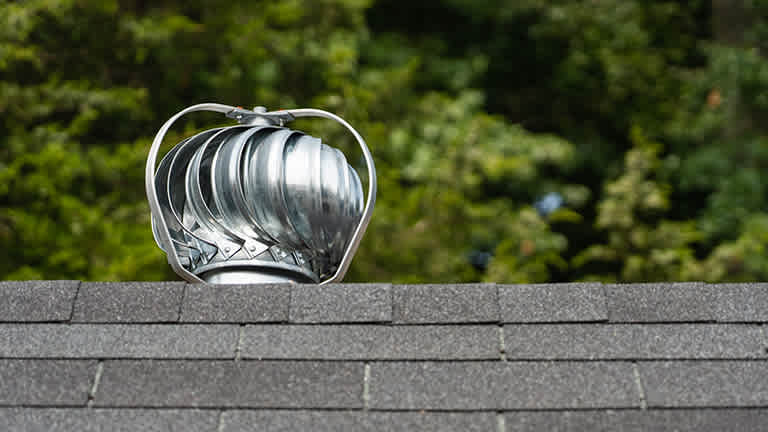
A roof turbine installation costs $65 to $250, including labor and materials, with the units themselves running $20 to $100 each. These vents contain a wind-powered fan that draws air up from the attic and disperses it outdoors. They are an affordable active ventilation option, though you may need several units to adequately ventilate a larger attic space.
Note that wind turbines can be easily damaged by falling debris or rodents and may start to creak with age. Sometimes older units can emit a high-pitched noise. Also, as with box vents, you may need several of them to ventilate an attic space properly, which means more potential leak points.
Working on a roof is extremely dangerous, and you should not consider a DIY job unless you know what you’re doing. A roofer should install a ridge vent, and hiring a roofing repair contractor near you will prevent costly repairs, leaks, or other damage caused by improper installation.
If you have the experience to tackle this project yourself, a few key costs apply before you start. A ladder that can safely reach your roof is essential, and a new one could cost $250 to $350 or more, compared to the $300 to $650 average for professional installation. Ridge vent material is typically priced by four-foot sections at $8 to $12 each, and for metal roofs, straps and connector plugs run about $5 to $6 apiece. Here are the other supplies you will need, along with some ballpark cost estimates:
| Material | Average Cost in 2026 |
|---|---|
| Roofing nails | $10–$15 |
| Roofing screws with neoprene washers | $30 |
| Polyurethane caulk | $8 |
| Hammer | $7 |
| Cat’s paw pry bar or utility bar | $6 |
| Utility knife (hook blade) | $15 |
| Chalk line | $8 |
| Circular saw | $150 |
| Fall protection kit | $120 |
| Total | $354 |
Let's not forget Clark Griswold—working on a roof is extremely dangerous and should not be attempted by DIYers. Hire a roofing repair contractor near you to install a ridge vent and enjoy the peace of mind that comes with knowing the job will be done correctly and safely.
Here are some of the benefits of hiring a roofer for your ridge vent installation:
Roofers use harnesses to help prevent injury in case of a misstep or slip, while most DIYers don't have proper safety equipment on hand.
A pro can make precise, accurate cuts into your roof during the prep stages.
Roof repair experts are knowledgeable about local regulations, ensuring your ridge vent is up to code.
Some roofers offer warranties for materials and workmanship.
Your roofer can complete the job within one to two days.
A professionally installed ridge vent will provide the right amount of ventilation while helping you avoid common issues, such as water leaks and mold growth.
Even if you can't save labor costs by installing a ridge vent as a DIY project, there are still some ways to lower the cost of installation. If you're having other roof work done, ask your roofer if they offer a deal when you add additional installation to the existing project. It's often easier to bundle different kinds of roof work together, since the contractor will already be up the ladder and on the roof.
You can also install your ridge vent during the roofing off-season, when contractors are more likely to have open time in their schedules to fill. Some companies offer a discount for work done during slow seasons.
Some roofers may want to inspect your attic, so ask them ahead of time so you can clear the entryway as needed.
For replacements, clarify the cost of removing the old ridge vent with your pro.
Go over the project timeline and ask if you can save by scheduling during the off-season.
Ask if your roof repair pro handles soffit vent installation in addition to ridge vents.
Home is the most important place on earth, which is why Angi has helped more than 150 million homeowners transform their houses into homes they adore. To help homeowners with their next project, Angi provides readers with the most accurate cost data and upholds strict editorial standards. We extensively research project costs to develop the pricing data you see, so you can make the best decisions for you and your home. We rely on reputable sources, including the U.S. Bureau of Labor Statistics, academic journals, market studies, and interviews with industry experts—all to ensure our prices reflect real-world projects.
Want to help us improve our cost data? Send us a recent project quote to [email protected]. Quotes and personal information will not be shared publicly.
Mitchell and the crew were top tier i am so happy with my new roof
 Home Genius Exteriors
D1 Roofing delivers outstanding service from beginning to end, backed by a strong warranty and expert teams. I highly recommend them for their excellence in meeting and surpassing expectations with unmatched communication. Choosing D1 Roofing was flawless decision
 Division 1 Roofing LLC
This place took $25,000 for a flat roof job with a five-year warranty and never returned to fix the leaks that were caused by their work. These people are not professionals and should not be doing this type of work. They incorrectly changed the pitch of the roof, and caused more damage than...
The technician was very professional and friendly. He answered all my questions and was very thorough. He left the fireplace area very clean . He inspected from the roof and advised me as to other work that might need to be done. There was no pressure there. I was very satisfied with the...
 Supreme brick & chimney
I am really impressed with their timeliness and turnaround. Mitchell came out, and we decided to move forward with their pricing. Our roof was on within a week, and we could not be happier with their team! Amazing company, great prices and honest, dependable craftsmanship. I highly recommend...
 Window Depot USA of Central Ohio
Manuel Calvillo is the best option in the area for roofing and you won't be disappointed.
They damaged multiple items on my property, including a marble slab used as a table top, tried to hide it, and refused to pay or replace. Arrived day one without a ladder to access roof & delayed a day. Left a mess in back yard; didn't wear face masks; no show by owner to property to see damages
 Grants Tree Service
I've hired Gary/Cherokee Roofing for two different homes, work quality, responsiveness, and completion have been great both times. And the prices quoted were very competitive. I would definitely hire again.
Lyle did a great job removing asbestos shingles from our front porch roof. They worked together with our roofer to make sure that the new roof was able to be installed on the same day that Lyle removed the asbestos shingles.
 Lyle Environmental
Bradley Builders did a good job replacing the roof on our front porch. They color-matched the existing shingles on the rest of the house and installed a metal ridge roll since we live in a historical neighborhood. They did the job while we were out of town. When we got back, everything was...
 Bradley Builders, Inc.
From average costs to expert advice, get all the answers you need to get your job done.
Learn all of the factors you need to consider to estimate roof ridge cap replacement costs, whether it’s safe and worthwhile to DIY the work, and more.
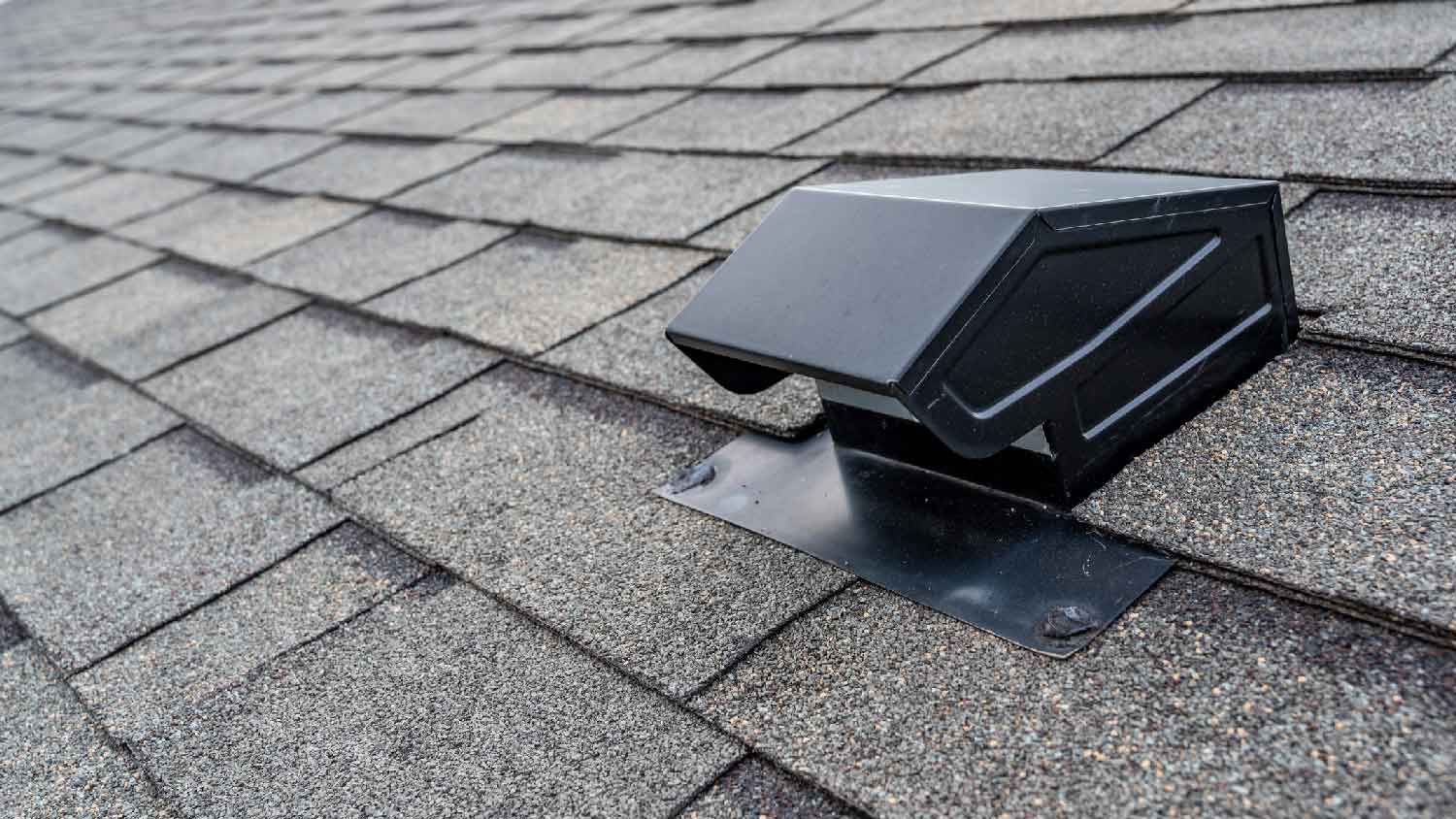
This guide lays out the cost to install a roof vent on your home depending on the type of ventilation that's best for your roof based on several factors.
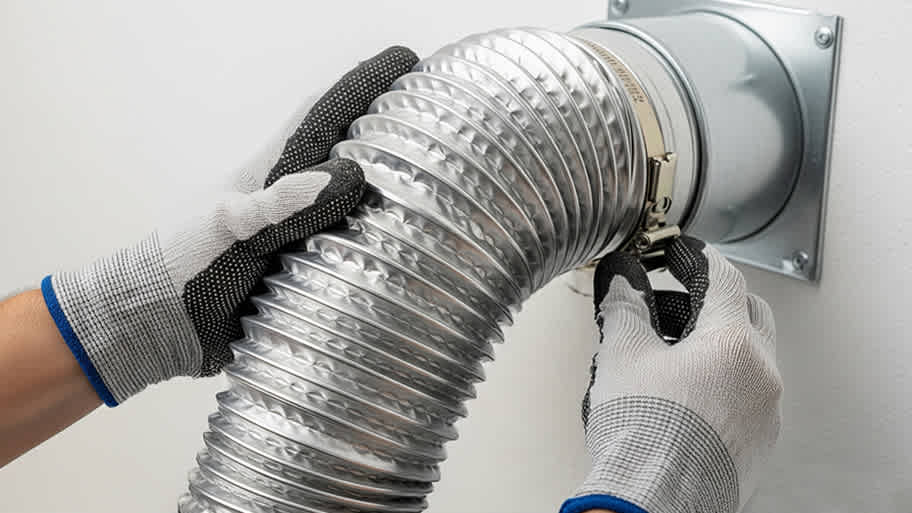
A dryer vent cleaning cost averages about $140 when done by a professional. Read our tips to understand the key cost factors involved in dryer vent cleaning.
Ridge vents and turbines are both great attic ventilation solutions. Learn how they work, how effectively they cool attics, and their various pros and cons.
Can you combine gable vents with ridge vents within the structure of your roof? When it comes to attic ventilation, more exhaust is not always better. We explain why.

Looking for passive airflow for your attic? Weigh the features of two popular types of roof vents—gable vents and ridge vents—to find your best match.