
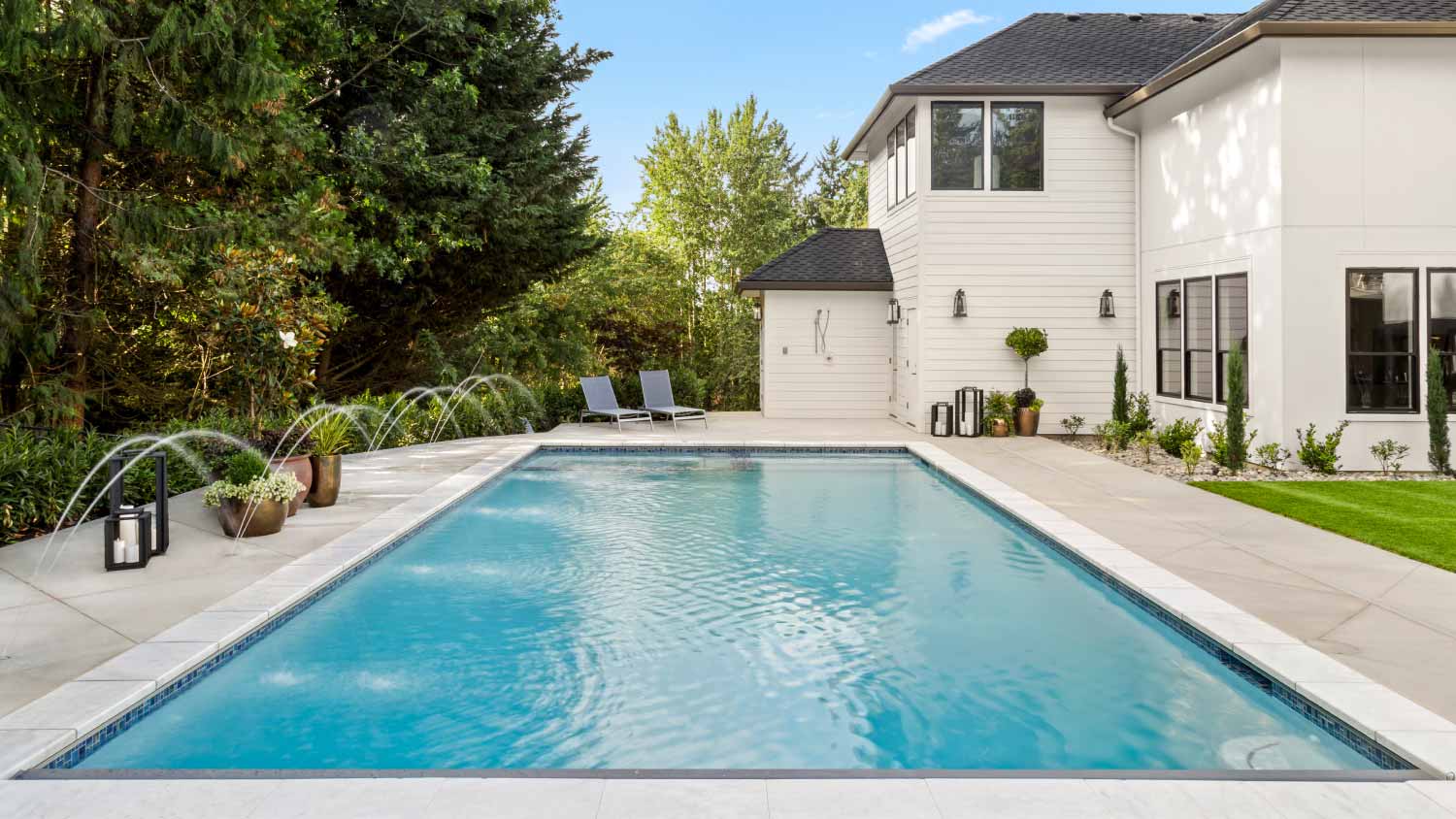
When murky waters and slimy surfaces get in the way of your pool parties, it may be time to consider the cost to acid wash a pool. Refresh your pool by bringing in the pros.
If your pool water is hard to handle, it’s time to soften the situation

High pool water hardness levels above 400 ppm create cloudy water and crusty scale deposits on your pool surfaces, equipment, and piping.
Professional pool maintenance to lower calcium hardness costs $116 to $355 on average, helping you avoid damage from unchecked hard water.
You can lower calcium in your pool by partially draining and refilling with fresh water or using pool flocculant to remove calcium deposits.
Hiring a local pool service professional provides expert chemical balancing and testing equipment, keeping your water clear and your equipment protected.
If you're a pool owner, you already know that your backyard oasis requires the perfect balance of chlorine, pH, and alkaline levels to stay clear and comfortable. When numbers tip and dip, taking a dip without worries becomes impossible because you're stuck with calcium hardness. Luckily, you don't need a chemistry degree to achieve perfect calcium hardness in your pool. This guide to how to lower calcium hardness in a pool does the deep dive for you.
Calcium hardness is the measure of your pool water's "softness" or "hardness." When measuring calcium hardness, you're looking at how much calcium has dissolved in your pool's water. The ideal range for calcium hardness is 200 to 400 parts per million (ppm).
The best practice is to test your pool water's calcium hardness at least once a month. Ideally, you will catch increases in hardness before your pool is damaged by hard water. The first sign of high calcium hardness is a cloudy appearance in your water.
Next, you will notice crusty scale deposits on surfaces in your pool. Finally, pool piping, equipment, and surfaces may become rusty once hard water begins to corrode your pool. If you've been putting off a water softener repair cost, averaging between $200 and $1,000, your formerly balanced pool may be sliding out of the normal range.
Start by giving your pool a thorough cleaning. This should include brushing the walls, vacuuming your pool, and backwashing the filter to clear it of any contaminants. A good cleaning can be as effective as other types of water purification because it addresses external factors that affect even treated water. You should also make sure that your water's alkalinity and pH are in the correct ranges. A pool's pH should be between 7 and 7.6. Alkalinity should be between 80 ppm and 120 ppm.

The steps to lower and raise calcium hardness in a pool are fairly straightforward. However, you should consult your pool manufacturer for specific advice based on whether you have a fiberglass, vinyl, or concrete pool. Here's a look at the steps you can try to raise or lower the calcium levels in your pool quickly.
Softer water makes for smoother swimming. Here are three of the best ways to lower calcium hardness in pools.
One easy tip to try is the "drain and replace" method. Simply partially drain some of the water in your pool. Next, refill your pool to the correct level using fresh water. This tip only works in areas where local tap water is not hard water or if your home has a water softener.
Pool flocculant is a commonly used chemical that helps to lift small particles from pool water. Store-bought pool flocculants work by clumping floating particles together to make them easier to lift from the water. While flocculants are effective for removing dirt, debris, and bacteria from pools, they can also bind calcium sediment together to make it easy to lift calcium deposits from your pool.
Once you've used flocculant to get calcium deposits in your pool to clump, you can use a sand filter to remove excess calcium from the water. To do this most effectively, calculate the amount of sand needed for optimal filtration. If you've brushed your pool walls before treating your pool, the calcium deposits that were clinging to the sides of your pool should now be easy to filter out.
Pool owners should be aware of the fact that flocculant is harmful to filters. Always turn your pump and filter off before using flocculant in your pool. Pools with cartridge-style filters typically aren't compatible with flocculants.
Dry acid for treating pools can be sold under the labels of hydrochloric acid, muriatic acid, or spirits of salt. This colorless solution can help bring a pool's chemical composition back into balance. However, acid treatment is considered a last resort because it requires pool owners to handle chemicals.
If you’ve tried other methods and haven’t been able to lower your pool’s calcium levels and aren’t comfortable using chemicals on your own, you can call a pro to do it for you.
While too much calcium can cause scale buildup, too little can be just as problematic. Low calcium levels can create corrosive water that eats away at pool surfaces, etches plaster, weakens grout, and damages metal components. Fortunately, raising calcium levels is easier than lowering them. If your pool’s calcium hardness levels fall below the recommended 200 to 400 ppm range, here’s how to bring them back up:
The easiest, most effective way to raise calcium hardness is by adding calcium chloride to the pool. Follow the manufacturer’s instructions carefully. Most recommend dissolving calcium chloride in a bucket of water before slowly pouring it around the perimeter of the pool water.
If the water you use to fill your pool is soft, or naturally low in calcium, consider using a different water source that has a higher mineral content when you top off your pool. This will help stabilize calcium levels.
Frequent or heavy rain can dilute pool water and lower calcium levels. Keep an eye on pool chemistry after storms and adjust your pool water hardness as needed. To prevent dilution, use a pool cover when you expect it to rain.
Regularly monitoring and adjusting your pool’s pH levels and alkalinity will prevent calcium depletion and help the water stay balanced.


Staying in tune with your pool is the best way to avoid runaway calcium hardness. Fortunately, all of the basic steps that keep pools safe and healthy also help keep calcium hardness in check. Your checklist for preventing damage from hard water in your pool includes these tips:
Routinely cleaning your pool
Looking for clumps or buildup
Carefully monitoring pool chemistry
Testing water hardness at least once a month using strips or a test kit
Finally, get in the habit of addressing problems early. Hard water isn't usually a big problem—as long as you can detect problematic calcium levels before rust and corrosion begin. Take action as soon as you see numbers shifting toward the upper limit of the "good" range. If you're overwhelmed by the task of cleaning and testing your pool regularly, consider hiring a pool maintenance company to manage your pool's cleanliness and chemistry for you.
Common signs of chemical issues in pools include cloudy water, algae growth, irritation after swimming, and a strong chlorine odor. If you experience any of these, talk to a pool contractor.

Learning how to reduce calcium hardness in a pool is something that most pool owners can tackle. However, you may be unsure when it comes to handling pool chemicals. Local pool services can offer ongoing or emergency calcium hardness management.
If you’re good people wanting to do business with good people, hire Matt. He is a consummate professional and utterly competent. He installed a water heater in my home at a price that beat competitors by hundreds of dollars with a promise to support the unit for its life (even after its 6 yr...
 Greene's Plumbing Services
Joseph did a great job with the staircase and trim. Timely and efficient, clear communication about the work, very fair pricing. For the stairs in particular, done very skillfully in an old house (1893) in a tight spiral, and very creative with how to do the handrail. Did a nice job with...
 Vouis Trim Carpentry L.L.C.
This company does it right. Firstly, I want to say that Landan was a joy to work with. He was so kind, transparent, and had everything under control. His entire team showed up ready to work and they were all very respectful of the fact that we were in an office space. A little backstory – we...
 Krumlauf Floors
Professional Team, smooth to communication chain and schedule flexibility. Follows proper construction procedure and completes task on time.
 Pegasus Concrete
Very professional, knowledgeable and helpful! Completed the install on time and as expected.
 Ward's Services
Cole has been handling plumbing and general contracting for our four properties over the past three years, and he’s always done a great job. Most recently, he installed a sink and countertop in our retail store where none existed before, and it turned out exactly how we needed. He’s...
 ANB Renovations LLC
Excellent, Prompt, Courteous Service!!! They were super friendly and quite personable. I felt very comfortable with the gentlemen that did the installation. They installed it exactly where I asked them to and they did an excellent job!! I loved their service so much.
 Tether House
I hired windows depot USA of central to install new windows in house in Oshawa. Ilya was very professional from the start, not only did he offered a great price, he also made sure the installation was on time. I am very satisfied with final outcome. The windows look great and the overall...
 Window Depot USA of Central Ohio
The guys did an outstanding job and we had a great experience with CarifaTile. I appreciated that Joe reviewed the quotes with me and set expectations prior to the install. The crews showed up as scheduled and always left the areas clean upon leaving the house. We will definitely use...
 CarifaTile
Did an amazing job transforming my yard. Also installed sod in places, would recommend to everyone.
 Cardinal Landscaping & Construction LLC
From average costs to expert advice, get all the answers you need to get your job done.
When murky waters and slimy surfaces get in the way of your pool parties, it may be time to consider the cost to acid wash a pool. Refresh your pool by bringing in the pros.
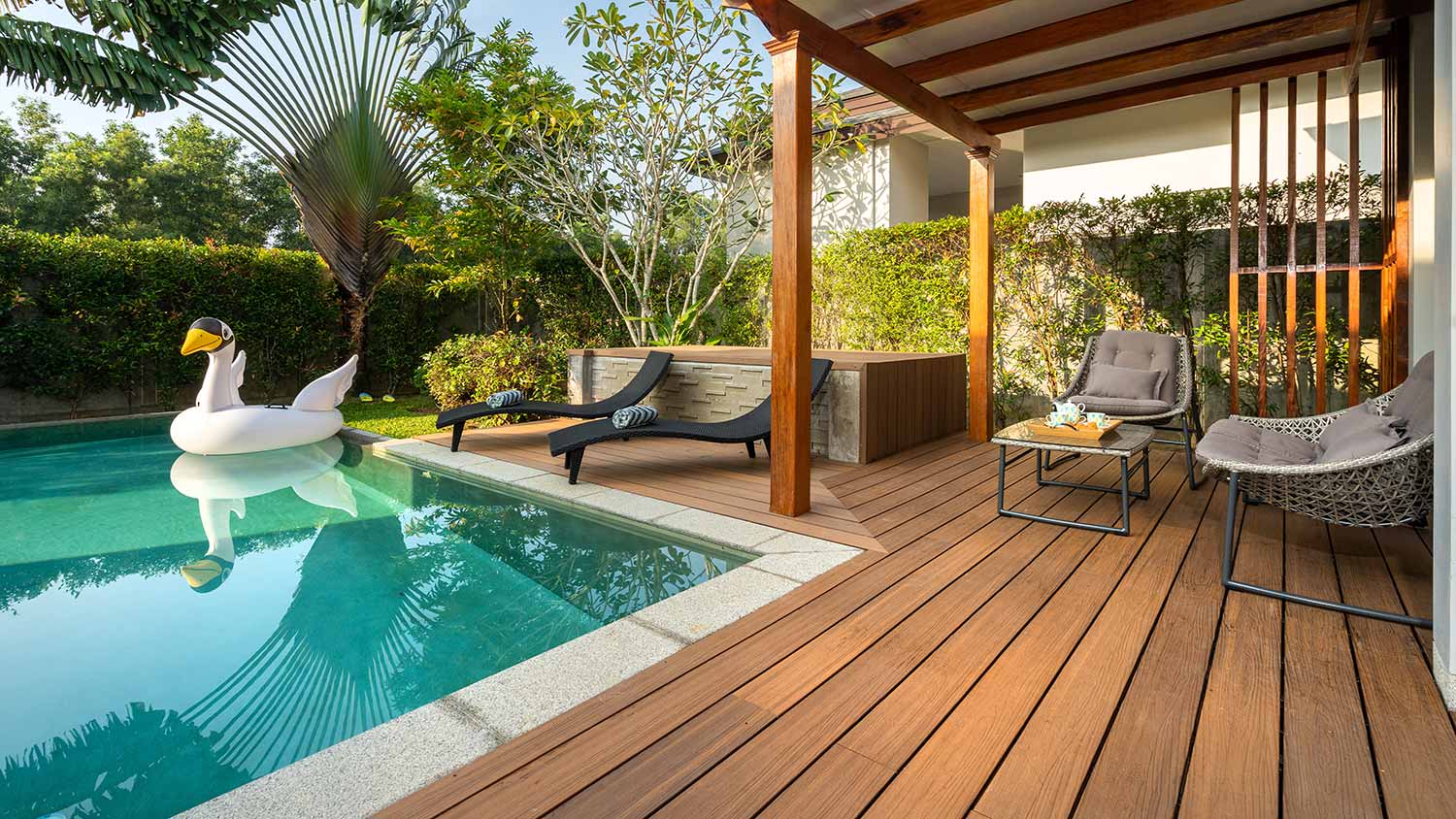
Saltwater pool maintenance is simpler than chlorine pool maintenance, but there is still work to be done. This guide will walk you through it.
Why does high pH in a pool matter, and how can you fix it? Learn how to lower pH in pools, so you can get back to swimming in no time at all.
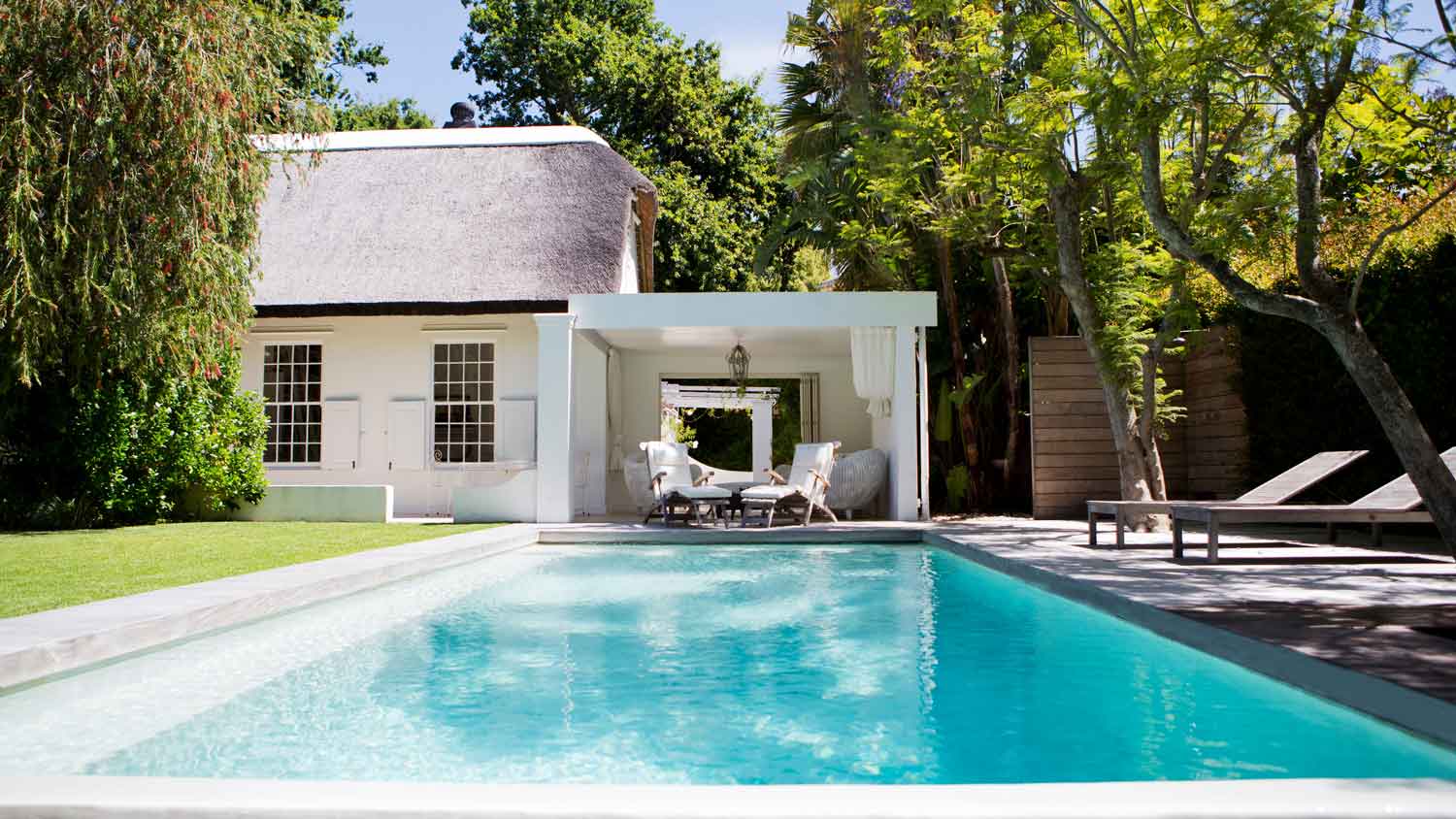
When a murky mess interrupts your morning laps, you need to know how to clear cloudy pool water fast. These top cloudy water fixes will keep you afloat.
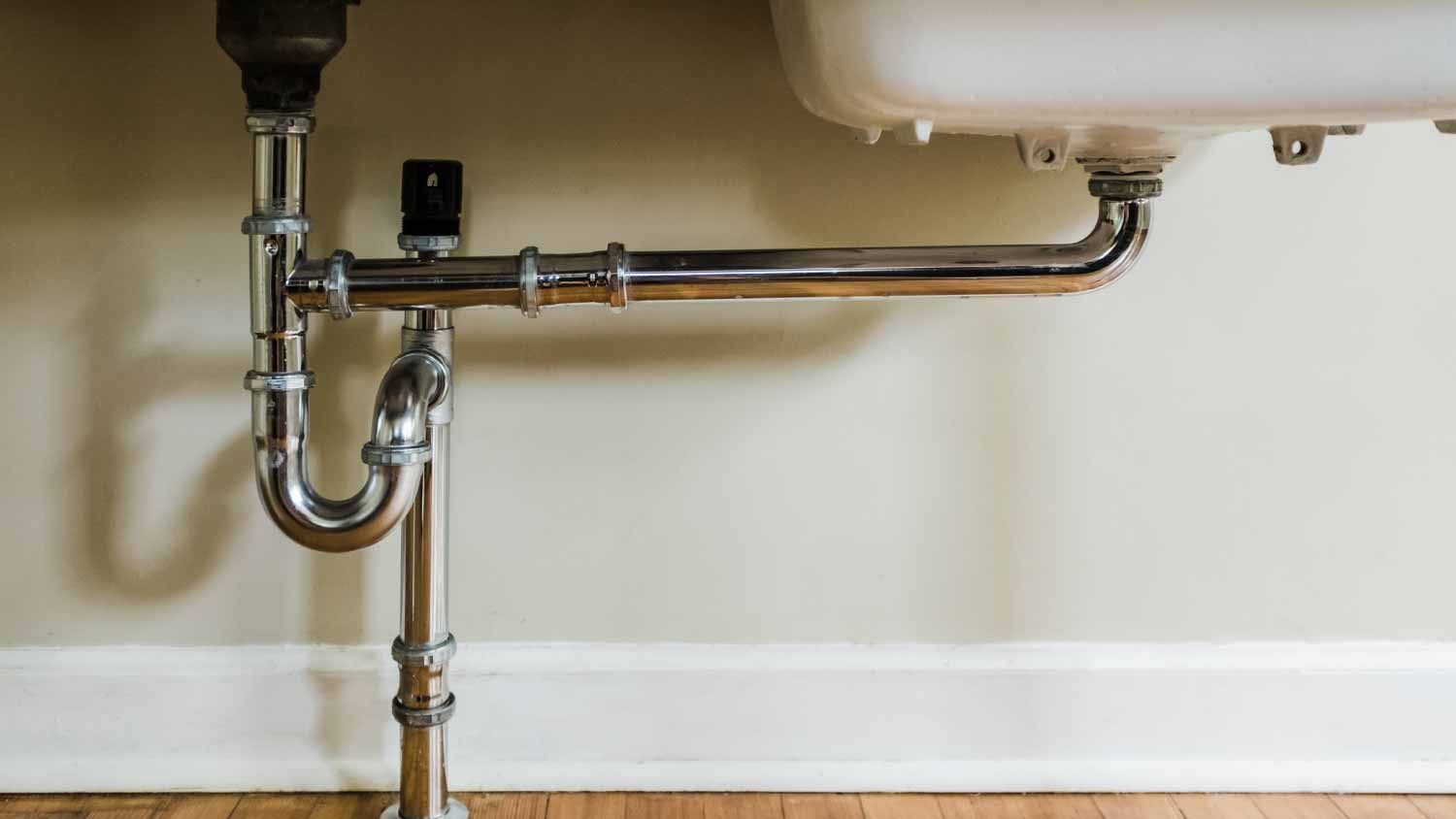
If you're worried that calcium buildup is causing your pipes to corrode, you need to learn about DIY and professional ways to remove calcium buildup in pipes before something major happens.
Shocking a pool destroys contaminants, algae, and bacteria and helps pools stay cleaner. Here are four types of pool shock to sanitize your home pool.