

The cost to rip up carpets and install laminate depends on factors like labor prices, materials, and location. Use this guide to get a detailed cost overview.
Laminate vs. veneer? Either way, you can get the look of wood flooring on a budget


Veneer flooring uses a thin slice of real wood over particle board, while laminate relies on artificial materials with a printed wood image.
Veneer flooring costs $5 to $16 per square foot, compared to $4 to $11 for laminate flooring materials.
Laminate flooring resists scratches and water better than veneer, making it more durable for high-traffic areas in your home.
Hiring a local flooring company provides helpful guidance on material selection and professional installation, keeping your project on track and your floors looking great.
Laminate and veneer can be found on everything from flooring to furniture to cabinetry, but it is not always obvious which option is the better one. Though they can be similar in appearance, there are a lot of things that set these two types of decorative and protective coatings apart, from how well they stand the test of time to how much they cost upfront.
This guide will help you determine whether veneer or laminate is right for your home, depending on factors like budget, personal preference, durability, eco-friendliness, and more.
Wood veneer is a thin slice of real, natural wood affixed to a core material, like particle board or plywood. Wood veneer products are less expensive than hardwoods. Veneer is still real wood, but only the top slice—usually measuring about 1/40 of an inch in thickness—is hardwood. You can buy engineered wood veneer, also known as reconstituted wood veneer, which is a fabricated veneer formed out of natural wood fibers that have been softened, mashed together, and formed into a hardwood-like veneer surface.

Veneer, also called wood veneer, is a thin layer of hardwood that is used to cover furniture, flooring, and the like. One major upside is that it can look almost identical to hardwood—because the surface of it is—but at a fraction of the usual cost. On the other hand, it is much easier to damage than true hardwood flooring because the actual hardwood is very thin and usually covers a weaker layer underneath.
Looks like real wood at a lower price point: Objects made with wood veneer can be half the cost of hardwood. On average, you will pay between $5–$16 per square foot of veneer flooring, whereas installing hardwood floors can cost anywhere from $6–$25 per square foot.
Sustainably made: Believe it or not, wood veneer is more sustainable than both hardwood and laminate. Unlike hardwood objects that, though beautiful, use a lot of logs, wood veneer is made from wood layers that are so thin, a single log can produce hundreds. Plus, everything is biodegradable, unlike laminate (which relies on artificial and sometimes toxic materials like resin).
Easy to repair: Small scratches and dents on wood veneer may happen frequently, but they are easy to fix with a bit of sandpaper and a couple common household items. Though you will want to avoid using electric sanders because they can destroy the thin layer of veneer, you can buff out minor damages with a piece of sandpaper and a gentle rubbing motion. Then just use a cleaning solution of dish soap and warm water to remove any scuffs.
Expect a bigger ROI: Since veneer floors look more like real wood and are often slightly more expensive to install than laminates, they can give you a bigger return on your investment. If the floors are high-quality veneer, were installed professionally, and look good, they may pay for themselves.
Luxury woods at a bargain price: Veneer can take the place of exotic wood, slow-growth, or endangered wood. Made to look just like these expensive and hard-to-find products, veneer can give a luxury look without using endangered or limited resources.
Upgrades are available: You can buy thick-veneer flooring that has a thicker layer of real wood on top. While it costs more than traditional wood veneer flooring, it is likely to last longer and wear better. In some cases, you may even be able to refinish it once or twice.
“One look we like is called veneer edge banding, which is a thin strip of veneer that covers the edge of plywood or composite wood,” says Bob Tschudi, Expert Review Board Member and general contractor in Raleigh, NC. “It’s easy to apply with a regular clothes iron and it really gives an improved look to the shelf or cabinet.”
Easy to damage: Because wood veneer is so thin, it is much more likely to get damaged than hardwood, laminate, or other types of flooring. This option may not be best for high-traffic areas or heavily used elements of your home, like kitchen flooring or cabinetry. But it is ideal for furnishings that will not see a lot of action, like entertainment systems and nightstands.
Fewer styles: At the end of the day, wood veneer is still a form of wood, which means that it can basically only ever look like wood. Fortunately, wood veneer is easy to customize because you can treat it in almost the same way you would hardwood. Try adding a new stain to an old veneer table, paint a veneer nightstand to make it fit your new decor, or refinish a veneer bookshelf that has seen better days.
Requires more maintenance: Wood veneer can stand the test of time, but it needs a lot of TLC to get there. In general, it is advised to repair or remove any damages like cracks, scuffs, or dents as soon as you notice them. And wipe them down with a gentle cleaning solution or wood cleaner every week or two to ensure they look great for years to come.
Does not last as long as other flooring types: If you are considering replacing existing floors, the cost to refinish hardwood floors may be more than installing new wood veneer flooring, but hardwoods will last longer. For budget flooring that can have a longer lifespan and require less maintenance and care, consider installing linoleum flooring; however, it will not look like wood.
Laminate flooring is a three-layered flooring option that looks like solid wood. Laminate boards are made with a particle board or compressed wood base set under an image layer topped with a clear protective layer. It is usually more affordable than solid and engineered hardwood, which is similar to laminate in that it has a manufactured core, but is covered in a thin real-wood veneer; it is easy to care for and still gives homes the look of natural wood flooring.

Because laminate flooring is not made of real wood, it has unique pros and cons you should consider before you make a purchase.
Affordable: If you are looking for a way to update your flooring or furniture on a budget, laminate might be the best option for you. For example, laminate flooring costs from $4 to $11 per square foot on average, which is significantly less than wood veneer alternatives.
Huge variety of styles: Because laminate is made from highly adaptable artificial materials like resin, it can take many shapes and forms. From marble to wood, there is almost no material that laminate cannot successfully imitate, making it a top choice for everything from flooring to laminate countertops.
Durable and easy to care for: Unlike natural wood, the materials used to make laminate do not falter under pressure. Objects made with laminate are resistant to scratches, water, and heat. They are ideal for heavy traffic areas and well-suited to spots where the temperature regularly fluctuates, like in the kitchen. In addition to all that, laminate is also much easier to clean and maintain than wood veneer (as long as you have the right materials).
“Laminate is thinner than solid wood flooring, so it’s easier to install,” Tschudi says. “There are so many great laminate products available. We recently had a client who replaced existing solid oak flooring with laminate—they had several pets and wanted a scratch-resistant surface.”
Requires special cleaning materials: One of the major downsides of laminate is that it cannot be cleaned with just anything. Oil-based cleaners may leave streaks, and bleach-based solutions may damage the outer laminate layer. When in doubt, use a vinegar-based solution for the best results.
Difficult to repair: Unlike veneer, which can easily be repaired with some light sanding, laminate requires special repair kits and materials to look as good as it once did.
Not eco-friendly: Laminate is made with materials that do not naturally break down, so this option is not the most sustainable.
Not a great fit for basements and below-grade rooms: Laminate flooring is not compatible with damp areas, since it can bubble and peel. When choosing flooring for basements and other rooms below ground level, you may want to consider epoxy floor ideas, concrete flooring, linoleum, or other floors that stand up better to moisture.
Now that you know a bit more about each option, let’s compare the two to determine which is best overall for your needs.
| Veneer | Laminate |
|---|---|
| Sustainable | Can look like wood, marble, tile, etc. |
| Easy to repair | Durable |
| Looks like real hardwood | Easy to care for |
| Luxury wood looks at affordable prices | Most affordable wood substitute |
Whether or not you find laminate or veneer attractive comes down to your personal preference. Although laminate does a fairly good job of imitating other materials, it does have an artificial look to it. On the other hand, wood veneer can sometimes be indistinguishable from real wood.
Most visually appealing: Veneer
Because laminate is typically made from a highly adaptable material like plastic, it can be transformed into just about any style and texture. While wood veneer can only ever really look like wood, laminate can appear to be marble, tile, and, yes, even wood!
Most customizable: Laminate
Although wood veneer may look like wood, it is not as strong as the real stuff. On the other hand, laminate countertops can handle the heat of a pan straight from the oven, or moisture from a long, hot shower, so it takes the prize in this category.
Most durable: Laminate
While more affordable than real wood, veneer is still pricier than laminate. For flooring, veneer costs $5 to $16 per square foot on average, compared to $4 to $11 per square foot for the latter.
Most affordable: Laminate
Veneer may damage more easily than laminate, but fortunately it is also easier to repair. Unlike laminate, no special kits are required—just some sandpaper and your time!
Easiest to repair: Veneer
Veneer wins this round for relying on such a small amount of wood and using exclusively biodegradable materials.
Most sustainable: Veneer
Ultimately, whether laminate or wood veneer is best for your space depends on your needs, priorities, and budget. By learning all you can about the differences between the two options and the pros and cons of both, you should be able to determine which is the best fit for your home, your lifestyle, and your wallet.
You may also want to talk with local flooring companies about their recommendations and take time to see and experience for yourself the products they offer.
For more clarity, ask yourself the following questions:
What is my budget?
Do I prefer the look of real wood, or is laminate close enough?
Do I have pets or a high-traffic home that needs more durable flooring?
How much maintenance am I willing to do?
Is eco-friendliness important to me?
Do I want a more modern or traditional look?
Knowing your goals and needs and which flooring option ticks the most boxes can be the best way to decide.
If you’re good people wanting to do business with good people, hire Matt. He is a consummate professional and utterly competent. He installed a water heater in my home at a price that beat competitors by hundreds of dollars with a promise to support the unit for its life (even after its 6 yr...
 Greene's Plumbing Services
Joseph did a great job with the staircase and trim. Timely and efficient, clear communication about the work, very fair pricing. For the stairs in particular, done very skillfully in an old house (1893) in a tight spiral, and very creative with how to do the handrail. Did a nice job with...
 Vouis Trim Carpentry L.L.C.
This company does it right. Firstly, I want to say that Landan was a joy to work with. He was so kind, transparent, and had everything under control. His entire team showed up ready to work and they were all very respectful of the fact that we were in an office space. A little backstory – we...
 Krumlauf Floors
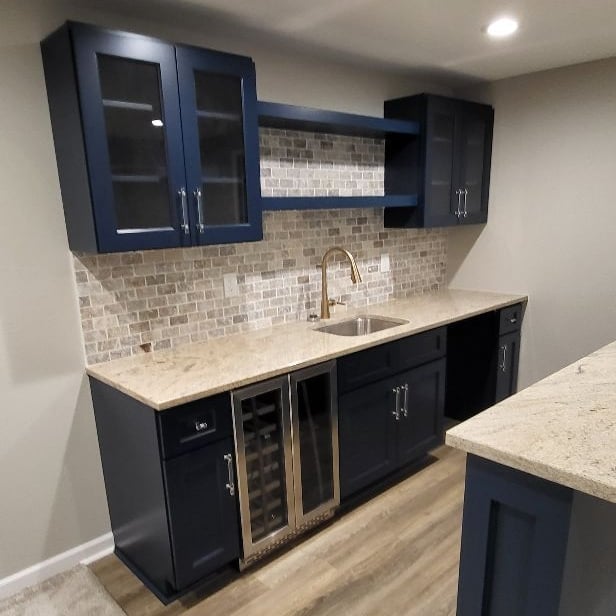
Finished Basements Plus was wonderful from beginning to end! First, they came out quickly for an estimate. I had 4 estimates and theirs was by far the best. (2 of the estimates were more than $20K higher than for the exact same work). Beyond their fair pricing, the work was excellent. They...
 Finished Basements Plus Inc.
Very professional, knowledgeable and helpful! Completed the install on time and as expected.
 Ward's Services
Cole has been handling plumbing and general contracting for our four properties over the past three years, and he’s always done a great job. Most recently, he installed a sink and countertop in our retail store where none existed before, and it turned out exactly how we needed. He’s...
 ANB Renovations LLC
Excellent, Prompt, Courteous Service!!! They were super friendly and quite personable. I felt very comfortable with the gentlemen that did the installation. They installed it exactly where I asked them to and they did an excellent job!! I loved their service so much.
 Tether House
Window Depot did an amazing job installing the windows in my basement! The process from start to finish was by far more than what I expected. I would highly recommend Window Depot if you want professionalism from the the consultation to the installation. Dont settle for mediocre when you can...
 Window Depot USA of Central Ohio
AFS was excellent from start to finish. Jess, the sales associate, was fantastic...very knowledgeable and very professional. The installation crew was excellent. I couldn't be more pleased with the process. Best of all, my new floor looks fantastic!
 America's Floor Source
We were having 2”x 2” tile installed . There was a small installation error and the new additional replacement tile was from a different lot and the colors didn’t match. Joe assured us that he would rectify everything , which he did without hesitation. We decided to go with the 18” x 36” tile...
 CarifaTile
From average costs to expert advice, get all the answers you need to get your job done.
The cost to rip up carpets and install laminate depends on factors like labor prices, materials, and location. Use this guide to get a detailed cost overview.

Discover the cost of installing laminate countertops, including how their size, material, and finish impact your total price.

If your laminate is damaged, it’s time for repairs or replacement. This guide will show you everything you need to know about laminate floor repair costs.

Trying to decide between brick veneer vs brick for your new home build? Keep reading to learn the differences between these two materials.
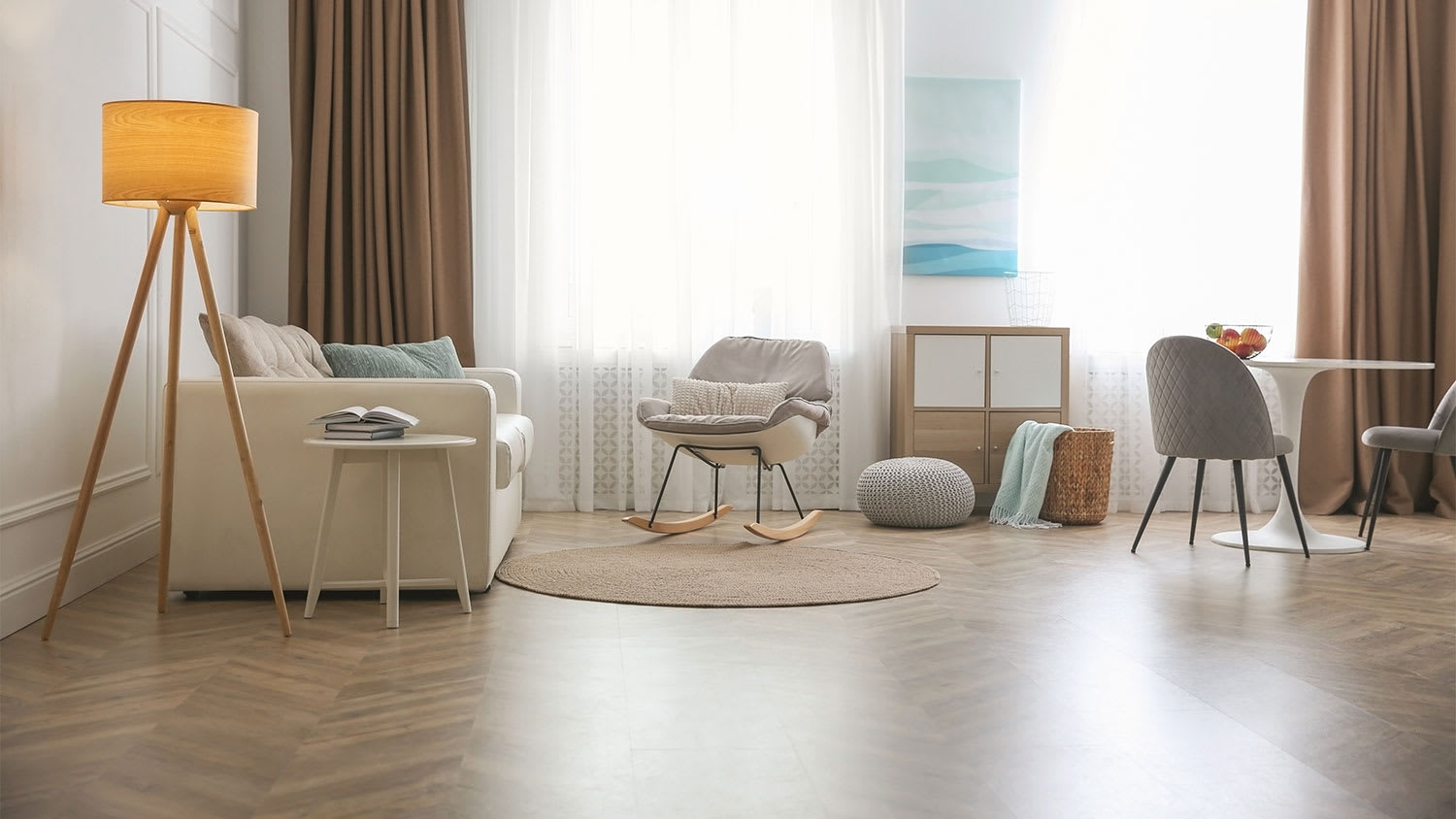
We compare linoleum and laminate, unveiling a charismatic clash between classic resilience and modern versatility. Which flooring suits your style?
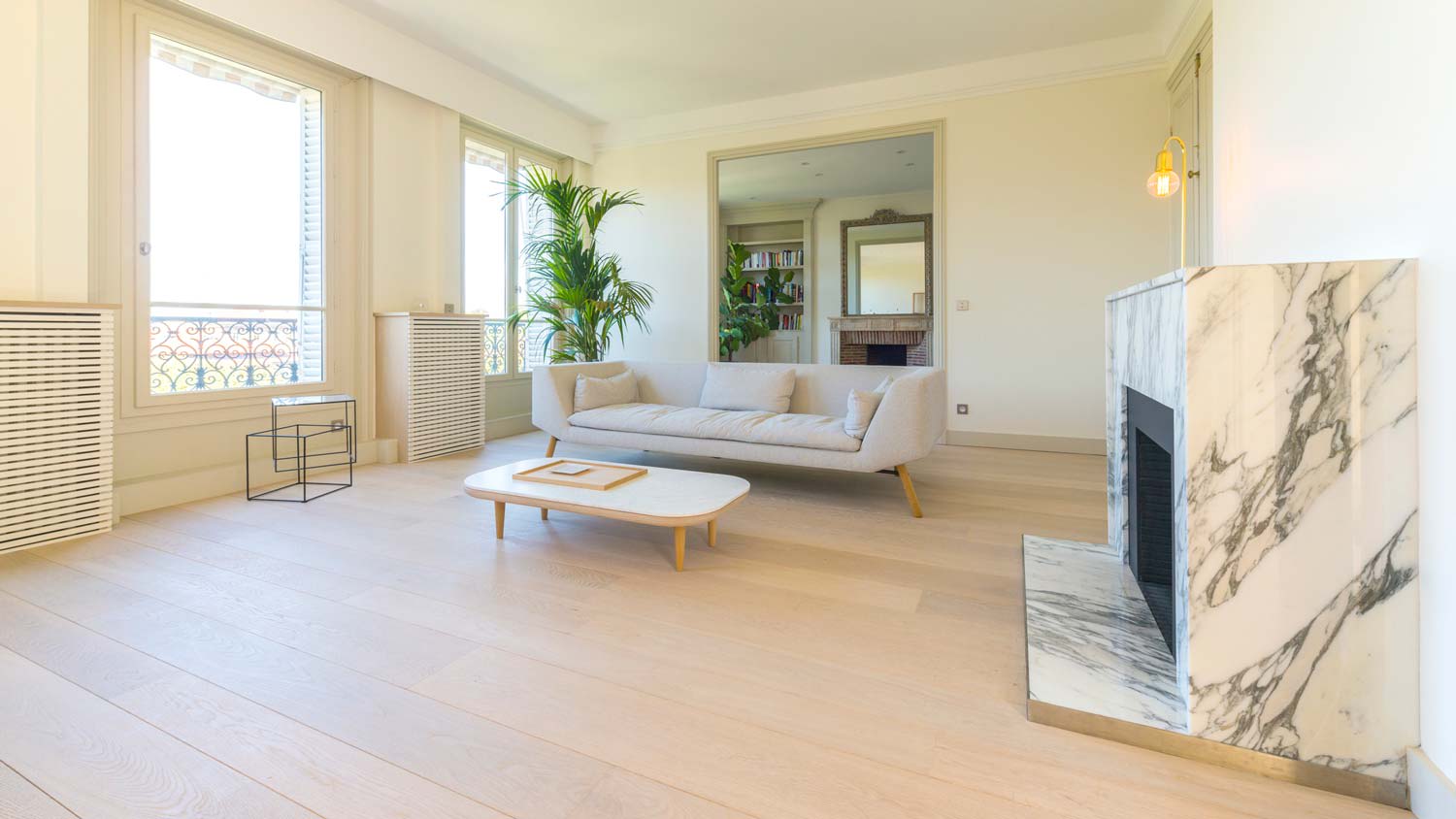
Deciding between carpet and laminate can be a difficult decision. Your choice will depend on the room where it is being installed and the desired look.