
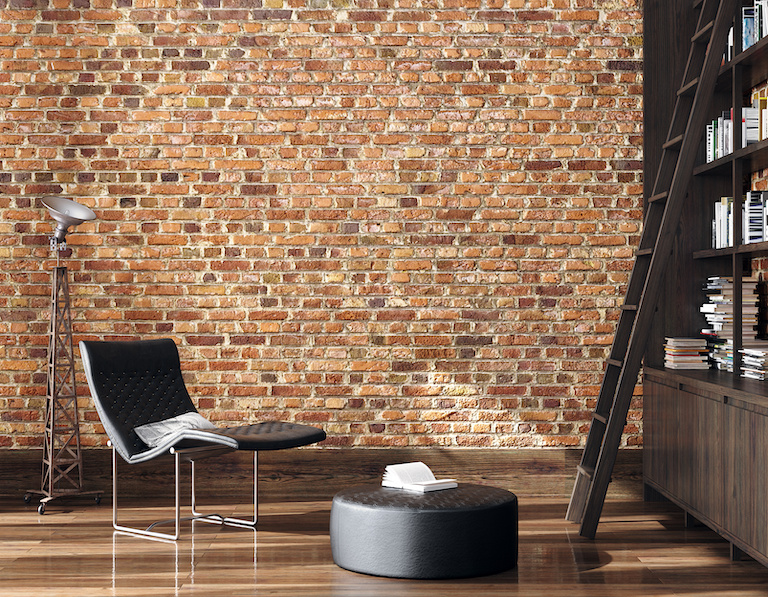
Brick walls can add character and elegance to interior and exterior spaces. Use this brick wall cost guide to see the price range for adding one to your home.
If you’re having trouble deciding between brick masonry and brick veneer for your home, we can help you understand the most important distinctions

Brick veneer uses one layer of real brick over a wood or steel frame, while solid brick construction stacks multiple layers of masonry for your home's structure.
Brick veneer costs $5 to $12 per square foot, while solid brick masonry costs $9 to $20 per square foot for materials and installation.
Brick veneer offers better insulation and energy efficiency for your home, while solid brick provides superior durability and can last for hundreds of years.
Hiring a local stone veneer company provides helpful guidance on installation and material selection, keeping your exterior project on track with proper technique.
If you’re on the market for a brick house today, one of the first things you’ll have to consider is the difference between the brick veneer vs. brick siding. Brick houses are attractive and elegant, sustainable, and, as the classic song reminds us, mighty, mighty durable. Brick veneer homes use a layer of brick to cover a wood or steel frame, while maintaining the classic brick look.
Let’s compare brick veneer vs brick across every significant factor so that you can make an informed choice as you weigh the pros and cons of a brick home.
The primary difference between these two siding options is that brick veneer features one layer of wood or steel overlaid with a brick layer, while brick homes are only made of that material. A brick veneer doesn’t provide structural support—it only provides the aesthetic appearance of brick to a home’s exterior.

Brick masonry—also called solid masonry, double brick, or brick and block—is one of the oldest building construction styles in human history. Until the mid-20th century, it was one of the most common types of homes in North America.
Brick homes built today consist of masonry walls stacked in at least two layers, which are called wythes. The outer wythe is always brick, but since the inner wythe is not visible, it is often built with less expensive concrete or cinder blocks (which is why “double brick” isn’t the most accurate title). To keep the two wythes held together, the outer wall features a pattern of header bricks stacked sideways to bridge the two layers—though you can also accomplish the task with wires that are not visible from the exterior.
Many older brick homes include additional wythes; in some of those built before the 20th century, the whole wall is up to 20 inches thick.
| Pros | Cons |
|---|---|
| Highly durable | High upfront cost |
| Fire, rot, and pest resistant | Difficult to repair and replace |
| Low maintenance | Poorly insulated |
| Sustainable material |
There are very good reasons that people have been building brick masonry homes and refining the process over millennia. It worked out for the most diligent of the Three Little Pigs, after all. Let’s take a close look at some benefits of solid brick.
Brick masonry is extraordinarily sturdy and, if properly installed and well-maintained, it can last for hundreds of years.
Solid masonry's durability protects against many different elements. Its foundation is very sturdy, standing up to earthquakes better than many other options. Bricks are not susceptible to rot and are very difficult for pests to damage.
Even better, bricks totally resist fire, acting as a non-combustible flame retardant that will generally contain the blaze to a single room.
Additionally, brick masonry performs better than most construction styles against strong winds and other kinds of weather damage. Depending on your provider, brick masonry’s resilience may result in lower home insurance bills.
For the same reasons they are difficult to damage, brick houses are also easy to maintain. To keep your brick home well-maintained, you will need to regularly inspect the mortar and pressure wash the exterior every so often. Fortunately, this is much less involved than the regular upkeep required of homes built from other materials or even brick veneer siding itself.
Brick homes are also eco-friendly, produced from abundant natural materials that are easy to recycle when torn down.
For all of those advantages, there are also good reasons why very few new brick masonry houses are constructed in North America today. These are some of the disadvantages of solid brick worth keeping in mind.
The first downside that immediately confronts anyone considering building a brick masonry home is the prohibitively high cost, especially once you factor in the cost of a foundation. Brick is much higher in cost than wood or vinyl, and repairs are also more expensive.
If you’re considering a brick masonry house today, though, you will almost certainly be buying an older home. Revitalizing masonry and brick in a historic home can be costly and require a certain expertise. Hiring a local mason to fix a bowing brick wall will cost $7,500 to $40,000 for 100 square feet. Major repairs on a cracked foundation can run anywhere between $2,500 and $10,000 or more. Though you should only have to repoint the mortar every 20 to 30 years, the average homeowner pays $8 per square foot to do so.
Any renovations to the exterior of your house will also be more difficult with brick masonry compared to other styles. It isn’t often easy to find bricks that exactly match those that make up the rest of your house—and the costs of adding windows or new plumbing and wiring will be higher than with other types of homes.
Perhaps most importantly, older brick masonry homes are often poorly insulated by today’s standards. While bricks are energy efficient, they are highly porous, allowing moisture to seep in, potentially making the house cold and dank. You can add forms of insulation to improve a brick masonry building’s insulation performance, but the problem is most effectively addressed by brick veneer.
So, exactly what is brick veneer? While the word “veneer” suggests to many that brick veneer homes have a thin layer of brick shard or some kind of pseudo-brick material, this isn’t accurate. Brick veneer homes have an outer wythe of real brick masonry.
When it comes to brick vs brick veneer, the difference with veneer is that instead of a second layer of masonry, behind the first wythe lies a gap and then a structure built from another material, often wood. In other words, the brick is something more like siding in a brick veneer home, but the exterior appearance is nearly identical to a solid brick home. During the last 50 years, brick veneer overtook brick masonry as the most common form of a new-build brick home.
| Pros of Brick Veneer | Cons of Brick Veneer |
|---|---|
| Modern insulation | Prone to cracking |
| Not prone to leaks | Not fire, pest, or rot resistant |
| Energy efficient | Difficult to maintain |
| Cost effective |
The increasing prevalence of brick veneer is owed largely to the expansion of building codes for insulation. Here are some of the most helpful advantages associated with brick veneer.

Brick masonry is highly porous, allowing moisture to pass through the walls fairly easily. Brick veneer solves the problem in two ways. First, the cavity between the brick wythe and the building material creates space for air that itself acts as a powerful insulator—and the cavity can, of course, be filled with additional insulation materials, heightening the effect. Secondly, it allows for the home to have a more insulating material without forfeiting the appeal of a brick exterior.
That cavity also allows for enhanced waterproofing. While brick is a great shield against most of the elements, it is susceptible to leaks. Brick veneer homes usually have a set of weep holes that line the base of the cavity and allow water to drain out. The weep holes also allow another wind current into the cavity, which mitigates the amount of rain that can leak in.
Bricks are highly energy-efficient, with nearly double the heat capacity of wood. While in a brick masonry home, this advantage can be wiped away with a lack of insulation and moisture leakage, the innovation of brick veneer puts this efficiency to work.
A brick veneer home is also significantly less expensive to construct than a brick masonry home; adding it to a 2,500 square foot home costs between $20,000 and $70,000. Unlike a house with a brick foundation, you can also do this as an advanced DIY job—but experts suggest that you need at least 50 hours of masonry experience before attempting it.
Brick veneer does not, however, magically reproduce all the advantages of brick masonry while eliminating the disadvantages.
One wythe of brick veneer is far less durable than a brick masonry home and can more easily crack.
Alongside being prone to cracking, if your house is made of wood, you still face the usual threats from fire, pests, rot, and natural disasters.
Brick veneer also requires additional maintenance compared to brick masonry. In addition to the duties and costs imposed by the mortar, you must regularly inspect and unclog the weep holes, annually check the caulk joints that connect the veneer to your home, and remove invasive plant growth.
Your choice of brick masonry or brick veneer will depend on your priorities, budget, and lifestyle. If you’re unsure which option is right for you, you can always consult a stone veneer professional near you. In the meantime, here are a few major considerations in the brick vs. brick veneer showdown.
Only the most discerning eye will be able to tell the difference between the two from the outside by looking at the pattern on the header bricks. So, brick and brick veneer have the same exterior appearance, achieving the same aesthetic in different ways.

For both brick masonry and brick veneer, your ability to alter the appearance will be limited. Brick generally comes in red, brown, beige, or white, determined by the composition of materials and the temperature at which they’re heated. You can paint this material, but this is a detailed and expensive process. The same limitations apply to both masonry and veneer.
If durability is your primary concern, you should opt for brick masonry without question. You’d be hard-pressed to find another building material that lasts as long and remains as sturdy. The durability of a brick veneer home will depend largely on the material with which the home is built—and the single wythe is more susceptible to earthquakes and other environmental factors than a solid brick structure with at least two wythes.
On the other hand, if keeping costs down is the priority, your best choice will be brick veneer. Brick veneer typically costs $5 to $12 per square foot, while solid brick masonry costs $9 to $20 per square foot. For brick masonry, you may need 8,000 bricks at a cost between $350 and $900 per thousand—and that’s before you even factor in the additional costs of the foundation and hiring a mason.
Brick masonry’s poor performance as an insulator, due to its high thermal transfer rate, is a major factor in the appeal of brick veneer, which offers the same look with significantly better energy efficiency.
If you want to build a brick masonry home, you’re going to need to hire an experienced mason. The technical requirements and know-how required to build a brick foundation are beyond the reach of even the most confident DIY-er.
Paying to install a brick veneer wall will be significantly less expensive—and though by no means an easy job, a determined and handy homeowner can do it on their own if they have masonry experience.
Whether you’ve got brick masonry or brick veneer, you’ll enjoy the material’s color retention and resistance to the elements. Both will require occasional power washing to keep looking fresh, as well as repairs to chipped and loose bricks. The additional components required by brick veneer—namely the weep holes and the caulk joints—add extra ongoing maintenance tasks.
When properly maintained, a brick masonry home can last for hundreds of years. With just one wythe, brick veneer has less longevity—and either way, the lifespan of your home will depend more on the materials with which the structure is actually built than the siding. For the length of life, brick masonry is the clear winner.
Made from abundant clay and shale, bricks are among the more sustainable building materials. Since homes with brick veneer are likely to be built from less eco-friendly wood or steel, brick masonry will usually prove the most sustainable option overall.
The training required to install brick masonry is extensive and intensive; this is not a DIY project. Hire a knowledgeable brick mason near you to properly install your brick veneer or solid brick masonry to ensure the project is perfect the first time.
The guys at PaveWay are top notch. From the estimate to the job being completed,all was done in a timely and professional manner. I myself was a DOT Engineer Inspector(know what to look for) and got to talking with Cameron and he himself was a Contract inspector for a few years,same job as...
 All Star Paving and Sealing
I highly recommend KTM construction! I will look no where else for anything that needs to be done, in or out side of our property. The level of craftsmanship is 5 star service across the board! The level of detail, knowledge and professionalism is 5 star service across the board! Ken is a...
 KTM Construction, LLC
I purchased the "Big Deal": $199.00 for exterior pressure-washing of one- or two-story home up to 2,000 square feet. They cleaned the siding only. I wasn't aware when I bought the Big Deal that they would not do any other surfaces other than the siding (i.e. sides of the gutters or stucco). I...
 Complete Home Services
This brownstone is historical and the carpentry work is very detailed. I was very happy to secure a company in NY and living in OH to complete the request. Wood work on this brownstone has been existing since approximately 1888 and West side did a GREAT JOB. I will not be able to...
 Westside Home Improvement
Nice group of workers, very friendly. Day 1 covered everything before starting, seemed very organized. Things seemed to be going great. Day 2 they didn't show up until around 10:00a.m. and work crew was cut in half, was told they had another job. Day 3 they didn't show up until around...
 CertaPro Painters of Columbus
The work went great! Couldn't ask for better. Joel set a work start date. About the time of the storms that may have been associated with Sandy. He was half a day late. They set up on a Thursday. On Friday they had a full crew at work. By Monday they were finishing up. Now, the best...
 NJW Construction
A few months ago, a tree branch fell across my car, leaving a series of dents across the hood and driver's side fender. I took it to Rife's after reading the Angie's List reviews. Rife's did a great job! My car looks like new. And they made the process as easy as possible. When I came in...
 Rife's Autobody Inc
I received an email from Angie's List offering Car Detailing 4 U's services for $99. Coming from Angie's List, I expected this to be a highly dependable and qualified company that was known for doing exceptional work. I set the appointment for them to come to my home. They were arrive at...
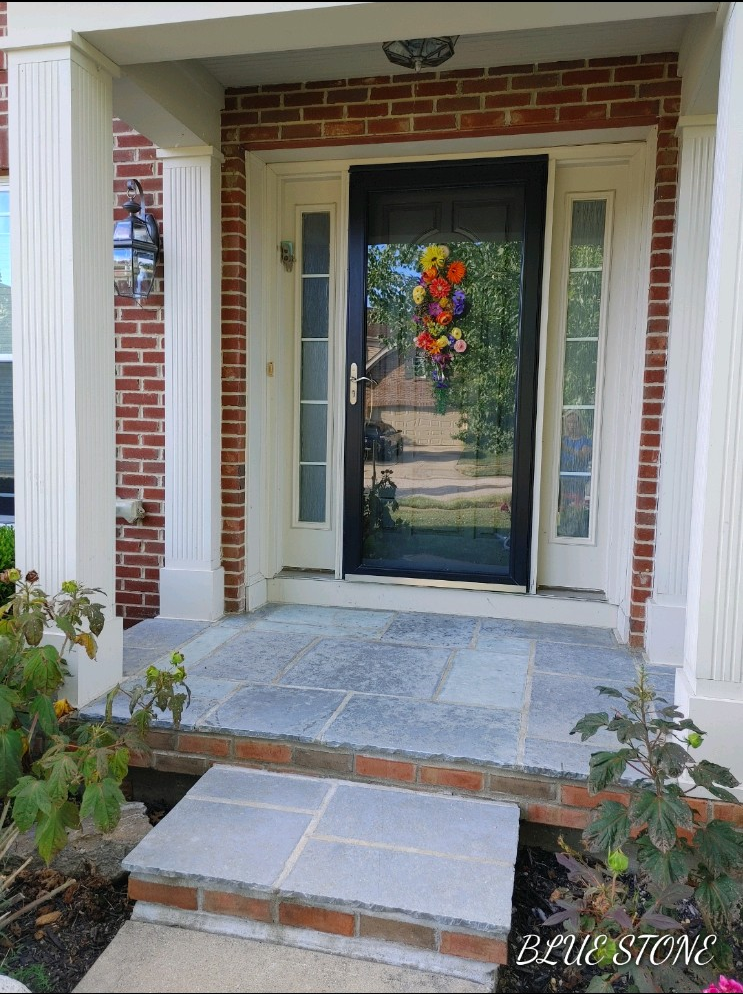
We first had Mark fix the back patio and liked his work so much we had him make a brick patio on the side of the house. When we decided to change our concrete walkway to brick, we wanted Mark to do the job because his prices were fair and he did such good work on t he other two projects.
 Mark Monnette Masonry
I was very pleased with the cost and end result. I truly expected this job to cost me 50% more than it did. When you factor quality and cost, I would highly recommend Mark's services and plan to use him in the future. The best part was, I asked Mark to match the paint color in one section...
 Fresh Touch Custom Painting Inc.
From average costs to expert advice, get all the answers you need to get your job done.
Brick walls can add character and elegance to interior and exterior spaces. Use this brick wall cost guide to see the price range for adding one to your home.
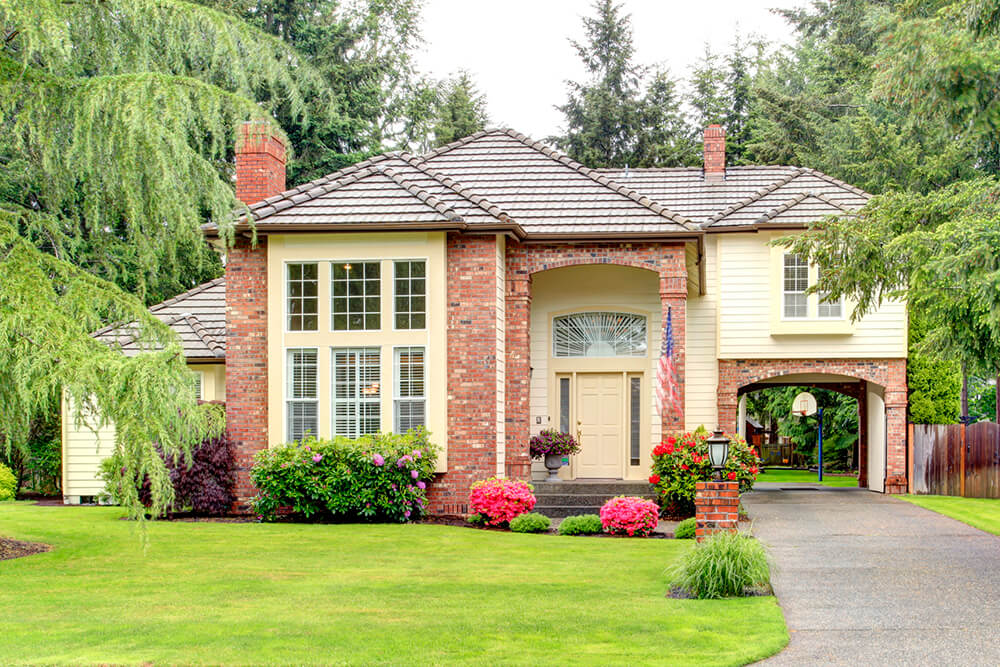
Brick veneer is a popular siding material that can boost your curb appeal. Learn all about how much this siding material costs based on factors like location and type.

This guide features information on the costs to repair a brick wall, whether or not you need a brick mason to complete spalling, tuckpointing, or a full restoration.
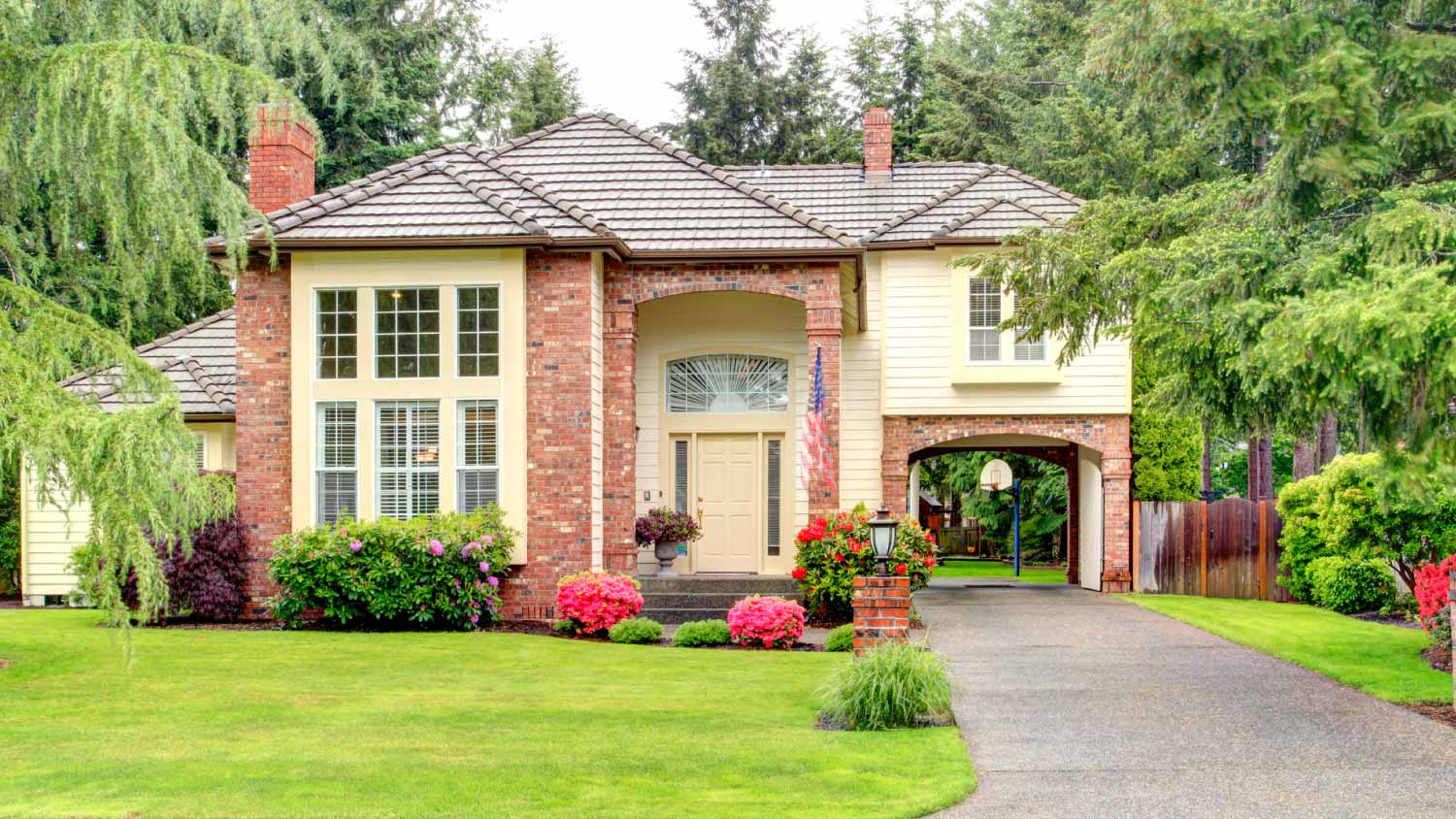
Which type of veneer is best for your home: stone vs. brick siding? We’ll explore the pros and cons of both.
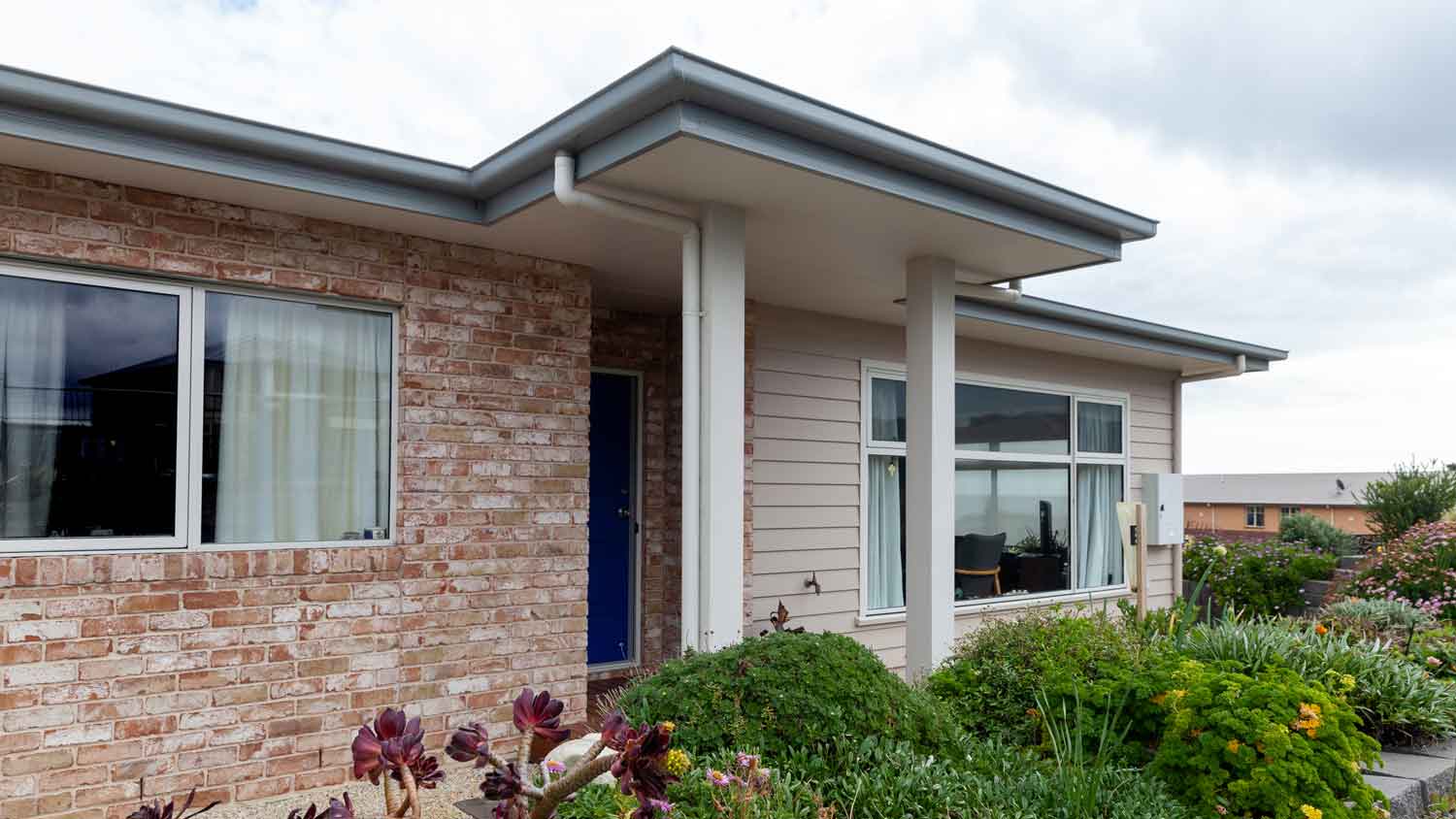
What is brick veneer siding, and how can it transform your home’s exterior into the perfect curb appeal? Keep reading to find out what you need to know.
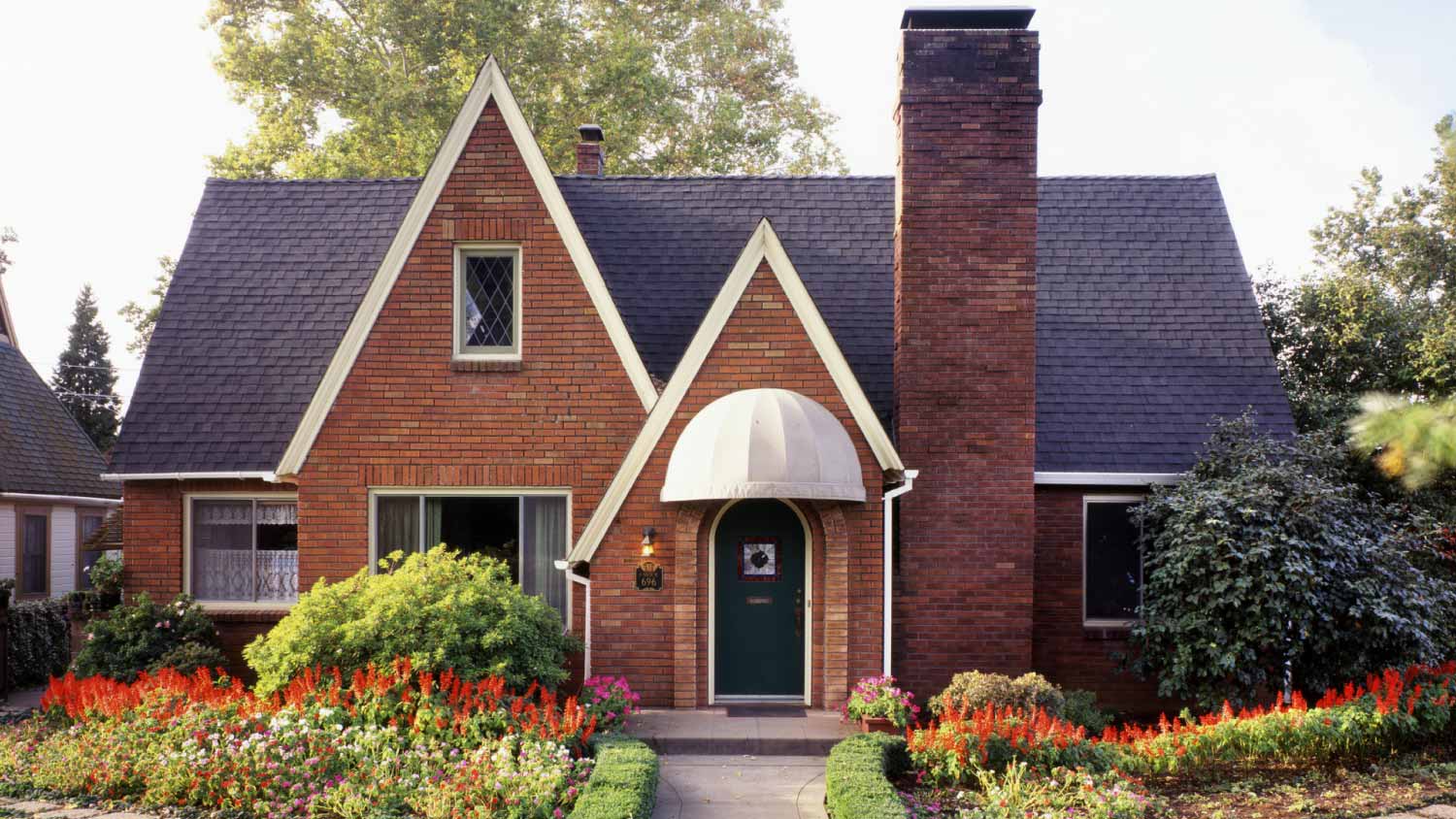
Problems in your brick veneer can range from minor, cosmetic cracks to extensive, structural issues. Find out who to call to repair brick.