


Torch down roofing costs are based on roofing materials and labor, among other factors. Read our guide to learn more about the costs of this flat roof material.
Raise the roof . . . to the legally mandated limit


A roofing contingency contract is a legally binding document.
There’s usually a grace period after signing, but you should discuss that with your roofing pro.
Make sure you have a termination clause in your contract before signing.
When you’re hiring pros to make major home repairs or renovations, you can expect to sign a contract. Contracts protect you as the consumer and the pros who will be completing the work. Roofing contracts, sometimes known as roofing contingency contracts, are legally binding documents that lock both you and your roofing contractor into an agreement. Let’s take a look at how these roofing contracts work, as well as when and how you can break them without serious consequences.
When you hire a local roofing company, you’ll likely sign a contract or a contingency contract to reserve your project’s start date and spell out the terms of your agreement.
In a standard roofing contract, you and the roofing company are the only parties involved. In a roofing contingency contract, the word “contingency” indicates an insurance company's role in the process.
The contract’s viability is contingent on your insurance provider’s approval of the work. If, for any reason, your insurance claim isn’t approved before the roofing pros start working, the contract becomes void. If your insurer approves the claim and you sign the roofing contingency contract, you agree that these pros are the only ones who will tackle the approved work.

Prior to signing your contingency contract, discuss the details with your roofer and ensure your roofing contract includes the basics:
Professional’s name
Business address
Contact information for your roofer
Insurance information
Professional insurance information
If the job requires any licenses or permits, the contract should include this information as well as a scope of work, materials list, and projected timeline. The roofing contract should also include detailed descriptions of how any installation is going to take place, when you should pay your roofer, the due dates of any deposits, and a list specifying accepted payment methods.
A good contract also includes a termination clause. A termination clause specifies when or why either party may terminate the contract. It’s important to spend extra time reading this section of the contract to understand your options and how binding your roofing contract really is.
Yes, roofing contracts, just like most other written contracts, are legally binding. When you sign your contract, you agree to pay that particular professional the agreed-upon amount for the agreed-upon work. Backing out of a contract after signing can come with legal consequences, and your roofer could opt to sue you for defaulting.
Roofing contracts will often have an expiration date, which means you or your roofer can back out of the agreement if your insurance company takes too long to approve the proposal. Check your contract for this date before signing to understand how long you’re committed to working with that particular roofer.
With that being said, you can often cancel a roofing contract within 72 hours of signing the contract without incurring cancellation fees. You should pay attention to and note the terms and conditions detailed in the contract—or ask your roofing contractor for exact dates—before signing any official documentation.

You can cancel most contracts, including the majority of roofing contracts, within three days of signing with no legal repercussions. Check your contract for the length of the grace period. Aside from that small window, you are legally bound to work with that roofing contractor when you sign a contract.
While you can’t typically walk away from a contract for no reason, there are some situations in which your contract may become null and void. These situations include the following:
Your insurance company denies your claim in full
Your insurance company partially denies your claim or requires a change order
Your insurance company approves your claim but does not agree to pay the quoted fee, and your roofer backs out
Your contract expiration date passes before your insurance company approves the work
If you break your contract without grounds, the pro could sue you for loss of profit or contract violation. That’s why it’s essential that you review all aspects of your roofing contract before agreeing to work with a roofing service.
Your best course of action if a contractor breaches a roofing contract is to hire an attorney to carry out legal proceedings. You can often sue for breach of contract, and you might want to consider filing a complaint with the Better Business Bureau (BBB) and your state’s licensing regulator or the attorney general. You’ll also want to find a reliable contractor to fix or complete the work the original roofer neglected to complete, but only after documenting what the first contractor did or didn’t do.
Getting to the point where you need to take legal action against a roofer who defaults on their end of the contract—or, worse, to the point where you feel the need to back out—can be stressful. Use the tips below to make sure you understand your contract fully before signing to avoid these issues and unnecessary frustration.
Read through your contract in its entirety: Never feel rushed to sign a roofing contract, no matter the circumstances. Read all parts of the contract in full, including the fine print, and don’t be afraid to ask questions if you don’t understand any portion of it.
Double-check the scope of work and materials: Whether your roofer or insurance company draws up the contract, make sure that the contract includes the materials you want and all of the line items you need. If it’s a roofing contingency contract, you might be able to negotiate with your insurance company to get different materials included.
Confirm the total cost and verify that it makes sense: Check that the subtotals for each line item add up to the total and compare to the average cost of roof replacement. If the contract amount is significantly higher or lower than what you expect, ask your roofer or insurer about the discrepancy.
Read the cancellation clause: Familiarize yourself with the cancellation clause to make sure you know how and when you and your roofer can back out of the contract.
We had our roof repaired by Chief Cornerstone Roofing and couldn’t be more happy with. It looks beautiful! Kevin and his crew arrived promptly on the scheduled day and the work was completed same day. The crew was efficient and courteous and afterwards the yard was cleaned of any debri from...
They do amazing work! Very professional. Roof was done in one day, everything was cleaned up and great communication . Highly recommend. So happy with the way the roof looks !!
 Cernilli Remodeling Inc
We had to replace our entire roof and Homeline Roofing was nothing but a pleasure to work with. After reviewing numerous quotes, they were priced very competitively and gave us plenty of time to review. The work they did was stunning and we’re super pleased with the end result. I would...
 Home line Roofing
If I could give him A++++++++++ I would. He was prompt helpful and honest. If I ever need a roof I would only use him. He was recommended to me by a friend who had her entire roof replaced by him. She said he was the best roofer she has ever come across
Excellent results. Removed the ugly mildew stains from my white roof. Who knew that white roofs get ugly? They did a good job and the roof looks 100 percent better. Two year guarantee.
Repaired holes in roof.
They came, did it, and they cleaned up with no problem. They put the gutters on the house and there was no garbage laying around. When they got done we found one little piece of a shingle. They also didn't destroy my flowerbeds or anything. I had a roof done once before and the place was...
 Babe Roof
From average costs to expert advice, get all the answers you need to get your job done.
Torch down roofing costs are based on roofing materials and labor, among other factors. Read our guide to learn more about the costs of this flat roof material.

Looking to boost your home’s curb appeal and protect it from water and rodents? Learn about the cost to install aluminum soffits and what affects pricing.

The cost to replace roof vent boots depends on a few factors, like the size of the vent, its location, and your existing roof material.
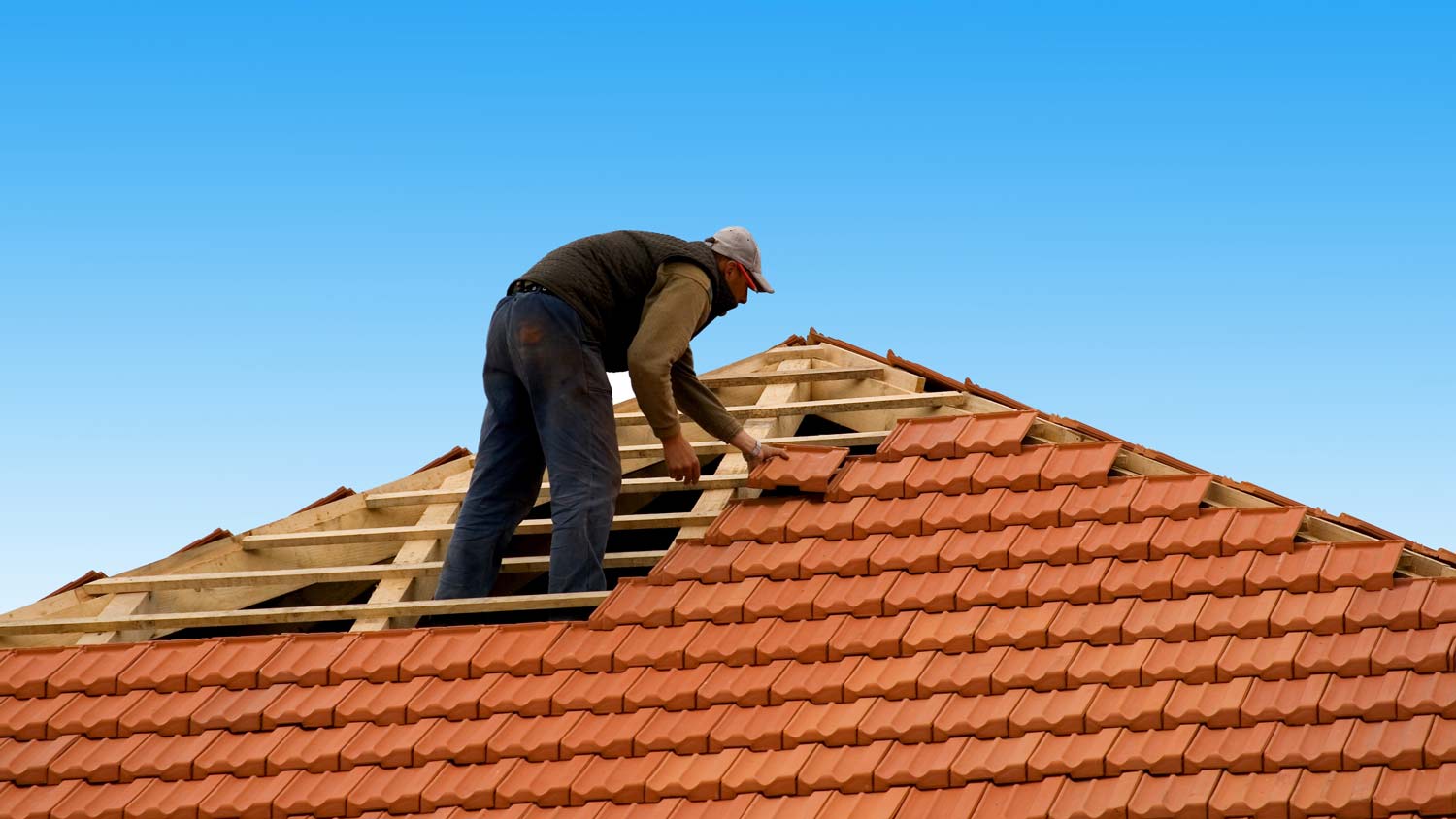
Find out the average tile roof repair cost, key price factors, and ways to save. Get expert tips to plan your tile roof repair project with confidence.

Roof sealant helps protect your roof from the elements. Learn about different types of roof sealant and how to pick the right one for your roof.

Dormer additions are both stylish and practical. Check out how to increase your attic's living space while boosting your home's curb appeal.