
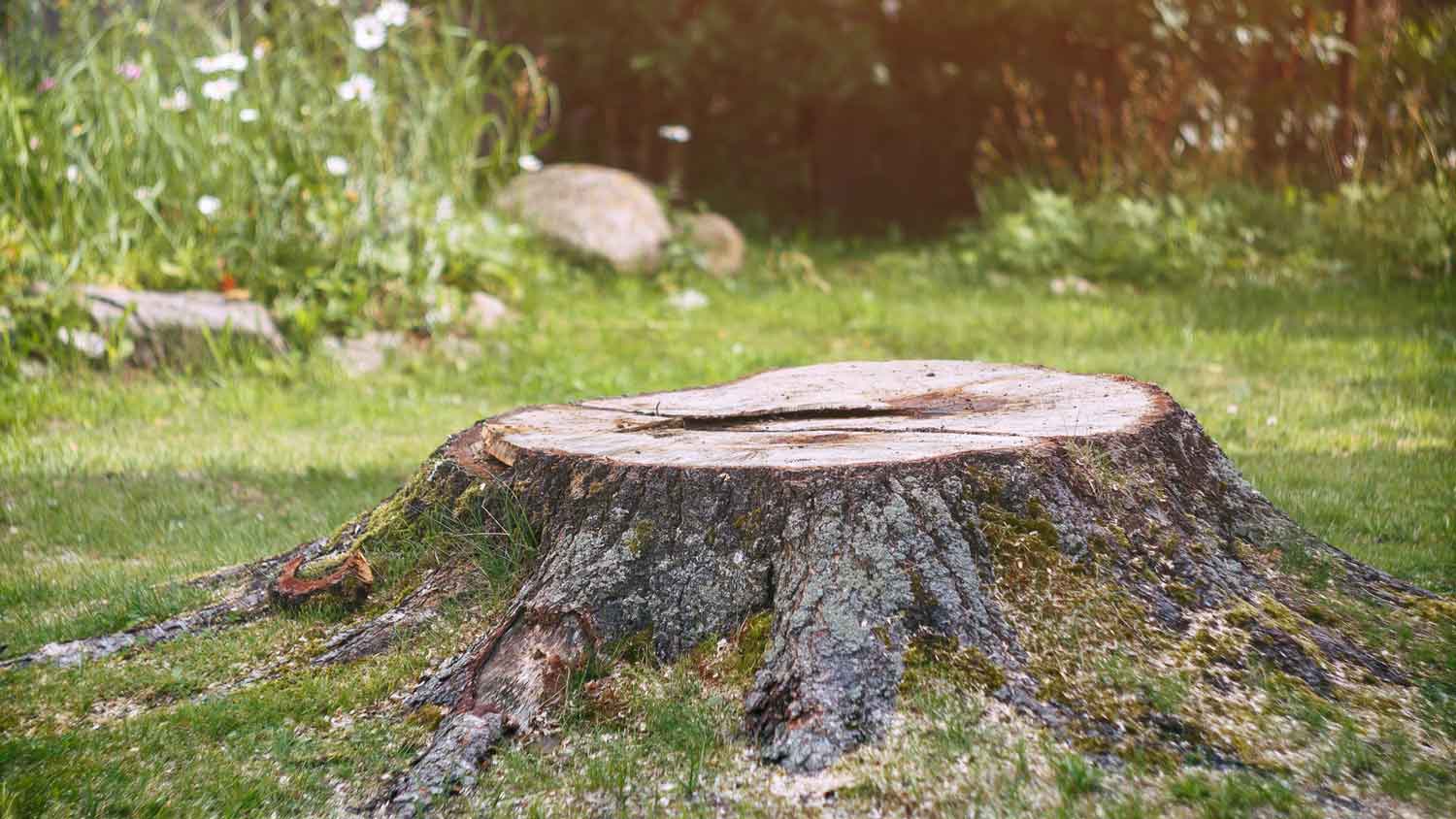
The cost of tree stump removal depends on size, removal method, location, and more. Our guide will show you how much stump removal costs.
Your tree stump can have a whole new life with some clever DIY work

Hollowing out a tree stump transforms it into a planter when you choose the right method for your tools and skill level.
Expect to pay $175 to $550 for professional stump removal if your stump is diseased, pest-infested, or too challenging to hollow yourself.
Drill drainage holes in your hollowed stump to prevent water buildup, which protects against rot and keeps your plants healthy and thriving.
Hiring a local stump removal professional keeps the job safe and efficient, especially when your stump needs grinding or complete root removal.
While there are many reasons not to chop down trees in your yard, removing dying, damaged, or dangerous specimens might be unavoidable to protect your family and property. However, you can learn how to hollow out a tree stump to repurpose it into a planter. We’ll show you how to take on this project using your choice of a few different methods to hollow out a tree stump and give it a second life.

After saying timber to a tree in your yard, the stump remains. You might leave a deep-rooted stump in your landscape to save costs and time. Instead of leaving it to be an eyesore or a tripping hazard, there are plenty of creative ideas for using tree stumps in your yard.
However, not every stump is suitable for hollowing out. You’ll need to make sure the stump:
Wide enough to hold desired plants or flowers
Isn’t decaying
Doesn’t have a pest infestation or tree fungus (If it does, it’s best to remove the stump to prevent spread to other plants)
Comes from a tree with durable wood, such as oak, redwood, and cedar

There are four main methods for hollowing out a tree stump. Choose the method that best fits the amount of time available, your tools, and your skillset.
Hollowing a tree stump out with a drill is time consuming compared to using a large tool like a chainsaw, but it is doable.
Measure three or more inches from the outer bark, which is where the holes will go.
With each hole angled about at 45 degrees toward the stump’s center, drill four or five holes, spaced equally around its bottom, angled upwards for drainage.
Using a hammer and chisel, chip away at the wood between holes, working inward until you hollow out the stump to your chosen depth.
Firing up the chainsaw might be the quickest way to hollow out the wood in a tree stump, but if you’re a newbie using this kit, it carries the most risk. Only give this one a whirl if you already have an appropriately sized chainsaw you’re confident wielding.
Although a chainsaw won't have any problem cutting wet wood, using an electric variety in rainy conditions is a safety no-no. Wait for a dry day.
Get on your gloves, goggles, and maybe even a face shield to prevent splinters from flying into your face. Long-sleeved shirts and full-length pants are sensible attire too.
Working from the center, start carving out easy-to-remove chunks from the stump. Precision isn't a chainsaw's forte, so go slow, and make small cuts, taking care not to go too close to the stump edges.
If you're worried about cutting into the edges, finish carving them out with a chisel after removing most of the stump’s center with your chainsaw. Leave a perimeter edge of a few inches. If you hollow out too much, the sides will bow or crack more easily.
Even if you're a chainsaw maestro and cut most of the center out without the aid of a chisel, you'll still want to smooth off the rough sides for a neat finish with this tool.

If you don't have a chainsaw or aren't a whiz at wielding it, another option is to hollow a thick stump using fire. But this combustible course of action isn't without its risks, so always take appropriate safety precautions and pick a still day with little to no wind.
Avoid this method altogether if you live in a region prone to wildfires, if the stump is very close to your property (within 15 feet) or utility lines, or if the wood is very damp (as it won't burn so easily).
You'll also need to check with your local municipality if it's even legal to burn tree stumps. Some local authorities prohibit their burning altogether.
Clear up any flammable trash, leaf litter, and other debris from around the stump and dampen the surrounding ground. As an extra precaution, have a water hose or fire extinguisher on hand.
Unless you want to be at it for hours, you’ll want to use a power drill with a wood-boring bit.
Start by drilling a hole in the stump's center at a 30-degree angle. Drill down around 8 inches deep.
Continue to drill holes around the central one, spacing them a couple of inches apart.
Get rid of the drill debris from each of the holes.
Don’t drill right out to the edges of the stump. Leave a few inches between the edges and the drill holes.
To encourage the stump to burn successfully, you’ll need to fill the holes with flammable material. Potassium nitrate (saltpeter) is a popular accelerant option.
When handling this chemical white crystalline salt, always wear gloves, a mask and protective goggles.
Fill each hole with the powder to around 1/2 an inch from the top. Using a fine-tipped trowel makes it easier to target each hole accurately.
Pour hot water into the holes from a spouted jug. This method dissolves the product, spreading it through the stump and making it easier to light.
After handling the potassium nitrate, wash your hands well.
Store any leftover potassium nitrate in a sealed container in a well-ventilated area.
Lay something like light, dry scrap wood, leaf litter or cardboard on the top of the stump and light this. This kindling helps ignite the potassium nitrate and burn through the holes in the stump. Be patient; it can take some minutes for the stump to catch fire. Steer clear of using gas to light the wood. This can encourage the fire to be too wild or even trigger a mini explosion.
Supervise the fire the entire time it is alight. You don’t want it to burn right through the stump, and you may need to add additional kindling to prevent it from burning out too early. If the fire is getting out of control, have the hose or fire extinguisher ready.
Once the fire has hollowed out most of the stump's center, pour water or sand over it to thoroughly douse the flames.
Allow the stump to cool down fully and dry out before doing anything further. This process could take a week or two, depending on the weather. Use the trowel and a dustpan brush to scoop and sweep out the ash and charred wood.
This option is the most time-consuming and labor-intensive, but you only need a simple hammer and chisel. It’s the safest approach. Still, come armed with thick gloves and goggles to protect against wayward splinters.
Ideally, the chisel will be a wood carving gouge with a rounded rather than pointed tip. This makes it much easier to smoothly and neatly scoop out chunks of wood.
Unlike the other two methods, doing this after rainfall or dousing the stump in water makes carving less effort.
The job will also be faster and easier if you can drill some holes in the stump center around 8 inches deep and a couple of inches apart.
Work with the chisel at a 45-degree angle from the stump’s flat surface. Tap the hammer on the top of the chisel to scoop out pieces of wood from the center. Make sure you leave a few inches around the full edge of the stump.
Tidy up any jagged, sharp edges once the stump is suitably hollow.

If you want to get a few more years out of your tree stump planter, you can take steps to preserve it from pests and moisture.
Ensure the hollow stump is fully dry before further preserving—this can take up to one month.
Drill a few drainage holes into the sides of the bottom of the stump. This step stops plants from getting soggy bottoms and reduces the chance of wood rot.
Place charcoal chunks or gravel in the stump base, which minimizes odors and promotes better air circulation, reducing problems with rot and pests.
Strip the bark if you don’t want such a rustic aesthetic. You can do this with a flat-head screwdriver and a hammer.
Remove any dirt, ash and sawdust, then sand the outer wood down. You want to work with a smooth and clean surface.
Fill any cracks with epoxy and tape up to prevent any leaks. Let this dry overnight.
Apply a wood stabilizer to the surface of the hollowed tree stump. Two coats offer better protection.

There are some scenarios that call for removing a tree stump completely. If you have a leftover tree stump in your yard that falls under the following conditions, consider using one of the best stump removal methods to get rid of it safely.
The tree stump is diseased.
The tree stump is infested with pests.
The tree stump has been untreated for more than 10 years.
The tree stump is located in an inconvenient or dangerous location.
Hollowing out a stump is typically a creative DIY project. It’s not normally something you would hire a pro for unless you plan on something particularly unique and artistic.
If you don’t want to use a stump or it’s causing a problem in your yard, booking a local stump removal service makes sense. They can either grind the stump down or remove the tree stump and its roots, depending on the evaluation by the stump removal professionals.
The cost to DIY hollow out a tree stump is relatively low because hollowing by hand or chainsaw doesn’t require many tools or materials, but it’ll cost some serious sweat equity. However, if you choose to hollow with fire or have a particularly stubborn stump, you should hire a stump removal service to tackle the task. Stump removal costs between $175 and $550, depending on the removal method, stump size, and other factors. You can consider renting a stump grinder to remove the stump yourself, but it costs about $240 per day and can be hazardous for inexperienced users. However, it’s likely worth the peace of mind knowing that it’s done correctly and you’ll be able to reuse the stump for your next project.
This service was great. My air conditioner went out during the heat spell that we had. My husband has health issues and they came out that night and at 9:30pm the air conditioner was fixed and running. We are sooo very thankful, this is the company I will be using from now on and would...
 Mr. Mechanical Ohio
One of my old tall evergreen trees was suddenly leaning toward the busy street in front of my house. I submitted a request for an emergency tree inspection, and Alejandro, owner of Cajete Tree Service, contacted me immediately and arrived to look at it just 20 minutes later. We agreed the...
 Cajete Tree Service LLC
1 tree was cut down and 5 others including a large willow tree were trimmed. The Grant Tree Service men were professional and cleaned up afterwards. The cost of the 6 trees were affordable. I am very happy with the results. I would hire them again.
 Grants Tree Service
D1 Roofing delivers outstanding service from beginning to end, backed by a strong warranty and expert teams. I highly recommend them for their excellence in meeting and surpassing expectations with unmatched communication. Choosing D1 Roofing was flawless decision
 Division 1 Roofing LLC
Promptly arrived for quoting! Demonstrated superb customer service, affordable pricing, and completed service swiftly! Looking forward to the spring for our service!
 All Star Paving and Sealing
Seth was very professional, prompt in responding to queries about the work required , gave sincere advice as to what would be best for tree trimming and did the job timely.
Ace Fireplace Services' chimney sweep service is truly exceptional. They used advanced technology to ensure a thorough cleaning process, and my chimney has never looked better. I highly recommend their services.
 Ace Fireplace Services
I definitely recommend Ramonaâ s cleaning service! I have booked services with her many times and she arrives on time, ready to work and provides a great service.
 Your Cleaning Solutions LLC
Webb â s was priced well, flexible on scheduling, great with communication, and detailed in their work. Iâ ll definitely use their services again.
 Webbs Pressure and Paint LLC
Great tree company, very professional and honest. Glad we found them, they had the best pricing
From average costs to expert advice, get all the answers you need to get your job done.
The cost of tree stump removal depends on size, removal method, location, and more. Our guide will show you how much stump removal costs.
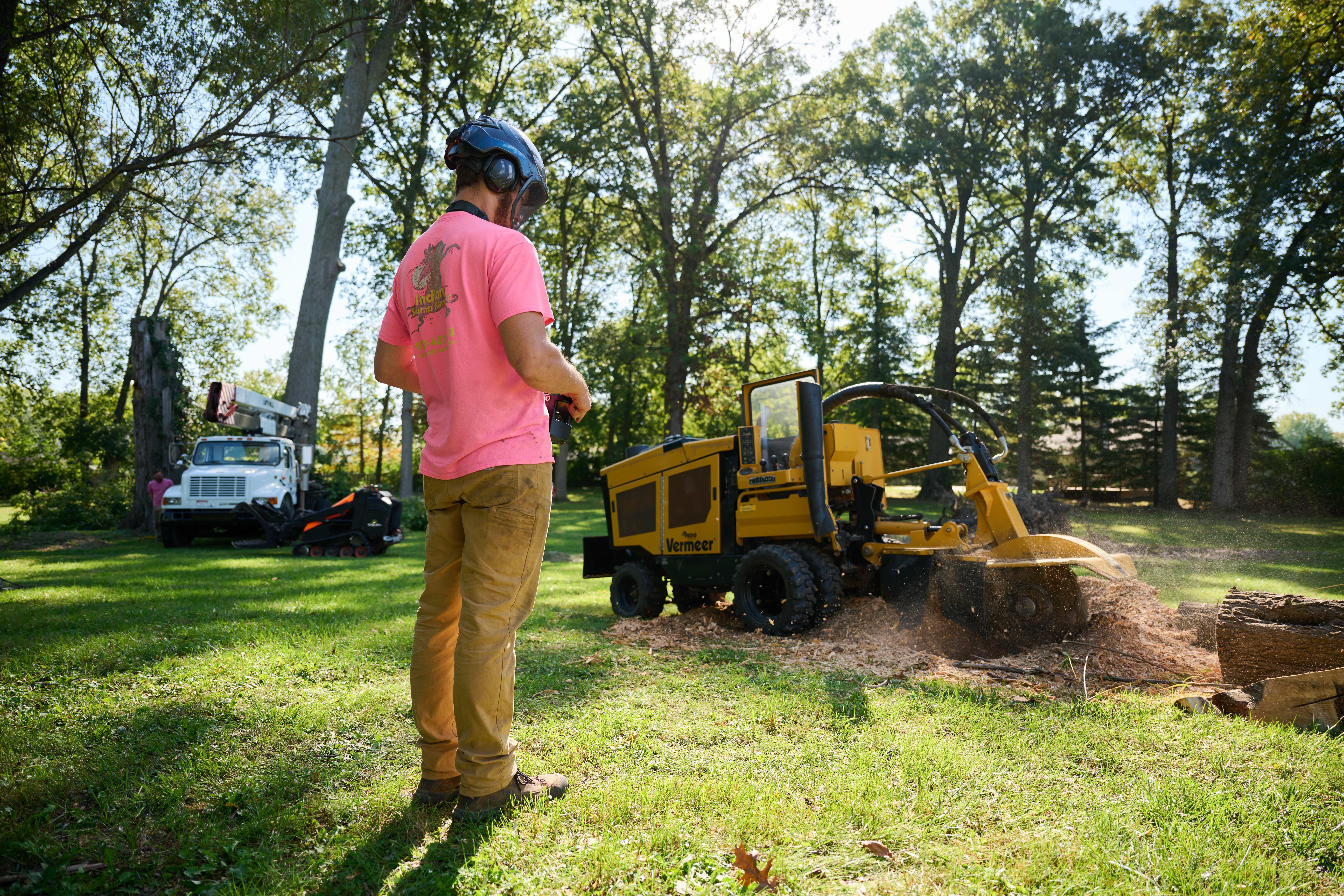
Renting a stump grinder is one way to remove stumps in your yard. Find out the average stump grinder rental cost, additional expenses, and more.

Discover what the current average tree removal cost is based on different factors to know how much it will cost to take care of a dead or troublesome tree on your property.
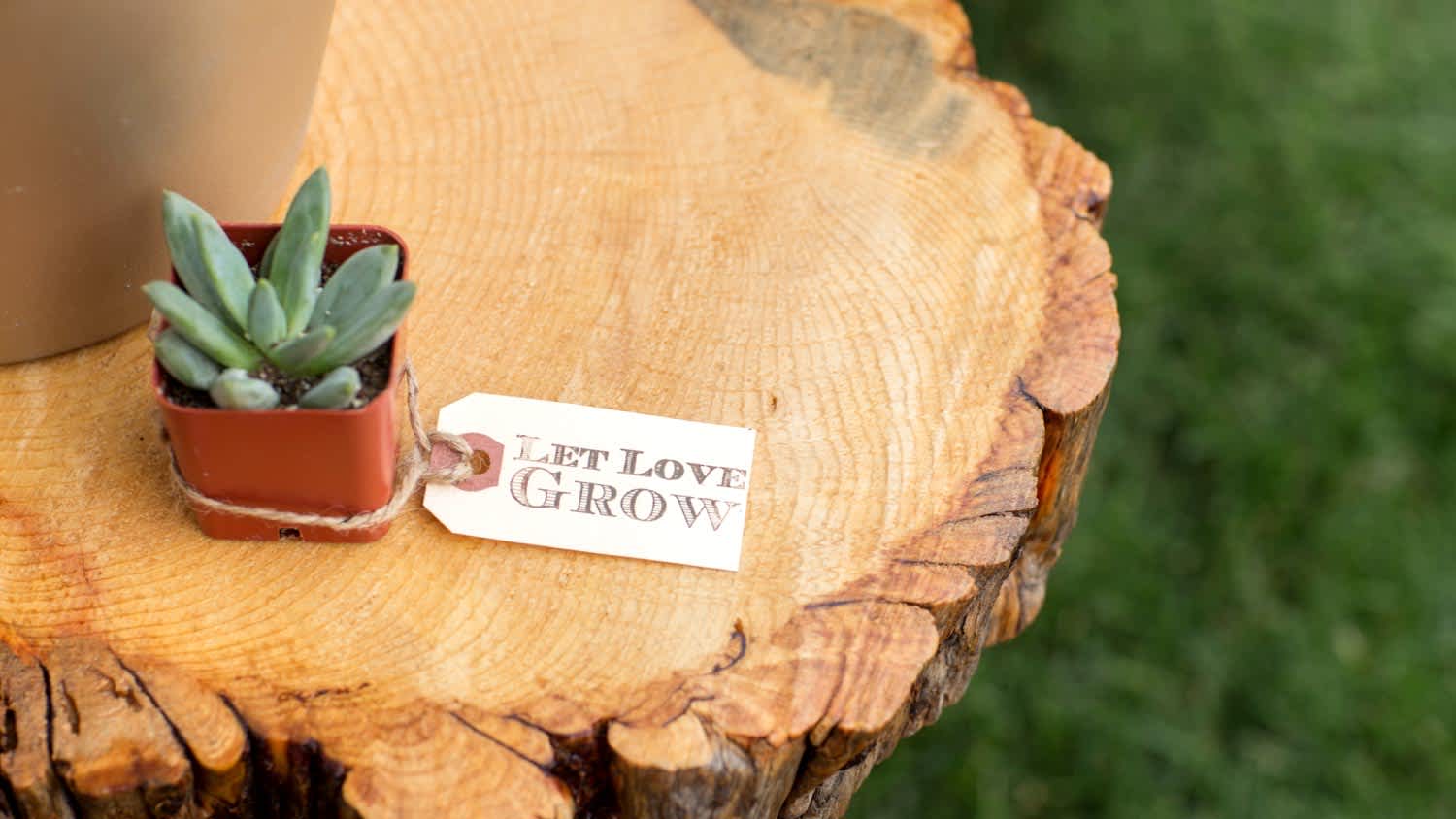
Get inspiration for making use of that old tree stump stuck in your yard. From fairy gardens to carvings, seating, and more, figure out what to do with your old stump.
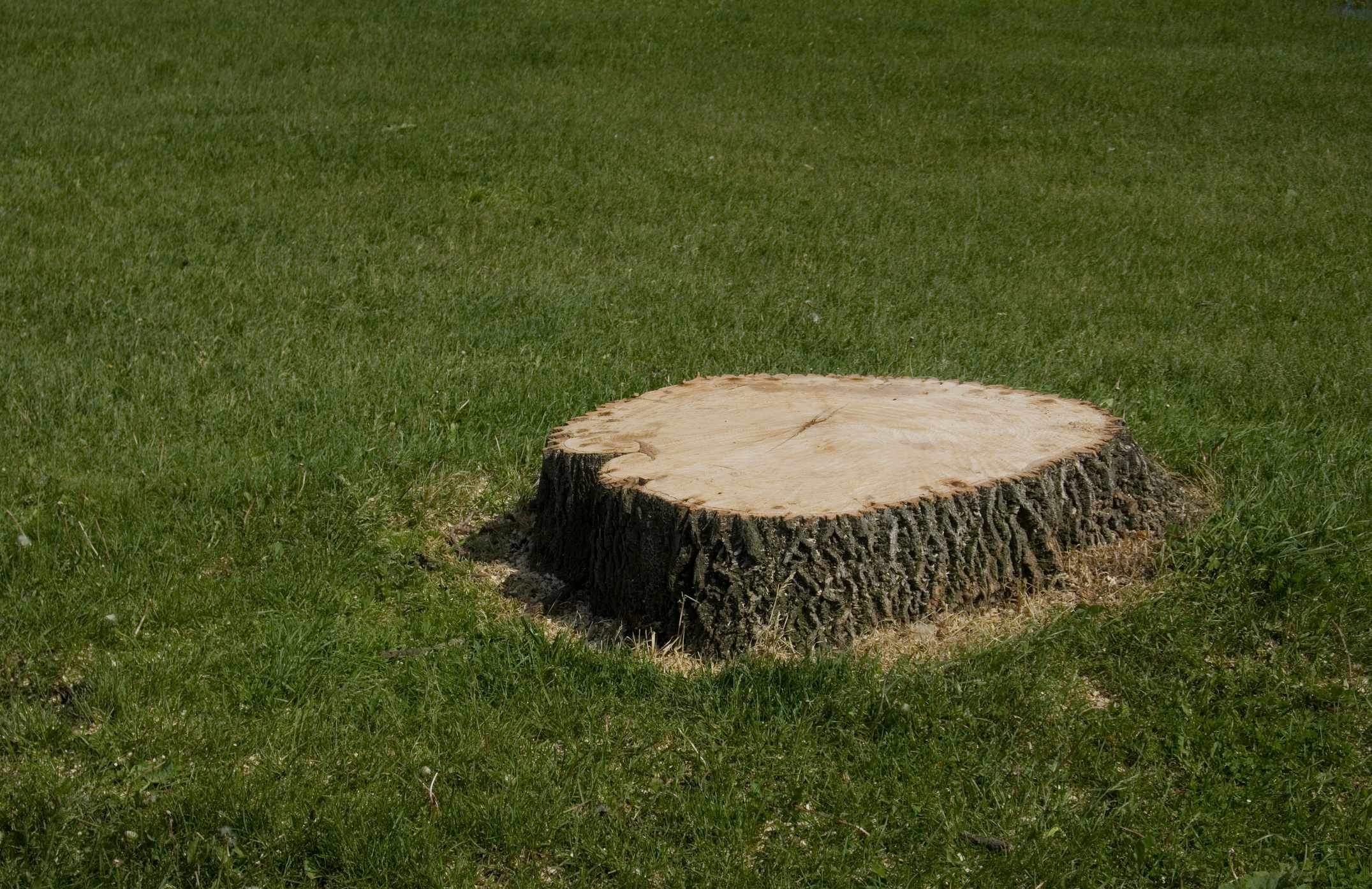
What’s the best tree stump killer? Learn how to kill a tree stump using these seven effective methods.

Palm tree stumps can be an eyesore and may even attract pests. Learn the four methods for palm tree stump removal in this DIY guide.