The cost of blown-in insulation costs varies depending on the type of insulation, labor, prep work, and more. Learn more about the cost factors in this guide.
Lower your energy bills and stop drafts by planning your blown-in insulation installation before winter arrives


Blown-in insulation installation involves adding loose materials like fiberglass into walls or attics to improve your home's energy efficiency.
Homeowners pay an average of $990 to $2,330 to place this protective thermal barrier inside their houses.
The total price depends on the square footage of your space and the specific material you choose.
Hiring a local insulation pro provides reliable help with blown-in insulation installation and saves you time and effort.
This article was created using automation technology and thoroughly fact-checked and edited by an Angi Editor in accordance with our AI policy.
Keeping your home at a comfortable temperature year-round starts with a proper blown-in insulation installation. Putting off this project leads to drafts, uneven room heating, and higher monthly energy bills. Let’s explore how this upgrade works, what materials to choose, and when to hire a local pro to handle the job.
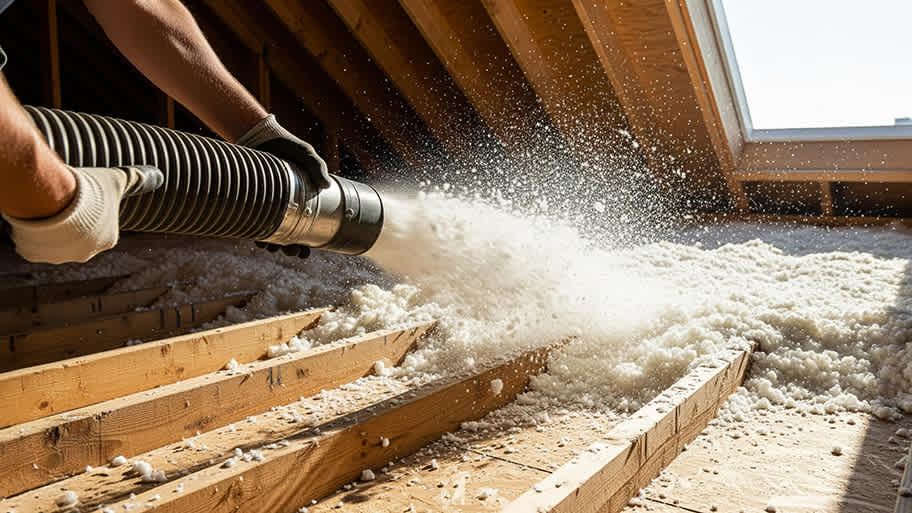
Blown-in insulation installation uses a specialized machine to spray loose-fill materials, like fiberglass or cellulose, into attics and wall cavities. This creates a thick thermal blanket that regulates your indoor temperature.
Leaving your home under-insulated causes your HVAC system to run longer, leading to higher monthly energy bills. A properly insulated space traps conditioned air inside, lowering utility costs and reducing wear on your heating and cooling equipment. Upgrading this material keeps your living space comfortable year-round.
Blown-in insulation installation becomes urgent when you spot ice dams forming along your roofline or experience a sudden, drastic spike in your winter heating bills. Finding visible mold growth or feeling strong drafts in rooms directly below the attic also signals a compromised thermal barrier, a problem that leaves your home vulnerable to moisture damage and excess energy waste. If you notice these warning signs, call a local insulation pro today.
Adding blown-in insulation rewards careful planning, giving you time to prepare your budget. Rushing into this upgrade right before winter hits limits contractor availability and reduces scheduling flexibility. Booking your project during the warmer off-season gives you access to more bids and greater control over your installation date. Begin gathering quotes from local pros at least two months before the cold weather arrives.
On average, blown-in insulation installation costs range from $990 to $2,330. The total price depends heavily on the specific material you choose and the size of the space you need to insulate. Other common factors that affect your final bill include the target R-value for your climate zone and the location of the installation, such as an attic versus existing walls. You must also budget for necessary prep work like air sealing, mold remediation, or old insulation removal.
Budget proactively for blown-in insulation installation by accounting for the initial scope and additional cost factors like ventilation baffles and recessed lighting covers. Set a savings target that covers professional labor and any site-specific preparation required. You can ask your local pro whether they offer payment plans or financing options. Insulation upgrades can bring hidden prep work to light, so having a cushion saved before your installer gets started keeps the project moving forward.
Assess your space: Check if your current insulation sits below the attic floor joists to determine your starting point.
Plan your budget: Review cost factors like square footage and desired R-value to set a realistic savings goal.
Hire a local pro: Hiring a local insulation contractor means your insulation will be correctly installed and will effectively help you regulate indoor temperatures.
Seal air leaks: Caulk gaps around attic fixtures and vents to maximize the energy efficiency of your home.
Hiring a local insulation contractor means your blown-in insulation is installed correctly and you won't have a messy cleanup. Always verify the expert carries active liability insurance, valid state licensing, and specific trade certifications. Finally, read recent online customer reviews and request detailed written estimates from at least three companies to compare labor warranties and avoid hidden fees.
If you’re good people wanting to do business with good people, hire Matt. He is a consummate professional and utterly competent. He installed a water heater in my home at a price that beat competitors by hundreds of dollars with a promise to support the unit for its life (even after its 6 yr...
 Greene's Plumbing Services
I would recommend this company to anyone! He showed up on time, was friendly, completed a very difficult repair on our dryer vent cover, was responsive, and pricing was extremely fair and competitive. I would have him back to do any of our repairs or cleanings without hesitation!
 U.S.A. Dryer Vent, LLC
Best cleaning I've had at my property
I conferred with 2 other contractors before Armstrong Electric. Nick and his crew showed me that the project was not as convoluted as the other contractors made it appear to be. They completed the entire project on time. They were professional, friendly and cleaned up after at completion. I...
 ARMSTRONG ELECTRIC, LLC
Our exterior looks brand new thanks to Custom Paint Jobs LLC. Theyre the best in town!
 Custom Paint Jobs, LLC
Excellent experience with hiring Tether House to Mount our 77’ Samsung TV in our bedroom. Fast, friendly, and knowledgeable. Highly recommend.
 Tether House
The techs on my project, Shawn and Cliff, were great. They were prompt, courteous, and efficient. I am very happy with the results and would definitely contact Mr. Electric for any future electrical projects.
 Mr. Electric of Columbus
We had our houses windows and back door replace this summer by Window Depot USA of Central. He gave us grate advise and saved my family lots money. The team did a fantastic job with installation. If you need help, they sure get job done right!
 Window Depot USA of Central Ohio
Beginning with the estimate, Larry and Peyton were super helpful in getting my new condo's interior re-painted. Not only was the job well done, but also done in a super timely manner as promised.
 Five Star Painting of Plain City and Powell
Great job...edging and pre clean up went well with a great job with seal coat. Friendly, efficient and professional.
 All Star Paving and Sealing
From average costs to expert advice, get all the answers you need to get your job done.
The cost of blown-in insulation costs varies depending on the type of insulation, labor, prep work, and more. Learn more about the cost factors in this guide.
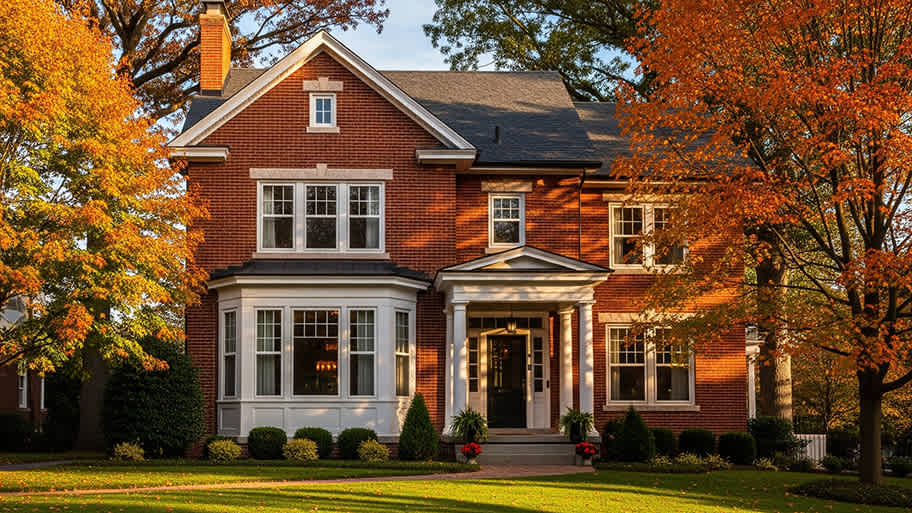
New insulation can make your home more comfortable and boost energy efficiency. Use this insulation cost guide to get an accurate estimate for the installation.

The cost to insulate a basement varies based on materials, size, and other factors, as well as how much of the work you wish to perform yourself.
If you’re wondering what blown-in insulation is, keep reading to discover everything you need to know about this type of insulation for your home.
Thinking about upgrading your home's thermal barrier? Learn about insulation installation costs, material options, and how to hire the right local pro.
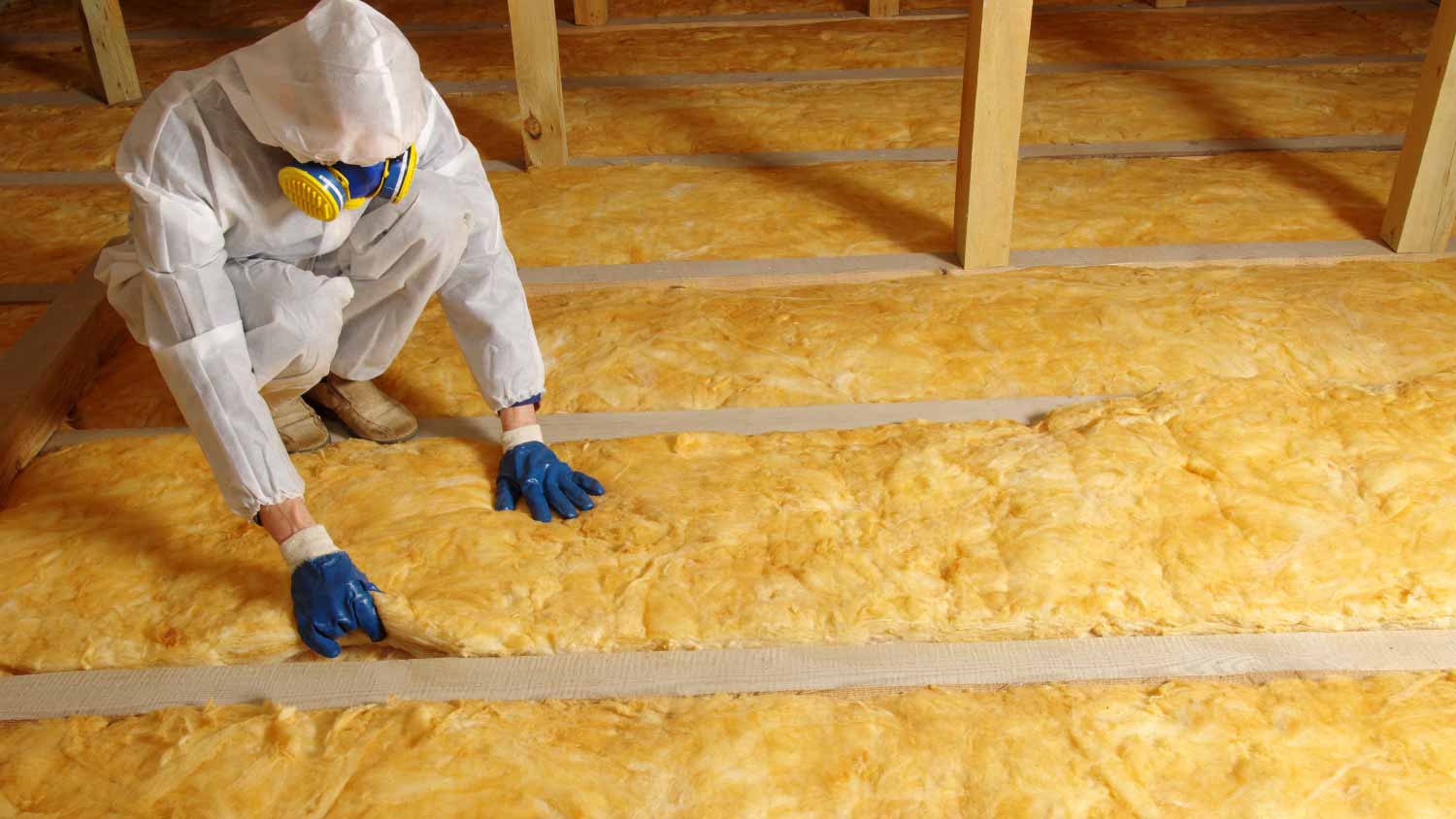
Home insulation has many benefits: it’s energy-efficient, environmentally friendly, and cost-effective. It’s worthwhile but requires planning. We’ve laid out the key things to know before installing home insulation.