
Water softeners rid your home of hard minerals and, well, soften your water. Even better, the regeneration process is an automatic cycle that works when you’re least likely to use it.
You just need a few tools, but it’s best to have some plumbing experience under your belt

A water softener is often an unsung hero in our homes, saving us from dry skin and our appliances and plumbing fixtures from mineral buildup. But eventually, you’ll need to remove this handy device, whether to make a major repair or replace it with a newer model. You won’t need many tools or supplies for this job, but you should have some plumbing experience before you try to DIY. If you meet this requirement, read on to learn how to remove a water softener.
First, it’s important to determine if you really need to remove your water softener. If you’re making minor repairs, you may be able to simply use the bypass valve to keep water from flowing into the water softener temporarily. The bypass valve allows you to quickly divert water away while you make repairs, then switch it back on to enjoy the benefits of your water softener without disrupting water supply to the home.
If you want to remove your water softener to replace it, keep in mind that this project will require replacing or reconnecting plumbing pipes and capping a drain line. If you don’t have the experience to reconnect pipes or cap a drain line, you could risk water leaks or sewer gas leaks. Instead, leave this project to a local water softener installation pro who can expertly and safely remove the old unit and replace it with a new water softener or other filtration system.

Before you can remove one, you need to know how to turn off a water softener. Simply unplugging it from the wall isn’t enough, so start by locating the water supply to the unit. To find the water shut-off, look on a wall or the floor near the unit, near your water heater, or in your basement. Once you find the valve, turn it clockwise, or to the right, to shut off the water.

Once you’ve disconnected the water, locate the power source for the water softener. You may need to unplug the unit or shut off the power from the circuit breaker.
Although you’ve cut the water and power to the water softener, there will still be some remaining water in the tanks and pipes. You’ll need to remove the remaining water and water softener discharge either by using a cup to scoop out the water or by draining the unit through its hose bib or faucet into a bucket. Keep plenty of towels around the unit to minimize the mess, and you may want an extra bucket on hand, too, to catch any leaks.

The water softener has hoses or pipes that connect from your home’s plumbing to the softener. Place a bucket and towel under where the water softener hoses connect to your home’s water lines, then use a wrench to loosen the connections. Remove both the inlet and outlet hoses from your home’s plumbing.

The water softener is also connected to the plumbing at a bypass valve, if your unit has one. If so, there are two C-clips on the back side of the bypass valve at the top of the water softener. Use a small flathead screwdriver to pry off the C-clips where the bypass connects to the inlet and outlet pipes.
Now that the water softener is drained and disconnected from the plumbing, it’s time to release it from the wall or floor, if needed. Some units may have extra supports, like metal safety straps, that keep the unit from falling. Disconnect any straps or other supports before carefully pulling the water softener away from the wall.
If you don’t plan to replace the water softener, you’ll need to reconnect the pipes. The pipes will be disconnected where they went into and out of the old water softener. You will need a soldering iron and some plumbing know-how to reconnect the pipes. If you get stuck at this step, don’t be afraid to call in a plumber for help.
If you’re not replacing the unit, you’ll also need to cap the drain line (the pipe that a water softener uses to drain away used brine and minerals from the hard water). You’ll need to find a tight-fitting drain cap suitable for the drainpipe you need to cap.
Again, if you’re at a loss here, call a pro. Without proper capping, the drain line could leak water or sewer gases, potentially leading to water damage, illness, or, in extreme cases, gas explosion.
If you have the tools, you’ll only spend $5 to $10 on this project for the drain cap, so long as you plan to permanently remove or relocate your water softener. Of course, if you need to buy a new water softener, a water softener costs $200 to $6,000. A standard system averages $500 to $3,000, while a salt-free water conditioner costs $800 to $4,000.
You can expect to pay $45 to $150 per hour for the cost of water softener repairs by a pro, which includes water softener removal. While it costs a little bit more to hire a pro, this is the best option for removing or installing a water softener. Because you’re dealing with plumbing and the home’s main water line, DIY brings an increased risk of damaging pipes, which can lead to expensive water damage.
Instead, hire a water softener installation company to handle your water softener needs. In addition to getting the job done correctly, the pros can remove and even replace an old model with a new water softener within a few hours.
If you’re good people wanting to do business with good people, hire Matt. He is a consummate professional and utterly competent. He installed a water heater in my home at a price that beat competitors by hundreds of dollars with a promise to support the unit for its life (even after its 6 yr...
 Greene's Plumbing Services
As usual with ECO, tech Jordan was outstanding, very professional, very knowledgeable, and very thorough with repairs made to tankless water heaters. Very highly recommend ECO!!!
 Eco Plumbers, Electricians, and HVAC Technicians
Did a great job replacing the ice maker and water regulator on my refrigerator. He was quick and thorough, very friendly and professional. If I needed a heart transplant I'd want him to do it!!!
We had a gutter blockage that was causing water to sheet down the side of the house and ultimately it started to come in at a window (need mortar people next). Called around 7:30am, and he responded by 8am. He was able to come out the same morning and do a look over and clean out. He also...
Scott checked our large crawl space for mold and water infiltration and recommended a viable solution. The crew was efficient and they cleaned up well after the job. The job was expensive but I am confident that I won't have to deal with the problem again. Highly recommend.
 AdvantaClean of Dublin
They were the most through inspecting the water system in my house. Even going the extra mile to get the water professionally tested for contamination.
 Hague Water Conditioning, Inc.
It went very well. The drain is absorbing all the access water. I had other estimates a year earlier and Hughes was right on. I will use them, again.
 Hughes Construction Co
Very well. Have already used them again to fix hot water heater
 Service Olympians
The Paul Davis team was very professional and went the extra mile to take care of my water damage. The work was very high quality and done in a timely manner. I would highly recommend their services.
 Paul Davis Restoration
Honesty is hard to find in business today. GBR met me today at a 3 story building regarding my being told that I needed to tuckpoint the brick because of water leaks. The owners took the time to evaluate the situation and advised me that I did not need their service at all. They pointed me...
 GBR Masonry Inc
From average costs to expert advice, get all the answers you need to get your job done.
Water softeners rid your home of hard minerals and, well, soften your water. Even better, the regeneration process is an automatic cycle that works when you’re least likely to use it.
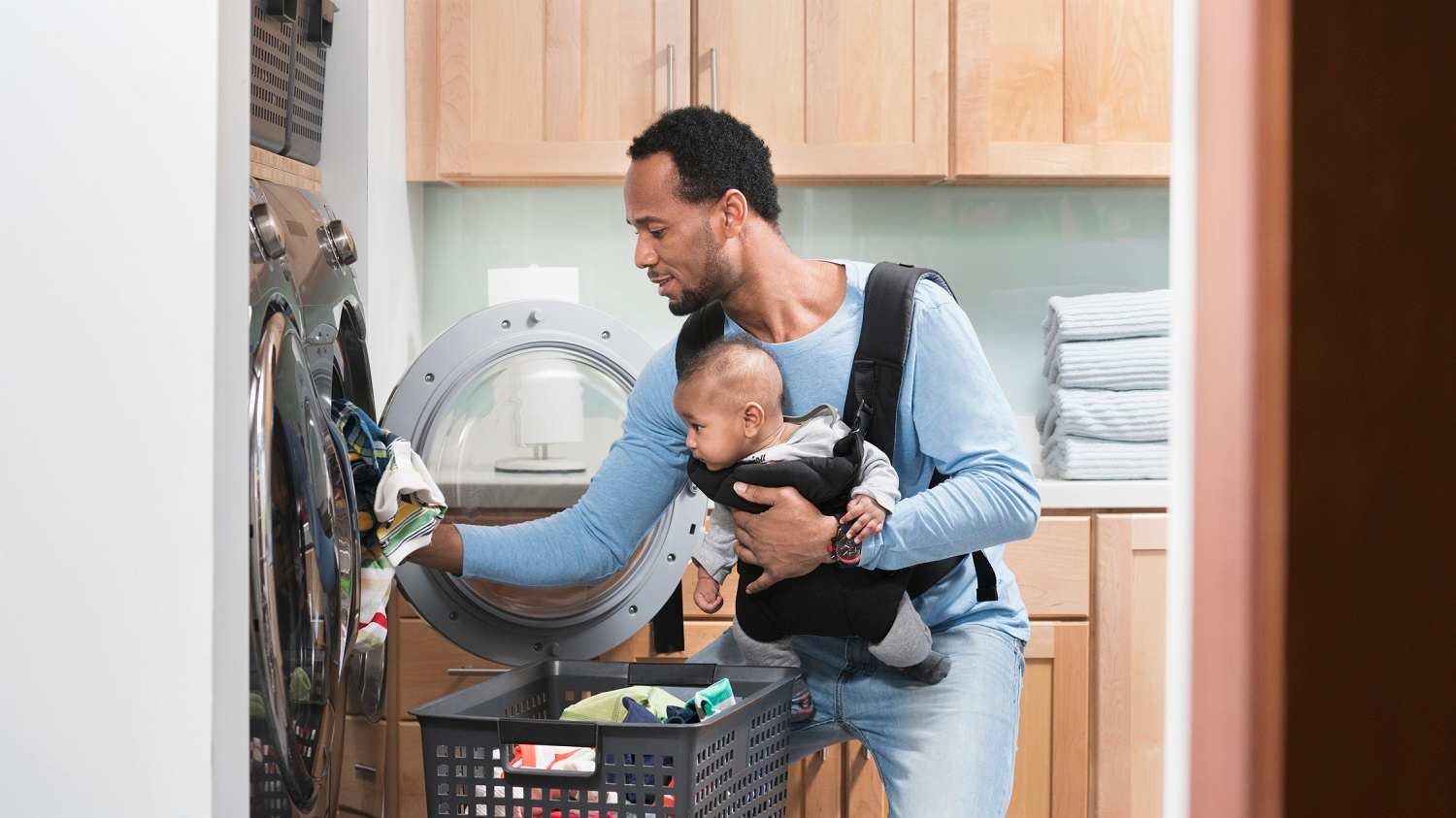
Water softeners work to remove unwanted minerals from hard water through a filtration and recharge cycle. Keep reading to learn how a water softener works.
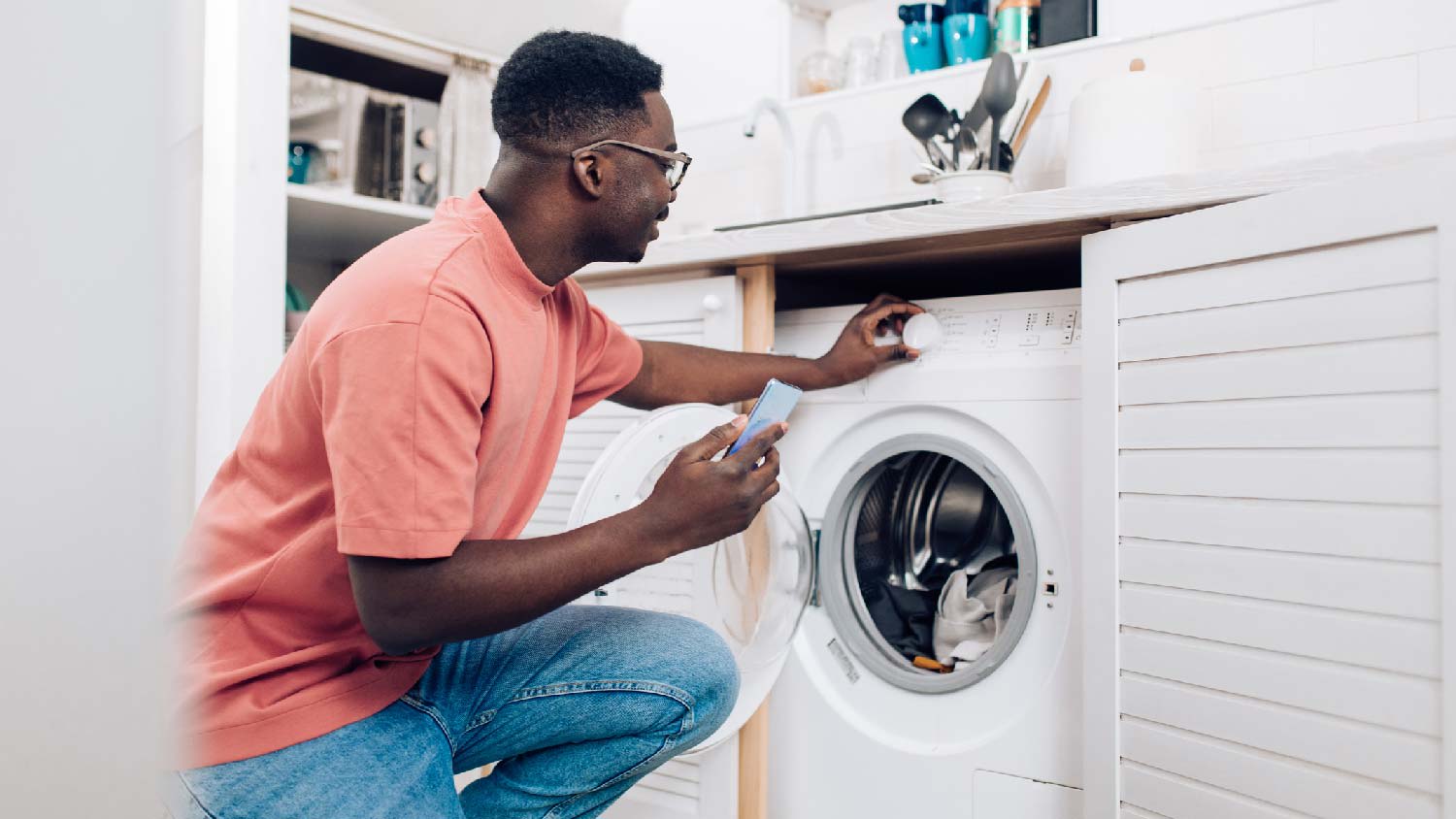
There are four common softener alternatives available on the market today. We compare and contrast each one to help you find your best-fit solution in this blog.
Your water softener works overtime to keep your water safe. Use this guide on how to check your water heater for damage or poor performance.
Who repairs water softeners? You should be able to hire water softener repair and installation companies or plumbers to fix issues with these appliances.
Water softeners last up to 25 years, but maintenance, usage, and other factors can affect the life span. Learn more about how long water softeners last.