

If you’re not keen on spending your afternoon assembling flat-pack furniture, bring in the professionals. How much does furniture assembly cost? It can be shockingly affordable.
From job location to price of materials, it's crucial to accurately price each construction job, so you keep clients happy and make a profit

Pricing a job as a contractor requires balancing competitive bids with profit margins, so you stay attractive to clients while covering your costs.
Your construction labor costs should account for 30% to 40% of total project expenses, including both direct wages and indirect costs like benefits.
You can improve accuracy by conducting thorough site visits, reviewing detailed drawings, and interviewing homeowners to understand their budget and project timeline needs.
Hiring a local general contractor helps you navigate complex bidding processes and ensures your quotes reflect realistic labor, materials, and overhead for profitable projects.
One of the most important areas of contractor work is learning how to price a job. Bid too low and you'll lose time and money handling a project that's bigger than you've budgeted for. Bid too high and you'll lose opportunities to the competition who've proposed lower project costs.
Creating a well-priced quote requires accounting for several factors, including labor costs and materials for the estimated length of the project. It's a delicate balance that requires knowledge and skill to find the sweet spot that will result in more jobs and money.
Learn how to develop a quote that’ll win over prospects and help you—and your company—thrive in this pricing guide for general contractors.
Learning how to price a construction job relies on attention to detail. You'll want to start with a site visit to take photos, measure foundations, and look for any hazards or unique features that would affect project length or pricing.
Having a detailed set of drawings or sketches is equally important. They may come from the project owner or architect, depending on the size of the job. The visual representation will help you plan the steps needed to complete the job. You'll also have reference materials to serve as your guide during the project.
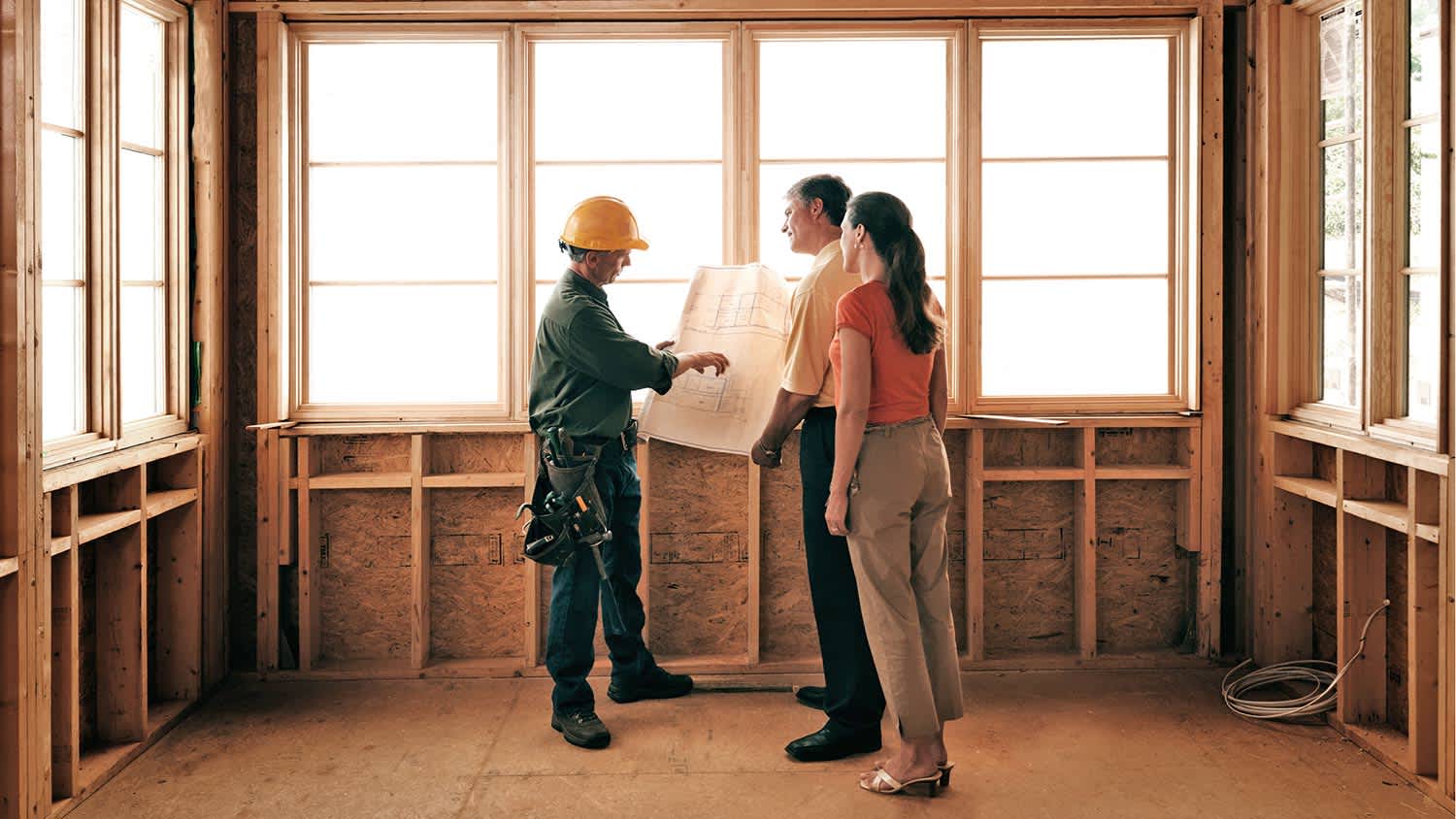
Conducting a thorough interview with the project owner or homeowner is often advisable so you can ask questions and get a detailed wish list of desirables and must-haves. This will help you price the job accurately.. You'll also find out timelines and budget constraints that the client may have.
Indeed, matching a budget to the project will be vital to securing the bid. The project owner or homeowner may ask for too much with too little budget. Or, the project might be beyond your level of expertise. Having an accurate design of the project and a general sense of the client's demands will focus your efforts on projects you can handle.
Once you have reviewed the basic information about a job from drawings and spoken with the project owner, you’re ready to price the job.
You'll need a checklist of material and labor costs that may include the following:
Job location (factor travel expenses)
Job site size
Cost of materials
Cost of equipment
Permits
Subcontractors
According to Remodeling Magazine, many contractors use stick estimating to price a construction job. Stick estimating refers to counting of every piece of material and determining every hour of labor. Another pricing method is unit cost estimating, where you combine unit costs with predetermined standard prices from subcontractors and other specified cost criteria based on job conditions.
Calculating the cost of labor will vary from project to project. This is due to the size of the project and the number of workers needed. Two major factors that determine your budget for labor on any construction site include direct costs and indirect costs.
Direct costs cover the wages you pay your employees. Indirect costs are other hiring variables, including workers' compensation, health benefits, and payroll taxes. Your construction labor cost percentage should be anywhere from 30% to 40% of total costs.
The other main part of contractor pricing is determining the cost of materials. These could be raw materials such as concrete, timber, or sand. It could also be prefabricated materials like bricks, lengths of electrical cable, plumbing pipes, and light fixtures. You'll also want to include the cost of tools and equipment whether you're renting or buying for a particular project.
Remodeling Magazine recommends assigning a United of Measure (UOM) to each project deliverable. Using standard units of measurement, such as per square foot, cubic foot, or lineal foot, or per item, you can attach a full unit cost to each of your line items.
Some examples of UOM in contractor pricing include:
Length of cables and pipes
Surface area of roof, floor, carpet, or walls
Volume of concrete, asphalt, or paint
Count of light fixtures, receptacles, doors, windows, etc.
You can add these together and then apply your markup. The more data you collect, the better the unit of measure is understood and fine-tuned.
Learning how to estimate construction jobs includes maximizing profit and minimizing expenses. When pricing construction jobs, the actual project is one factor. Your day-to-day operational expenses need to be considered to determine your overhead and margin.
Some expenses to consider are:
Salaries
Accounting and administration costs
Advertising and marketing costs
Tools and supplies
Taxes and insurance
One simple way to account for all your business expenses (and make a profit on your job) is to total all your monthly running costs and expenses and divide them by the number of days you work each month. This will give you the daily cost of running your business. Your profit on a job should cover your basic daily business expenses.
You'll want to factor in the competition when pricing your construction bid. This is when highlighting what makes you unique and why can literally be the difference-maker in winning more projects.
For example, you can add details in your proposal that are specific to the proposed job. Value-added solutions that help reduce time and costs for the project are another bonus against rival bidders. Competitive research will help you identify potential gaps in other contenders’ offerings.
As you can see, there's a lot that goes into pricing a construction job. Is there an easier way to gather costs and estimate profit margins than using a piece of paper and pencil? Fortunately, many construction bidding software programs, such as Stack and Clear Estimates, take the hard work of calculating and measuring out of your hands and into the computer.
Contractor bidding software uses job templates to formulate the size and scope of your project. You'll add the specifics of your job and where you're located so the program can factor in region-specific pricing and labor costs.

Once you've developed your contractor price and plan, you'll need to organize and present the proposal in an easy-to-read format that looks professional.
Most contractor quotes include:
Description of work
Cost estimates
Schedule
Payment terms
Contact information
"About us" section
The process of learning how to estimate construction jobs can make a huge difference in your company landing more business.
After submitting to the project owner, you may receive questions about your bid regarding deadlines, project scope, or price. Answering these inquiries promptly with as much detail as possible will help you win over objections and secure more projects.
There may be a negotiation phase to the bidding process for the homeowner to determine the winning contractor. They may be looking for price negotiation to get a lower bid. Or, the project owner may pose more conditions in scope or deliverables. But don't be afraid to walk away from a deal if your margins are too small or there are other deal-breaking concerns.
Learning how to estimate remodeling jobs takes time and patience. Even skilled and experienced contractors can overprice or underprice projects. Your success-to-failure ratio will improve once you’ve developed a system and modified your proposals based on previous experience.
Looking for more leads? Angi pro is one of the easiest and most effective ways to showcase your work and find new home construction and renovation clients. Expand your construction job opportunities by signing up for an Angi pro account today.
1st Choice Renew is simply the best! We hired them for a complete home renovation, and they transformed our space into something truly amazing. The team attention to detail and commitment to quality were evident throughout the project. They were easy to work with, very responsive, and always...
 Save A Dime
Exquisite workmanship from Custom Paint Jobs LLC. My home has never looked better.
 Custom Paint Jobs, LLC
We needed windows in our home, and we couldnt believe we got our entire home done for under $14,000. We have a lot of windows, and not only was it affordable, but it got done in a timely manner! Thanks guys, I truly appreciate you all!
 Window Depot USA of Central Ohio
Chris has been completing paint projects for me on flips, rentals, and even my personal home over the last 5 years. He always does an exceptional job, and is always responsive and easy to get ahold of. Great work, great communication. Iâ d definitely recommend him!
 Y City
Working with Mike on our first home purchase was an absolute pleasure. Mike put us at ease and made the process of buying a home fun. Mike is knowledgeable, honest, professional, and punctual. He worked with our busy schedule and always made time for us. When a home came on the market that...
 Michael Marshall - Buyer's Resource Realty Svcs.
Clint was and is very Professional and takes pride in this company and his work. Definitely recommended him to everyone in my hi-rise building. Excellent proposal and no hidden charges or surprises. Don't find that in today's world.
 Footprints Floors of Columbus
From average costs to expert advice, get all the answers you need to get your job done.
If you’re not keen on spending your afternoon assembling flat-pack furniture, bring in the professionals. How much does furniture assembly cost? It can be shockingly affordable.
If you need electrical work done, you’ve probably been asking, “How much does an electrician cost?” We’ll break down all the cost factors for you here.

Preparing for a big excavation project in your yard? Find out excavator rental prices by type, project size, and more to budget for your project.

As a general contractor, knowing what to charge can be difficult. But there are a few pricing models you can use to figure out the best rate. Discover how to come up with a fair price to keep your business thriving year-round.

If you’re wondering how much to charge to mow a lawn, factor in your hourly rate, cost per square foot, and flat rate fees. Keep reading to learn more.
If the profit margin for your construction company is low, you’re not alone. Learn how to calculate and increase your profit margin today to keep your company thriving in both good times and bad.