
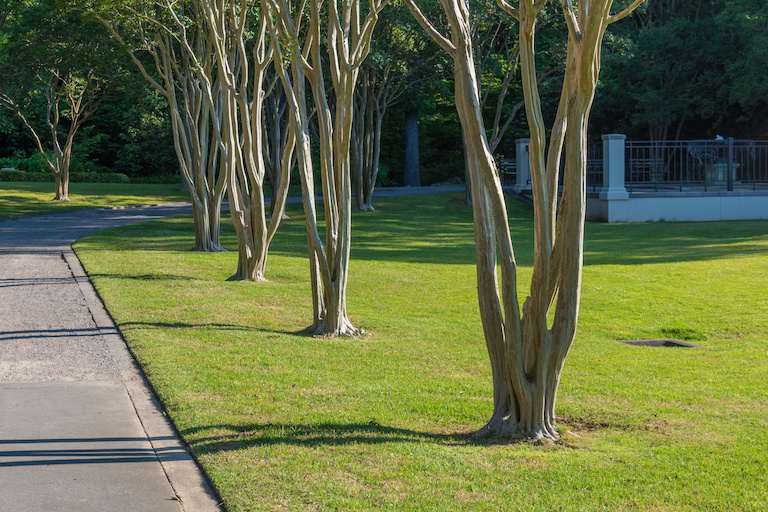
Find out how much it costs to plant a tree based on the number of trees, their size, where you want to plant them, and DIY versus professional costs.
Boost curb appeal (and make the Lorax proud) with a properly planted tree

Proper tree planting technique starts with choosing native species suited to your USDA Plant Hardiness Zone, ensuring your tree thrives without constant maintenance.
Expect to pay $100 to $1,800 for materials when planting a tree yourself, though costs vary based on tree size and type.
Dig your planting hole as deep as the root ball but three times wider, then spread roots outward to encourage healthy growth into surrounding soil.
Hiring a local plant watering professional keeps your newly planted tree properly hydrated during its critical rooting phase, helping it establish strong roots and survive its first season.
Arbor Day isn’t the only day you can plant a tree. In fact, learning how to plant a tree is an excellent, simple landscaping idea that doesn’t just add a little green to your backyard and block out potentially nosy neighbors.
According to the Arbor Day Foundation, one mature tree can absorb 48 pounds of carbon dioxide per year. In other words, it’s easy on the environment and your eyes—and you can do it on your own in an afternoon. Here’s how and when to plant a tree.
Proper planning is the most important step in learning how to plant a tree. Choosing the right tree, picking the perfect placement, and ensuring your timing is on point will set you and your tree up for success. Here are the main factors to account for in your tree planning phase.
Before planting a tree, consider the size, shape, and watering needs. It will grow, so make sure it’ll fit in your space (or get ready to prune the tree often). Since newly planted trees are fragile, don’t set yourself up for failure.
Native trees (those that naturally appear in your specific climate) have the best chance of surviving without a ton of maintenance. Choose your tree based on your USDA Plant Hardiness Zone.
If you’re in zone 6 or 7 (which covers much of New England), you’ll need to choose a tree that can withstand frost. Deciduous trees like oaks and maple can provide fall color but will shed their leaves in the winter. Evergreen trees will stay green year-round.
If you’re in a warmer zone, like zone 9 (which covers the most southern parts of the United States), you’ll probably want to choose a drought-tolerant tree that can withstand high temperatures like sycamore, cypress, or ginkgo.
Early spring is the ideal time to get young saplings in the ground, just before the new buds break for the season. The mild weather and springtime rain will help your new tree develop stronger leaves and roots, allowing it to flourish in the summer sunshine while also standing up to the extreme heat.
If your climate zone experiences intensely hot summers, it’s especially important to get your trees planted earlier in the spring rather than later, as underdeveloped roots may not be able to survive the extreme heat.
Planting trees in fall when they’re soon to be dormant is a good option as well, as it will help prevent heat damage and give them the best opportunity to flourish during the growing season.
For the best results, opt for evergreens and other trees that are adaptable to colder climates. Again, be sure to plant early in the season, just as cooler temperatures arrive.
When choosing how to plant a tree and where to plant it, location is a crucial factor. Select an area with proper sun and plenty of space for the tree to grow. Account for the tree’s full-grown size and keep it away from overhead electrical lines, underground utility lines, driveways, and sidewalks.
Tree roots can also damage your home’s foundation, so allow plenty of space between the tree and your home, garage, and other structures.
Transplant shock can happen when planting a tree, which might cause wilting leaves, early fall colors, dying branches, or even the death of the tree.
To minimize the risk of this happening, plant your tree during spring or fall when the sun is milder—hot, dry summers can do a number on young saplings. It’s also important to ensure your newly planted tree gets plenty of water during the beginning stages.
Once you’ve selected your new tree, as well as when and where to get it in the ground, planting is a relatively straightforward process.
Here’s how to plant a tree and set it up for years of happy growth.
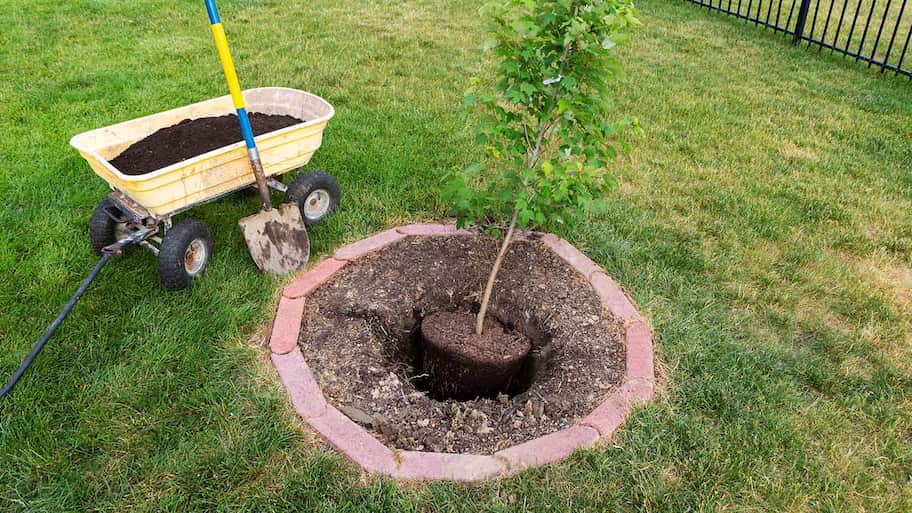
The first step to planting a tree is digging the hole. Use your garden spade to dig a hole that’s as deep—but about three times wider—than the tree’s nursery pot. Use your fork to lightly break up the soil around the edges of the hole. If the soil is compacted soil, your tree will struggle to grow.
The depth of your planting hole is very important. One of the most common tree planting mistakes is digging a hole that’s too deep. The top of the root ball should line up with the top of the soil.
Remove the tree from its nursery pot. Sometimes, a new tree will have a fabric wrapping. Depending on the nursery's instructions, you may or may not need to remove this.
Use your garden hose or a bucket to saturate the root ball. Make sure it’s soaked thoroughly before planting.
Some tree species (like magnolia or eucalyptus) do not like root disturbances. Most of the time, though, you’ll need to unwind and spread out the root ball to encourage the roots to grow into the soil. If your tree is rootbound, you may need to trim the roots to loosen them. You can also cut off damaged roots.

Pop your tree in the planting hole and make sure the top of the root ball is level with the soil surface (a piece of wood or your spade’s handle can help you measure).
Use your spade to refill the hole with excavated soil. Make sure there aren’t any air pockets, since the roots will die if they’re not in contact with soil. You can pack it down gently with your heel (but don’t press too hard because you don’t want to compact the soil).
Trees can be fragile before they root, so you may want to perform the following tasks:
Stake your tree to protect it from windrock.
Use a tree guard to protect your tree from wildlife.
Stakes are particularly helpful for large, heavy trees. Put your stake into soil at a 45-degree angle and attach your tree’s trunk using a tie.

Once you’ve planted and staked your tree, water thoroughly.
Mulching the area can help nourish your tree, insulate the roots, and prevent weed growth.
If you know how to plant a tree, it’s not hard to do on your own—but it does get more difficult the bigger you go. Trees larger than 30 feet generally require specialized equipment like a cherry picker. In some areas, you need to apply for a permit.
Even if you can manage the job alone, a tree service in your area can test your soil quality and make sure your trees have the best possible chance to grow. Since watering your tree is important while it roots, you may want to consider hiring a local outdoor watering service, too.
This service was great. My air conditioner went out during the heat spell that we had. My husband has health issues and they came out that night and at 9:30pm the air conditioner was fixed and running. We are sooo very thankful, this is the company I will be using from now on and would...
 Mr. Mechanical Ohio
One of my old tall evergreen trees was suddenly leaning toward the busy street in front of my house. I submitted a request for an emergency tree inspection, and Alejandro, owner of Cajete Tree Service, contacted me immediately and arrived to look at it just 20 minutes later. We agreed the...
 Cajete Tree Service LLC
1 tree was cut down and 5 others including a large willow tree were trimmed. The Grant Tree Service men were professional and cleaned up afterwards. The cost of the 6 trees were affordable. I am very happy with the results. I would hire them again.
 Grants Tree Service
D1 Roofing delivers outstanding service from beginning to end, backed by a strong warranty and expert teams. I highly recommend them for their excellence in meeting and surpassing expectations with unmatched communication. Choosing D1 Roofing was flawless decision
 Division 1 Roofing LLC
Promptly arrived for quoting! Demonstrated superb customer service, affordable pricing, and completed service swiftly! Looking forward to the spring for our service!
 All Star Paving and Sealing
Seth was very professional, prompt in responding to queries about the work required , gave sincere advice as to what would be best for tree trimming and did the job timely.
Ace Fireplace Services' chimney sweep service is truly exceptional. They used advanced technology to ensure a thorough cleaning process, and my chimney has never looked better. I highly recommend their services.
 Ace Fireplace Services
I definitely recommend Ramonaâ s cleaning service! I have booked services with her many times and she arrives on time, ready to work and provides a great service.
 Your Cleaning Solutions LLC
Webb â s was priced well, flexible on scheduling, great with communication, and detailed in their work. Iâ ll definitely use their services again.
 Webbs Pressure and Paint LLC
Great tree company, very professional and honest. Glad we found them, they had the best pricing
From average costs to expert advice, get all the answers you need to get your job done.
Find out how much it costs to plant a tree based on the number of trees, their size, where you want to plant them, and DIY versus professional costs.
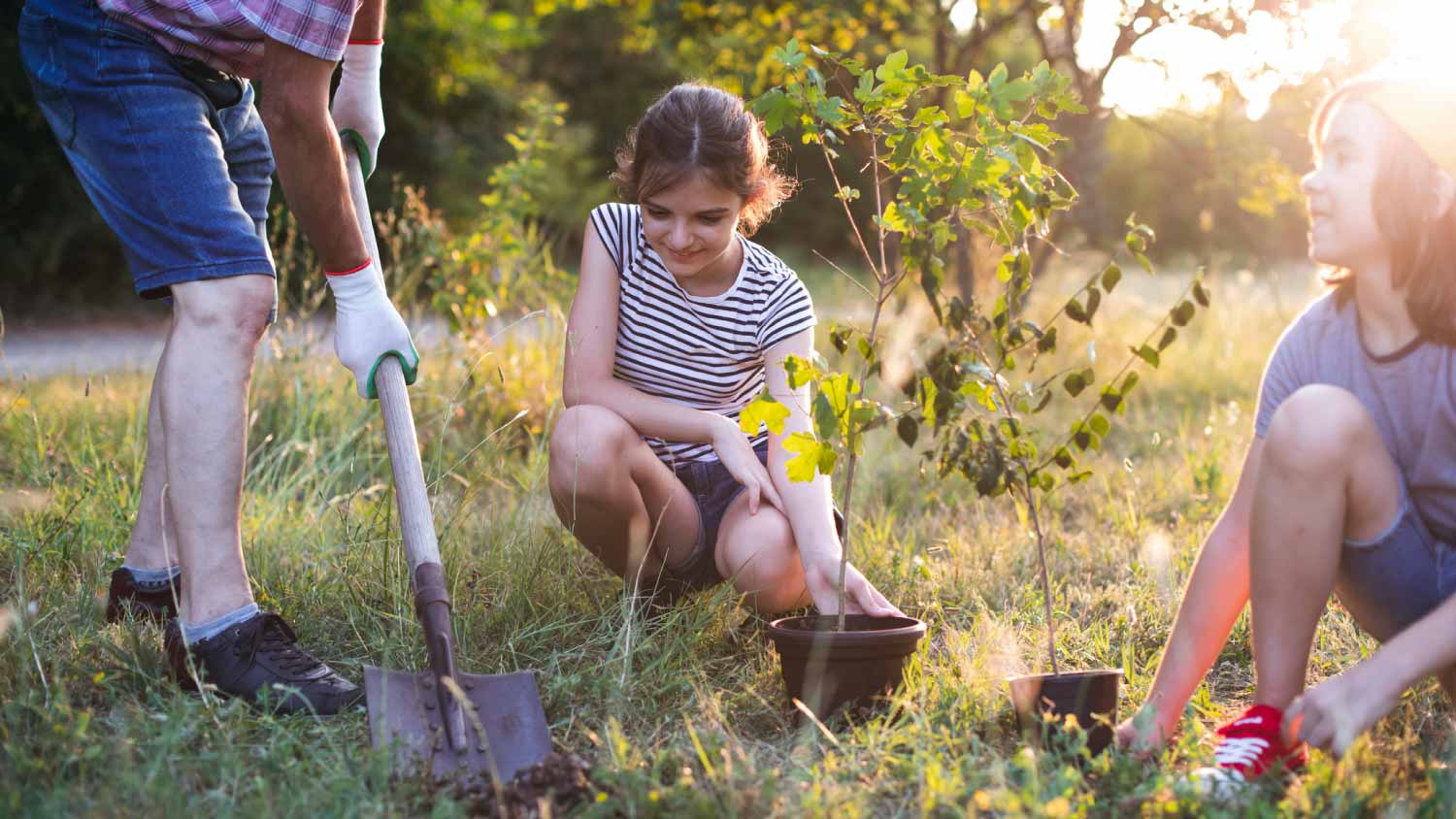
To create privacy and shade but avoid utility lines, it’s important to know where to plant trees in backyard. Our guide explains how to plant and grow a tree.
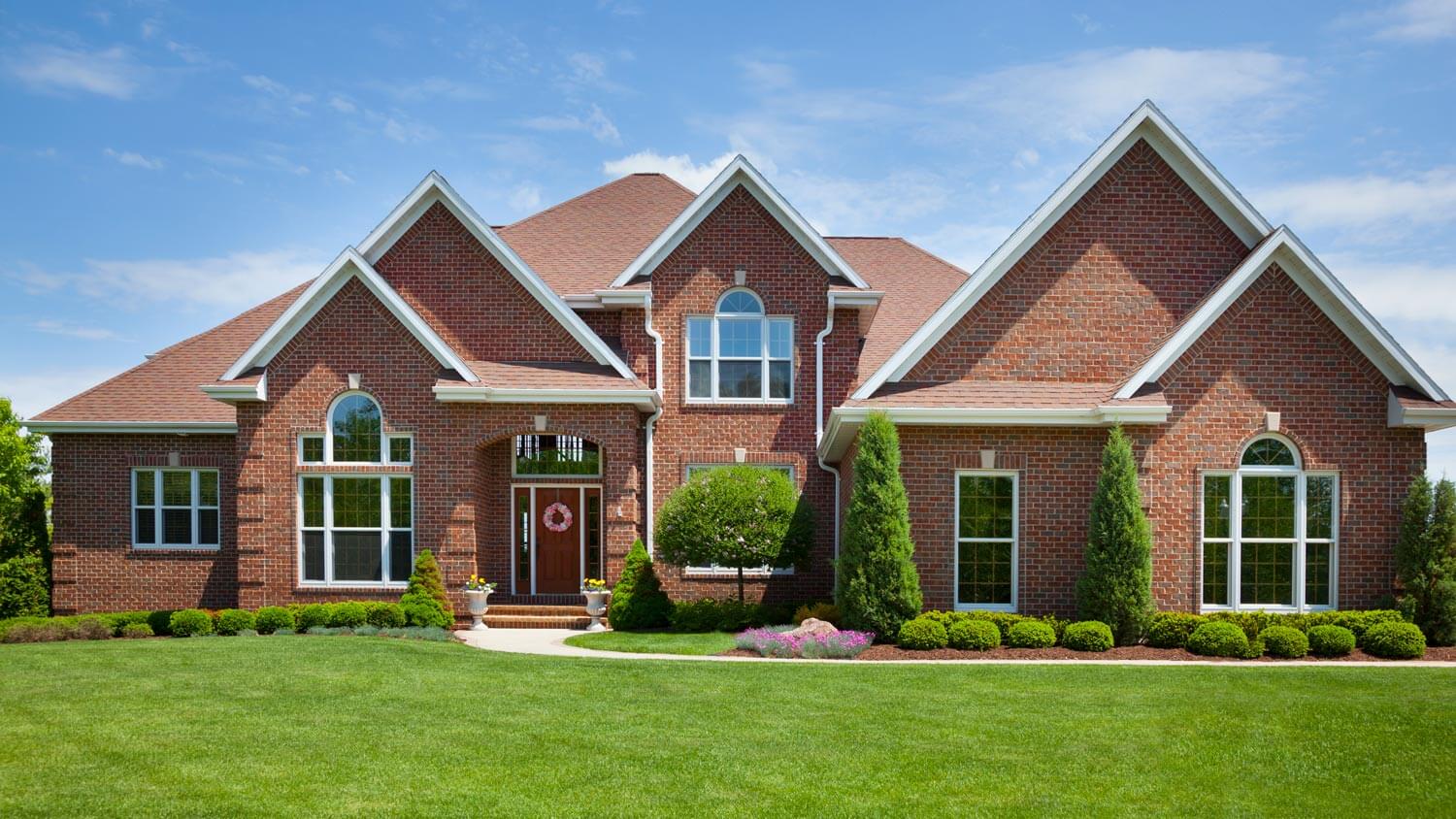
They say to plant a tree, but not all trees are alike. Check out these seven reasons why you should not plant a tree before you make a costly mistake.
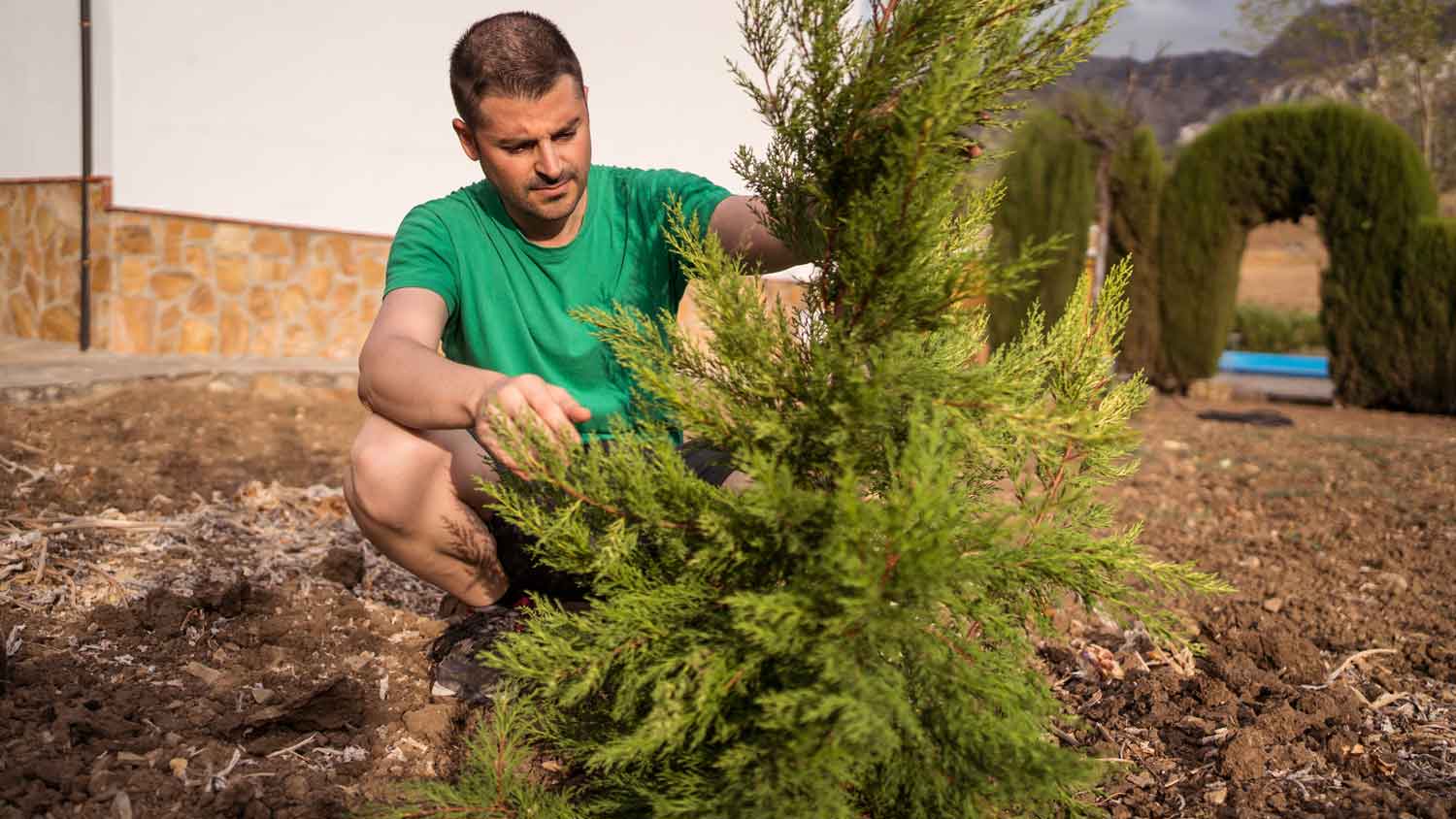
Wondering who to hire to plant trees? Learn everything you need to know about the hiring process for professional tree planting in this informative guide.
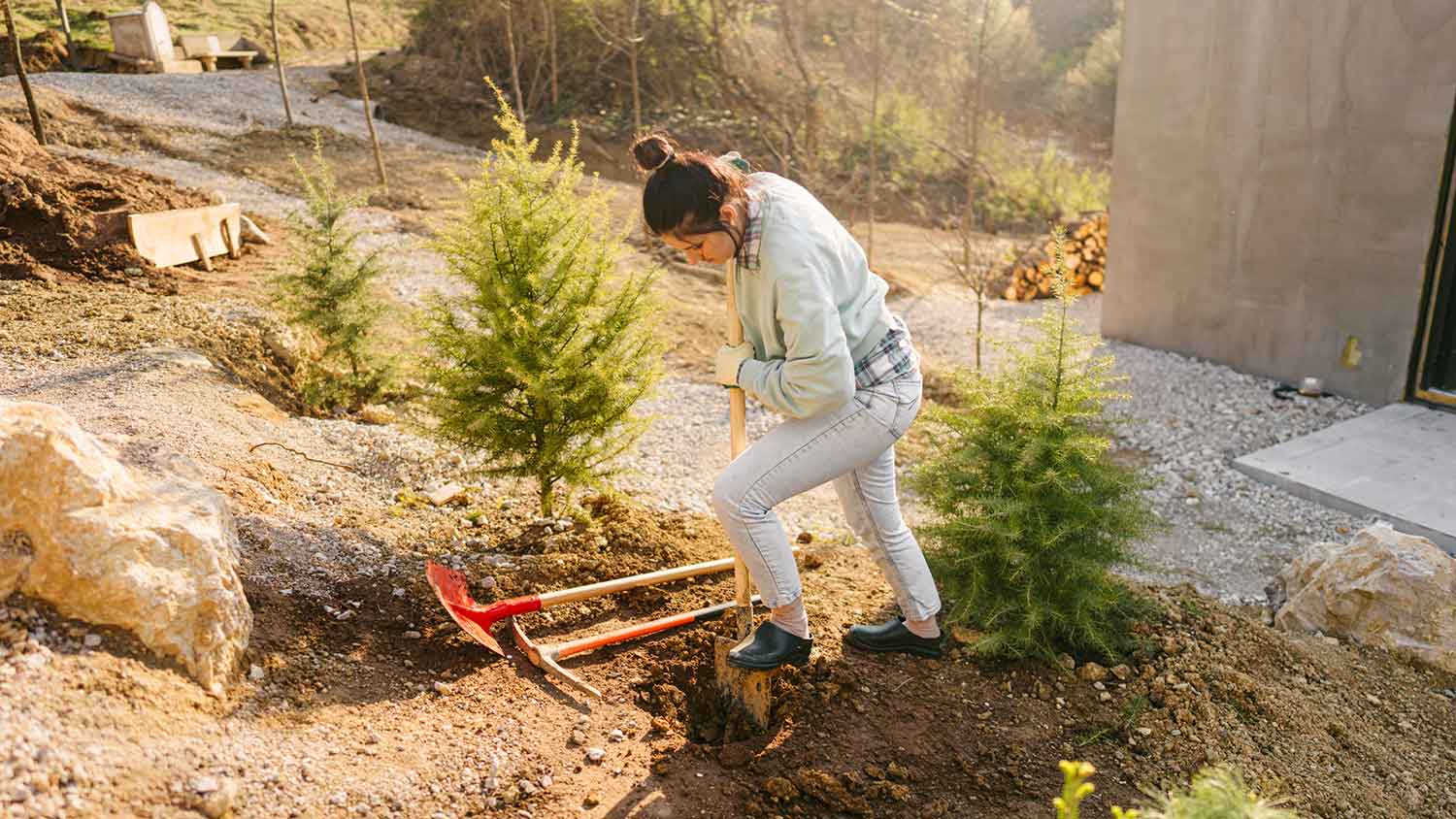
Wondering when is the best time to plant trees? This guide covers everything you need to know about timing, climate, and species to ensure your trees thrive.

New trees and shrubs can liven up a lawn, but improper planting will leave you with a plant graveyard. Keep your trees healthy by avoiding these common planting mistakes.