
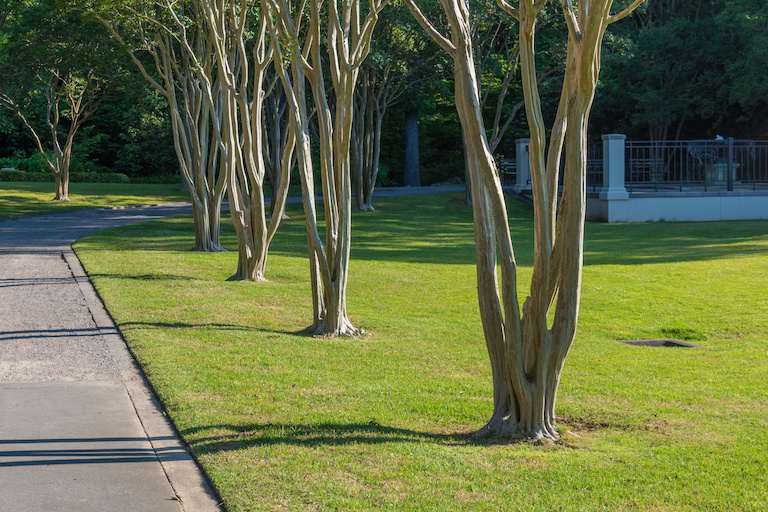
Find out how much it costs to plant a tree based on the number of trees, their size, where you want to plant them, and DIY versus professional costs.
Our guide will help you find the perfect spot

Choosing the best spot to plant trees in your backyard means keeping them at least 15 feet from your foundation and away from utility lines.
Tree root systems grow two to four times the diameter of the crown, so you need enough space to avoid damaging underground pipes and electrical wires.
Calling 811 before you dig helps you locate buried utility lines, and placing flags around your digging area ensures a utility surveyor can mark safe zones.
Hiring a local tree planting service professional takes the guesswork out of selecting the right location and ensures your new tree thrives for years to come.
Adding trees to your property can bring shade, protect you from the elements, and beautify your landscaping. But it’s important to be strategic in terms of where to plant trees in your backyard. Our guide explains how to plant trees so they’ll get enough light, have enough space to grow, and won’t pose a danger to surrounding structures.
When planting trees in your yard, there is a lot to consider from the cost of planting a tree to picking the right place for it to go. Here are some places in your backyard where a new tree is more likely to thrive:
If you’re considering planting a tree to cover up unsightly utility equipment, you’ll want to reconsider. Downed trees or branches on overhead power lines, a common problem after a storm, can cause power outages and other headaches. And, as trees grow, so do their root systems, which can quickly take over underground utility lines such as sewage pipes and underground electrical wires. Not to mention, digging a hole near a utility line can be dangerous, especially if you encounter an unexpected gas line.
To make sure that you don’t plant too closely to utilities, consider the following:
Call 811: This free hotline can save you from digging up buried utility lines. When you call, you’ll be instructed to place flags surrounding the entire area you wish to dig, and a utility surveyor will visit your property and ensure that you are safe to dig.
Consider the mature root system of your tree: Generally, you can expect trees to grow root systems two to four times the diameter of their crown. You’ll need to ensure that your tree is planted far enough away from utilities that these roots won’t become a problem when the tree is at its mature size.
Work with a tree planting service: A local arborist can help you decide where the best place to plant a tree in your yard is.
If you have a particularly sunny property, you might find that you enjoy the shade provided by a new tree. After all, shade can keep your home cool in the hot summer months. For maximum shade, you’ll want to choose large leafy trees, such as maples.
Trees can provide privacy from nosy neighbors and a sound barrier from noisy ones. If you find yourself in need of peace on your property, consider planting a dense tree line of evergreens along your property line.
In general, you should plant a new tree at least 15-20 feet away from your house. Trees that are too close to your home can drop branches on the roof, attract pests, and cause other problems. Plus, the roots could damage your foundation as they grow and spread.
When choosing a location to plant your new tree, you’ll need to take into account the other trees on your property. If you plant them too close together, you risk stunting their growth and having branches get dangerously tangled together as the trees grow. You’ll want to leave a minimum of 10 feet between trees, but spacing requirements can often be much larger than that depending on the types of trees you have. When in doubt, consult with an arborist or other landscape expert.

Once you’ve found the perfect spot for your new tree, here are a few simple steps to help you prepare for the new addition to your landscape.
Choosing the right tree can make or break your success when gardening with trees. You’ll want to research numerous factors before landing on a final choice. Think through:
How big the tree will get: Certain tree varieties get very tall or wide, which can pose a problem years down the line. To avoid planting mistakes, make sure the tree you want is appropriate for the space you have. If you live in a cramped area, for example, avoid pines and oaks, which get extremely tall.
Your hardiness zone: You can’t grow a palm tree in Alaska. Every area of the country has a different hardiness zone assigned by the USDA. Stick to trees that grow well in your specific zone.
The aesthetic you’re looking for: Think through the look you’re going for. Picking trees that blend with the rest of your landscaping and offer benefits like shade, seasonal fruit, or just an appealing look will help you enjoy your new tree for a lifetime.
You can plant a tree with many tools homeowners typically have on hand. The basics include a good shovel, gloves, and a watering method. Additionally, you’ll want a few bags of soil to make up for any lost soil. Topping with mulch is also helpful to retain moisture when you first plant the tree.
Planting a tree isn’t quite like planting flowers. The hole you dig should be much larger and wider. The general rule is that the hole should be two to three times wider than the tree root ball. Also, ensure that the hole is deep enough for the entire root system to be buried below ground.
If you live in an area that experiences harsh winters, covering your newly planted tree could offer just enough protection to help it survive freezing temperatures. To keep your trees healthy until next year, consider covering them with materials such as burlap, sheets, or tarps. For best results, you’ll want to keep these coverings from directly contacting the tree foliage by forming a frame out of stakes.
To hydrate the roots of the tree and get it established in the ground, you’ll want to generously water the newly planted tree. A hose is helpful here, but buckets of water also work. Thoroughly drench the area until all the soil is well watered.
Tree stakes can help brace trees so they’re protected from strong winds and other harsh weather. This is especially helpful for trees that have vulnerable trunks. To stake your tree properly, you’ll need to drive two stakes into the ground, one on each side of the tree, and then tie the tree trunk to each stake. When strong winds blow, these tree stakes will stabilize your tree and help to limit damage.
This service was great. My air conditioner went out during the heat spell that we had. My husband has health issues and they came out that night and at 9:30pm the air conditioner was fixed and running. We are sooo very thankful, this is the company I will be using from now on and would...
 Mr. Mechanical Ohio
One of my old tall evergreen trees was suddenly leaning toward the busy street in front of my house. I submitted a request for an emergency tree inspection, and Alejandro, owner of Cajete Tree Service, contacted me immediately and arrived to look at it just 20 minutes later. We agreed the...
 Cajete Tree Service LLC
1 tree was cut down and 5 others including a large willow tree were trimmed. The Grant Tree Service men were professional and cleaned up afterwards. The cost of the 6 trees were affordable. I am very happy with the results. I would hire them again.
 Grants Tree Service
D1 Roofing delivers outstanding service from beginning to end, backed by a strong warranty and expert teams. I highly recommend them for their excellence in meeting and surpassing expectations with unmatched communication. Choosing D1 Roofing was flawless decision
 Division 1 Roofing LLC
Promptly arrived for quoting! Demonstrated superb customer service, affordable pricing, and completed service swiftly! Looking forward to the spring for our service!
 All Star Paving and Sealing
Seth was very professional, prompt in responding to queries about the work required , gave sincere advice as to what would be best for tree trimming and did the job timely.
Ace Fireplace Services' chimney sweep service is truly exceptional. They used advanced technology to ensure a thorough cleaning process, and my chimney has never looked better. I highly recommend their services.
 Ace Fireplace Services
I definitely recommend Ramonaâ s cleaning service! I have booked services with her many times and she arrives on time, ready to work and provides a great service.
 Your Cleaning Solutions LLC
Webb â s was priced well, flexible on scheduling, great with communication, and detailed in their work. Iâ ll definitely use their services again.
 Webbs Pressure and Paint LLC
Great tree company, very professional and honest. Glad we found them, they had the best pricing
From average costs to expert advice, get all the answers you need to get your job done.
Find out how much it costs to plant a tree based on the number of trees, their size, where you want to plant them, and DIY versus professional costs.
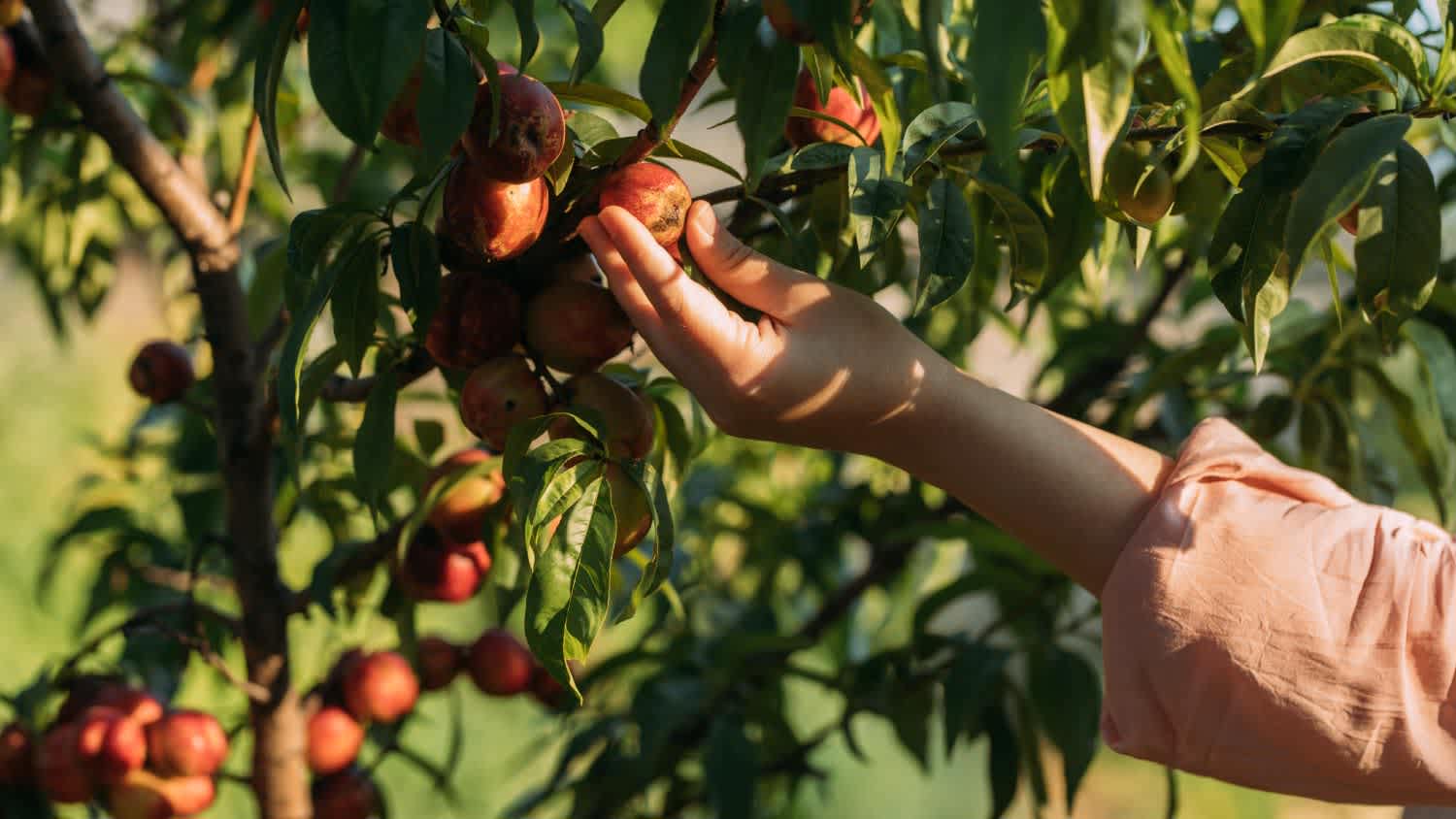
Would you pick and eat fresh, homegrown fruits? Learn about the best fruit-bearing trees that can add value to your yard with tips to grow them.
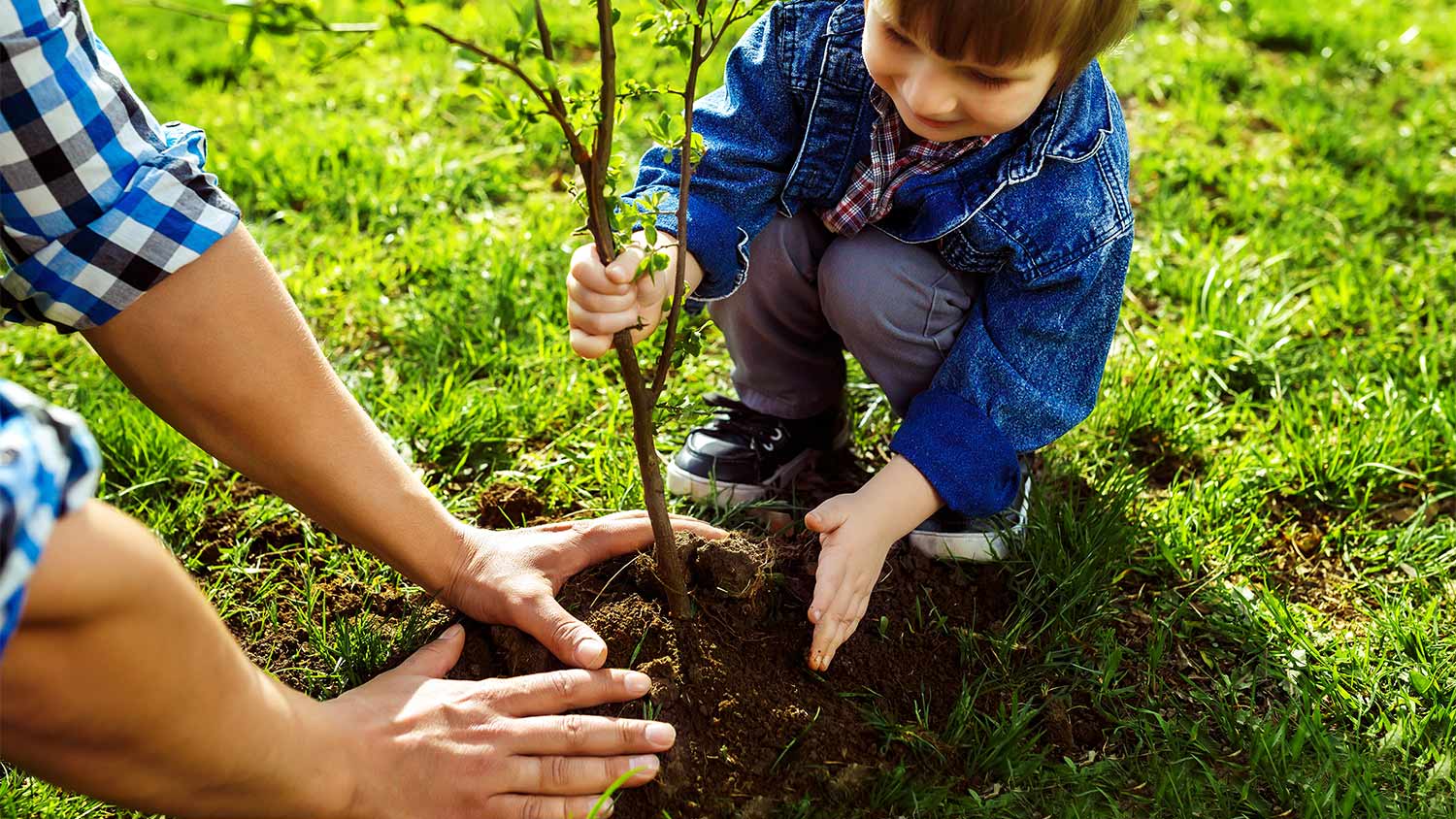
One tree can make a big difference in your yard, especially as it grows. Grab a spade and get moving. Here’s how to plant a tree you’ll love for decades.
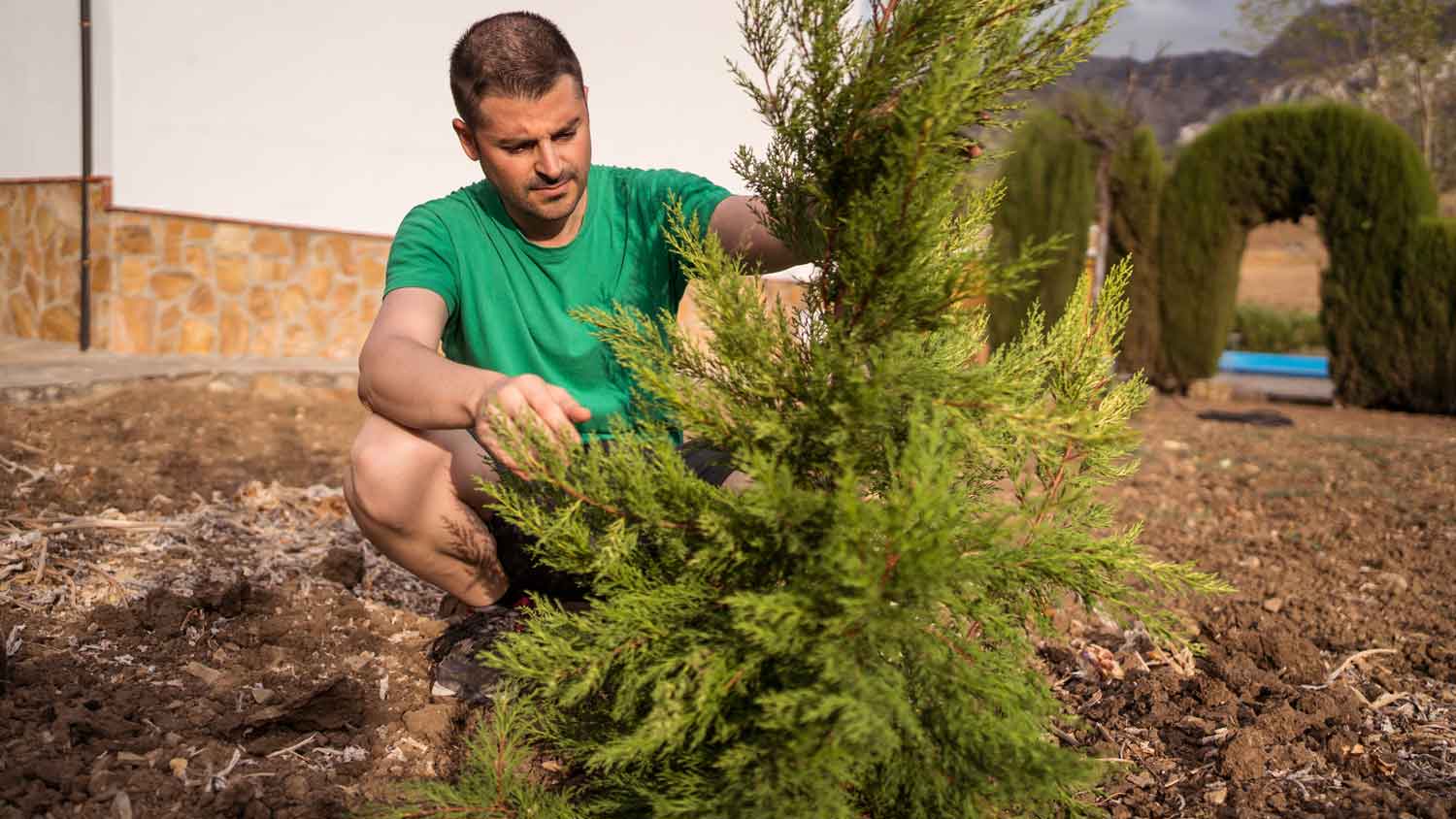
Wondering who to hire to plant trees? Learn everything you need to know about the hiring process for professional tree planting in this informative guide.
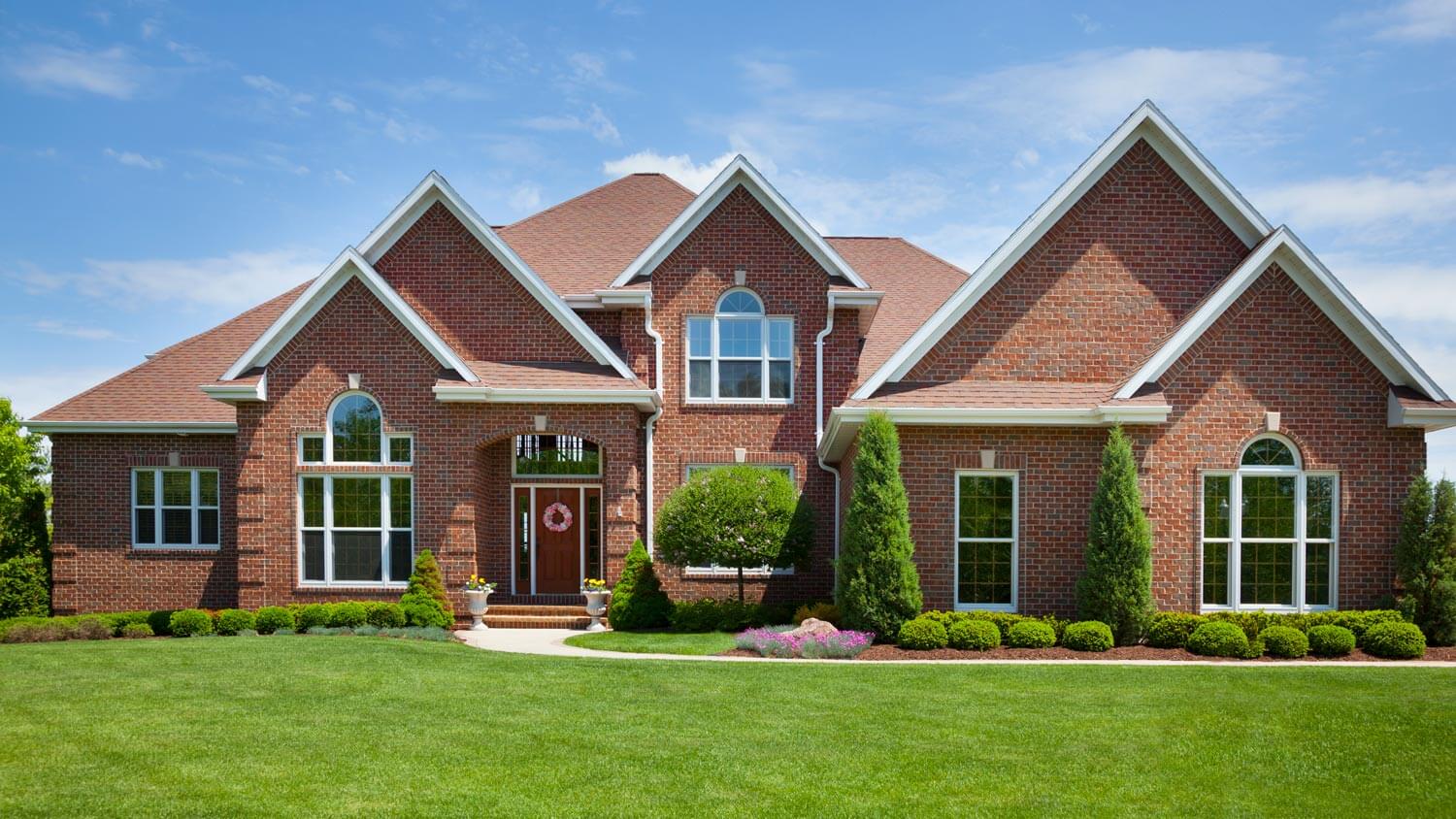
They say to plant a tree, but not all trees are alike. Check out these seven reasons why you should not plant a tree before you make a costly mistake.
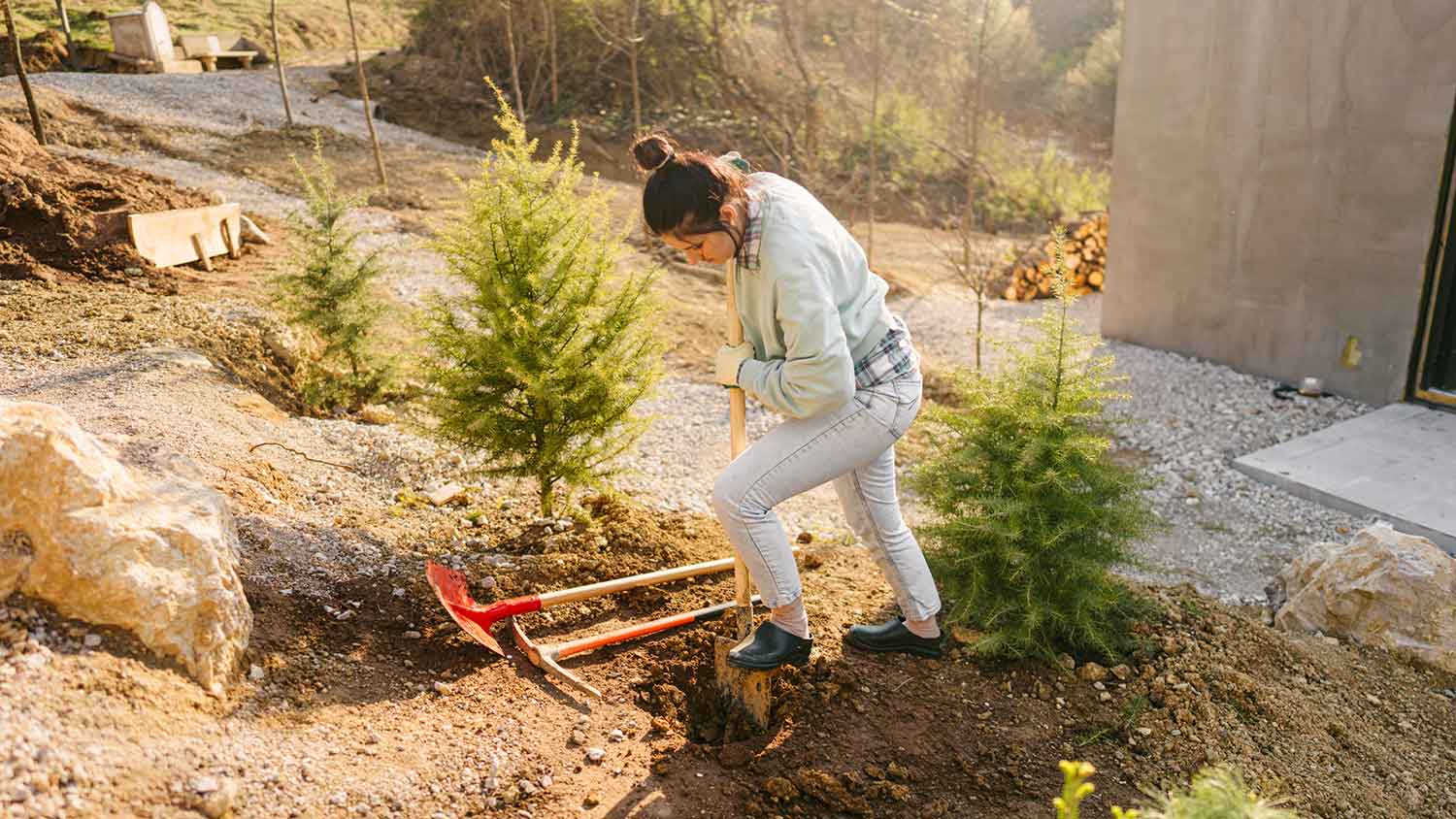
Wondering when is the best time to plant trees? This guide covers everything you need to know about timing, climate, and species to ensure your trees thrive.