
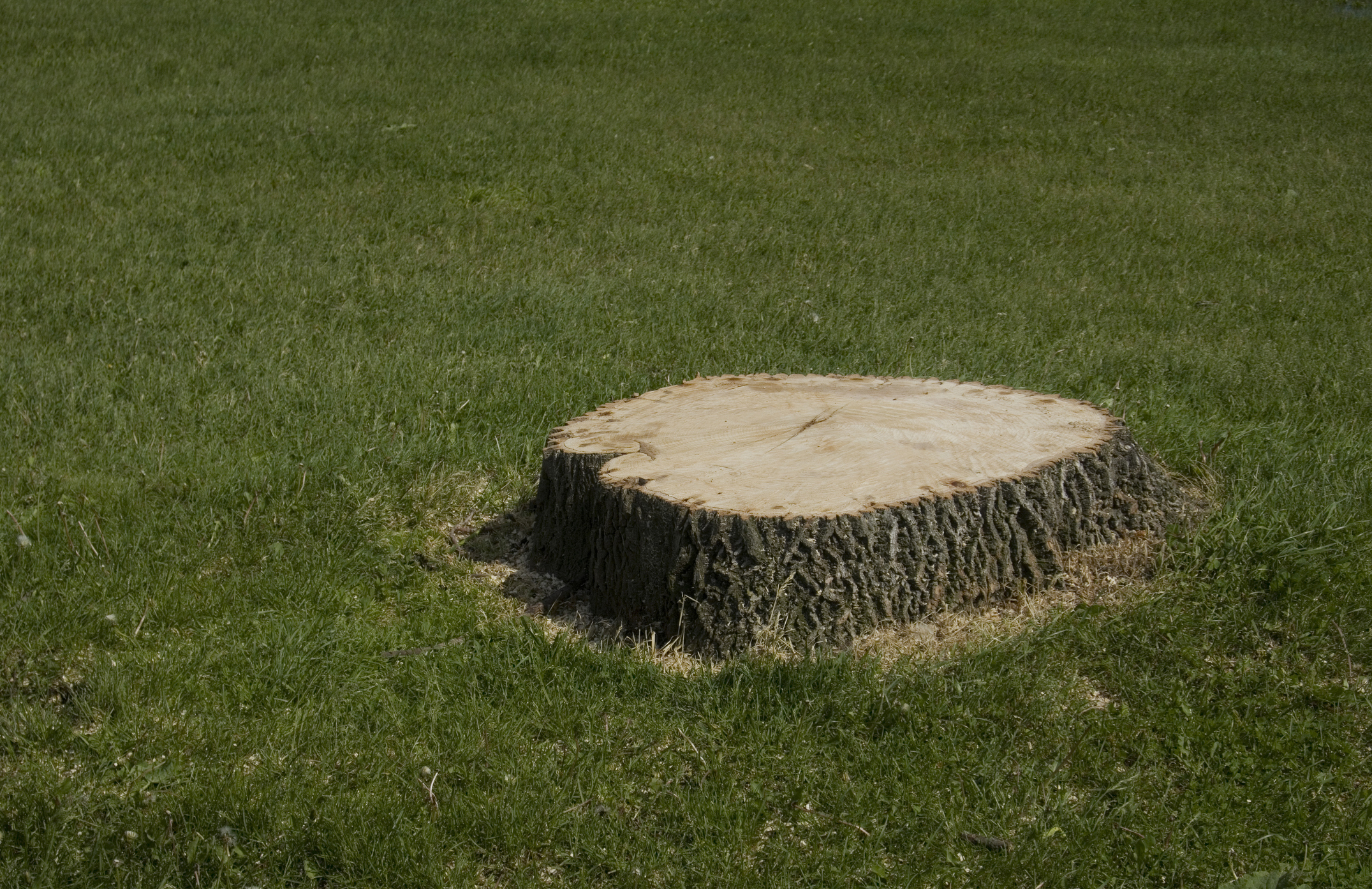
What’s the best tree stump killer? Learn how to kill a tree stump using these seven effective methods.
All you need is a little herbicide and elbow grease

Tree-killing chemicals work best when applied directly to fresh cuts in the bark, helping herbicide soak into your tree and roots.
Expect to pay $170 to $500 for professional stump grinding, which grinds the stump below ground level so your yard looks cleaner.
Salt dehydrates tree stumps and prevents resprouting, but you should use it carefully since it will also kill nearby grass and vegetation in your yard.
Hiring a local tree removal professional keeps you safe during cutting and ensures proper herbicide application, especially when dealing with large or resilient trees.
Trees provide a lot of benefits, from shade and oxygen to the lime for your margarita. But there are still reasons you might need to know how to kill a tree—even if it’s healthy.
Trees can grow dangerously close to your foundation, for example, or you might be dealing with an invasive tree species that will slowly take over your yard. Whatever the reason, these 10 tips will show you how to kill a tree and its roots.
Not sure whether you should remove a tree from your yard? Hire a professional arborist to inspect the tree and help you determine if you should take the next steps to cut it down.

One of the best ways to kill a tree is to simply cut it down. This works best with certain tree species that won’t regrow (like oak, pine, palm, or maple). With other species, you’ll also need to treat the trunk or kill the roots.
With this method, the bigger the tree, the bigger the job. If you don’t have experience using a chainsaw, you might be able to find someone to cut your tree down for free. It depends on your city, the health of the tree, and where it’s located. If that’s not an option, call a tree removal service near you to ensure this project is done properly and safely.

Once you cut down your tree, you need to make sure it won’t grow back. Some species—like elm, dogwood, and ficus—are resilient. A simple chopping job isn’t enough. In this case, you can grind or treat the stump.
The cost of professional stump grinding is typically $170 to $500. If you want to go the DIY route, spray the cut surface with tree killer herbicide. You’ll only need to treat the outer 3 inches if it’s a larger tree, since the internal heartwood is already dead.
This task has serious personal and home safety risks. You should strongly consider hiring a tree removal professional to ensure it's completed safely and effectively.
Salt is a good alternative to herbicide, but it’s best used to kill tree stumps by dehydrating them so they can’t re-sprout. First, you’ll need to cut down your tree. Then, you can drill holes in the stump and fill them with rock salt or Epsom salt.
Wet the salt, sprinkle a ring of salt around the base, then cover the stump with a tarp to make sure the salt won’t wash away in the rain. Keep in mind that salt will kill nearby grass and vegetation, so use this method carefully.
Girdling is the process of removing the bark around the circumference of the tree. This essentially starves the tree because it can’t transport nutrients.
To girdle the tree you want to kill, use a hatchet to remove all layers of bark in a circle around the trunk. The line of your ring should be anywhere from 2 inches wide (for a small tree) to 8 inches wide (for a large tree).
If you’re wondering how to poison a tree effectively, it all starts with a cut. Cutting through the surface of the bark creates a direct pathway for herbicide to enter the tree’s vascular system.
Start by trimming your tree as much as possible, then use an ax or hatchet to make downward cuts in the bark. Immediately spray a tree-killing herbicide into the fresh cuts. This method works best outside the growing season, where sap might offer some protection.
Certain chemicals for tree-killing, called basal bark treatments, are specifically designed for use on the bark of woody vegetation. To kill a tree, spray this type of herbicide on the bottom 12 to 18 inches of the tree trunk from spring to fall.
Though this method doesn’t pose a huge risk to other vegetation, it’s still best to hire a tree service in your area to make sure it’s done safely.
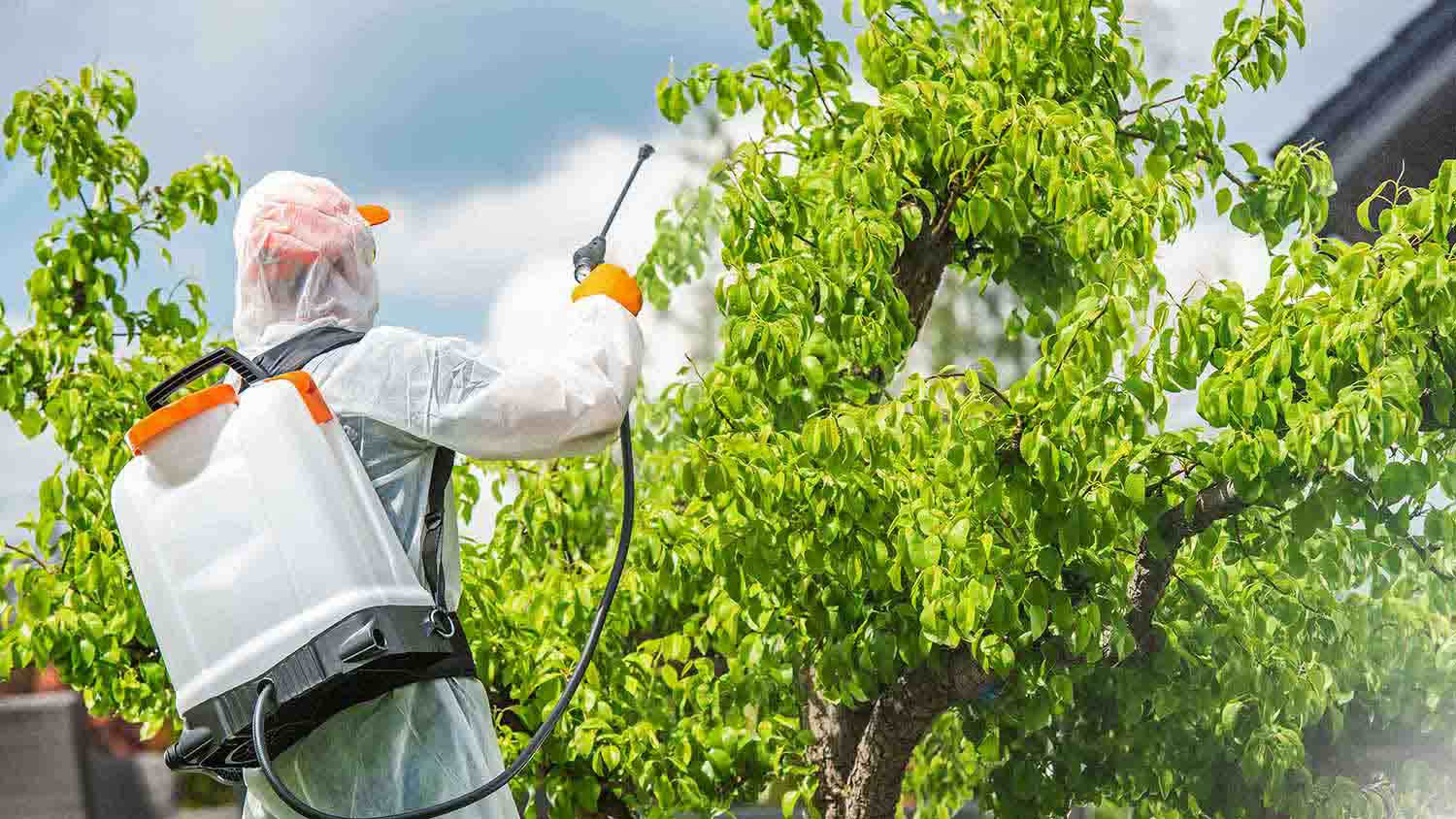
As far as DIY methods go, some people try killing a tree with bleach. This isn’t really effective because it will only kill the foliage it touches. It won’t kill the actual plant unless it’s a sapling or a delicate ornamental tree.
Instead, between early summer and early fall, use an herbicide on foliage up to 15 feet high. The treatment isn’t as effective when trees are heat- or drought-stressed, so make sure temperatures are cooler, and your trees are well-watered.
Soil treatments can be highly effective because they focus on killing the roots of trees. Without healthy roots, a tree essentially starves. Choose a tree root killer that’s meant for soil and not one made to pour into your pipes (those are for tree roots that clog plumbing). Once you have the soil treatment, apply it per the manufacturer's instructions.
Trees and other vegetation can actually meld together in a process called root grafting. This means that whatever you spray on the tree you want to kill could end up inside the grafted plant.
Typically, this only happens among the same species or those in the same genus, but it’s still important to be mindful since tree roots can stretch a distance equal to the height of your tree.
If you’re using herbicides, keep it safe by calling a professional. You may face local regulations, so at the very least, call your local environmental agency to check.
Do copper nails kill a tree? The short answer is maybe. Before you head to your toolbox, know that this method isn’t backed by science. The truth is that hammering in a few copper nails won’t do much to a healthy, mature tree, according to the Invasive Species Network.
Theoretically, it could kill a small sapling, but there are far more effective ways to get rid of those too. It’s best to skip this method and focus on something you know will work.
If you want to give your tree the best chance at a healthy, long life, here are some tips for what not to do.
Avoid tree topping: Topping your tree might seem like a quick way to reduce its height, but it actually encourages watersprouts and attracts pests. Instead, use proper crown reduction techniques.
Remove branches carefully: Leaving co-dominant leaders creates a weak “V” shape that makes the tree more likely to split in storms, so it’s best to pick a dominant branch early on and remove the other.
Fix crossed branches: Crossing branches should never be ignored, as they rub together, damage bark, and create open wounds.
Treat pest and disease issues quickly: If you see insect or disease damage, don’t assume it’ll take care of itself. Identify the issue and treat it properly.
Avoid pruning paint: Whatever you do, skip the pruning paint. Trees naturally seal their own wounds—covering them traps moisture and invites decay.
Leave herbicide application to the pros: Be careful with herbicide usage. Some can harm tree roots, so only use those marked as tree-safe or hire a tree service pro for best results.
Protect trees from lawn equipment: Using mulch around the base helps protect the roots and prevents accidental nicks from mowers and trimmers.
Handle roots carefully: If you’re digging near roots, do it carefully. When a root must be cut, make a clean cut on the tree side to help it heal.
Avoid adding weight to the tree: Never attach wires, ropes, or other objects to the tree. Over time, they can cut into the bark and cut through branches.
Prune with purpose: Never leave stubs, and always cut back to a lateral branch or the branch collar rather than making a flush cut.
Use tree stakes carefully: Stakes should be removed after one year to avoid damage.
One of my old tall evergreen trees was suddenly leaning toward the busy street in front of my house. I submitted a request for an emergency tree inspection, and Alejandro, owner of Cajete Tree Service, contacted me immediately and arrived to look at it just 20 minutes later. We agreed the...
 Cajete Tree Service LLC
1 tree was cut down and 5 others including a large willow tree were trimmed. The Grant Tree Service men were professional and cleaned up afterwards. The cost of the 6 trees were affordable. I am very happy with the results. I would hire them again.
 Grants Tree Service
Promptly arrived for quoting! Demonstrated superb customer service, affordable pricing, and completed service swiftly! Looking forward to the spring for our service!
 All Star Paving and Sealing
Seth was very professional, prompt in responding to queries about the work required , gave sincere advice as to what would be best for tree trimming and did the job timely.
Ace Fireplace Services' chimney sweep service is truly exceptional. They used advanced technology to ensure a thorough cleaning process, and my chimney has never looked better. I highly recommend their services.
 Ace Fireplace Services
Binion and Alex did such a good job. Fast, fair, efficient. Would def use them again. Best experience Iâ ve had in moving - someone should give them a raise. Will undoubtedly recommend this service.
 All My Sons Moving & Storage
I definitely recommend Ramonaâ s cleaning service! I have booked services with her many times and she arrives on time, ready to work and provides a great service.
 Your Cleaning Solutions LLC
Webb â s was priced well, flexible on scheduling, great with communication, and detailed in their work. Iâ ll definitely use their services again.
 Webbs Pressure and Paint LLC
Great tree company, very professional and honest. Glad we found them, they had the best pricing
The service was great. Overall experience amazing. From initial call to completion, it was under 2 hours.
 Precision Overhead Garage Door Service
From average costs to expert advice, get all the answers you need to get your job done.
What’s the best tree stump killer? Learn how to kill a tree stump using these seven effective methods.
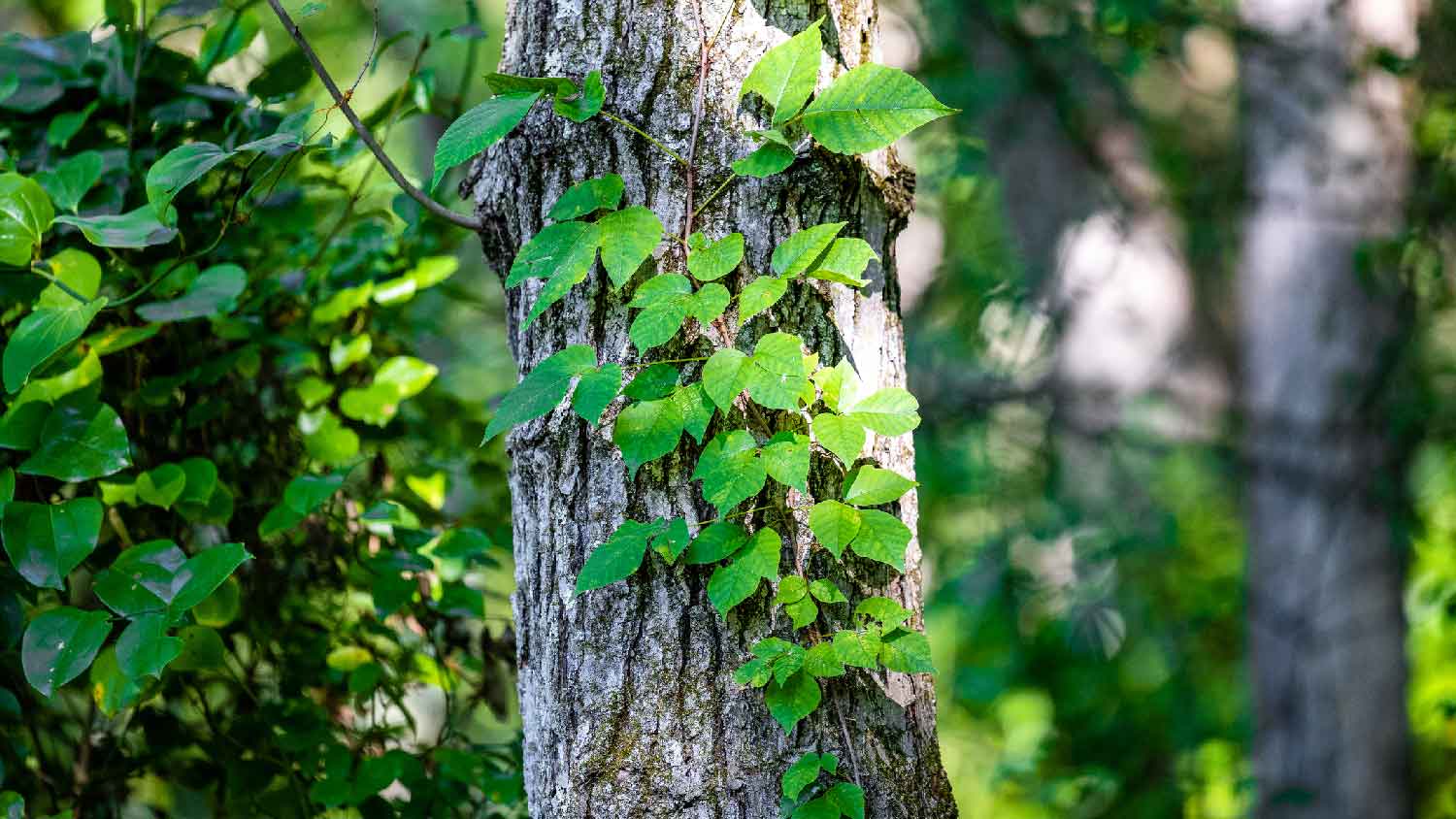
Learn how to kill poison ivy on a tree using one or more of several effective methods to remove or control this noxious plant.
How long can a dead tree remain standing? It depends on a number of factors. Here’s what you need to know about removing a tree.
Are tree roots uprooting your landscaping plans? Here are five ways to kill tree roots without damaging the rest of your lawn.
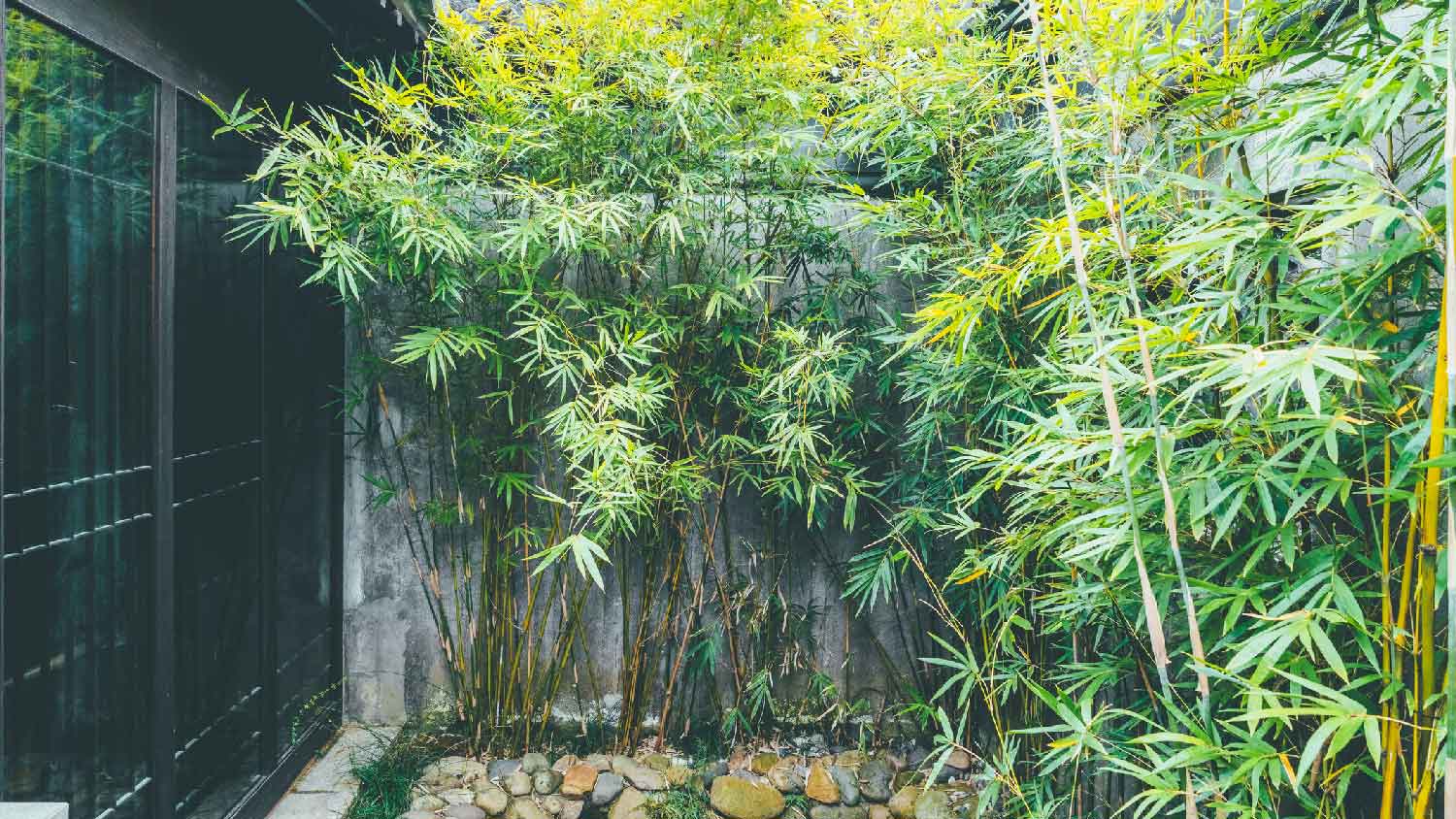
Bamboo has a habit of spreading through root growth. Here’s how to stop bamboo roots in its tracks with the most effective methods, and tips on what doesn’t work.
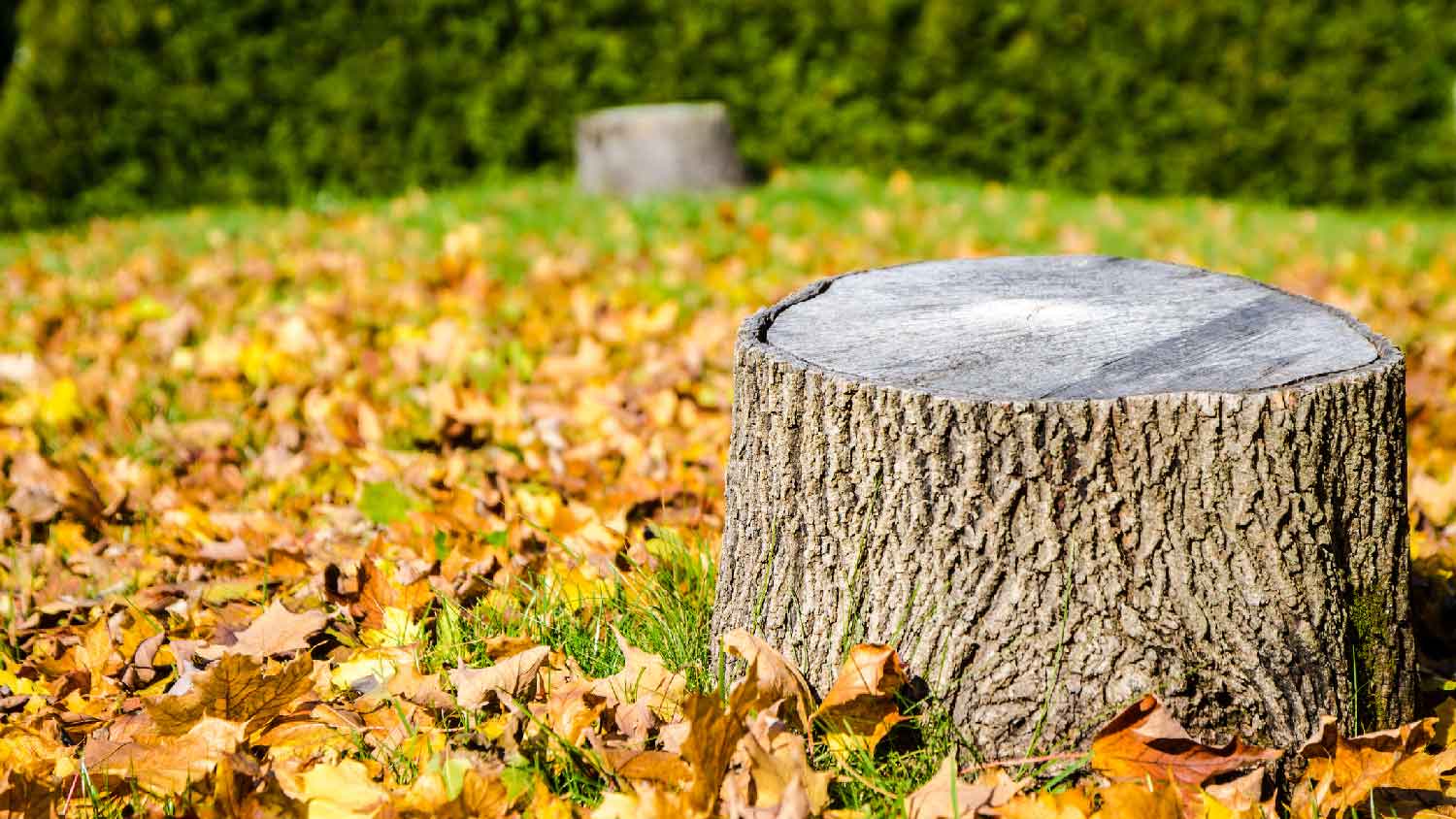
Tree stumps can take a long time to die and become suitable for removal. You can help out by applying Epsom salt and vinegar, a homemade option that works with patience.