
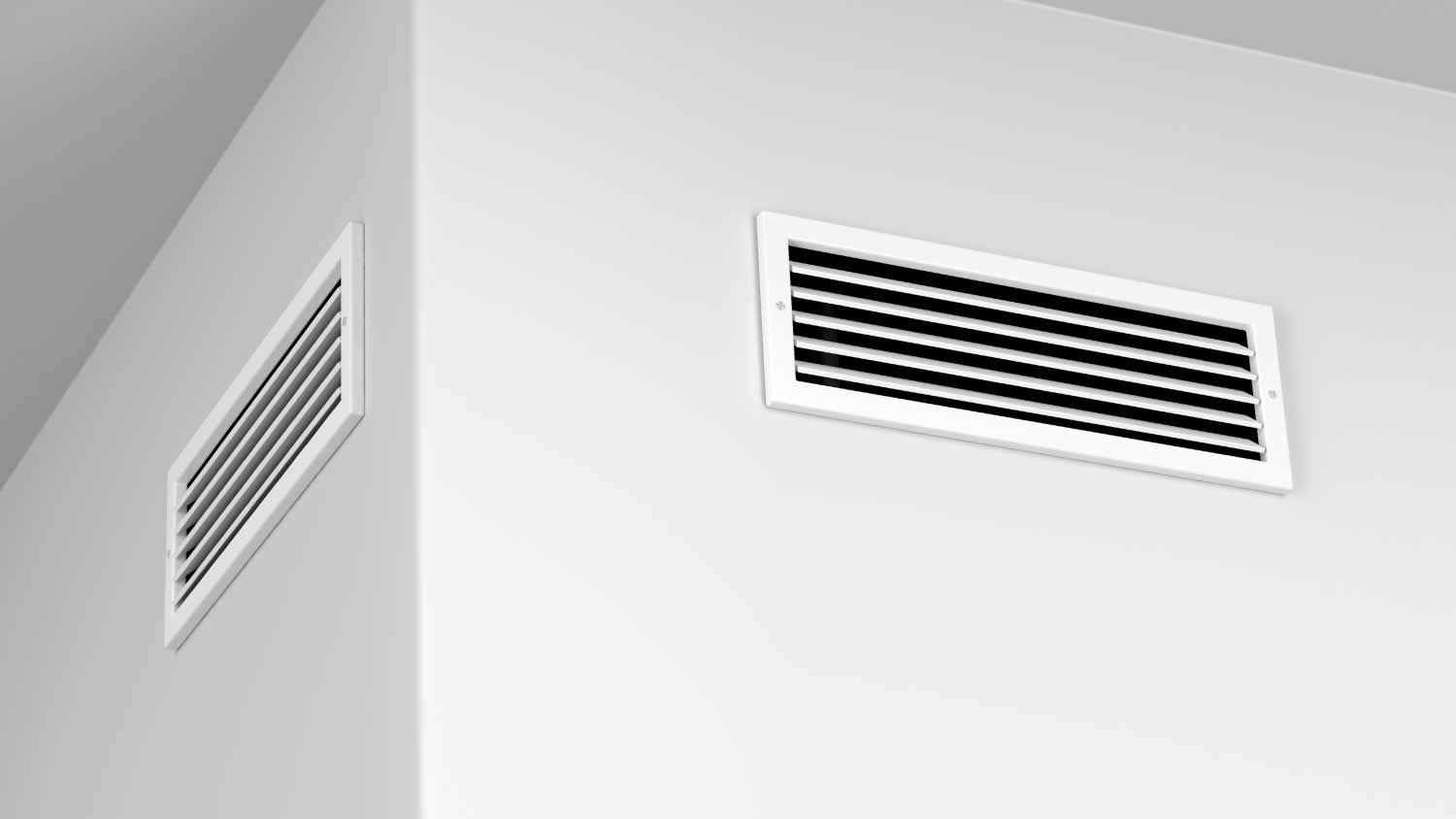
Curious about how much it will cost to add a return air vent? Our guide will help you discover the cost factors and ways to save on this project.
Clear the air, literally

Restricted airflow in your home often results from blocked vents, dirty filters, or leaky ducts that prevent proper air circulation throughout your rooms.
Expect to pay $1,700 to $2,000 for a basic two-zone HVAC system, with additional zones adding $350 to $500 each to improve airflow.
Increasing return airflow starts with checking for blocked vents, cleaning or replacing dirty filters, and partially closing vents in unused rooms to redirect air.
Hiring a local duct installing professional provides expert guidance on adding return vents, enlarging existing vents, and diagnosing leaky ductwork for better circulation.
Have you ever adjusted the thermostat, but it just doesn't seem to reach the temperature you want? If sticky notes or tape you’ve posted to your wall are peeling off because they're sweating, your coffee instantly turns into an iced latte, or it feels suffocating upstairs but perfectly breathable downstairs, you may be dealing with restricted airflow. We'll show you how to get more airflow from vents.
Basic science explains why airflow can feel uneven or constricted in different parts of your home: hot air rises, cool air sinks. Even if you keep the thermostat consistent, this is why it feels hotter upstairs than downstairs.
More heat is also generated downstairs, usually from cooking in the kitchen. As your heating and cooling unit works overtime to reduce the temperature after dinner, that hot air rises to the upper floors and makes it hotter in those rooms.
The sun also produces heat, and the roof basks in it all day. This effect is only magnified if there isn't much shade around your home and the roof is a dark color. Sidewalls in upstairs rooms can trap the heat from sunlight in a similar way, turning them into saunas.
If you live in a one-story home, but the air seems stale or too hot or cold, other HVAC problems like dirty filters or leaky ducts are usually the culprit.
If your house isn't cooling down or heating up like it used to, before calling in a pro for air duct maintenance, make sure all your vents and return vents are open and unobstructed.

Not sure if constricted airflow is the problem or if it's another ductwork issue? You'll know that diminished airflow is your main problem if you notice any of the following:
It's too hot. You have constricted airflow if you're cranking up the AC, but constantly feel like a human version of boil-in-a-bag rice. The cold air isn't getting circulated.
It's too cold. Inversely, if your home feels like an igloo, the heat from the furnace can't get into the ducts.
The air seems stale. If you regularly go in and out of your home, it shouldn't feel or smell like it hasn't been lived in for months. Even if you don't notice troublesome temperature changes, stale air is a telltale sign of blocked airflow.
Constricted air flow might affect only part of your home, usually upstairs rooms. If multiple duct problems persist, it can affect the entire home.

Fortunately, you don’t have to tolerate a stuffy home or being too hot or cold. You can make your HVAC system more effective at circulating air with the following improvements.
Supply air and return air need to be balanced, but there's no such thing as too much return air. By installing more return vents throughout your home, they can trap the air and remove it, improving air circulation.
A drawback with this method is that your ductwork needs enough space to support additional vents. Smaller homes that can't add more vents need to pursue other options.
Think of standard return vents as a personal pizza that isn't very shareable. Giant, deluxe return vents are like a huge pizza that can feed several people. Except instead of sucking in cheese and pepperoni, that giant return vent is eating hot, cold, or stale air and constantly sharing it with the rest of the HVAC system.
Giant return vents are especially effective at increasing airflow from downstairs if it's too hot upstairs.
However, it may not be a viable option for older homes where you can't easily switch to larger vents and/or ducts.
Ductwork itself is a major limitation. Ducts can be noisy and temperamental, and if they're too big or small for your home, they can cause airflow problems. If your home's ducts are incredibly old, but renovations aren't feasible, ductless systems eliminate this problem.
Portable ACs, window units, and mini-split ductless heat pumps are flexible options meant to fit one room or space instead of an entire home. They don't rely on ducts to circulate air. This means less clunky and expensive duct cleaning and maintenance. Ductless systems are ideal for condos, small homes, and rooms with poor airflow because they're too close to the roof.
Depending on the climate where you live, ductless systems can provide efficient year-round heating and cooling. But if temperatures drop below freezing where you live, ductless systems may be fine for cooling but not heating.
Zoned HVAC systems fix the unevenness issue in multi-story homes. Rather than one universal thermostat, these systems create personalized zones so they each have their own temperature. Each floor can be set to a different temperature as well.
Smart zoning is incredibly comfortable and energy-efficient. You can combine a zoned HVAC system with smart thermostats and other climate control devices to control temperature and airflow from your phone.
Your local duct installer can walk you through the best HVAC options for your home based on its age, size, and airflow troubles. If you want to upgrade to zoned HVAC, a basic two-zone system costs between $1,700 and $2,000, with additional zones adding another $350 to 500. Adding a smart thermostat runs $100 to $250 per device.
Ductless zoning can cost $2,000 to $6,000 per room, although portable and window ductless options cost as little as $ 100 to $800.

Before considering drastic and expensive options like a new HVAC system, these preventative tips might help with your air flow issues.
You might not realize that your furniture or stuff is blocking vents. Move these items so that the vents can do their job.
Got a guest room, but stuff from forgotten hobbies sleeps there more than guests? Partially closing vents in unused rooms will redirect the airflow to rooms you use more often.
This is particularly important if your home has multiple stories, but you’re unsure how to get more air flow from vents upstairs. Completely shutting the vents on lower floors will make those areas stuffy. But if they’re less open, it sends more air upstairs without turning that home office into an airlock.
Filters are the beating heart of an HVAC system. They can clog, fit poorly, or need replacement. If your air flow feels uneven, a dirty or ill-fitting filter could be the cause.
Older ductwork can constrict airflow. Cracks and holes from age or poor maintenance will leak air. The air escapes through these leaky points instead of flowing through the ducts and out the vents. If just one duct has this problem, it can be easily fixed. If too many ducts are cracked, it could be time for a complete HVAC overhaul.
If stale air is your main problem, ventilators are the solution. Ventilators routinely push stale air out and draw fresh air in, so the airflow increases and stays consistent.
Ventilators also reduce energy consumption and humidity, preventing mold and other gross and expensive problems. Because they also pre-condition the return air, it puts less strain on your HVAC system.
Proper insulation in your attic and sidewalls can absorb a lot of that excess sunlight and heat that makes it too hot, especially on upper floors.
For most of the home improvements in this article, it's best to consult an HVAC professional. Air conditioning components use refrigerants, which require licenses and training to install and handle correctly. Adding new thermostats for zoned HVAC systems may require changes to the wall and wiring, which carries a major risk of electrocution and injury.
Small window AC units can be safely installed by the average person. No additional materials are needed except caulk to seal cracks between the unit and window, which costs $3 per tube. Usually, window units have all the required hardware in the box. But if your windows need modification, or you're installing the unit on a higher floor, it's best to get professional AC installation, which costs $60 to $300.
If you’re good people wanting to do business with good people, hire Matt. He is a consummate professional and utterly competent. He installed a water heater in my home at a price that beat competitors by hundreds of dollars with a promise to support the unit for its life (even after its 6 yr...
 Greene's Plumbing Services
Corey Carr was great. I had damage from a recent storm and needed to have my mast and other components replaced. The project entailed coordinating with AEP, and Corey helped make a stressful situation a lot less stressful. I really appreciated his dedication to service and the job very well done.
 Mr. Electric of Columbus
This service was great. My air conditioner went out during the heat spell that we had. My husband has health issues and they came out that night and at 9:30pm the air conditioner was fixed and running. We are sooo very thankful, this is the company I will be using from now on and would...
 Mr. Mechanical Ohio
I normally do not leave reviews, but my experience with Worthington Air was extremely frustrating and disappointing. About 30 days ago, I had a consultation done for an HVAC replacement and was quoted approximately $15,079. Based on that quote, I applied for financing through their company...
 ARS Columbus Worthington Air
Great company! Price was competitive, technician showed up on time and completed the job (exterior electric Radon fan replacement) quickly. Would hire them again.
 MaGen Property Inspections and Radon Mitigation
Raven and crew does absolutely fantastic job. They are very professional if any concerns were to occur with any of her work she always took responsibility and finished out with a great job. I have worked with her business for a year and have always been satisfied. Very trusted business and...
 Creations of Transformation LLC
I would recommend this company to anyone! He showed up on time, was friendly, completed a very difficult repair on our dryer vent cover, was responsive, and pricing was extremely fair and competitive. I would have him back to do any of our repairs or cleanings without hesitation!
 U.S.A. Dryer Vent, LLC
Ace Fireplace Services' chimney sweep service is truly exceptional. They used advanced technology to ensure a thorough cleaning process, and my chimney has never looked better. I highly recommend their services.
 Ace Fireplace Services
The technician was very professional and friendly. He answered all my questions and was very thorough. He left the fireplace area very clean . He inspected from the roof and advised me as to other work that might need to be done. There was no pressure there. I was very satisfied with the...
 Supreme brick & chimney
On time, clean and finished fast. Windows seem sturdy and the finish is good. Caulking was done with no smudges. Would recommend.
 Window Depot USA of Central Ohio
From average costs to expert advice, get all the answers you need to get your job done.
Curious about how much it will cost to add a return air vent? Our guide will help you discover the cost factors and ways to save on this project.
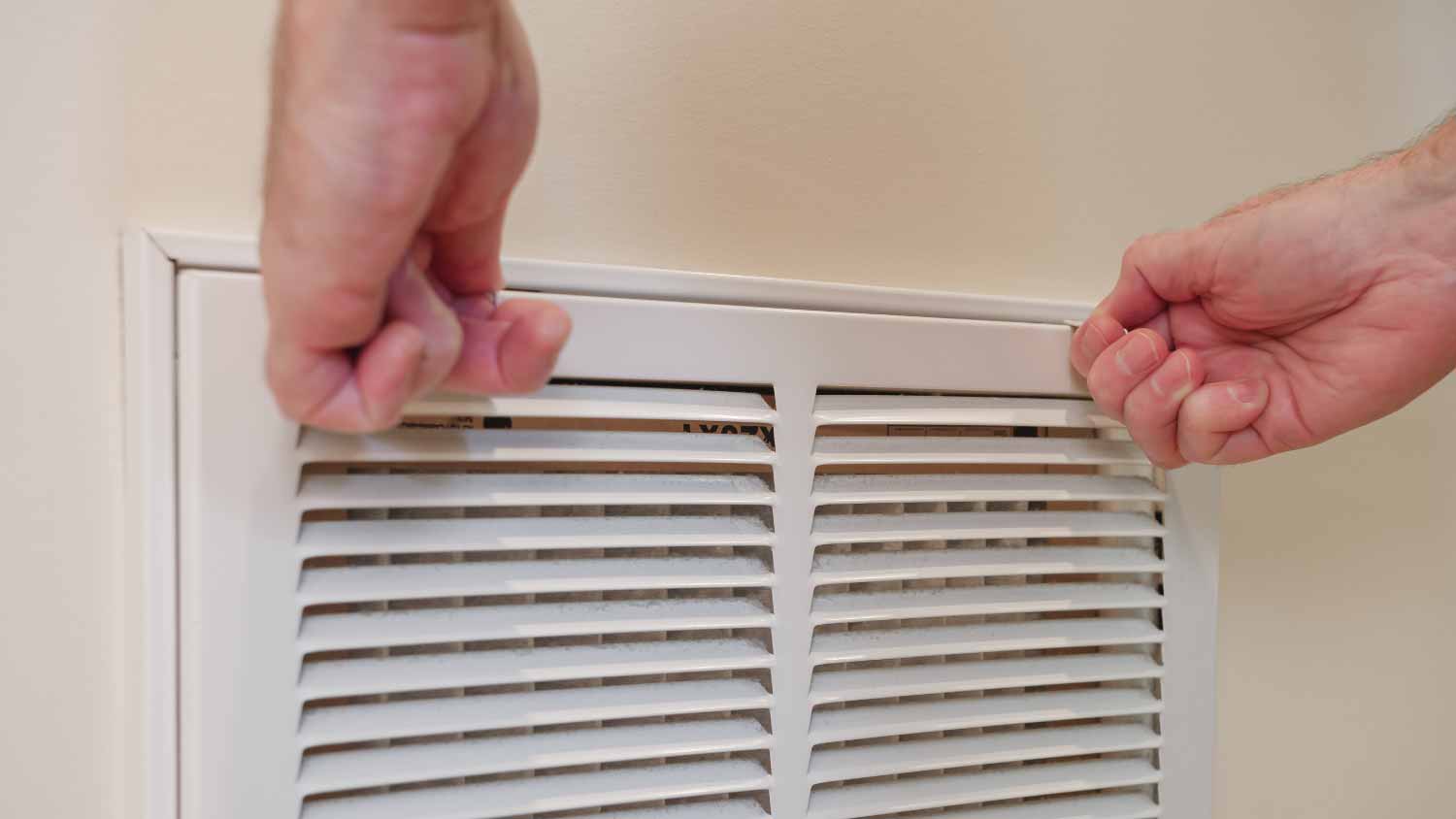
Notice debris coming out of air vents in your home? Explore common causes of debris in air vents and what you can do to keep the vents clean.

Learn how to redirect air vents with an easy-to-install deflector. You’ll have better airflow without having to call an HVAC pro.
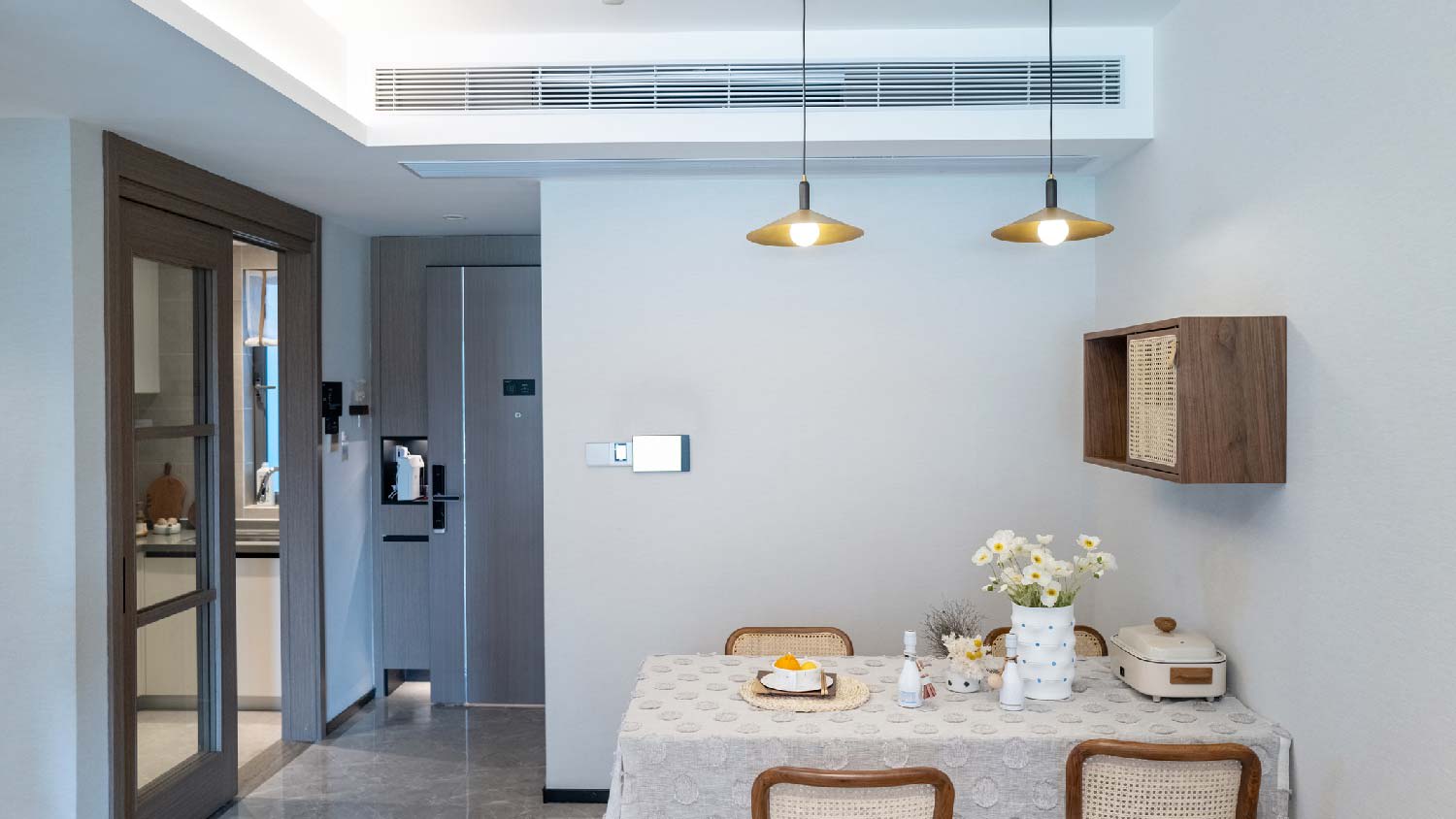
Your home’s vent placement matters, so where should return air vents be located? We discuss what factors impact your return vent’s performance.
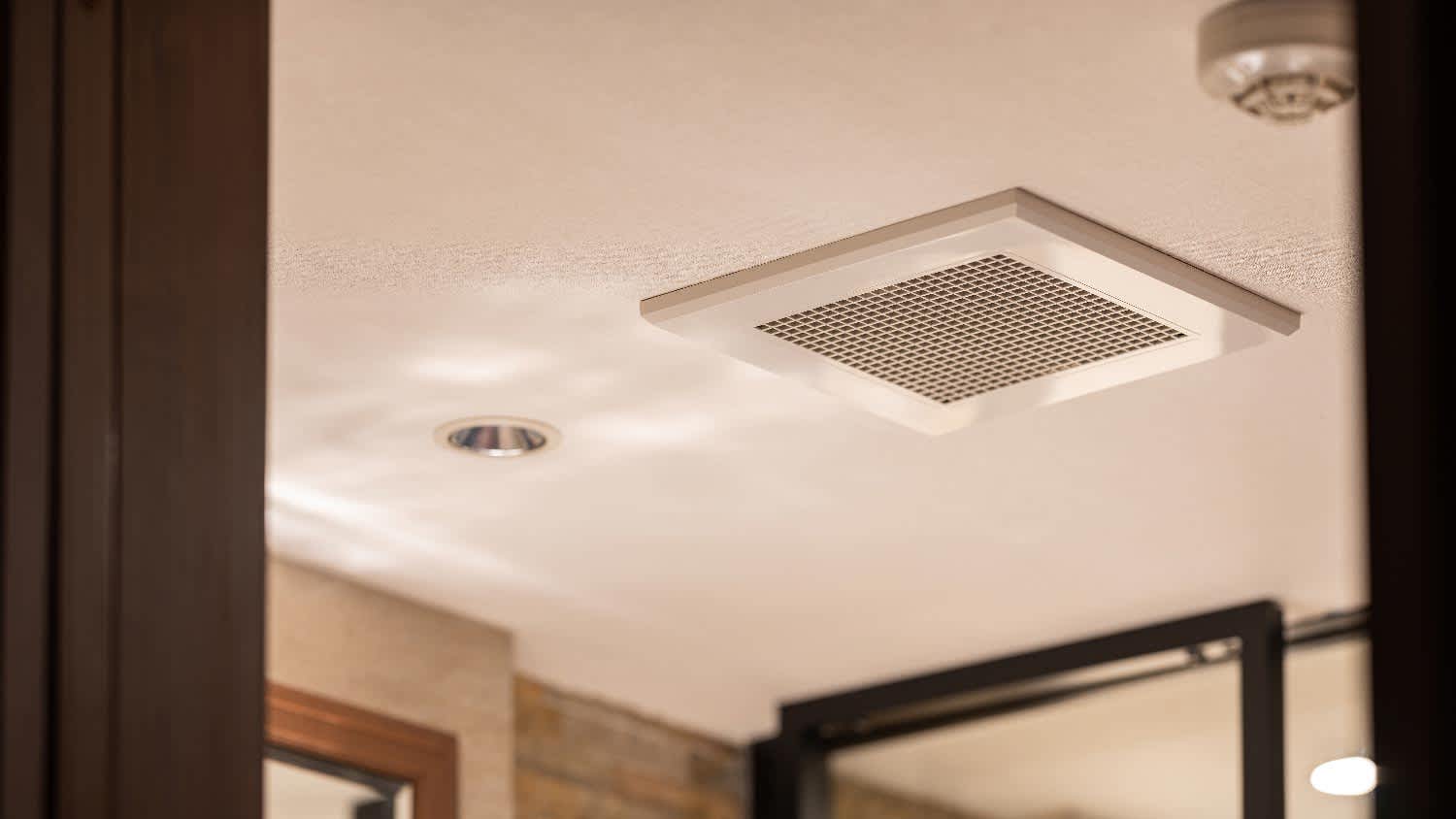
Roasting or shivering in a room? The vent could be closed. Check out this DIY guide on how to open ceiling air vents and get more comfy.

What is a return air vent? They’re how the air in your home returns to the central heating and cooling system. Here’s how they work.