
Curious about how much it will cost to add a return air vent? Our guide will help you discover the cost factors and ways to save on this project.
A flip of a switch and you're done

Air conditioner ceiling vents need to stay open for your HVAC system to heat or cool your home properly, as closed vents disrupt airflow balance.
Expect to pay $380 on average for professional air duct cleaning when dust buildup blocks your vents and reduces airflow through your system.
You can adjust the lever or dial on your ceiling vent to change the direction of airflow away from areas like your bed.
Hiring a local duct installing professional provides reliable help diagnosing ductwork leaks or blockages when air stops flowing through your open vents.
Your HVAC system blows warm or cool air through your home, heating or cooling it, depending on the season. For your system to work properly, air needs to flow into the rooms through vents, which may be on the floors, walls, or ceilings. Keeping those vents open is crucial for quality airflow in your home. If you don't feel air coming through the vent, this guide will walk you through how to open ceiling air vents.
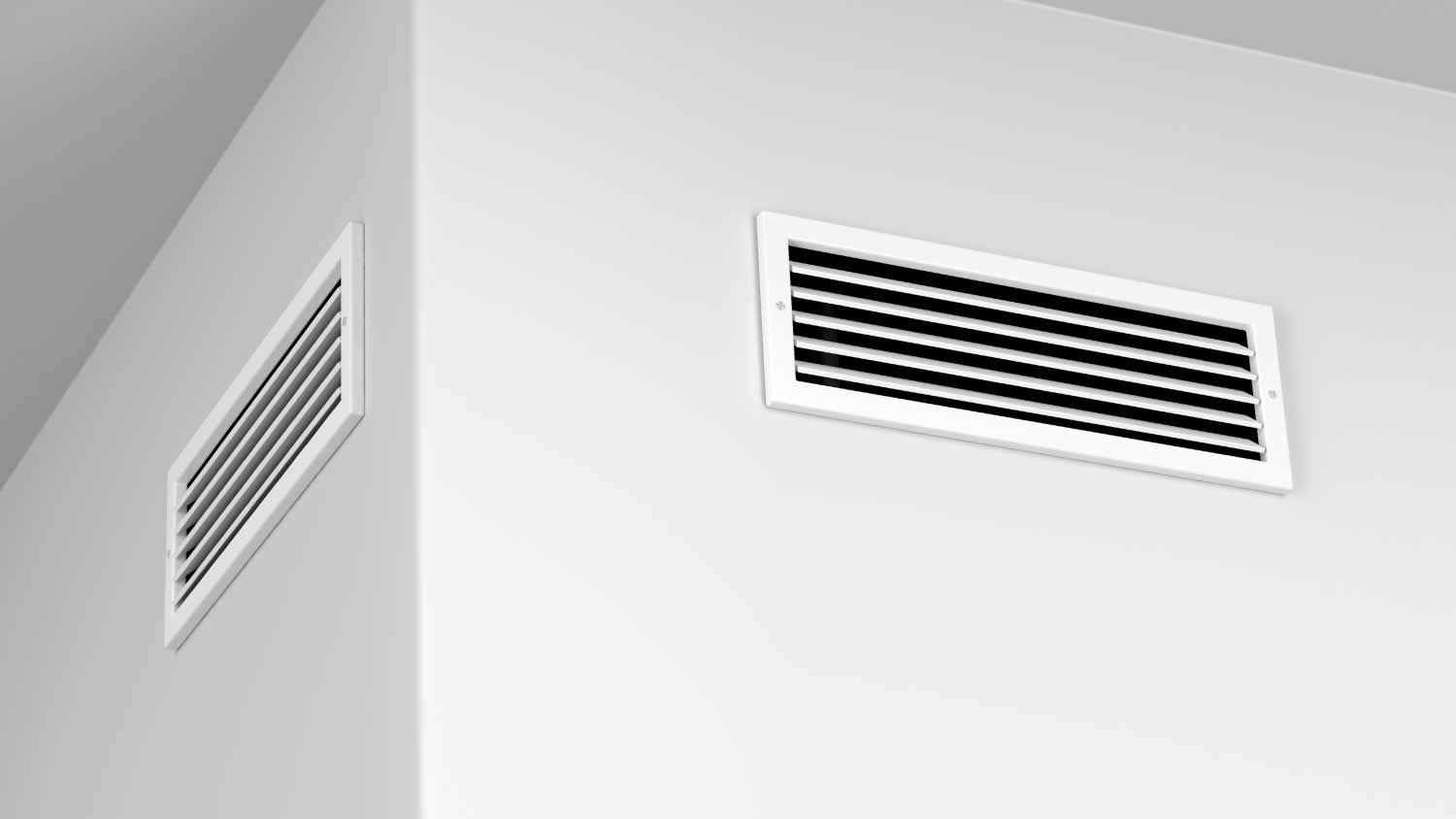
The air vents in your ceiling allow warm or cool air to enter a room from the ducts of your HVAC system. For your HVAC to heat or cool your home properly, the vents must be open.
Most air vents have a small lever or dial on the side that allows you to open or close the fins just underneath the cover. When the fins are closed, air won't flow through the vent into the room. When they're open, air can move freely.
You can use the dial or lever to partially open or close a vent or to adjust the direction of the airflow. For instance, if your bed is located directly beneath a ceiling air vent, you may want to angle the fins so that cool air isn't blowing directly on your head as you sleep. Otherwise, you might wake up with your teeth chattering in the middle of the night.
There's a myth floating around that closing ceiling air vents helps you save energy, as you avoid heating rooms you may not be using. However, closing vents in unused rooms isn't a good idea.
The efficiency of your HVAC system depends on the flow of air through the ducts. If you flip a vent or two closed, you upset the airflow and the delicate balance of your system. Pressure can build up in the ductwork, forcing the heating or cooling system to work harder. The increased pressure can cause air to leak out of the ducts, leading to wasted energy.
If your house isn't cooling down or heating up like it used to, before calling in a pro for air duct maintenance, make sure all your vents and return vents are open and unobstructed.

There is just one exception to the "don't close air vents" rule, and that's if you have a separate heating and cooling system. If you have ductwork for the air conditioner only and use baseboards or radiators for your heating, closing the ceiling vents in the winter will keep air from flowing into your rooms. Remember to open them again when it's time to switch your A/C back on.
Otherwise, keep your ceiling air vents open all the time.

Opening your ceiling air vents is a relatively simple job, but it may require a stepstool or small ladder, depending on your height and the height of your ceiling. Make sure you have someone to spot you when you climb up on the stepstool so that you don’t accidentally fall and hurt yourself.
Many ceiling vents have a visible lever or dial that allows you to open or close them. Climb the ladder, locate the lever or dial, and adjust it to open the vent. You should see the fins underneath the cover move into an open or closed position as you adjust the dial or lever.
If you don't see a lever or dial next to the cover, it could be hidden underneath. In that case, pop off the cover (most remove it without screws), locate the dial, and adjust it.
Your air vents may also allow you to change the direction of airflow. Move the lever or dial to change the fins' position, changing the movement of air.

With all that air flowing through them, your ceiling air vents can get dusty. Dust buildup on the vents can cause blockages and prevent them from directing air into a room. The dust can also end up circulating through the room, which is a major nightmare for those of us who suffer from dust allergies.
Inspect the air vents every month and clean them to remove the dust. Climb up on your stepstool or ladder (with a spotter) and use a microfiber cloth to wipe away built-up dust. You can also use the hose attachment on a vacuum cleaner or a hand-held vacuum.
Duct cleaning may also help to improve the airflow through your vents and keep dust from accumulating. Air duct cleaning costs an average of $380, depending on the size of your HVAC system and the type of ductwork you have.
Opening your ceiling air vents is an easy enough task to DIY. But, in some cases, opening the vents may reveal a more significant problem with your heating or cooling system.
For example, you may go to open a vent, only to realize it's not closed, but air still isn't getting in. That may mean there's something wrong with the ductwork or with the system itself. If that's the situation, hire a local duct installer to inspect your ductwork, looking for leaks or other issues.
If you’re good people wanting to do business with good people, hire Matt. He is a consummate professional and utterly competent. He installed a water heater in my home at a price that beat competitors by hundreds of dollars with a promise to support the unit for its life (even after its 6 yr...
 Greene's Plumbing Services
Corey Carr was great. I had damage from a recent storm and needed to have my mast and other components replaced. The project entailed coordinating with AEP, and Corey helped make a stressful situation a lot less stressful. I really appreciated his dedication to service and the job very well done.
 Mr. Electric of Columbus
This service was great. My air conditioner went out during the heat spell that we had. My husband has health issues and they came out that night and at 9:30pm the air conditioner was fixed and running. We are sooo very thankful, this is the company I will be using from now on and would...
 Mr. Mechanical Ohio
I normally do not leave reviews, but my experience with Worthington Air was extremely frustrating and disappointing. About 30 days ago, I had a consultation done for an HVAC replacement and was quoted approximately $15,079. Based on that quote, I applied for financing through their company...
 ARS Columbus Worthington Air
Great company! Price was competitive, technician showed up on time and completed the job (exterior electric Radon fan replacement) quickly. Would hire them again.
 MaGen Property Inspections and Radon Mitigation
As usual with ECO, tech Jordan was outstanding, very professional, very knowledgeable, and very thorough with repairs made to tankless water heaters. Very highly recommend ECO!!!
 Eco Plumbers, Electricians, and HVAC Technicians
Raven and crew does absolutely fantastic job. They are very professional if any concerns were to occur with any of her work she always took responsibility and finished out with a great job. I have worked with her business for a year and have always been satisfied. Very trusted business and...
 Creations of Transformation LLC
I would recommend this company to anyone! He showed up on time, was friendly, completed a very difficult repair on our dryer vent cover, was responsive, and pricing was extremely fair and competitive. I would have him back to do any of our repairs or cleanings without hesitation!
 U.S.A. Dryer Vent, LLC
Ace Fireplace Services' chimney sweep service is truly exceptional. They used advanced technology to ensure a thorough cleaning process, and my chimney has never looked better. I highly recommend their services.
 Ace Fireplace Services
The technician was very professional and friendly. He answered all my questions and was very thorough. He left the fireplace area very clean . He inspected from the roof and advised me as to other work that might need to be done. There was no pressure there. I was very satisfied with the...
 Supreme brick & chimney
From average costs to expert advice, get all the answers you need to get your job done.
Curious about how much it will cost to add a return air vent? Our guide will help you discover the cost factors and ways to save on this project.

Our guide looks at whether return air vents can be on the floor, how to spot one, and what causes air vents to stop working.
You’ll need to get creative if you want to run your portable AC in a windowless room. Here’s how to vent a portable air conditioner without a window.
Your home’s vent placement matters, so where should return air vents be located? We discuss what factors impact your return vent’s performance.

Learn how to redirect air vents with an easy-to-install deflector. You’ll have better airflow without having to call an HVAC pro.
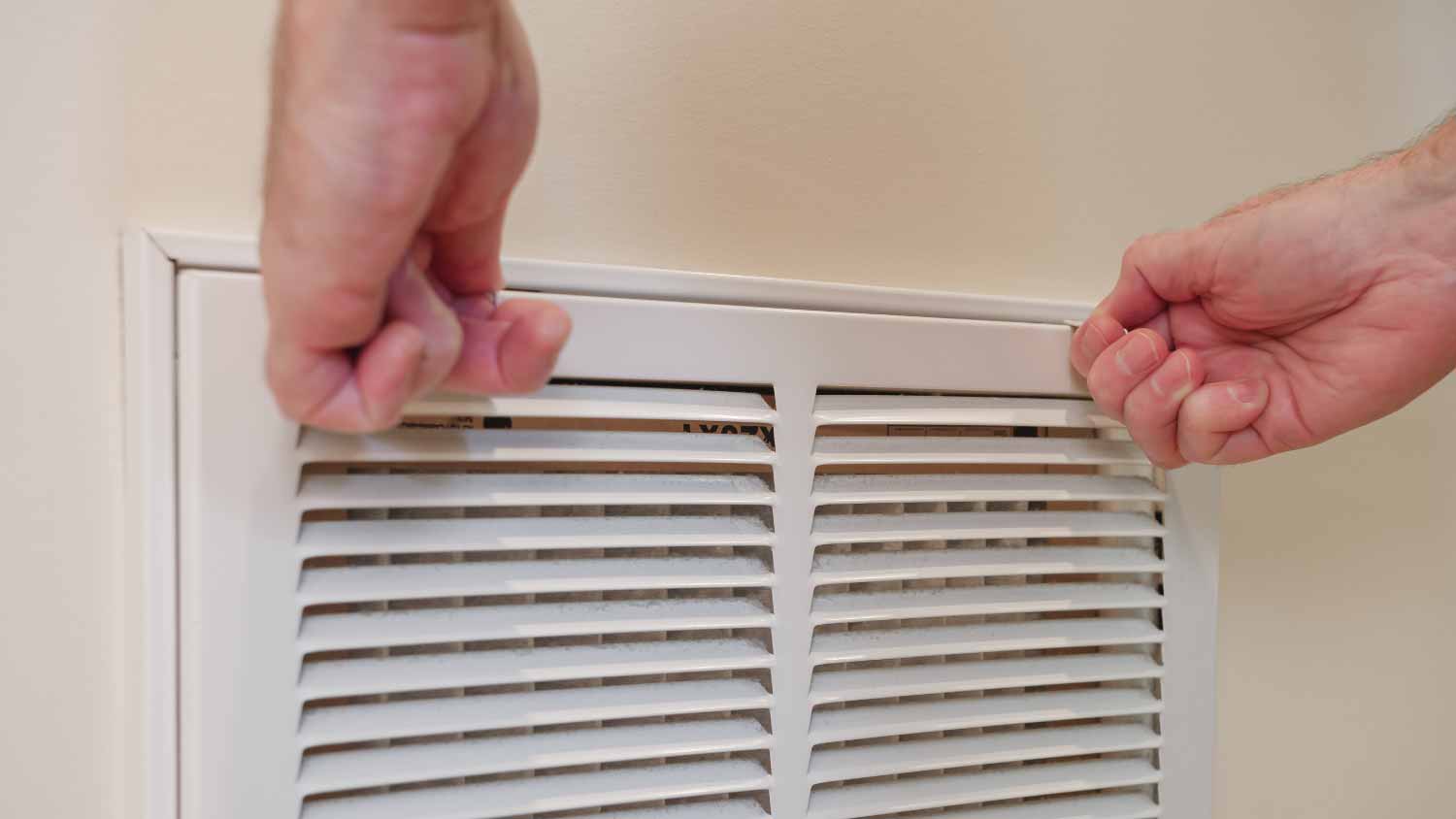
Notice debris coming out of air vents in your home? Explore common causes of debris in air vents and what you can do to keep the vents clean.