

HVAC replacement costs depend on a lot of factors, like unit type, size, and labor. See what you can expect to pay for HVAC replacement here.
Heating and air conditioning service costs depend on your project and location. Check with a local pro for your specific job.

HVAC zoning installation costs $1,500 to $8,500, with your number of zones and thermostat type determining the final total.
Your existing ductwork affects project complexity, and ductless systems require specialized equipment that increases installation costs for your home.
Account for electrical work, zone control panels, dampers, and sensors when creating your budget, with electricians charging $50 to $130 per hour.
Hiring a local electrical professional prevents poor airflow, motor burnout, and humidity control issues that lead to mold at your home.
In 2026, the national average cost for an HVAC zoning system is $3,000. Most homeowners pay between $1,500 and $8,500, with the number of zones, thermostat type, and whether ductwork already exists driving most of the cost range.
Before delving into the costs, let's consider the mechanics of this type of heating and cooling system. An HVAC zoning system uses dampers in your ductwork to control and direct airflow to specific zones. This means you can keep the living room cool during the day while focusing on keeping the bedrooms warm and cozy at night. The system operates using multiple thermostats or a single multi-zone thermostat, ensuring that each area maintains the desired temperature.

| Pros | Cons |
|---|---|
| Better energy efficiency | High up-front costs |
| Lower energy bills | Diagnosing problems can be challenging |
| Convenience and comfort | More components to monitor and manage |
| Less overall maintenance | Ductwork may need modification |
| HVAC system lasts longer | Professional installation may be needed |
Several key variables determine what you'll pay for an HVAC zoning system, including whether an existing HVAC system is already in place, whether your home has ductwork, and how many zones you need to keep your home comfortable.
The number of zones you need is one of the biggest cost drivers, with a basic two-zone system starting at $1,700 to $2,000. Each additional zone typically adds $350 to $500 to the total, since more zones require more dampers, additional thermostats, and greater installation complexity. Costs by number of zones are outlined in the following table:
| Number of HVAC Zones | Average Cost in 2026 |
|---|---|
| Two zones | $1,700–$2,000 |
| Three zones | $2,050–$2,500 |
| Four zones | $2,400–$3,000 |
Adding a two-zone system to existing ductwork can cost up to $2,000, while a ductless system typically runs $2,000 to $6,000 per room. For three or more rooms, the total can climb to $13,000 or more.
Homes without existing ductwork will need a ductless HVAC zoning system, which costs more up front because of the specialized equipment required.
A multi-zone thermostat can centralize control and prove more cost-effective overall than equipping every room separately, with prices ranging from $100 to $600.
Unlike a standard single-thermostat setup, an HVAC zoning system requires either a dedicated thermostat in each room or a single multi-zone thermostat with sensors to manage all zones from one location.
Thermostat costs depend on the type of technology, as shown in the breakdown below:
| Thermostat Type | Average Cost in 2026 |
|---|---|
| Standard digital thermostat | $80–$150 per device |
| Smart digital thermostats | $100–$250 per device |
| Multi-zone thermostat | $100–$600 |
Opting for multiple thermostats for each zone might seem cost-effective, but a multizone thermostat could prove more efficient and affordable, as it centralizes control.
If your system is aging or failing, a full HVAC replacement costs $5,000 to $12,500. Adding a zoning system to your existing HVAC setup is generally more cost-effective than a full replacement, making it a smart move if your current system is relatively new.

When looking at installing an HVAC zoning system, be sure to consider additional costs that could affect your final bill.
HVAC professionals typically charge $75 to $150 per hour. Professional HVAC installation ensures optimal system performance, with labor costs varying based on your location and project complexity.
HVAC zoning systems often require electrical upgrades to support thermostats, dampers, and control panels, so you'll likely need to bring in a local professional electrician, and these pros typically charge $50 to $130 per hour.
Zone control panel costs depend on system complexity, but most homeowners pay $120 to $300. The panel serves as the central hub of your zoning system, managing airflow and temperature across all zones.
In larger homes, a single HVAC unit may not have enough capacity to support a full zoning system, which means you may need to budget for a second unit, ranging from $5,000 to $11,000.
Dampers run $70 to $340, while sensors range from $30 to $60 each. Your specific HVAC configuration may call for additional components such as bypass dampers or sensors, each adding to the overall project cost.
HVAC zoning is a complex project that should only be done by a locally licensed HVAC company near you. Errors and mistakes with DIY HVAC zoning kits or custom installation can lead to higher long-term energy costs or system failure. Plus, homeowners who aren't experienced with HVAC repairs put themselves at risk for electrical shock, burns, and sprains from lifting heavy equipment.
Here's why hiring experienced and licensed pros is the best choice:
With most HVAC zoning kits costing around $1,000, you're already near the $1,100 representing the lower average cost on this project.
A pro can assess your home's energy needs to see if HVAC zoning is even the right choice for you.
Local HVAC pros understand and follow local permit needs and energy-compliance standards to ensure your home isn't in violation.
Handling an HVAC system without expertise can lead to problems like poor airflow, motor burnout, and loss of humidity control that can cause mold issues at your home.
There are a variety of ways you can save money on your HVAC zoning system. If you're trying to save a buck, here are a few suggestions.
Choose affordable thermostats: Go with standard thermostats rather than smart or multi-zone models.
Schedule work outside peak season: Avoid the month of July as prices may be higher and technician availability may be lower.
Get multiple quotes: Obtain quotes from various HVAC contractors to find the best deal for your zoning system.
Consider energy efficiency: Invest in energy-efficient equipment to save on your monthly utility bills.
Regular preventative maintenance: Proper maintenance ensures longevity and prevents costly repairs.
Get answers about anticipated long-term savings versus the cost of zoning when talking to HVAC pros.
Be prepared to discuss traditional versus ductless zoning based on your home's configuration.
Ask potential HVAC contractors whether you'll need to hire an electrician separately to install components such as thermostats, dampers, and control panels.
Research any local rebates or incentives for upgrading to energy-efficient HVAC products at your home to make this project more affordable.
Home is the most important place on earth, which is why Angi has helped more than 150 million homeowners transform their houses into homes they adore. To help homeowners with their next project, Angi provides readers with the most accurate cost data and upholds strict editorial standards. We extensively research project costs to develop the pricing data you see, so you can make the best decisions for you and your home. We rely on reputable sources, including the U.S. Bureau of Labor Statistics, academic journals, market studies, and interviews with industry experts—all to ensure our prices reflect real-world projects.
Want to help us improve our cost data? Send us a recent project quote to [email protected]. Quotes and personal information will not be shared publicly.
If you’re good people wanting to do business with good people, hire Matt. He is a consummate professional and utterly competent. He installed a water heater in my home at a price that beat competitors by hundreds of dollars with a promise to support the unit for its life (even after its 6 yr...
 Greene's Plumbing Services
Corey Carr was great. I had damage from a recent storm and needed to have my mast and other components replaced. The project entailed coordinating with AEP, and Corey helped make a stressful situation a lot less stressful. I really appreciated his dedication to service and the job very well done.
 Mr. Electric of Columbus
This service was great. My air conditioner went out during the heat spell that we had. My husband has health issues and they came out that night and at 9:30pm the air conditioner was fixed and running. We are sooo very thankful, this is the company I will be using from now on and would...
 Mr. Mechanical Ohio
I normally do not leave reviews, but my experience with Worthington Air was extremely frustrating and disappointing. About 30 days ago, I had a consultation done for an HVAC replacement and was quoted approximately $15,079. Based on that quote, I applied for financing through their company...
 ARS Columbus Worthington Air
Great company! Price was competitive, technician showed up on time and completed the job (exterior electric Radon fan replacement) quickly. Would hire them again.
 MaGen Property Inspections and Radon Mitigation
Raven and crew does absolutely fantastic job. They are very professional if any concerns were to occur with any of her work she always took responsibility and finished out with a great job. I have worked with her business for a year and have always been satisfied. Very trusted business and...
 Creations of Transformation LLC
I would recommend this company to anyone! He showed up on time, was friendly, completed a very difficult repair on our dryer vent cover, was responsive, and pricing was extremely fair and competitive. I would have him back to do any of our repairs or cleanings without hesitation!
 U.S.A. Dryer Vent, LLC
Ace Fireplace Services' chimney sweep service is truly exceptional. They used advanced technology to ensure a thorough cleaning process, and my chimney has never looked better. I highly recommend their services.
 Ace Fireplace Services
The technician was very professional and friendly. He answered all my questions and was very thorough. He left the fireplace area very clean . He inspected from the roof and advised me as to other work that might need to be done. There was no pressure there. I was very satisfied with the...
 Supreme brick & chimney
On time, clean and finished fast. Windows seem sturdy and the finish is good. Caulking was done with no smudges. Would recommend.
 Window Depot USA of Central Ohio
From average costs to expert advice, get all the answers you need to get your job done.
HVAC replacement costs depend on a lot of factors, like unit type, size, and labor. See what you can expect to pay for HVAC replacement here.

Ductless heating and cooling system costs vary depending on size, type, and energy efficiency. Their installation is likely to lower your energy bills.
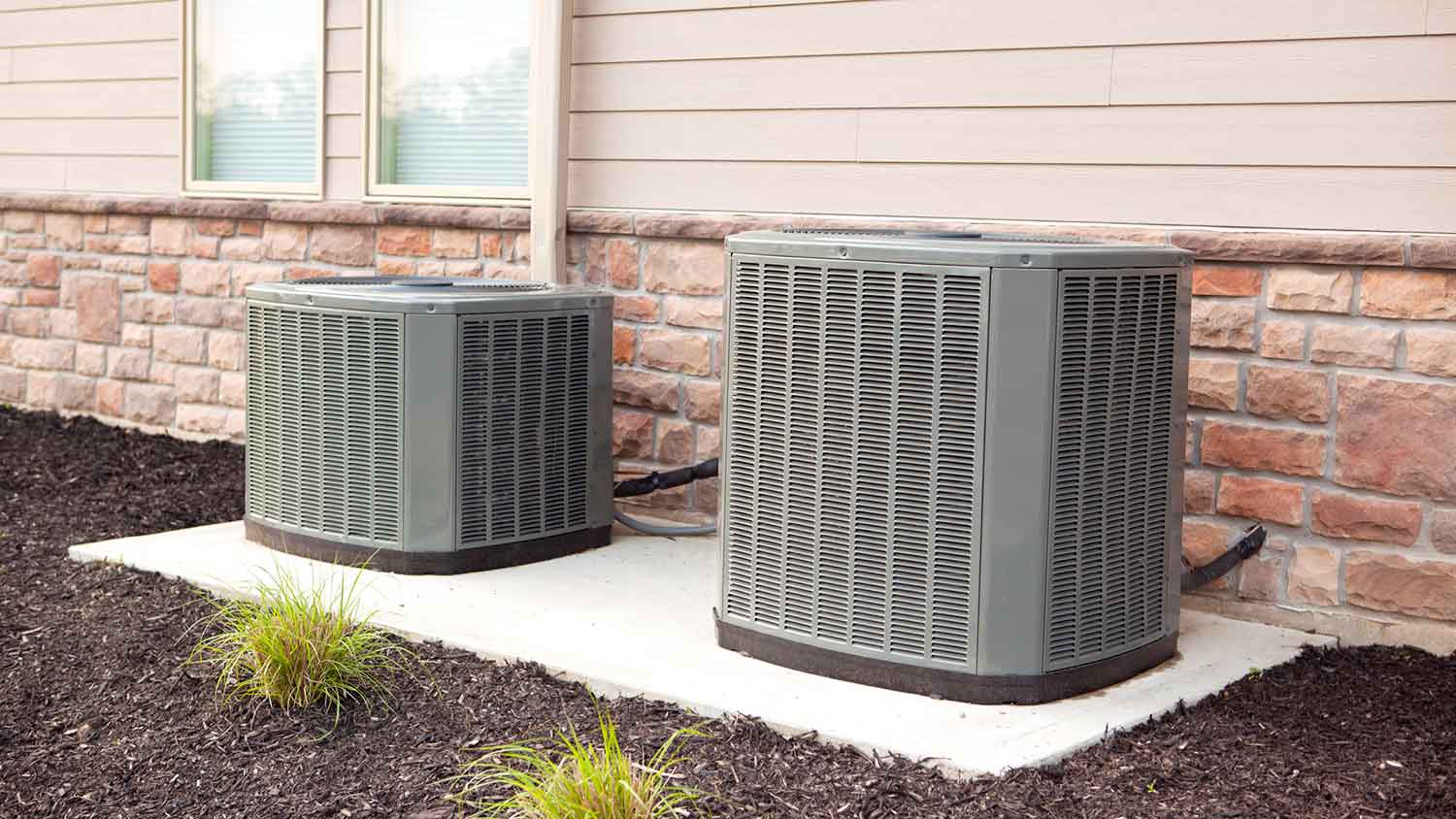
Average costs of HVAC inspections vary based on house size, location, and type of HVAC system. Follow our easy guide to gauge your home’s HVAC inspection cost.
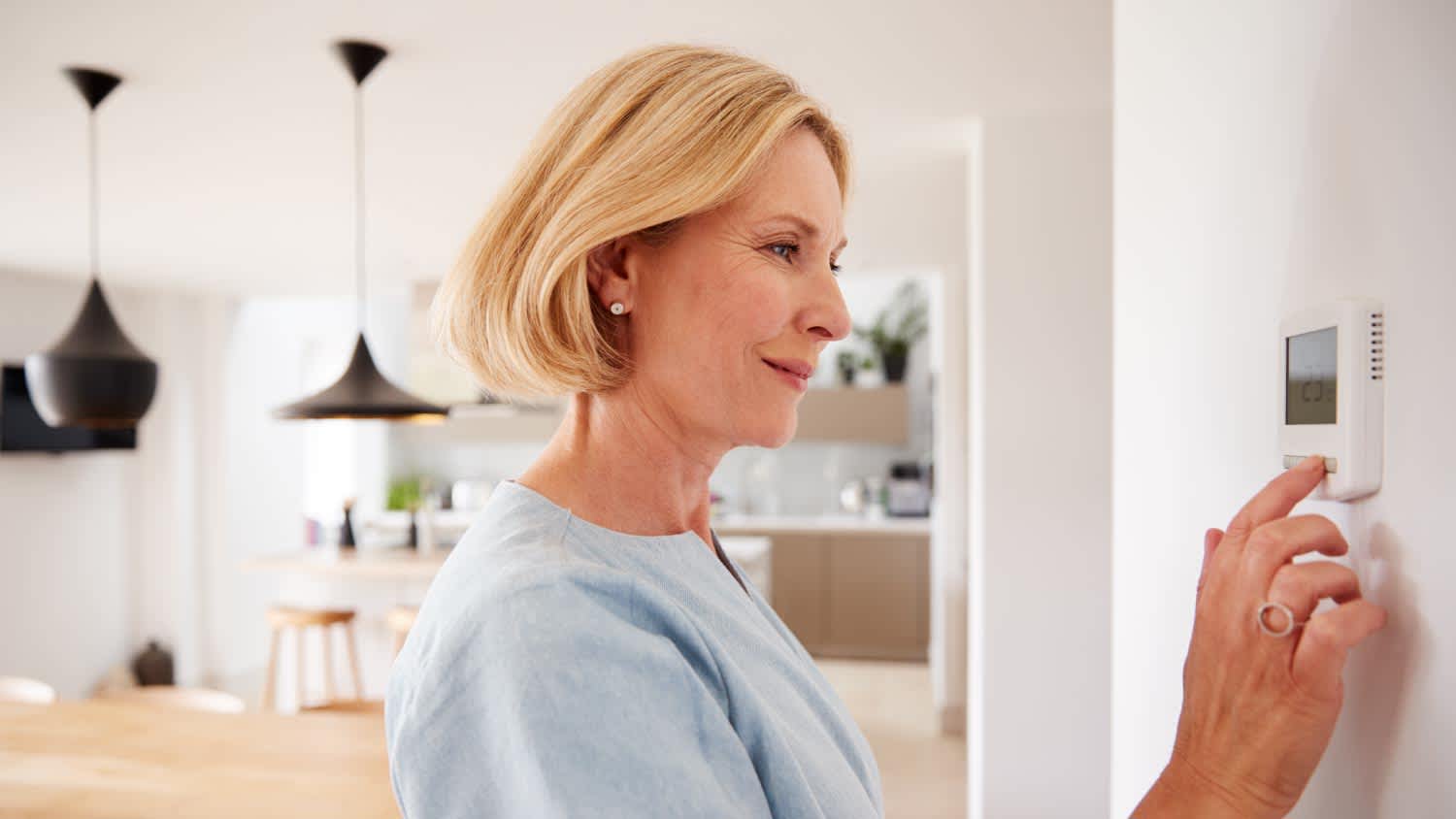
An HVAC zoning system makes your home more comfortable. Learn about installing a zone system, including HVAC zoning system costs and considerations.

When your furnace shows signs of age, it’s time to consider a replacement. Learn the pros and cons of these eight common types of HVAC systems.

Take several factors into consideration when upgrading your HVAC system. Our guide will help you choose the right HVAC upgrade.