
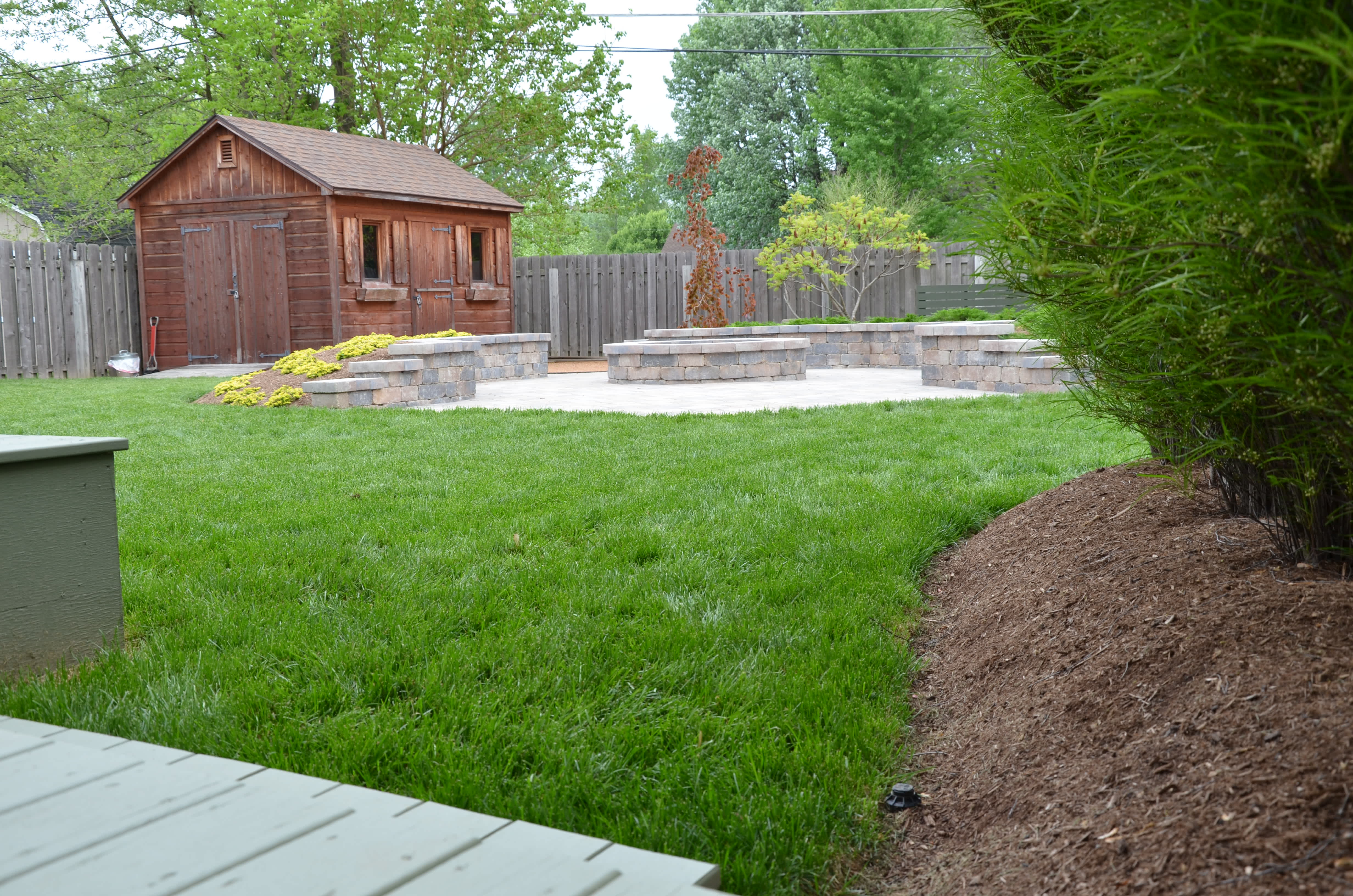
Late summer to early fall is one of the best times to establish new lawn growth for many parts of the country. Learn how to grow new grass this fall.
When life gives you lemons—grow lemongrass

Growing lemongrass at home requires full sun, rich moist soil, and warm humid conditions since this perennial herb thrives in tropical climates.
Lemongrass needs abundant moisture and regular watering, especially in dry climates where you should mist your plants frequently to maintain proper humidity levels.
You should plant your lemongrass in spring after the last frost, giving it at least six hours of direct sunlight daily for best growth.
Hiring a local gardening professional simplifies planting and ensures your lemongrass gets the right soil conditions, container size, and placement for healthy growth.
Have you ever eaten Tom Kha Gai, Thai curry, Vietnamese chicken, or any number of other Asian dishes and thought to yourself, “What is that super-tasty, lemony flavor?” The answer is very likely lemongrass. This delicious herb shows up regularly in Indian, Thai, Vietnamese, and Indonesian cuisine. You can add it to sauces, salads, teas, soups, and even desserts—its light-but-complex flavor is bound to make any dish more delicious.
And if you’re wondering how to grow lemongrass, you’re in luck. This fragrant, beautifully floral herb is easy to grow (both indoors and outdoors) under the right conditions. You’ll be making delectable stir-frys, slow-roasted meats, and curries in no time.
Known for its bright, citrusy flavor and intoxicating aroma, lemongrass (Cymbopogon citratus) is a perennial herb with origins that span South and Southeast Asia, India, Sri Lanka, Indonesia, and the Philippines. It’s often called fever grass, Cochin grass, and Malabar grass, in addition to a host of other names. Lemongrass grows in big bushy clumps, and its stalks are woody and light green; you use the tender, white core of the stalk for cooking.
Lemongrass is incredibly easy to care for, making it one of the best new plants for novice gardeners and skilled gardeners alike. This tasty herb is grown widely in the tropics, but it can also be grown as an annual in cooler climates. You can opt to grow it in containers or in the ground.
Just make sure to leave enough space for it to flourish—lemongrass will reach a height of 3 to 5 feet and a width of 2 feet during the growing season. If you’re planting it in a pot, it’s best to choose at least a 5-gallon (or larger) container.
You should plant lemongrass in springtime, after the last frost of the season—this sun-loving plant needs warm, humid conditions and full sunlight in order to thrive. Cold temperatures and frost will severely damage or kill it.

In terms of how to grow lemongrass, it’s really important to nail the water requirements. This plant needs abundant moisture. It definitely prefers regular rainfall and humidity, so if this isn’t the type of climate you live in, be sure to mist and water your plant regularly. Lemongrass plants in containers tend to need more water than those in the ground.
When in doubt, check the soil—it should be moist, never dry.
Whether you’re growing it in containers or in the ground, lemongrass requires a few key things to grow well: direct sunlight and well-drained, nutrient-dense soil. It’s generally very easy to care for, and it grows quickly, especially when summer arrives.
Here’s what you need to know about the optimal temperature, light, and soil conditions for growing lemongrass, the pruning requirements, and which pests and diseases to be on the lookout for.
This plant prefers moist (but well-drained), rich loam soil with high organic content. Adding a layer of organic mulch can help with soil water retention. As long as the soil is rich in nutrients and you regularly mulch with organic matter, you shouldn’t need to use synthetic fertilizer.
Lemongrass requires full sun. A minimum of six hours of direct sunlight per day is the rule. This plant should never be in the shade.
One of the most important things to know about caring for lemongrass is that it loves humidity. It thrives in the heat of summertime. As such, you should always bring your plants indoors during cold snaps.
Regarding plant pruning, if your lemongrass lives for more than one season, the best time to cut it is right before spring (while it’s still dormant).
Lemongrass is a natural insect repellent (it contains citronella, a common pest deterrent), so you rarely have to worry about pests or diseases. That said, sometimes lemongrass grown in containers can attract spider mites. An insecticidal soap should take care of this, or you could simply spray the bugs with a powerful stream of water.
While you could hire a local landscaper to plant lemongrass, this is an easy (and fun) task to accomplish on your own. To make things even easier: If you’d rather buy a small starter plant, you can always consult with a specialty nursery or seed company (instead of starting from seed). You may also be able to find fresh stalks of lemongrass at Asian grocery stores, which will root when placed in a glass of water.
D1 Roofing delivers outstanding service from beginning to end, backed by a strong warranty and expert teams. I highly recommend them for their excellence in meeting and surpassing expectations with unmatched communication. Choosing D1 Roofing was flawless decision
 Division 1 Roofing LLC
We had our houses windows and back door replace this summer by Window Depot USA of Central. He gave us grate advise and saved my family lots money. The team did a fantastic job with installation. If you need help, they sure get job done right!
 Window Depot USA of Central Ohio
Wonderful. I am going to have them remove and replace my driveway in the spring.
 All Star Paving and Sealing
We were having 2”x 2” tile installed . There was a small installation error and the new additional replacement tile was from a different lot and the colors didn’t match. Joe assured us that he would rectify everything , which he did without hesitation. We decided to go with the 18” x 36” tile...
 CarifaTile
We had a 20+ year old landscape lighting system that needed replacement. Midwest Lightscapes worked with us to design a much improved lighting system, lighting the exterior of the house and the back yard. Installation of the 45 light system took one and one-half days, and went very smoothly....
 Midwest Lightscapes
Did an amazing job transforming my yard. Also installed sod in places, would recommend to everyone.
 Cardinal Landscaping & Construction LLC
They show up and they did take us on as a client which seems to be a problem with other lawn care providers. We have multiple properties and this one was located close to downtown and no one really wants to mess with it.
The worker came out when he was supposed to come. He informed me he would honor the Angie's List deal, but would not do any more work for me since my son in law owns lawn care company as well, even though they do not do the same type of work. He said he did not feel comfortable giving me...
 Bello Giardino LLC
E & L Lawn Care was super. They were very responsive before and after service. They were efficient and were able to complete the job within 1 day. I have had concern about one section of sod - the owner was pro-active and did a visit to evaluate. I have no doubt they will stand behind...
 E&L lawn care
From average costs to expert advice, get all the answers you need to get your job done.
Late summer to early fall is one of the best times to establish new lawn growth for many parts of the country. Learn how to grow new grass this fall.
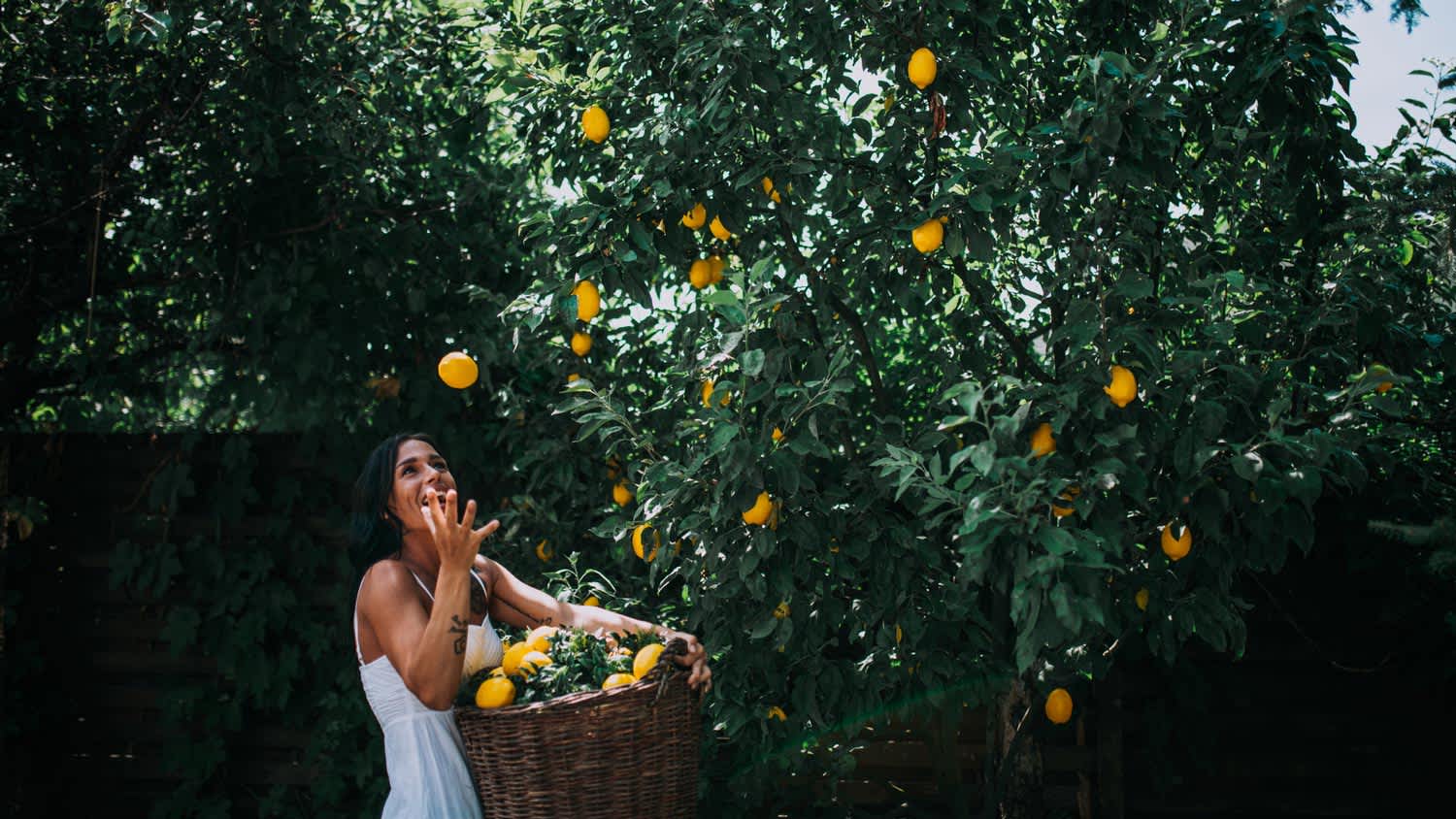
Want to grow gorgeous citrus plants at home? Here’s how to plant a citrus tree in your yard or in a container, whether lime, orange, or grapefruit.
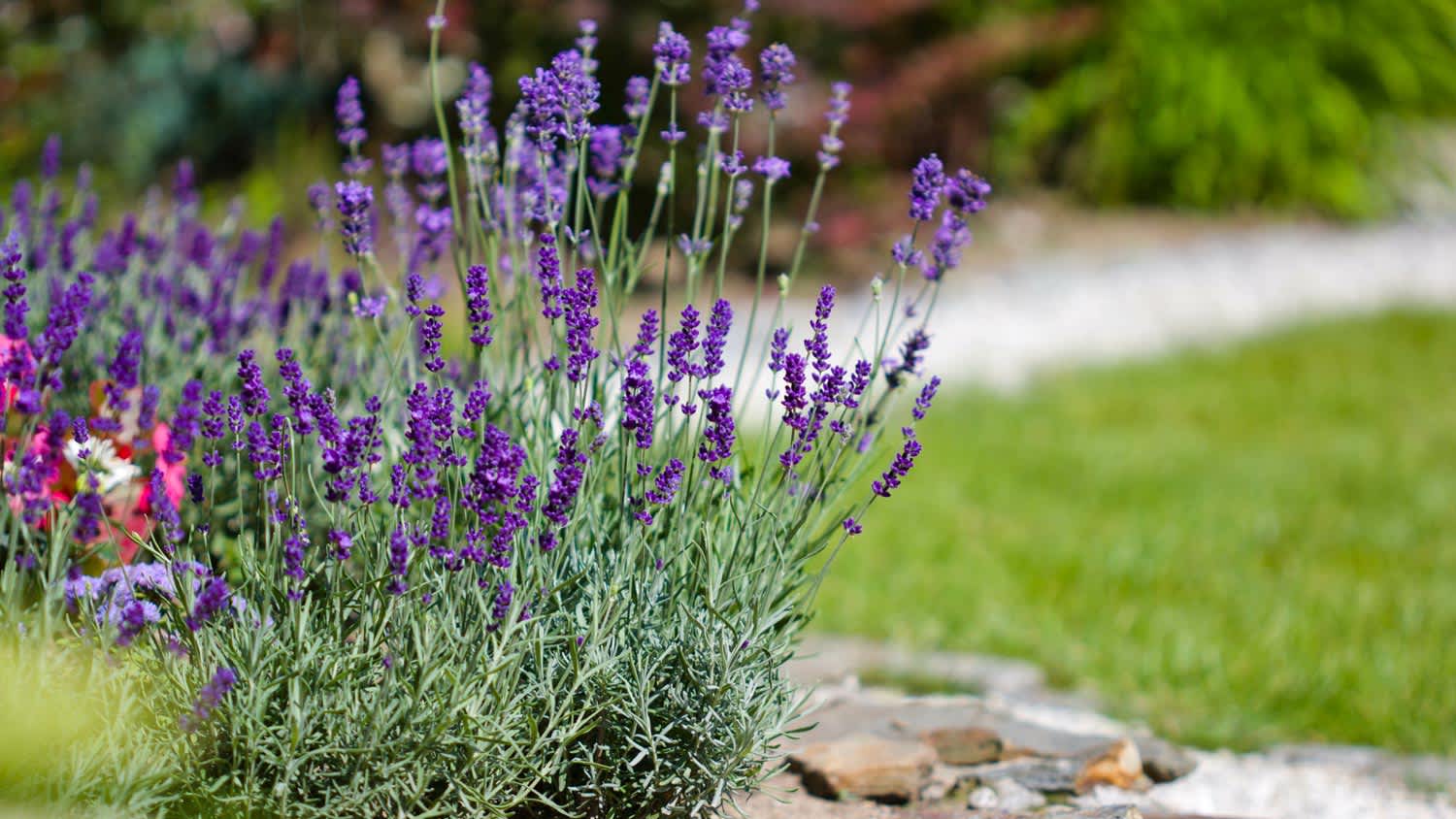
From the kitchen counter to the rose garden, lavender is a beloved and versatile plant. Here's how to grow it indoors and out, and how to care for it.

Ever wanted to learn how to grow a tree from a branch? Learn how to grow a tree from a cutting to boost curb appeal for much less with propagation.
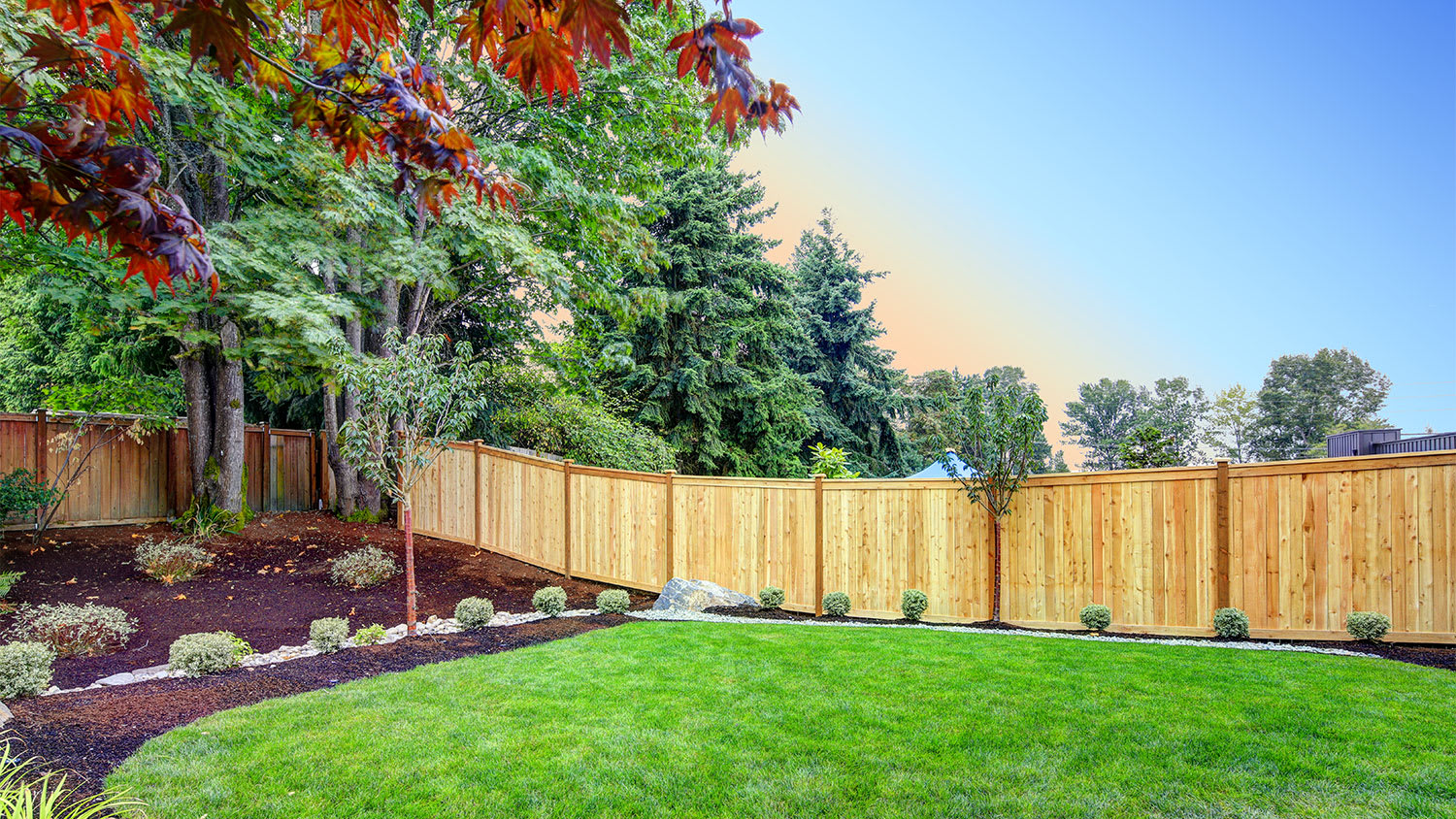
Tired of seeing unsightly grass and weeds sprouting under your fence line? You've come to the right place. Try these foolproof prevention methods.
Design a garden-ready grow room to create the right conditions for growing plants indoors, including your vegetable seedlings and fully-grown houseplants.