

Learn how to get rid of quack grass and keep it from returning once you discover how to identify it in your lawn. Read on to learn more.
Don't let nut grass drive you nuts; learn how to control this grass-like weed once and for all

Nutgrass spreads through underground rhizomes and tubers that form along the roots, so removing it from your lawn requires digging deep to eliminate these structures.
Wet soil conditions encourage nutgrass growth in your yard, and improving drainage or aerating regularly helps prevent this invasive weed from establishing new plants.
Manual removal works best when you dig out young nutgrass plants completely, including all rhizomes and tubers, then discard them away from compost piles to prevent regrowth.
Hiring a local lawn pest control professional provides reliable help with species-specific herbicides and soil treatments, keeping nutgrass from taking over your entire lawn.
Nutgrass, or nutsedge, is notoriously difficult to control. Luckily, we can teach you how to get rid of nutgrass as quickly as possible. With the right weed control strategies and an understanding of the plant's characteristics, you can get (and stay) on top of the problem. Learn how to remove nutgrass from your yard once and for all with this expert guide.
Nutgrass is a fast-growing perennial weed that can spread quickly if not controlled. It's most prevalent and problematic in the summer months, and although it looks like grass, it is a weed.
Nutgrass is usually paler than grass and often has a lime-green hue to help you spot the little clumps among your grass. Another telltale is its rapid growth habit—faster than even the most vigorous grass. After mowing, you'll see nutsedge growing much taller than your grass in two or three days.
Nutgrass leaves spread in three directions and, if you pull the weed by hand and roll the stem in your fingers, you'll notice a triangular stem, not a round one.
Nutsedge spreads via rhizomes and propagates via nutlets, or little starchy tubers that form along the rhizomes. That’s one of the factors that makes it so tough to eradicate without regular or eco-friendly weed control methods.
Nutsedge likes fairly wet soil, even though it can tolerate periods of drought. Because it thrives in wet conditions, a high concentration of nutgrass plants in specific areas of your lawn can indicate wetter ground. You can prevent regrowth by improving drainage in that area.
You can also inadvertently spread the tubers to new parts of your yard on your boots and garden tools like forks and spades. One innocent touch that breaks a rhizome can develop into a whole new plant. Animals, including birds who feast on the tubers, and flooding can also spread nutgrass.
Aside from its rhizomatous growth and prolific reproduction, nutsedge is difficult to get rid of because it is resistant to many chemical products and can withstand drought, flooding, and heat. They're also tough enough to penetrate most mulches and weed suppressant fabrics.
There are several effective strategies to get rid of nutgrass. You can dig it out by hand, apply the right chemicals, solarize your soil, or hire a gardening pro. Manual removal and solarization are the most environmentally friendly methods but also the most time-consuming.
Removing nutgrass by digging out individual plants takes a long time, but it’s an eco-friendly option.
Start the removal process while the nutgrass plant is young. The longer you wait, the more difficult it is to remove the rhizomes completely.
Water the ground around the plants to soften the soil. Damp ground makes it easier to remove the roots.
Use a garden tool to loosen the soil around the plant. You may need to go deep, as mature nutgrass plants can have roots almost 1 foot deep.
Manually remove as much of the plant and rhizomes (horizontally and vertically) as possible. Look for any tubers, too, and remove them.
Place the nutgrass plants, roots, and tubers in a wheelbarrow or bucket and discard. Do not place it in a compost pile, as it will resprout there.
Clean your garden tools thoroughly before using them again, or risk spreading the nutgrass to the new areas where you are working through nutlets in clumps of soil stuck to the tools.
You have the option of weeding by hand by pulling the plants, if desired. However, the nutgrass will almost certainly grow back unless you remove the rhizomes. After you pull the nutgrass plants several times, it may weaken the plant to the point that it dies. This is an extremely labor-intensive process, but it’s an alternative option if you do not want to dig out individual plants.
Although using chemical weed killers is the least labor-intensive process for removing nutgrass, it is not environmentally friendly. It’s not safe to use some harsh chemicals around kids, pets, and local wildlife. It also doesn’t always work because nutgrass is resistant to common weed killers.
When selecting a herbicide, be certain that the package states it gets rid of nutgrass without harming other grasses, like Kentucky bluegrass. Generally, the steps for applying a chemical herbicide to nutgrass are:
Do not apply the herbicide immediately after mowing the lawn. Let the nutgrass grow back for a few days after cutting.
It’s best to apply the herbicide after a few days without rain or lawn watering. A drier nutgrass plant usually yields more success with herbicide application.
Apply the chemicals while the nutgrass is young. If it has smaller leaves, the chemical is more likely to reach the rhizomes and nutlets.
Most herbicides require spraying each nutgrass plant or patch of plants directly rather than applying the herbicide over the entire lawn (even if the chemical is safe to use on grass).
Do not water the nutgrass after application of the herbicide. Make sure the chemical can sit on the plant for several hours before it might rain, or raindrops may wash the chemical away.
Soil solarization is an eco-friendly way to get rid of nutgrass. However, this method only works if you have a large patch of nutgrass, as it will kill all plants in the affected area. It also may kill beneficial yard critters, such as earthworms and useful bacteria in the soil.
Because nutgrass’ rhizomes can be so deep and widespread, using soil solarization is more labor intensive when killing nutgrass than with other unwanted plants. The steps include:
Clear all rocks, plants, and other debris from the area.
Use a manual garden tool or a powered garden tiller to churn the soil and further loosen plant material and roots, allowing you to remove them more thoroughly. Spread the soil evenly to avoid large mounds.
Soak the soil thoroughly up to 1 foot in depth to ensure there’s enough moisture.
Lay a black plastic tarp over the entire area. Pull it tightly across the area and secure it around the edges, so wind and rain will not move underneath it.
Leave the plastic in place, undisturbed, for 4 weeks.
Remove the plastic and dig through the area again, removing any stray nutgrass rhizomes. Pick a dry day with light or no wind so new weed seeds do not blow into the area while the plastic is gone.
Resecure the plastic as you did before and wait another 4 weeks. This process should eliminate all plants, including nutgrass.
If your nutgrass is in an organic garden, or if you want a natural way to get rid of nutgrass over a large area, try applying sugar. Sugar should not harm other grasses. The steps to apply sugar to kill nutgrass include:
Start the application process in early spring when the nutgrass plants are young. It’s tough to kill mature nutgrass plants this way.
Try to apply the sugar at a time when the area is dry. Don’t apply it early in the morning when dew is on the grass.
If using white sugar, you can select a generic bag from the grocery store. It doesn’t have to be a specific kind of sugar.
With sugar, apply about four to five pounds per 10 square feet. Spread the white sugar much like you’d spread fertilizer across the entire area.
Water the area after application, just enough to make it damp. Too much water could wash the sugar away.
You may need to repeat the application process every 14 days to get rid of nutgrass completely.
Because sugar depletes nitrogen in the soil, you should not use it as a substitute for fertilizer. For example, a vegetable garden needs nitrogen, so you would want to use sugar there only in combination with a nitrogen-rich fertilizer. In the garden, you may want to sprinkle white sugar on the nutgrass plants, rather than spreading it across the entire area.
Since nutsedge can be so challenging to remove properly, it could be worth hiring a local lawn care pro if you have a larger infestation of more than a few plants. The pros can advise you on the best course of action to tackle the immediate problem, and, if you opt for regular lawn care, keep on top of controlling nutgrass so it doesn't overtake the good grass.
Because nutgrass is difficult to control, the best option is to try to prevent it from growing in the first place. Allowing your lawn to remain taller than usual can prevent nutgrass from gaining a foothold. Often, if you mow at a higher setting, the primary types of grass plants in your lawn will choke out any immature nutgrass plants.
If you mow the lawn short regularly, the nutgrass will grow back aggressively and faster than other types of grass, making it stronger and harder to eliminate.
Avoid having areas on your property that are excessively moist and damp for long periods. Nutgrass sprouts most frequently in constantly damp soil. Ensuring proper drainage on the property or aerating the lawn regularly helps to keep excessive moisture and nutgrass at bay. You can also plant more trees in areas where nutgrass commonly appears, as nutgrass plants dislike shady areas. Nutgrass grows stronger in areas of full sun.
Katy Willis contributed to this piece.
D1 Roofing delivers outstanding service from beginning to end, backed by a strong warranty and expert teams. I highly recommend them for their excellence in meeting and surpassing expectations with unmatched communication. Choosing D1 Roofing was flawless decision
 Division 1 Roofing LLC
We had our houses windows and back door replace this summer by Window Depot USA of Central. He gave us grate advise and saved my family lots money. The team did a fantastic job with installation. If you need help, they sure get job done right!
 Window Depot USA of Central Ohio
Wonderful. I am going to have them remove and replace my driveway in the spring.
 All Star Paving and Sealing
We were having 2”x 2” tile installed . There was a small installation error and the new additional replacement tile was from a different lot and the colors didn’t match. Joe assured us that he would rectify everything , which he did without hesitation. We decided to go with the 18” x 36” tile...
 CarifaTile
We had a 20+ year old landscape lighting system that needed replacement. Midwest Lightscapes worked with us to design a much improved lighting system, lighting the exterior of the house and the back yard. Installation of the 45 light system took one and one-half days, and went very smoothly....
 Midwest Lightscapes
Did an amazing job transforming my yard. Also installed sod in places, would recommend to everyone.
 Cardinal Landscaping & Construction LLC
They show up and they did take us on as a client which seems to be a problem with other lawn care providers. We have multiple properties and this one was located close to downtown and no one really wants to mess with it.
The worker came out when he was supposed to come. He informed me he would honor the Angie's List deal, but would not do any more work for me since my son in law owns lawn care company as well, even though they do not do the same type of work. He said he did not feel comfortable giving me...
 Bello Giardino LLC
E & L Lawn Care was super. They were very responsive before and after service. They were efficient and were able to complete the job within 1 day. I have had concern about one section of sod - the owner was pro-active and did a visit to evaluate. I have no doubt they will stand behind...
 E&L lawn care
From average costs to expert advice, get all the answers you need to get your job done.
Learn how to get rid of quack grass and keep it from returning once you discover how to identify it in your lawn. Read on to learn more.
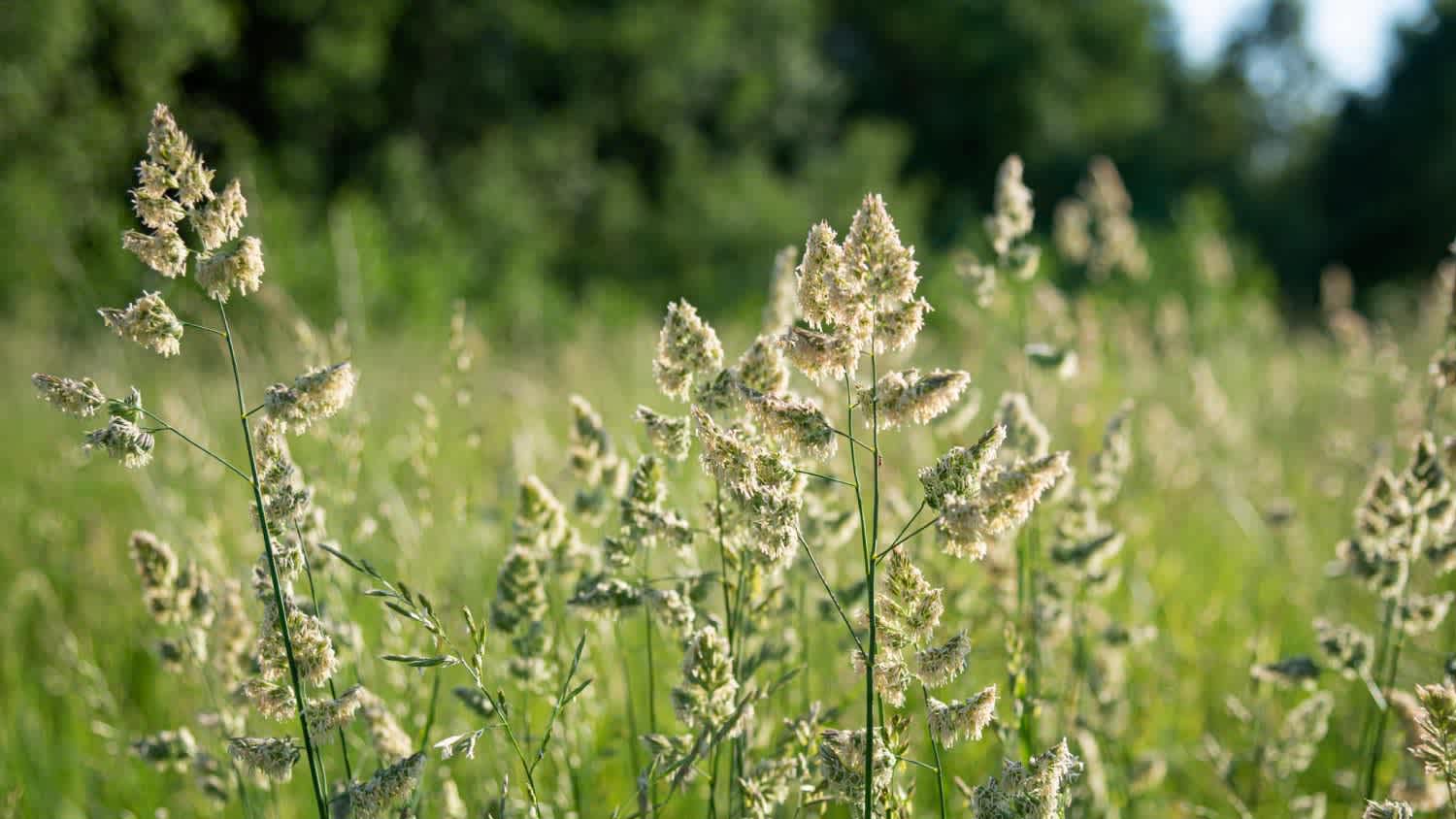
Orchard grass control can make you feel like you're going in circles. Here are all the ways to get rid of orchard grass with or without chemicals.

After spraying it, drying it out, and digging it up, you're probably wondering how to get rid of Bermuda grass for good. Here are some tactics to consider.
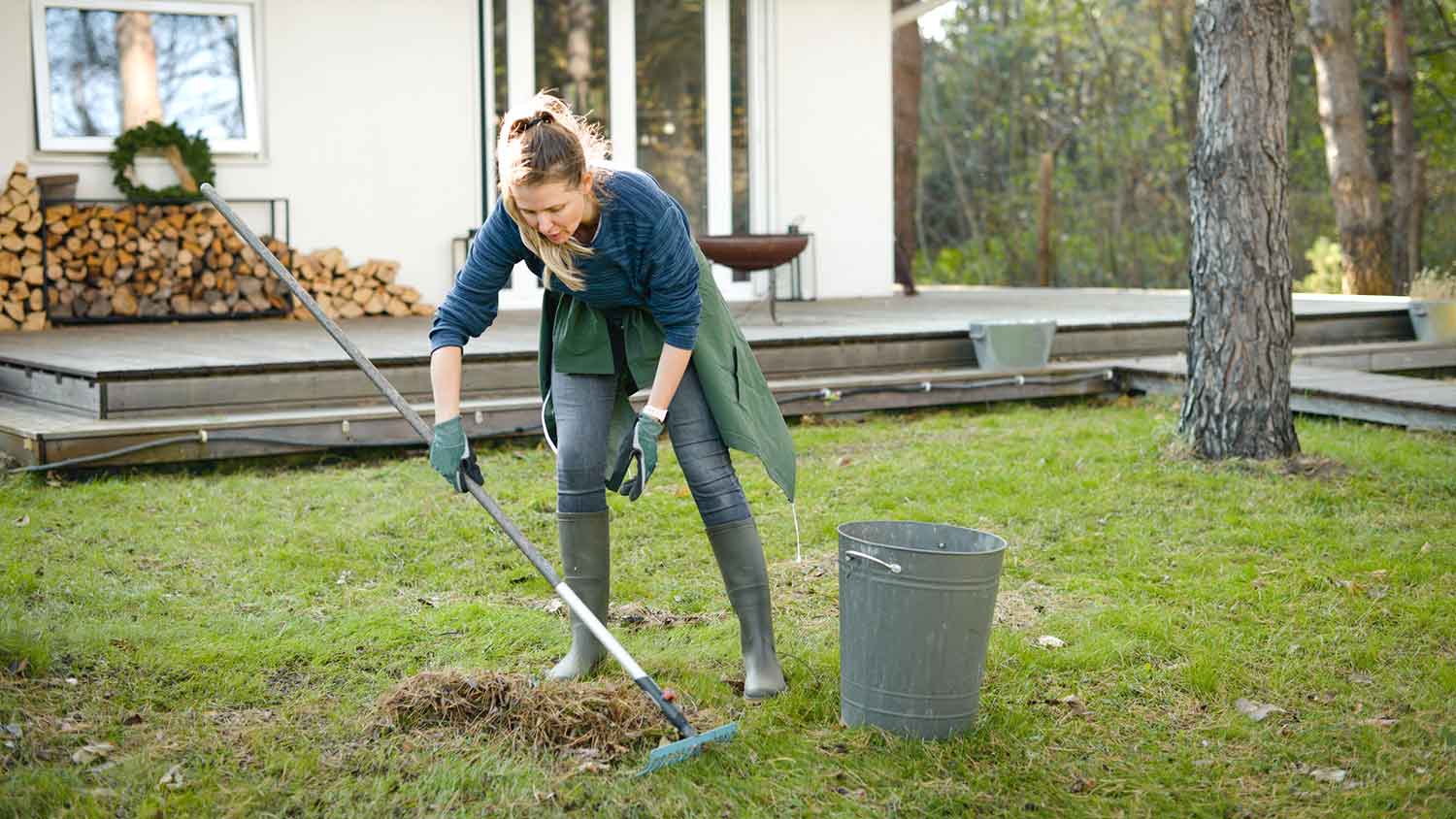
If snow melts in your yard, but the grass is still covered in patches of white, you may have snow mold. Learn how to get rid of snow mold with this guide.

Crabgrass is one tough weed, but with a little patience, you can banish it from your lawn. Follow these steps for how to get rid of crabgrass for good.
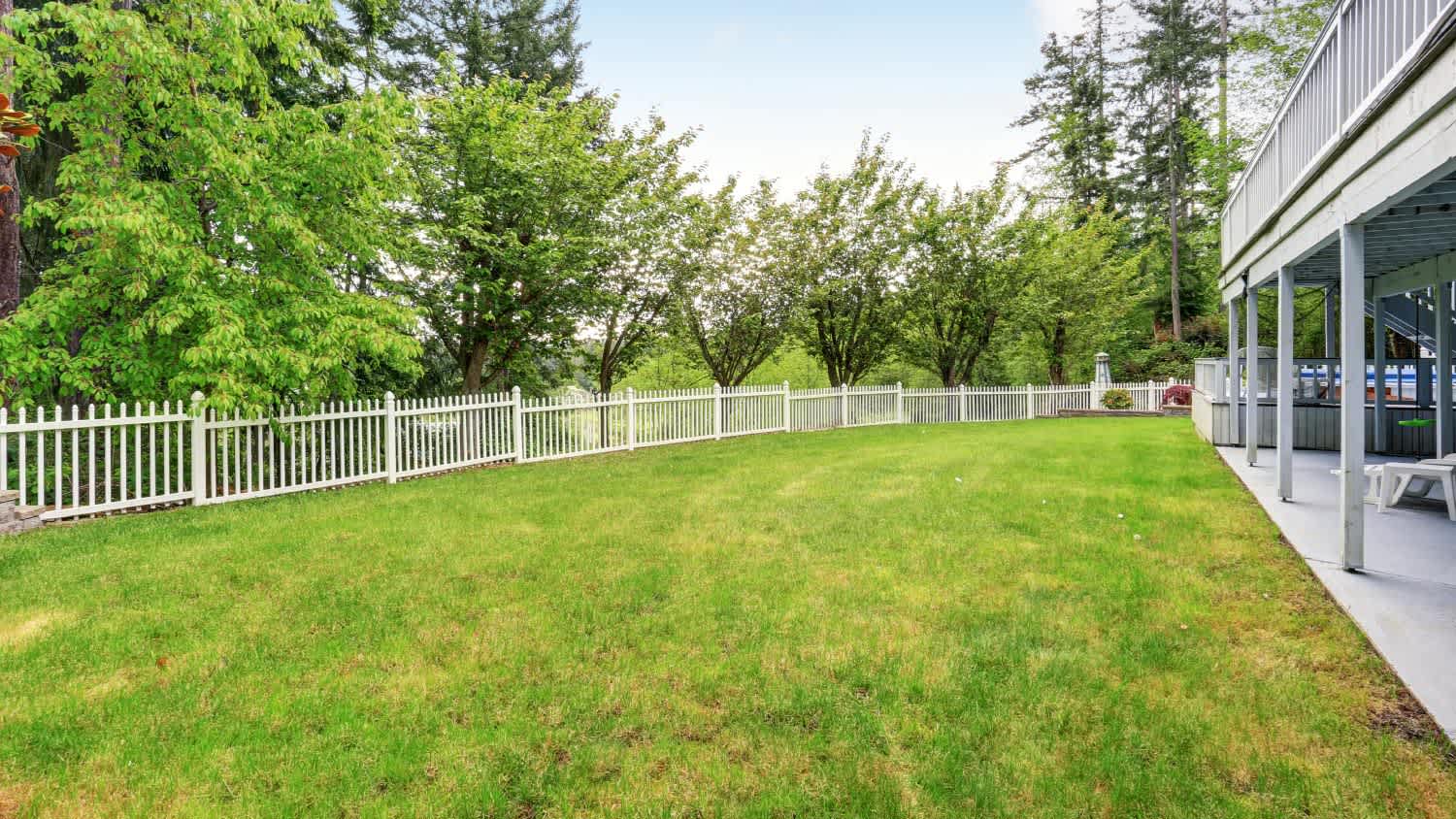
Want to know how to get rid of Johnsongrass in your lawn? Here’s how to control this noxious weed, from identifying this invasive grass to using chemicals against it.