
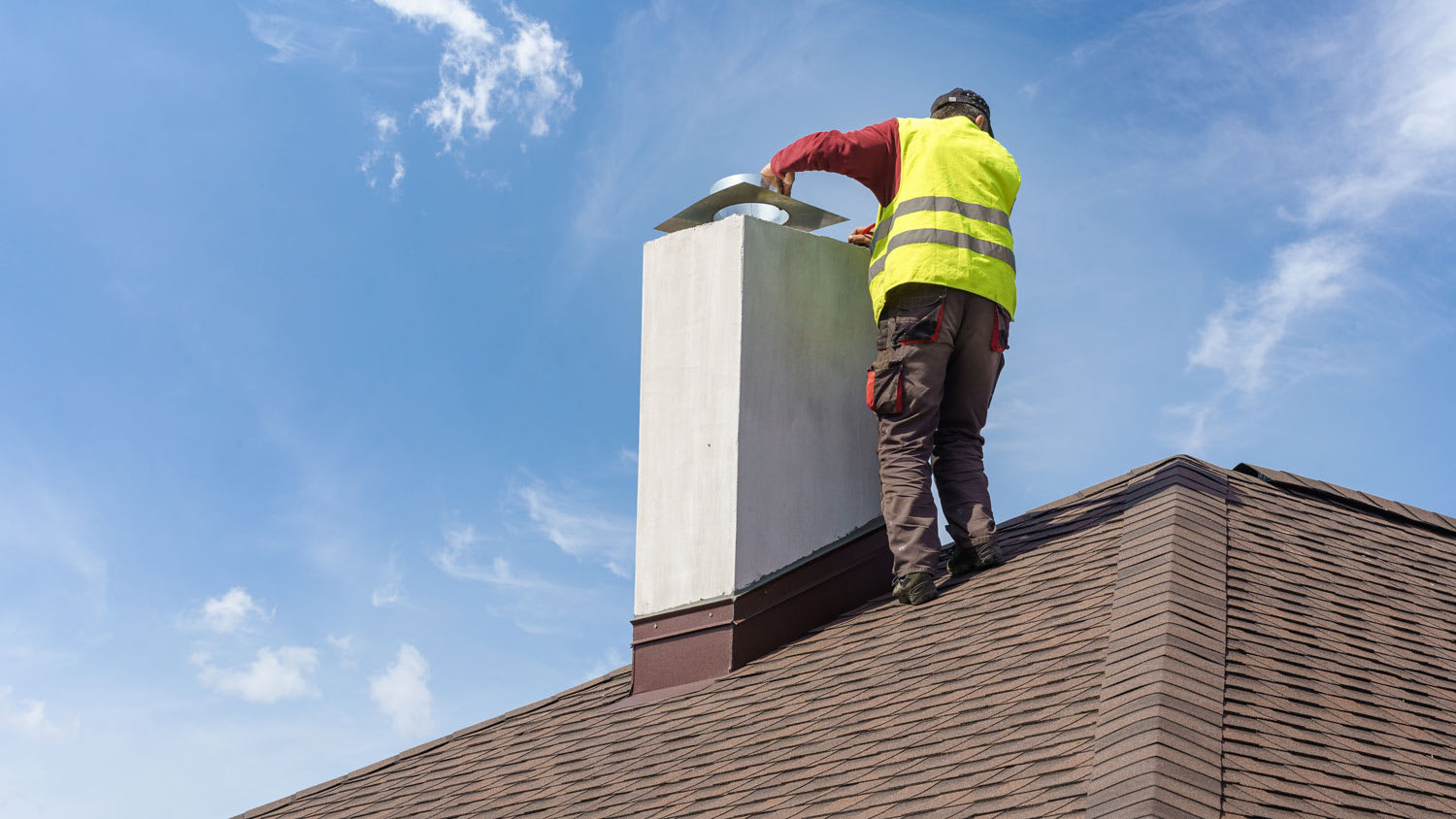
Sealing your chimney is one of the most affordable ways to prevent water from penetrating the bricks. This guide breaks down the cost to seal a chimney.
Say goodbye to cold drafts

Sealing off your chimney flue is a project to consider if you rarely use your fireplace—or don't use it at all. Closing up a chimney flue will stop cold drafts from sneaking in and prevent unwanted guests like birds, squirrels, or other critters from nesting inside it. Plus, it reduces debris buildup, lowering the risk of a potential fire hazard. Here's how to block your chimney flue like a pro.

Top-sealing dampers offer a flexible solution for homeowners looking to permanently or temporarily block their chimney flue. They allow you to use your fireplace whenever you like while providing an effective seal when it’s not in use. Best of all, unlike permanently sealing your chimney, it won’t impact your home’s value when it’s time to sell.
Before starting your project, ensure your chimney is in good shape—any structural issues will impact the damper's effectiveness. Consult a local chimney repair specialist who can inspect and sweep your chimney before damper installation. As this requires working on your roof, hire a pro with the necessary safety gear, especially if it’s steeper than 35 degrees.
From the roof, measure the width and length of the inner flue opening. Remember that a miscalculation can result in purchasing the wrong-size damper, creating an ineffective seal.
If your flue isn't a perfect square or rectangle, measure at the widest and narrowest points to compensate for the variation in shape. For round flues, measure the inner diameter at its widest point.
With your chimney flue's measurements in hand, match them to the size range provided by the manufacturer to ensure you've purchased the correct top-sealing damper for your chimney.
If your flue measurements fall between two damper sizes, choose the larger size to ensure a tight seal around the edges. Please note that most damper kits do not include the cable or chain that enables opening and closing. So remember to pick up a compatible kit.

Climb back on the roof and set up your work area near the chimney. Bring your tools, damper kits, and supplies with you. Take all safety precautions and have a buddy assist you.
Follow the manufacturer's instructions for installing. Typically, the first step after unpacking the kit is positioning the damper in the flue opening.
You want to ensure it's centered so that the gasket (the rubber or silicone ring around the damper) makes full contact with the chimney crown surface. You also want to confirm that the damper, when closed, creates a tight seal. If it is slightly off, you will have air leakage.
The damper kit may require drilling into the chimney crown. Hold the damper in place and use a marker or pencil to mark the spots where the screws or anchors will go. This step helps to ensure accuracy when drilling and prevent unnecessary damage to the chimney crown. Afterward, drill the pilot holes using a masonry drill bit.
The chain or cable will connect the damper at the top of the chimney to a bracket installed inside the firebox. It will be how you open and close the chimney flue. Following the manufacturer’s instructions, be sure the chain or cable is securely attached to the damper mechanism at the top before installing.
After drilling the pilot holes, hold the damper in place and insert the masonry screws or anchors provided in the damper kit. Then, tighten them into place using a drill, securing the damper to the chimney crown. You want to ensure a snug fit with no wobbling. The chain or cable should be inside the flue.

Once the damper is secure, apply a generous bead of high-temperature silicone sealant or chimney-specific caulk around the base of the damper where it meets the crown. It will create a waterproof, airtight seal, preventing moisture, drafts, and debris from entering.
After installing the damper on top of the chimney, the chain or cable needs to be fed down through the chimney flue to reach the fireplace. A guide rod may be needed to help thread it through the flue; tools like this are typically used during chimney sweeping.
Once the chain or cable reaches the firebox, you are ready to install the bracket that came with the kit to hold it in place. Ensure the handle or chain is accessible but not obstructing the fire area. You may need a drill or screwdriver to install the bracket on the side or back wall of the fireplace, following the manufacturer's instructions.
Pull the chain or cable to open and close the damper. It should move smoothly and create a tight seal when closed. Adjust the length of the chain or cable if necessary to ensure the damper opens and closes fully.
Choosing between hiring a pro and blocking a chimney flue yourself depends on your experience and the chimney’s condition. Of course, DIY installation saves money, and this can be a straightforward project if you're comfortable working at heights, own all the right tools, and have previous experience working with chimneys and masonry.
The downsides are the risk of injury, like falling off the roof, and installation mistakes, such as improper sealing, which can lead to drafts or moisture issues. Also, the materials needed for this project are expensive. We recommend hiring a specialist to get the best results.
Positive experience. As previously stated, the replacement/repair could not be completed (no fault of the plumbing tech) b/c misinformation was rec?d by property management maintenance. Thanks to the plumbing tech for your efforts. Appreciate you!
 The Waterworks
Carpet repair done well. Scheduling was easy. Showed up on time.
 BR Flooring Installation
I would recommend this company to anyone! He showed up on time, was friendly, completed a very difficult repair on our dryer vent cover, was responsive, and pricing was extremely fair and competitive. I would have him back to do any of our repairs or cleanings without hesitation!
 U.S.A. Dryer Vent, LLC
Ace Fireplace Services came to the rescue for my chimney repair. They were quick to pinpoint the issue and worked their magic to fix it. My chimney is now in excellent shape, and I'm a satisfied customer.
 Ace Fireplace Services
100% satisfied with the work done by Supreme Brick & Chimney. Josh responded to my Angi request very quickly and squeezed our house into his schedule only a couple business days out. The chimney cleaning process was extremely clean with ZERO dirt going anywhere besides in Josh's vacuum. Very...
 Supreme brick & chimney
On Sunday 2/26 I requested quotes via Angi from 4 refrigerator repair businesses. Northwest Appliance responded to me Monday morning (2/27) and my refrigerator was repaired by noon the same day. Great communication, they did everything they said they would. The technician had the parts on...
Description says they handle window repair including rotten hardwood - they called me back right away but didnâ t leave a voicemail. I followed up 3 days later and they said they donâ t do that kind of work.
 Window-Gurus
They arrived on time repairs performed quickly very porvesinal
 Property-Tech Industries
Mike and his crew did a great job working through a very challenging task. The job required a full demolition of our ceiling, removing the blown in insulation and removing all the material from the site daily. It involved multiple inspections from the city and many challenges to get the...
 Rising Height Unlimited
Mr. Lopez was super nice and professional. He repaired our drywall just as he described during the estimate phase. Our dining room wall looks great again! Thanks Mr. Lopez!
From average costs to expert advice, get all the answers you need to get your job done.
Sealing your chimney is one of the most affordable ways to prevent water from penetrating the bricks. This guide breaks down the cost to seal a chimney.

If you own a fireplace, learning how to open and close your chimney flue ensures you allow smoke out of your home when it’s in use and stay warm when it’s not.
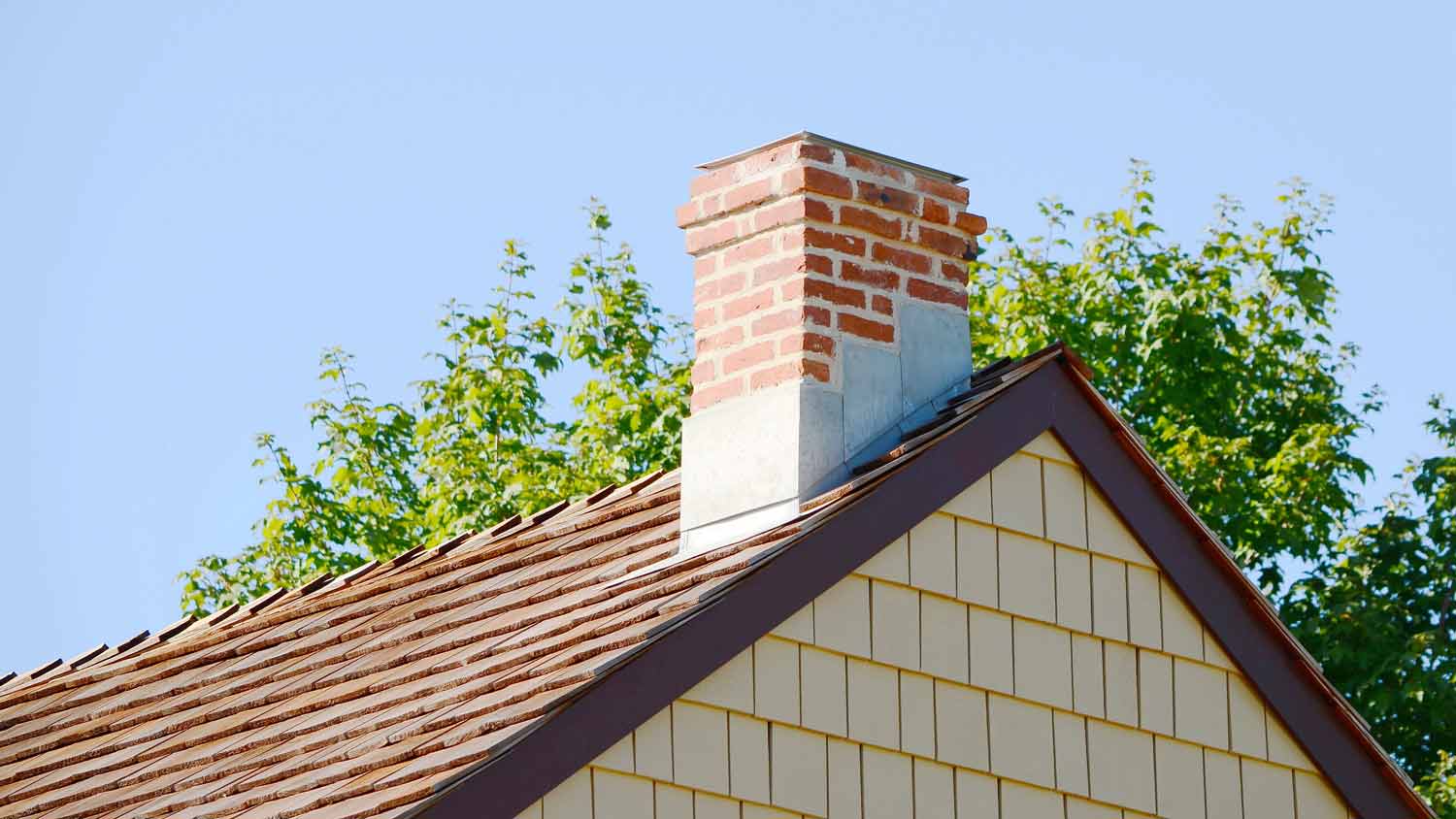
Learn how to clear a blocked flue to decide if you have the skill and the gear to tackle the task or if it’s best left to the professionals.
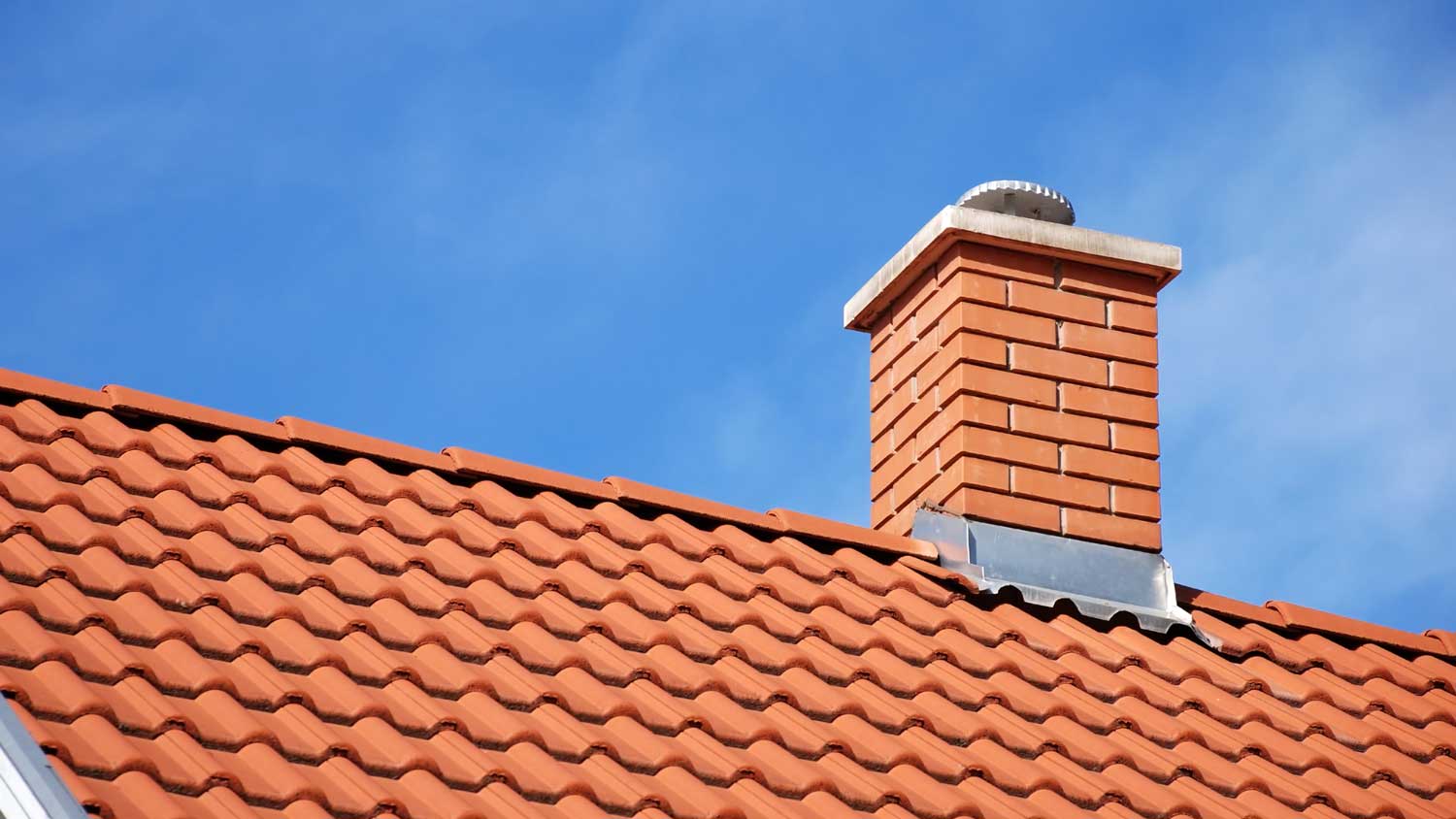
Ensuring the safety of your house is a homeowner’s primary concern. If you have a fireplace, you need to know “What is a chimney flue?”
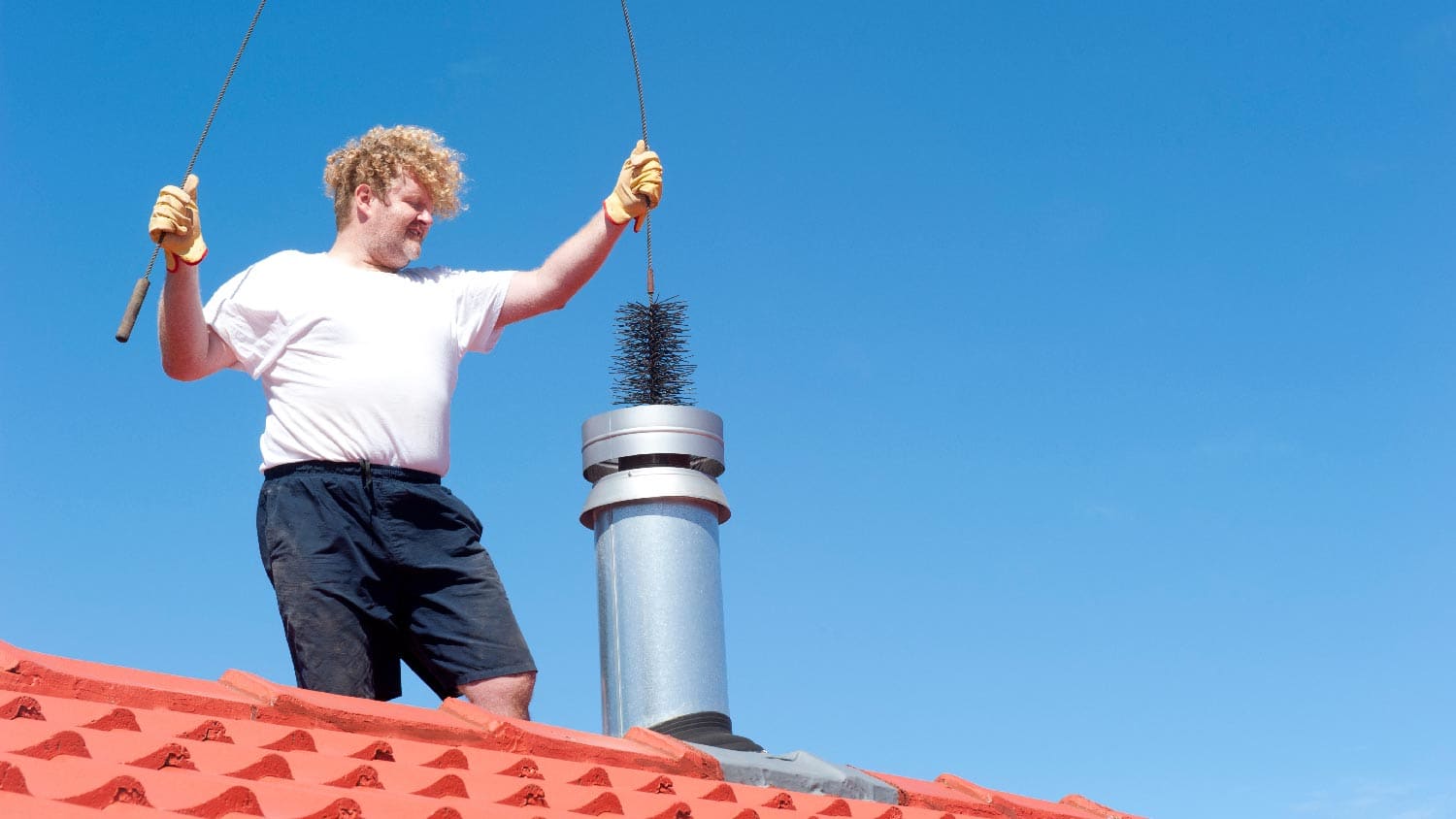
If you have a new chimney or chimney liner, you may wonder if metal chimney flues need cleaning. The short answer is yes, you need to clean a metal chimney flue.
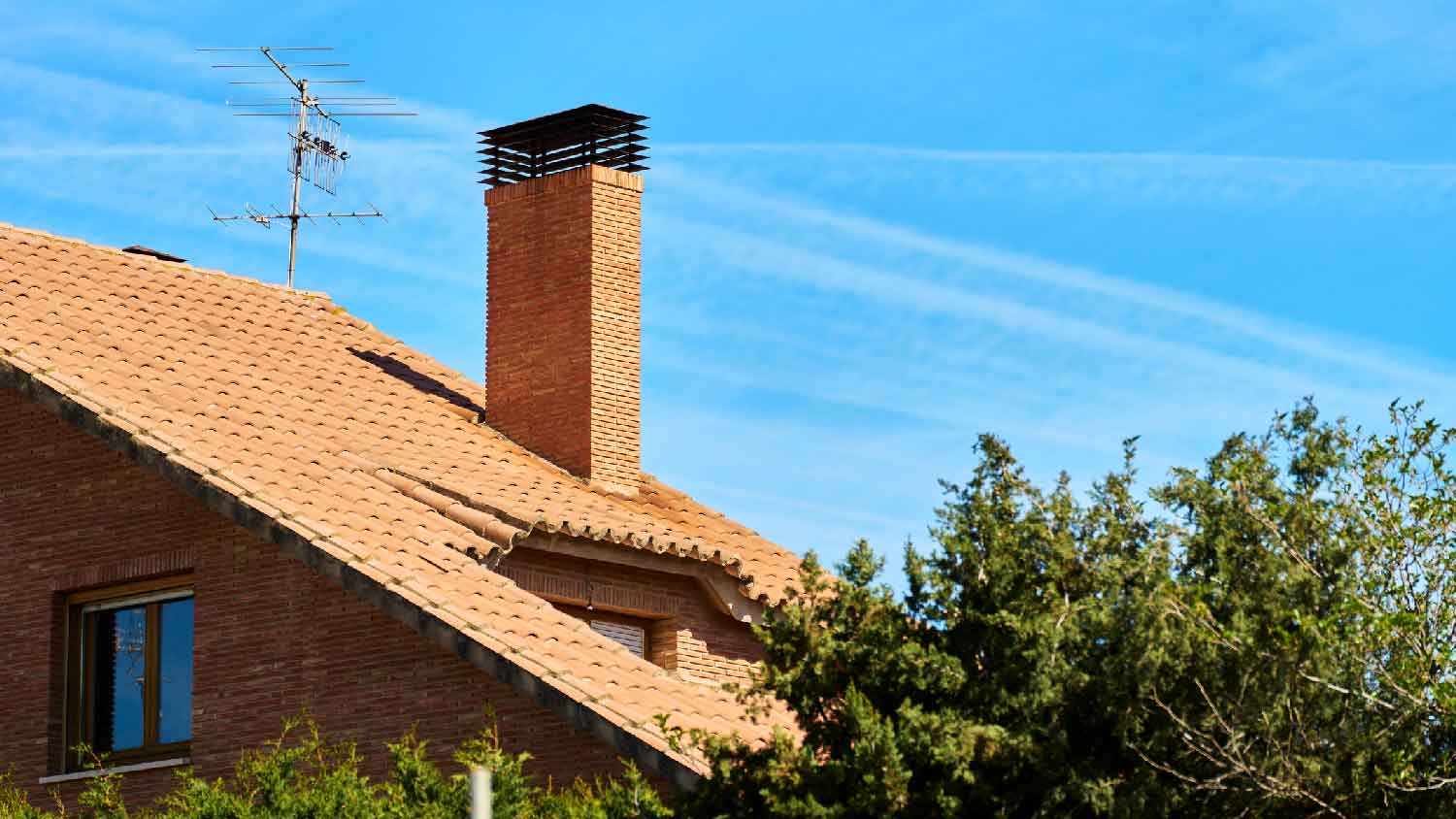
If you have a wood-burning fireplace, it’s important to understand what causes chimney fires so you can reduce the risk of a fire in your home.