
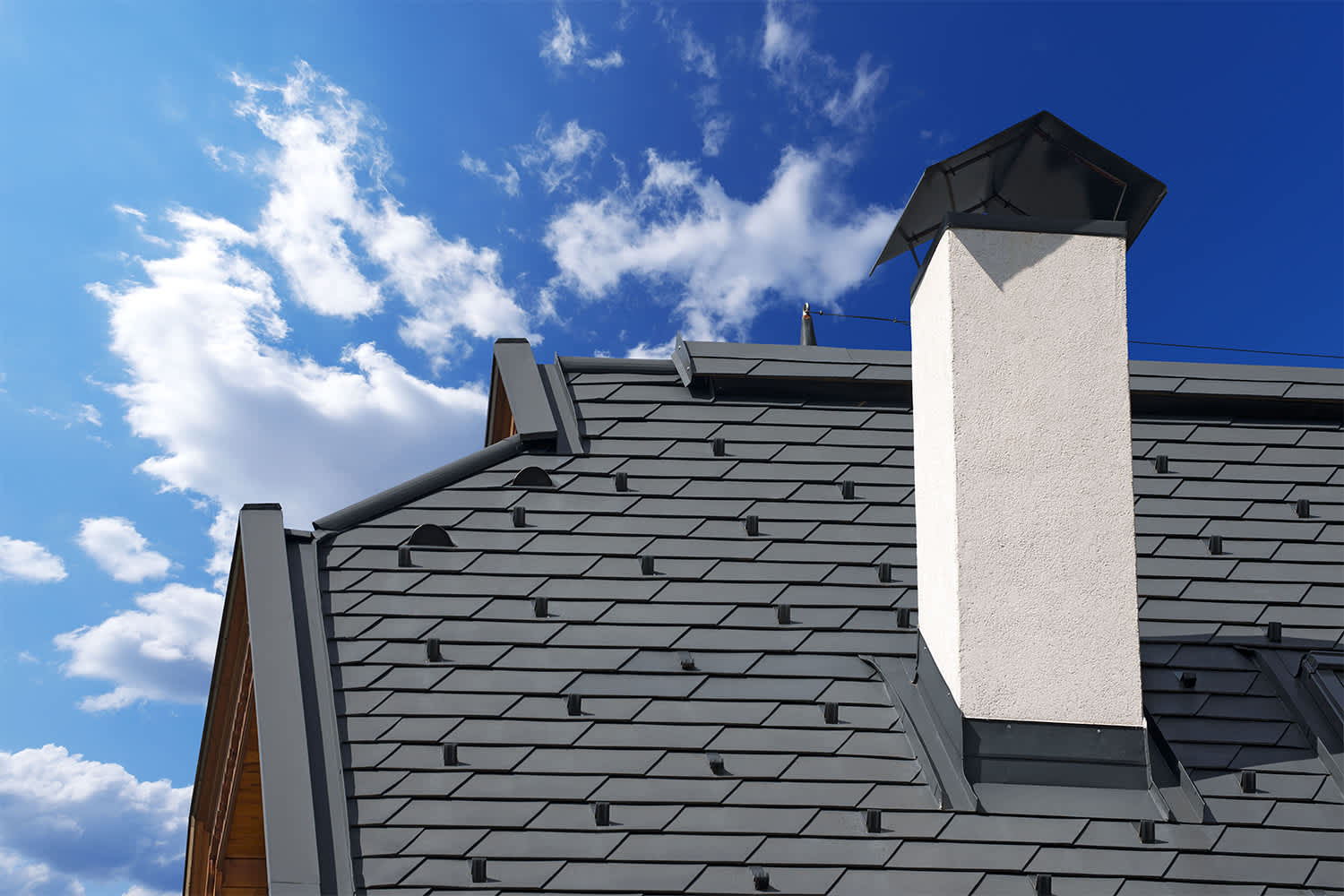
Notice leaks and corrosion around your chimney? You might need new flashing or some careful repairs. Here are some common chimney flashing repair costs.
We’re here to help you pick the right caulk for the job

Chimney flashing caulk deteriorates when exposed to freeze-thaw cycles, UV rays, and harsh weather, causing visible gaps and water damage around your chimney.
Silicone gel lasts up to 30 years and handles extreme temperatures, while mortar suits colder climates and elastomeric sealant resists cracks in all conditions.
Check your chimney flashing for visible gaps, rust stains, or water damage on interior walls to confirm you need recaulking before problems worsen.
Hiring a local roof repair professional provides reliable help with chimney flashing repairs and proper caulk application, keeping your home protected from leaks.
Chimney flashing is a waterproof layer that gets installed around the base where the chimney meets the roof. The flashing creates a seal and prevents water, snow, and debris from entering the home. It’s like a shield—but what happens when this shield cracks or requires minor repairs? That means it’s time to break out the trusty caulking gun. There are six types of caulk commonly used for chimney flashing: silicone gel, mortar, lap sealant, polyurethane sealant, elastomeric sealant, and oil-based asphalt caulk. Our guide will help you choose the best caulk for your chimney flashing.
Silicone gel or caulk is flexible and can withstand extreme temperatures and temperature changes. All of this makes it one of the best options for chimney flashing. When applied properly, it can last up to 30 years. It adheres well to most surface types, including metal, tile, glass and even plastic. It’s not great, however, for wood.
And there’s one other caveat: Make sure you choose a high-grade silicone sealant (don’t skimp and buy the cheapest stuff at Home Depot). After all, the sealant will be exposed to the sun on a daily basis, and this can wreak havoc on lesser-grade silicone gel. Just make sure the product you choose is advertised as being excellent for outdoor use, and you should be good to go.
| Pros | Cons |
|---|---|
| Common and easy to find | Won’t work on wood |
| Budget-friendly | Can tear |
| Can last up to 30 years | More expensive |
Best for: People who want an easy-to-find and easy-to-apply caulk
Mortar isn’t just for bricks. It’s also a decent caulking option, particularly for chimney flashing. You could go with regular mortar or a specially designed mortar caulk, though there isn’t much difference between the two. There are some serious benefits to choosing mortar for this task. It’s elastic, so it does well with the freeze/thaw cycle, and it’s budget-friendly. Mortar is also incredibly adhesive and bonds to most materials.
On the downside, it can be difficult to correctly apply, and this is compounded by the fact that you’ll be on top of a roof. Mortar may be a good choice for small holes or cracks, but it doesn’t handle large gaps too well. Finally, this material can develop cracks over time and isn’t as long-lasting as silicone.
| Pros | Cons |
|---|---|
| Elastic, so good for freeze/thaw | Cracks can develop over time |
| Budget-friendly | Not good for larger gaps |
| Great adhesive properties | Can be tough to apply |
Best for: People living in colder climates

Lap sealant is commonly used on roofs to do everything from sealing the edge of roofing membranes to creating a watertight seal around vent pipes. It’s also frequently used on chimney flashing, so it makes for a decent option to caulk up some imperfections. Lap sealant is durable and expands and contracts along with the roofing membrane, amping up its lifespan in frigid parts of the country. It's also UV stabilized to prevent staining and discoloration.
This is a serious chemical solution, however, so exercise caution during the application process. Wear protective gear, including a gas mask. You don’t want to inhale the fumes this stuff puts out. It also tends to crack over time, requiring a re-application.
| Pros | Cons |
|---|---|
| Flexible and durable | Cracks develop over time |
| UV stabilized | Not good for structural damage |
| Lasts forever if stored properly | Dangerous when inhaled |
Best for: People in warmer climates, due to the UV protection
There are plenty of heavy-duty polyurethane sealants out there that do a good job to seal up chimney flashing. Look for products made by companies like Sika and others. Polyurethane sealant is useful for this task because it is watertight, flexible, and can withstand just about any type of weather. It’s a good all-around choice, particularly when sealing gaps and joints.
Though it can handle any type of weather, it doesn’t resist UV rays too well. This will lead to discoloration over time. In rare cases, too much UV can also cause the bond to become brittle and unreliable. To that end, this material is known for being difficult to remove, so be sure to place it properly.
| Pros | Cons |
|---|---|
| Flexible and good with freeze/thaw | Doesn’t resist UV rays |
| Completely watertight | Difficult to remove |
| Withstands all types of weather | Lengthy curing time |
Best for: Homeowners who experience a lot of rain
Elastomeric sealants are polymer- or acrylic-based chemicals that are incredibly effective on chimney flashing, or just about anywhere else. Elastomeric sealant products are highly resistant to cracks and other types of damage caused by long-term exposure to the outdoors. This sealant expands and contracts along with the roofing membrane, so it’s a good choice for homeowners who live in areas with extreme winters. It even lets trace amounts of moisture escape from under the bond, staving off mold.
It might be the most durable caulk for chimney flashing, but it’s also the most expensive. It’s not uncommon to find elastomeric sealant that’s four or five times the price of standard silicone gel. It also releases noxious fumes during the application process, so wear a mask.
| Pros | Cons |
|---|---|
| Resist cracks | Extremely expensive |
| Handles extreme weather | Fumes can be dangerous |
| Excels with freeze/thaw cycles | May not be environmentally friendly |
Best for: Those who aren’t afraid to pay extra for a quality product

Oil-based asphalt caulk is extremely heavy-duty, so it’ll withstand just about anything you throw at it. This includes freeze/thaw cycles, inclement weather, and even flying debris. It’s also surprisingly budget-friendly, considering its powerful adhesive properties. It lasts for years and resists cracks and warping.
As for its downsides, oil-based asphalt caulk is tough to apply. This is because it’s extremely thick and dries quickly. It also has high levels of VOCs. This isn’t dangerous, as the chimney flashing is outside, but it’s not particularly eco-friendly.
| Pros | Cons |
|---|---|
| Incredibly durable | Tough to apply |
| Great adhesive properties | Fumes can be dangerous |
| Fairly budget-friendly | Not environmentally friendly |
Best for: Homeowners with plenty of DIY experience
All of the exposed elements of a chimney are subject to the negative impacts of inclement weather. Some flashing is made from metal, which is subject to rust. Some flashing is made from caulk-adjacent materials. No matter the design of the chimney flashing, it’ll start showing its age after a good number of years. Even mortar maxes out at around 25 years. In short, you’ll have to caulk the flashing more often if you live in an area prone to harsh weather conditions. This is especially true if you experience serious freeze/thaw cycles.
There are several pretty obvious signs to look out for here. The first one requires a trip up to the roof to check out the flashing itself. If there are visible gaps in the caulking, it’s time to seal those gaps up. Otherwise, look for leaks anywhere around the chimney, discolored bricks, or rust stains or water stains on interior ceilings or walls that adjoin the chimney. You’ll also get a heads up whenever you bring a local roof repair pro in for an inspection.
You can feel confident walking into a hardware store and picking up any one of the above caulk types. There are, however, a couple that just won’t work for this type of project. Stay from latex caulk, or you may have to learn how to replace chimney flashing. Latex caulk is primarily for indoor use and can’t really handle extreme weather conditions of any kind. You should also stay away from rope caulk, otherwise called caulking cord.
Mitchell and the crew were top tier i am so happy with my new roof
 Home Genius Exteriors
D1 Roofing delivers outstanding service from beginning to end, backed by a strong warranty and expert teams. I highly recommend them for their excellence in meeting and surpassing expectations with unmatched communication. Choosing D1 Roofing was flawless decision
 Division 1 Roofing LLC
This place took $25,000 for a flat roof job with a five-year warranty and never returned to fix the leaks that were caused by their work. These people are not professionals and should not be doing this type of work. They incorrectly changed the pitch of the roof, and caused more damage than...
The technician was very professional and friendly. He answered all my questions and was very thorough. He left the fireplace area very clean . He inspected from the roof and advised me as to other work that might need to be done. There was no pressure there. I was very satisfied with the...
 Supreme brick & chimney
I am really impressed with their timeliness and turnaround. Mitchell came out, and we decided to move forward with their pricing. Our roof was on within a week, and we could not be happier with their team! Amazing company, great prices and honest, dependable craftsmanship. I highly recommend...
 Window Depot USA of Central Ohio
Manuel Calvillo is the best option in the area for roofing and you won't be disappointed.
They damaged multiple items on my property, including a marble slab used as a table top, tried to hide it, and refused to pay or replace. Arrived day one without a ladder to access roof & delayed a day. Left a mess in back yard; didn't wear face masks; no show by owner to property to see damages
 Grants Tree Service
I've hired Gary/Cherokee Roofing for two different homes, work quality, responsiveness, and completion have been great both times. And the prices quoted were very competitive. I would definitely hire again.
Lyle did a great job removing asbestos shingles from our front porch roof. They worked together with our roofer to make sure that the new roof was able to be installed on the same day that Lyle removed the asbestos shingles.
 Lyle Environmental
Bradley Builders did a good job replacing the roof on our front porch. They color-matched the existing shingles on the rest of the house and installed a metal ridge roll since we live in a historical neighborhood. They did the job while we were out of town. When we got back, everything was...
 Bradley Builders, Inc.
From average costs to expert advice, get all the answers you need to get your job done.
Notice leaks and corrosion around your chimney? You might need new flashing or some careful repairs. Here are some common chimney flashing repair costs.
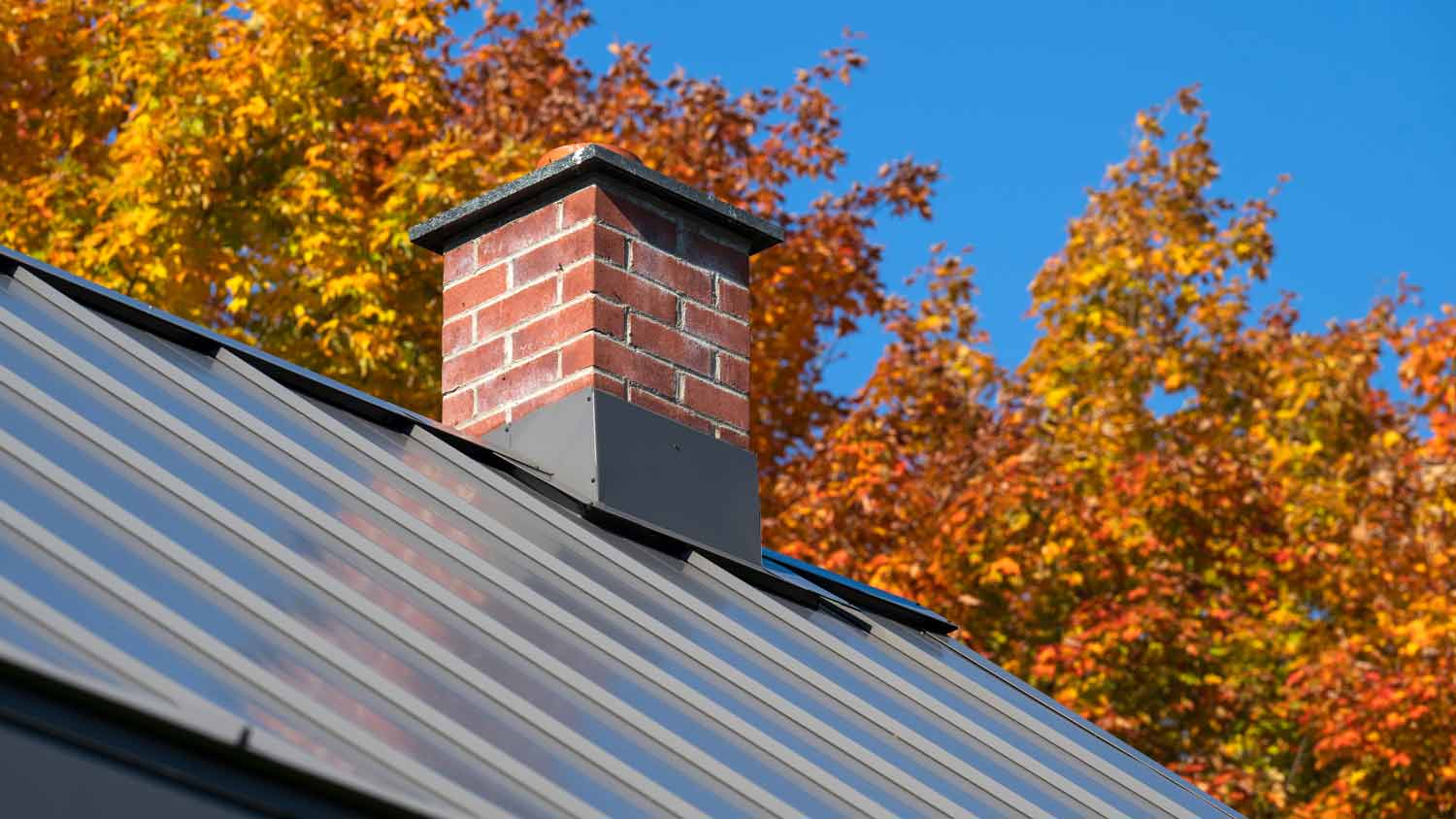
Gaps and other faults in your chimney flashing sealant can leave your home vulnerable to leaks. Learn how to seal chimney flashing with this guide.
You might think you know how your chimney works, but what is chimney flashing? Learn about the roofing element that keeps your fireplace dry.
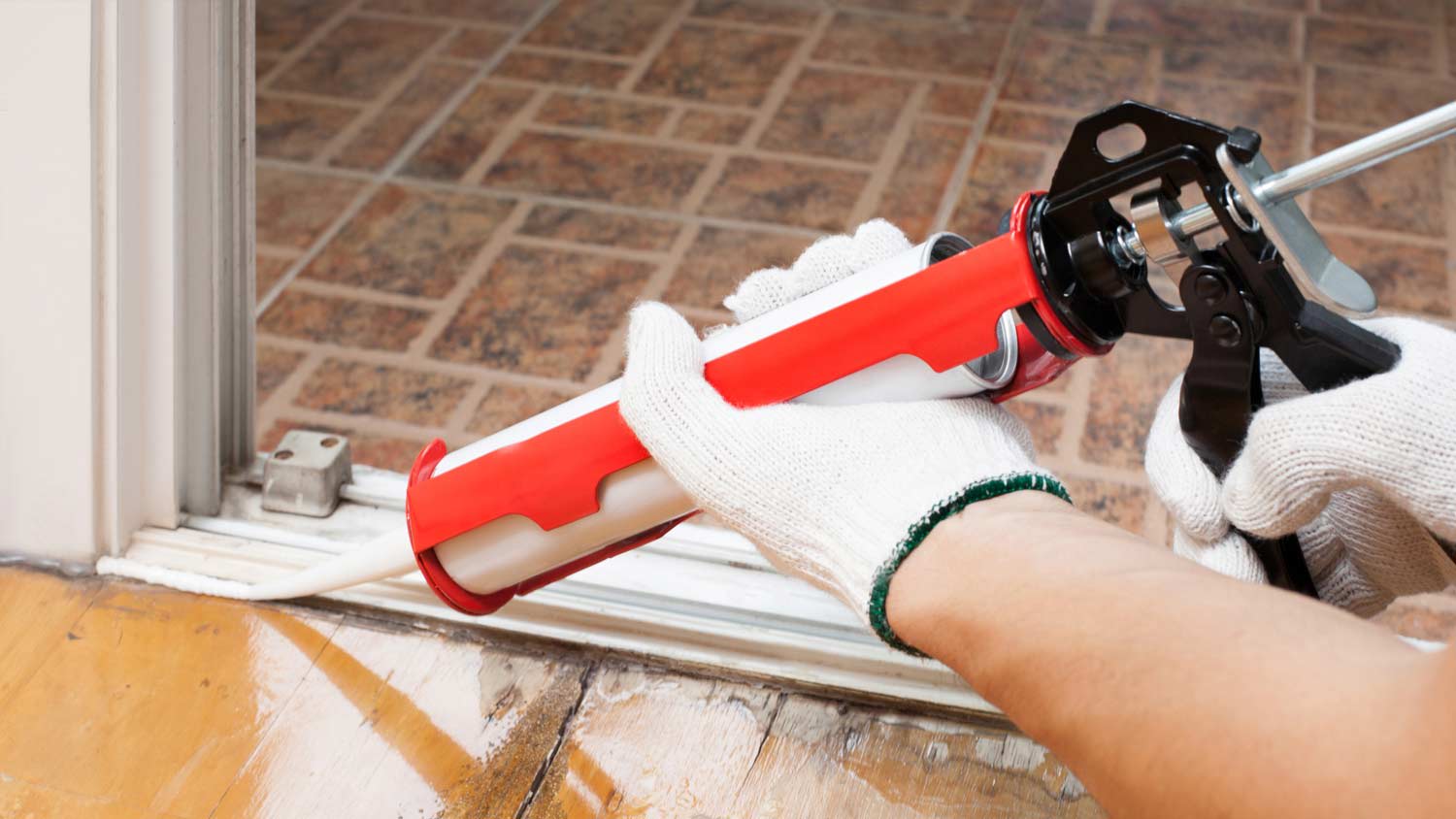
Explore the best caulk alternative options to seal gaps, prevent leaks, and enhance your DIY projects. Find the perfect solution for any application.
With so many different types of caulk on the market, how do you know which one is right for your home improvement project? Here’s how to figure it out.
Even in the harshest storms, your chimney should keep water out—not let it in. Learn why there’s water coming down your chimney in heavy rain.