
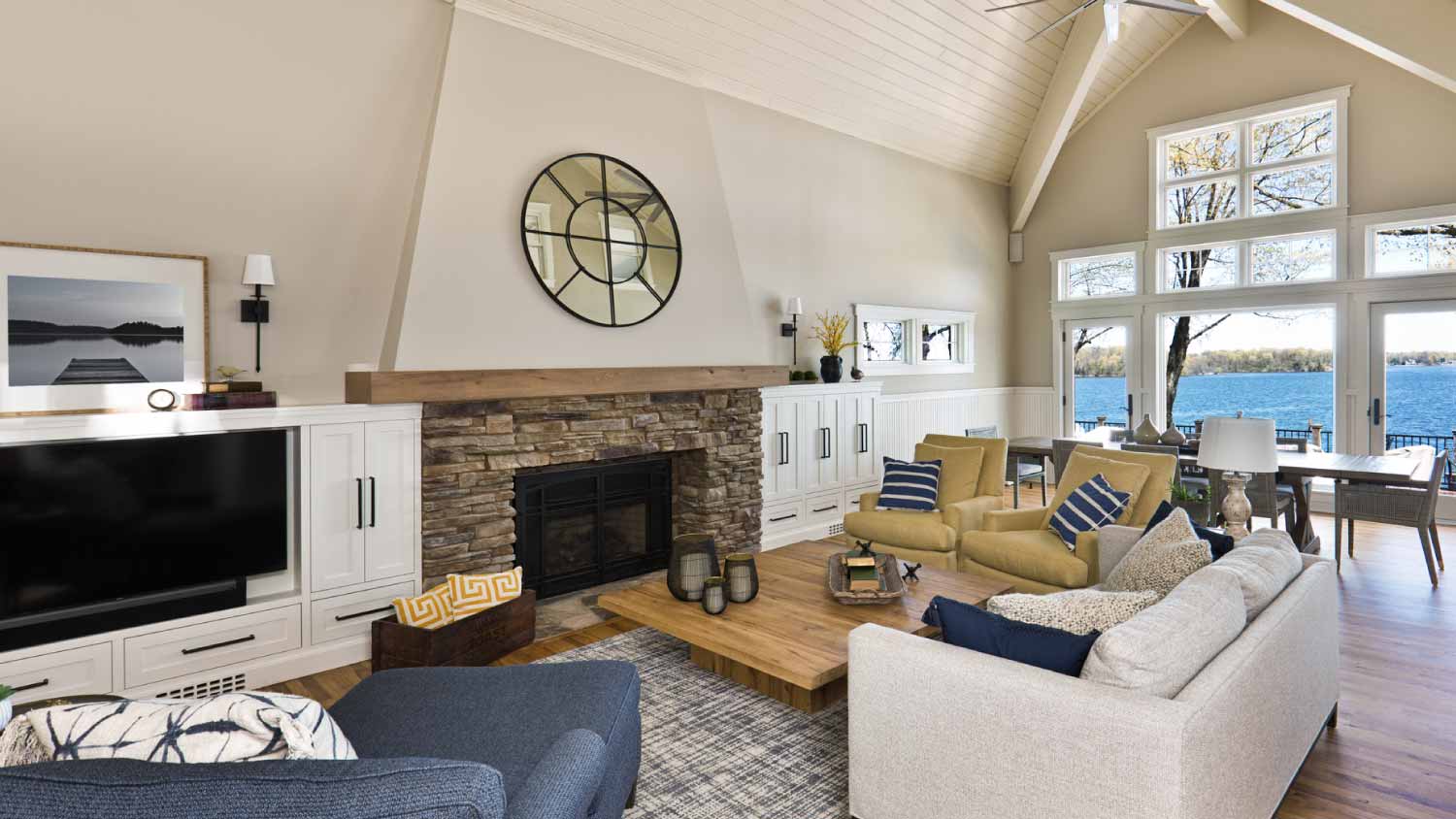
If you’re experiencing chimney airflow problems, a new damper may be in order. Use this guide to learn what goes into your chimney damper replacement cost.
Lack of a functional chimney damper and flue can turn your cozy fire into a fire hazard

A chimney flue valve moves smoke safely outside while your damper controls airflow above the firebox, and both components work together to keep your home safe.
Expect to pay $150 to $500 for damper replacement and $400 to $1,250 for flue liner installation labor, so addressing issues early helps you avoid larger repairs.
Your choice between steel and cast iron dampers or clay and stainless steel flues depends on your budget, durability needs, and fireplace maintenance goals.
Hiring a local chimney repair professional provides expert guidance on damper and flue issues, helping you maintain safe ventilation and prevent dangerous creosote buildup.
Your chimney might look like a simple structure, but it’s built from several essential components to help keep your home safe. Two of these components are the chimney flue and the damper. You can get by without knowing the difference between a chimney damper versus a flue. However, understanding the part each plays in your home’s safety can help you properly maintain your chimney before it becomes a fire hazard. This guide explains the main differences you need to know.
The chimney damper and flue are often confused, but each has a distinct purpose. The flue is the pipe inside the chimney that allows smoke to move from the fireplace to the outside. The damper is a plate that sits just above the firebox and controls the airflow. A functional chimney needs both a damper and a flue.
| Type of Difference | Chimney Damper | Chimney Flue |
|---|---|---|
| Use | Airflow control | Smoke removal |
| Appearance | Steel or cast iron | Clay or stainless steel |
| Installation | DIY or professional | Professional |
| Maintenance | Annual inspection | Annual inspection and cleaning |
| Cost | Less expensive | More expensive |

A chimney damper is a flap inside the chimney, usually just above the fireplace. When you light a fire, the damper must be open to allow smoke to escape through the chimney. When open, the damper regulates the airflow to the firebox, which fuels the fire and keeps it burning. When closed, the damper prevents energy loss and stops critters from entering your home through the chimney.
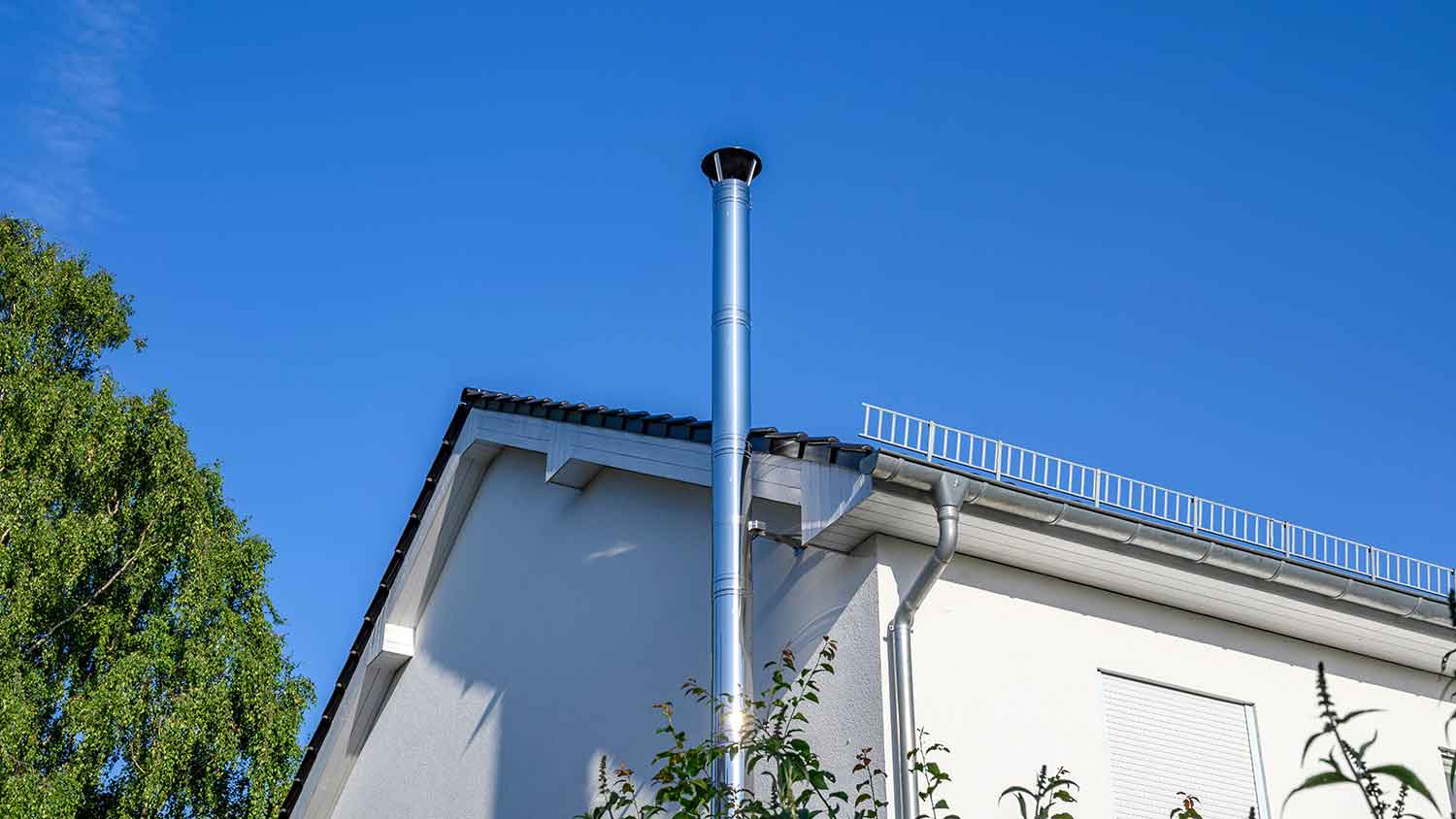
The chimney flue is a pipe that runs the length of your chimney to let smoke outside safely. It has a flue liner to protect the chimney masonry from creosote buildup, heat damage, and other hazards.

If your chimney is functioning correctly, you won’t see the flue or the damper. The flue is a long pipe that runs the length of your chimney and is protected by a chimney liner, also called a flue liner. Many flue liners are made from clay, but you can also opt for stainless steel. Clay liners are cheap but difficult to repair and prone to cracking. Stainless steel liners are more durable than clay liners but have a heftier price tag.
Dampers are often made from heat-resistant materials like steel or cast iron. They usually have silicone around the edges to help form a tight seal when closed to prevent airflow. Most dampers are operated manually with a handle accessible from the firebox or the fireplace wall.
Proper flue installation is essential to the safety of your chimney. If you have experience working with chimneys, you may be able to learn how to install a flue liner yourself (though this isn’t a job for a novice). But in most cases, whether installing a new flue or replacing a damaged liner, leaving this job to a chimney repair pro near you is best.
A pro will measure your chimney, recommend the best flue liner, and install it safely. You can expect to pay $400 to $1,250 in labor costs alone to install a chimney flue liner.
Installing a chimney damper yourself is possible—especially if you’re replacing an existing damper. Simply remove the damper from the rod holding it in place, take it to a fireplace store, and purchase a new one. Then, install the new damper back into the rod and test to ensure it works correctly. If you’re not confident in your DIY abilities or worried about installing it safely, a chimney pro can help install the damper properly.

Maintaining your chimney damper and flue is easy enough. An annual chimney inspection can catch any issues before they become severe (and expensive to fix). Chimney repairs cost $455 on average but can cost as little as $160 if you fix the issue while it’s minor. You can also learn how to repair a chimney flue crack yourself to save money—but be aware that this is an expert-level repair.
It’s essential to have your chimney professionally cleaned annually to remove creosote from the flue and damper. Creosote builds up when smoke condenses inside the flue—and if that creosote buildup ignites, it could catch your chimney on fire. A pro knows how to remove creosote from the chimney flue using specialized cleaning tools and products to lower the risk of a house fire. Clay, ceramic, cast-in-place, and metal chimney flues need cleaning once a year to increase efficiency and keep your home safe. On average, a chimney sweep costs $260.
Flue repairs vary in cost depending on the flue material and the issue. Cracked flue tiles can be repaired for $200 to $400 while installing a new chimney liner costs between $1,500 and $5,000.
Fireplace dampers usually need to be replaced if there’s an issue. The cost to replace a damper depends on the type of damper you choose and the size of your chimney, but expect around $150 to $500.
Positive experience. As previously stated, the replacement/repair could not be completed (no fault of the plumbing tech) b/c misinformation was rec?d by property management maintenance. Thanks to the plumbing tech for your efforts. Appreciate you!
 The Waterworks
Carpet repair done well. Scheduling was easy. Showed up on time.
 BR Flooring Installation
I would recommend this company to anyone! He showed up on time, was friendly, completed a very difficult repair on our dryer vent cover, was responsive, and pricing was extremely fair and competitive. I would have him back to do any of our repairs or cleanings without hesitation!
 U.S.A. Dryer Vent, LLC
Ace Fireplace Services came to the rescue for my chimney repair. They were quick to pinpoint the issue and worked their magic to fix it. My chimney is now in excellent shape, and I'm a satisfied customer.
 Ace Fireplace Services
100% satisfied with the work done by Supreme Brick & Chimney. Josh responded to my Angi request very quickly and squeezed our house into his schedule only a couple business days out. The chimney cleaning process was extremely clean with ZERO dirt going anywhere besides in Josh's vacuum. Very...
 Supreme brick & chimney
On Sunday 2/26 I requested quotes via Angi from 4 refrigerator repair businesses. Northwest Appliance responded to me Monday morning (2/27) and my refrigerator was repaired by noon the same day. Great communication, they did everything they said they would. The technician had the parts on...
Description says they handle window repair including rotten hardwood - they called me back right away but didnâ t leave a voicemail. I followed up 3 days later and they said they donâ t do that kind of work.
 Window-Gurus
They arrived on time repairs performed quickly very porvesinal
 Property-Tech Industries
Mike and his crew did a great job working through a very challenging task. The job required a full demolition of our ceiling, removing the blown in insulation and removing all the material from the site daily. It involved multiple inspections from the city and many challenges to get the...
 Rising Height Unlimited
Mr. Lopez was super nice and professional. He repaired our drywall just as he described during the estimate phase. Our dining room wall looks great again! Thanks Mr. Lopez!
From average costs to expert advice, get all the answers you need to get your job done.
If you’re experiencing chimney airflow problems, a new damper may be in order. Use this guide to learn what goes into your chimney damper replacement cost.
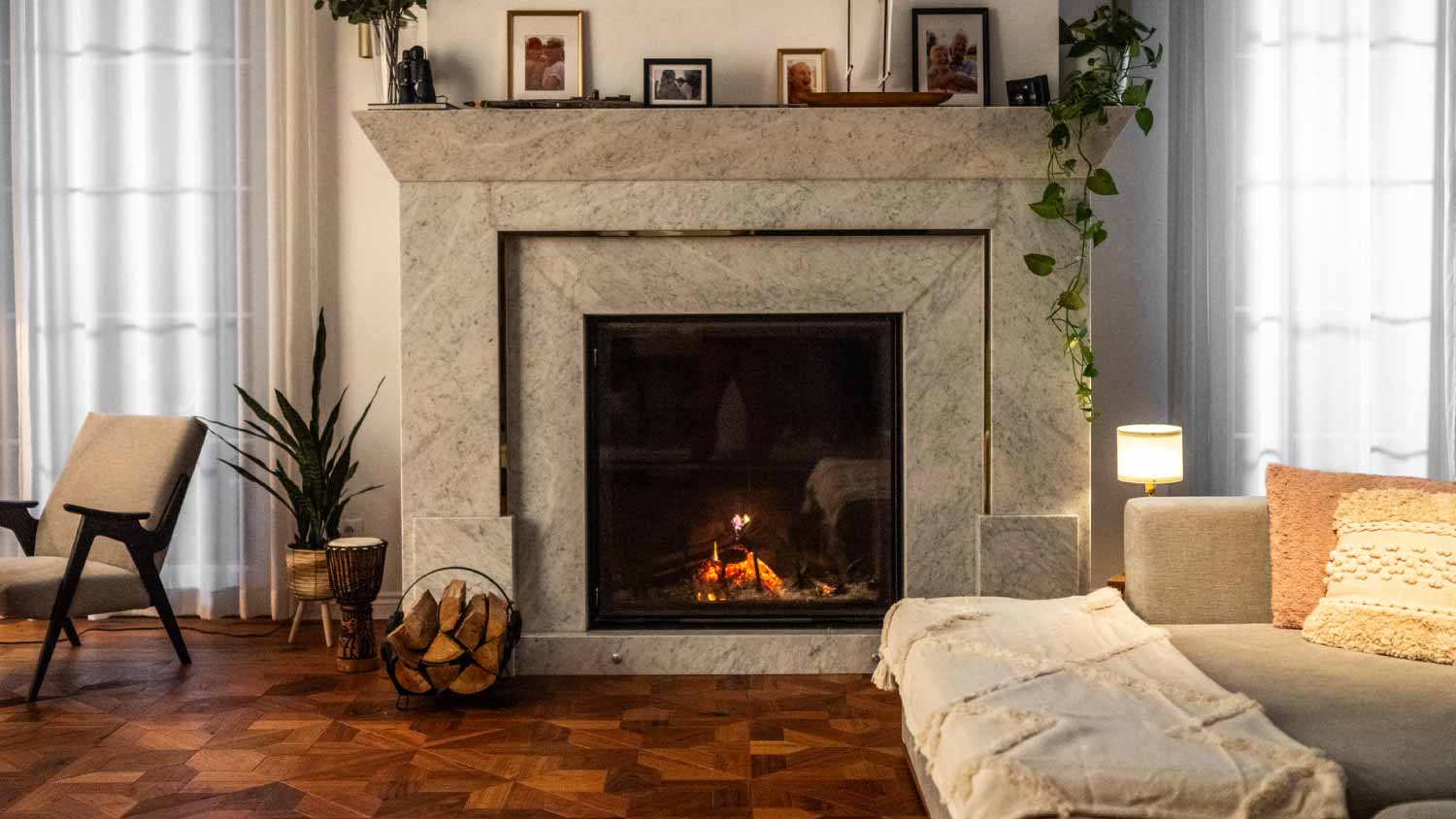
Wondering what is a chimney damper? A chimney damper is a small flap that allows you to open and shut the airflow through your chimney.
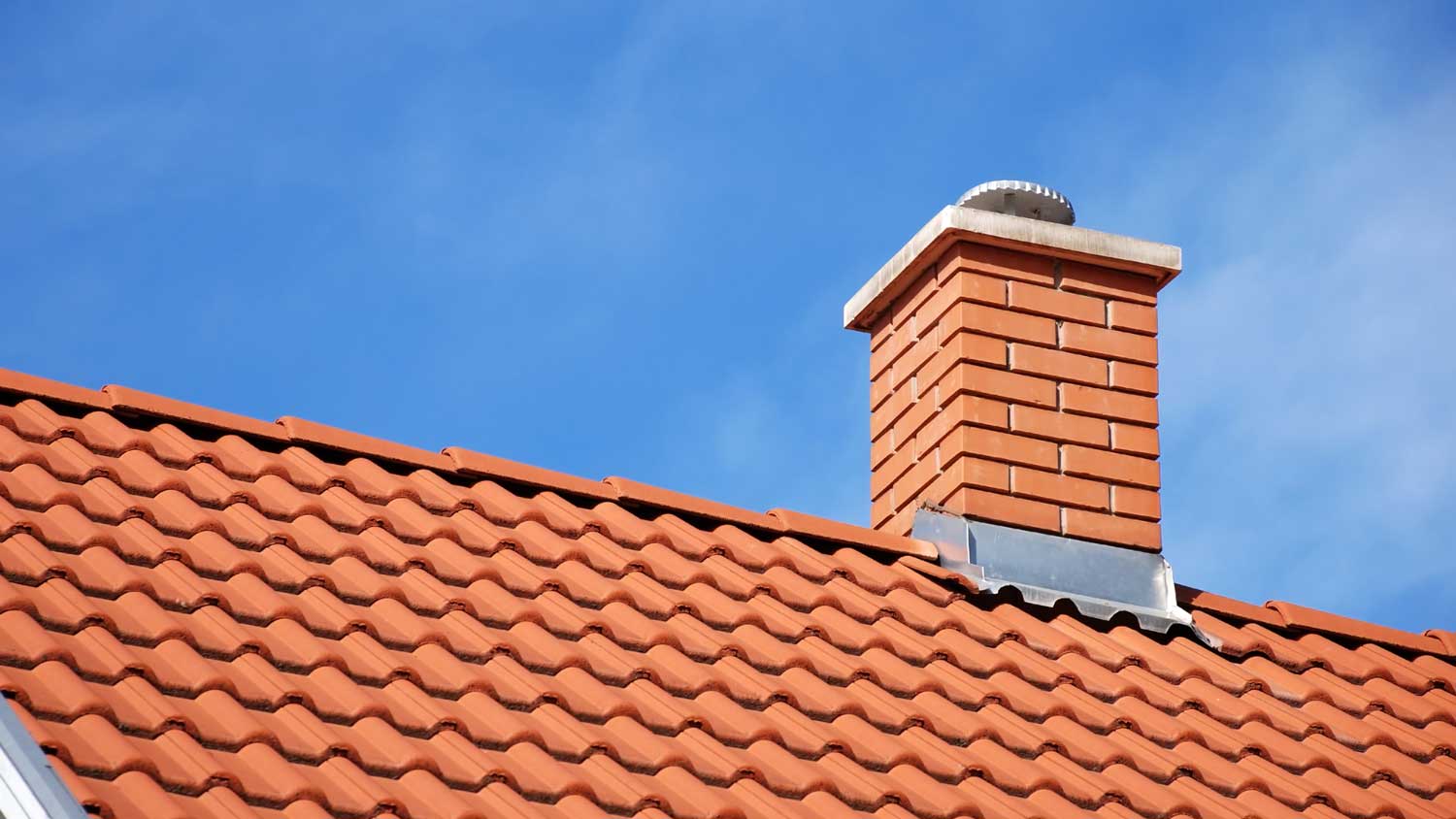
Ensuring the safety of your house is a homeowner’s primary concern. If you have a fireplace, you need to know “What is a chimney flue?”
Oversized flues lead to chimney corrosion, freeze/thaw damage, and an uncomfortable draft. Here are the standard chimney flue sizes to ensure proper integration.
Before your next chimney inspection and cleaning, check out our guide to all the parts of a chimney, both internal and external.
Learn everything you need to know about how to install a chimney damper, then decide whether to do it yourself or hire a local professional.