

Chimney sweep costs can be dramatically affected by the type of chimney, its location, and how dirty it is.
Here’s one more thing to put on your to-do list

Metal chimneys need annual cleaning to prevent creosote buildup, which starts as flaky soot but becomes a sticky, flammable tar when combined with moisture in your flue.
Professional chimney sweep services cost $130 to $380, with average costs around $255, so scheduling annual cleaning helps you avoid more expensive repairs later.
You should inspect your chimney before cleaning, looking for creosote layers thicker than 1/8 inch, which signal a fire hazard requiring professional attention rather than DIY work.
Hiring a local chimney repair professional provides reliable support with creosote removal and inspections, keeping your home safe when cleaning becomes a safety concern.
Cleaning your chimney might be one of those household tasks you only think about when watching Mary Poppins, but it’s incredibly important for the efficiency of your chimney and the safety of your home. A dirty chimney can lead to a host of problems and increase the risk of a chimney fire. So, the short answer is yes, metal chimney flues need cleaning. Let’s get into the dirty details.

When you think of a chimney, you probably envision a class red brick chimney. However, chimneys can be made from a variety of materials. In addition to red brick, you can find industrial concrete and modern metal chimneys, among a few other options.
But even if you have a traditional brick chimney, you can still line the inside (a.k.a. the flue) with metal. Metal chimney flues are a popular option because they’re durable, flexible, and rust-resistant. If you have a metal chimney flue, you may think it doesn’t require cleaning like brick chimneys do—after all, there is no porous material to crumble away. But all chimneys need regular cleaning to keep them working safely, regardless of the material.
Not maintaining your chimney can lead to many dangerous problems. Here are some of the risks of not cleaning a chimney flue:
Creosote buildup: Creosote is a residue from burning wood. Initially, creosote deposits are small, flaky pieces of soot that can be easily brushed away. But over time, soot combines with moisture to form a sticky, tar-like substance that’s harder to remove. It’s also toxic and flammable, and when a creosote fire starts in a chimney, it can set off a dangerous chain of events.
Blockages: Debris such as leaves, sticks, and even animal nests can find their way into your chimney and create blockages. Remember, your fireplace or wood-burning stove depends on your chimney to function efficiently, and obstructions mean air can’t flow properly.
Carbon monoxide: Blockages can cause dangerous gases like carbon monoxide to build up and leak into your home. Carbon monoxide gas is odorless so it can be difficult to detect (another reason to always make sure your smoke and carbon monoxide detectors are working.) Symptoms of carbon monoxide poisoning include headaches, nausea, dizziness, confusion, vomiting, shortness of breath, fatigue, and loss of consciousness.

Cleaning a chimney is no small task. It requires special tools that not every homeowner has on hand. It can also be dangerous—you may be dealing with flammable materials while up on your roof. When in doubt, leave it to a professional. If you’re set on going at it alone, here are some general steps to follow.
First, you’ll need a few supplies:
Drop cloths, tarps, or plastic sheeting
Protective gear (old clothes, dust mask, gloves, goggles)
Flashlight
Chimney brush that will fit your flue
Extension rod for the brush
Small brush and dustpan
Shop vac
Ladder tall enough to reach your roof safely
Prep the area
Make sure the chimney and fireplace or stove are completely cool. Then, protect yourself and the area around your fireplace from soot. Wear a dust mask and goggles, and lay down a drop cloth or tarp around the fireplace. Move any fireplace accessories, logs, or ash out of the way. Open or detach the damper.
Examine the chimney
Use the flashlight and carefully look inside the firebox and chimney. If there’s just a fine layer of soot, you may clean it yourself if you feel comfortable doing so. But if there’s a layer of creosote more than ⅛-inch thick, that’s a safety hazard. The Chimney Safety Institute of America (CSIA) recommends getting a professional cleaning.
Access the chimney from the top
If you’re okay with proceeding, then remove the chimney cap from the top of the chimney.
Brush the flue from the top or bottom
Attach the extension rod to the chimney brush and feed in either down from the top or up from the fireplace. Note that cleaning from the bottom is safer, but it will create a bigger mess as soot falls down the chimney. Scrub up and down to remove the soot from the flue. Use your flashlight to check.
Clean up
Clean around the top of the chimney and the fireplace. Sweep up the debris from the fireplace and surrounding area. Carefully fold and remove the drop cloths. Use a shop vac to suck up any remaining soot and ash, as the tiny particles can clog up standard vacuums. Be sure to reattach the chimney cap as well.
If you’re at all uncomfortable with any of these steps—whether it’s working on the roof, maneuvering a chimney brush, or buying special equipment—call a local chimney professional.
If your chimney needs anything other than a light clean, you should always rely on a pro instead of DIYing. Creosote that’s more than ⅛-inch thick can be dangerous to handle yourself. It’s also best to call a chiminey specialist if the chimney itself or the surrounding area looks damaged or unstable. They can first perform an inspection and assess if any repairs are needed along with a cleaning.
The National Fire Protection Association (NFPA) says that chimneys, fireplaces, and vents should be inspected and cleaned every year before being used. Your chimney might need cleaning more often, though, depending on how much you use it. The CSIA recommends chimneys be cleaned before there’s a ⅛-inch accumulation of soot and creosote, as that’s enough to cause a chimney fire that could damage your home.
Positive experience. As previously stated, the replacement/repair could not be completed (no fault of the plumbing tech) b/c misinformation was rec?d by property management maintenance. Thanks to the plumbing tech for your efforts. Appreciate you!
 The Waterworks
Carpet repair done well. Scheduling was easy. Showed up on time.
 BR Flooring Installation
I would recommend this company to anyone! He showed up on time, was friendly, completed a very difficult repair on our dryer vent cover, was responsive, and pricing was extremely fair and competitive. I would have him back to do any of our repairs or cleanings without hesitation!
 U.S.A. Dryer Vent, LLC
Ace Fireplace Services came to the rescue for my chimney repair. They were quick to pinpoint the issue and worked their magic to fix it. My chimney is now in excellent shape, and I'm a satisfied customer.
 Ace Fireplace Services
100% satisfied with the work done by Supreme Brick & Chimney. Josh responded to my Angi request very quickly and squeezed our house into his schedule only a couple business days out. The chimney cleaning process was extremely clean with ZERO dirt going anywhere besides in Josh's vacuum. Very...
 Supreme brick & chimney
On Sunday 2/26 I requested quotes via Angi from 4 refrigerator repair businesses. Northwest Appliance responded to me Monday morning (2/27) and my refrigerator was repaired by noon the same day. Great communication, they did everything they said they would. The technician had the parts on...
Description says they handle window repair including rotten hardwood - they called me back right away but didnâ t leave a voicemail. I followed up 3 days later and they said they donâ t do that kind of work.
 Window-Gurus
They arrived on time repairs performed quickly very porvesinal
 Property-Tech Industries
Mike and his crew did a great job working through a very challenging task. The job required a full demolition of our ceiling, removing the blown in insulation and removing all the material from the site daily. It involved multiple inspections from the city and many challenges to get the...
 Rising Height Unlimited
Mr. Lopez was super nice and professional. He repaired our drywall just as he described during the estimate phase. Our dining room wall looks great again! Thanks Mr. Lopez!
From average costs to expert advice, get all the answers you need to get your job done.
Chimney sweep costs can be dramatically affected by the type of chimney, its location, and how dirty it is.
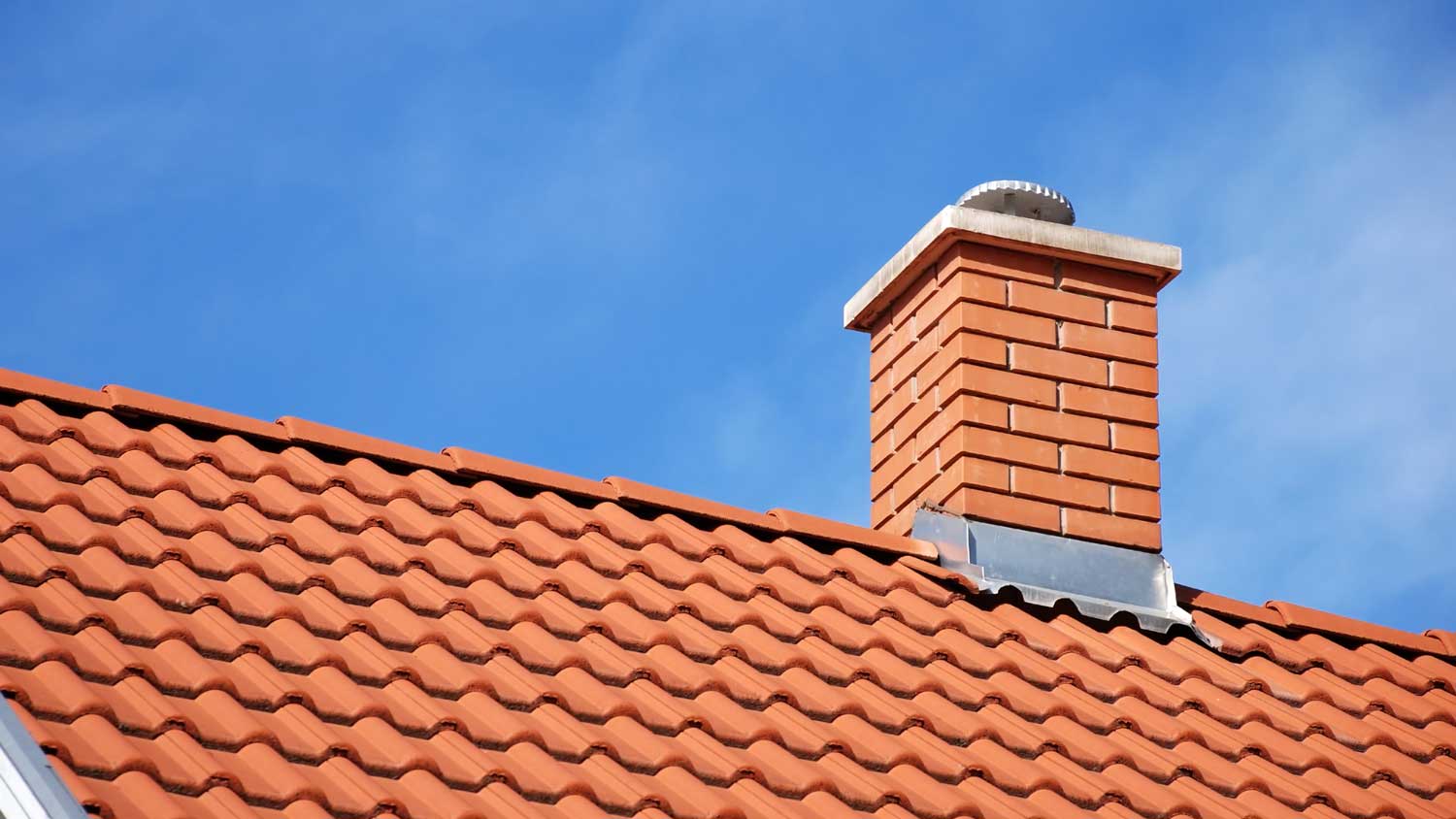
Ensuring the safety of your house is a homeowner’s primary concern. If you have a fireplace, you need to know “What is a chimney flue?”
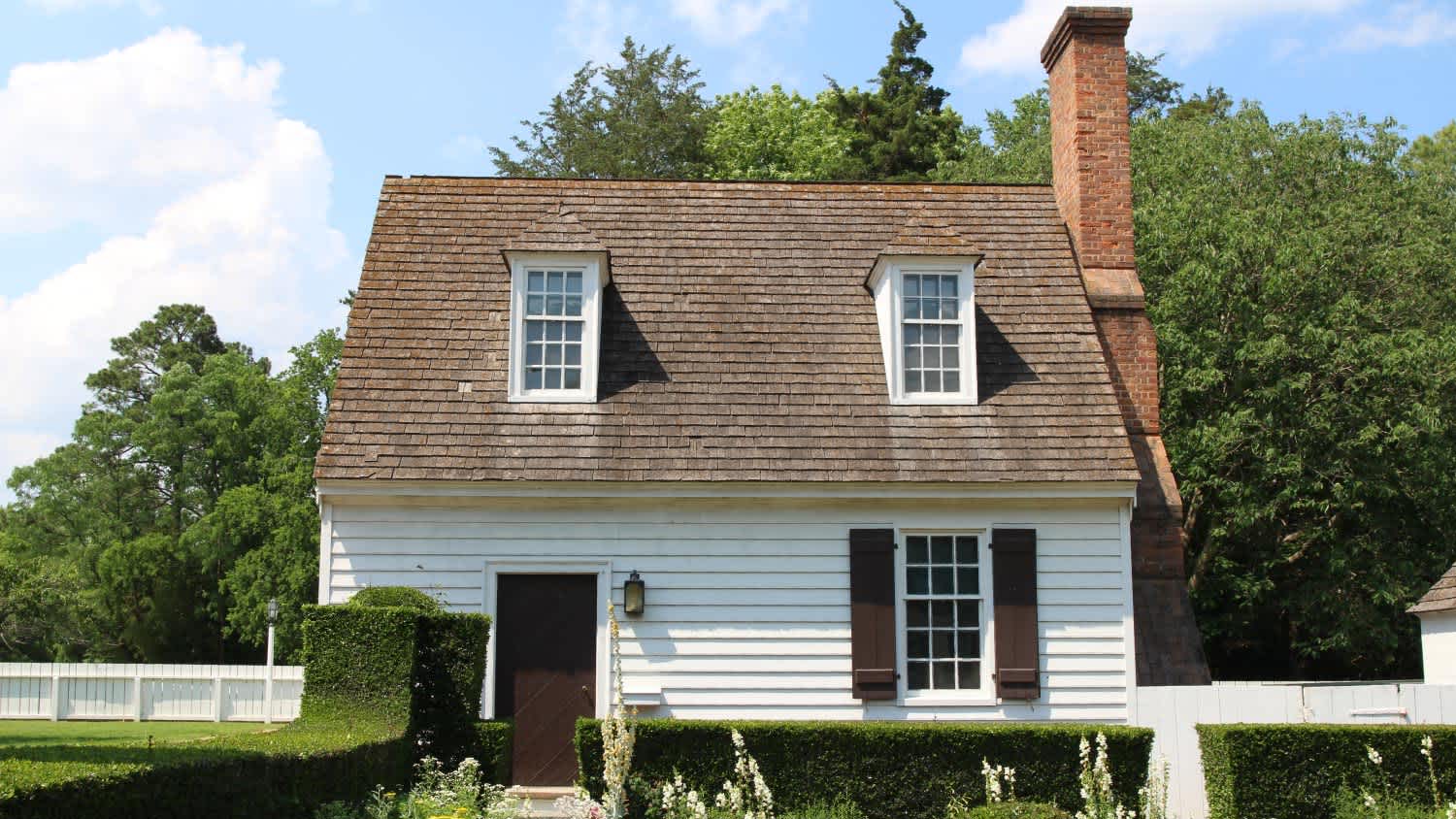
Wondering how often to clean a chimney? Our guide will walk you through the recommended frequency, best time of year, and common signs your chimney’s due for a cleaning.

If you own a fireplace, learning how to open and close your chimney flue ensures you allow smoke out of your home when it’s in use and stay warm when it’s not.
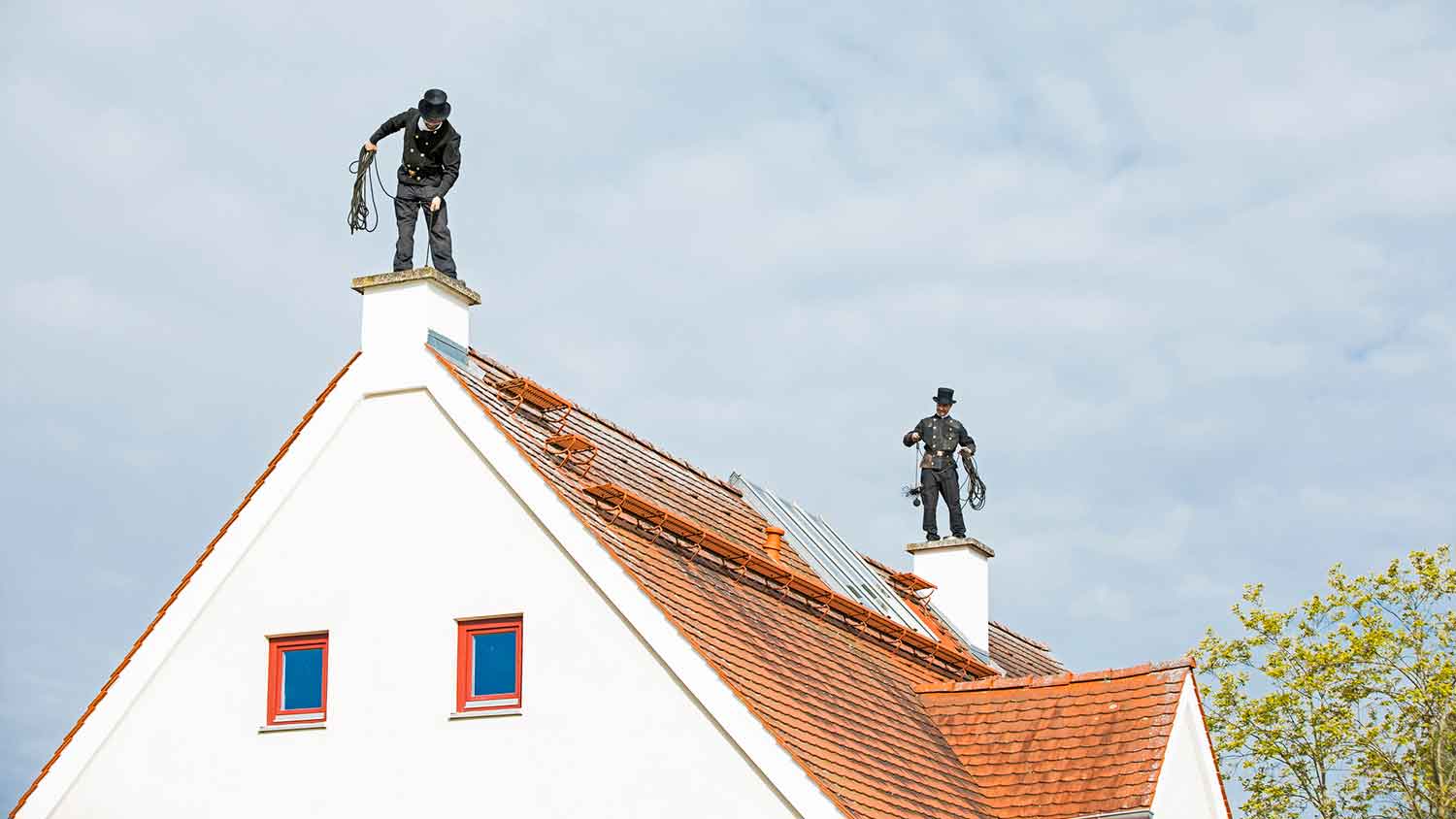
Regular chimney cleaning keeps your fireplace running safety and efficiently. But who cleans chimneys? Our guide explains which pro is best for the job.

Knowing what to look for in a professional chimney sweeping service will ensure you hire a legitimate contractor. Learn how to avoid chimney scams and hire someone reputable.