
If you want your garden to yield more crops with minimal effort, start planning for plant guilds. Find out how companion plants can help boost your garden.
When used correctly, soap can tackle a laundry list of garden chores

Insecticidal soap kills soft-bodied pests like aphids and mealybugs by dehydration, but you need to spray the bugs directly rather than the plants.
Fragrant bar soap scattered around your yard acts as a natural pest deterrent, repelling deer and mice that damage plants with their sensitive sense of smell.
Soap helps dried-out houseplants absorb water more easily by breaking surface tension, allowing moisture to penetrate resistant potting mix and reach your plant roots.
Hiring a local gardening professional provides reliable support for identifying pest problems and choosing effective treatment options that keep your garden healthy year-round.
Soap is for more than cleaning your dishes; it’s a surprisingly great garden addition. However, you must use the proper soap in the correct amounts to avoid damaging your plants. Learn all the ways soap can help you garden smarter, not harder.
Before scattering soap around your yard or dumping it on your precious plants, be sure you have the right kind. Not any old dish soap will do. Use insecticidal soap labeled as “potassium salts of fatty acids” with no additives, which can prove too harsh on plants. It’s available at garden centers.
Other types of soap, when placed nearby, can serve as deterrents, and in some cases you can apply small amounts of castile soap diluted with water.
Bottom line? Be careful. Soap can be harmful to plants if you misuse it or use too much.
Most gardeners will run into irritating insects that wipe out their plants at one point in their planting careers. Insecticidal soap kills most soft-bodied insects, such as mealybugs and aphids, by dehydration.
When using insecticidal soap, you have to spray the bugs, not the plants, so be careful around your rose bushes. Many beneficial bugs are impervious to soap, but be sure to check the label first. Note: For DIY aphid removal, you may need to apply the soap multiple times. Be sure to apply according to label directions.
Highly fragrant bar soap, like Irish Spring, scattered around your yard and garden can repel many types of animals that have a delicate sense of smell.
Gather old soap remnants and hang them from trees or around the perimeter of your garden to stop mice and deer. Sprinkling soap in your garden can deter these pesky animals from ruining your plants. However, if they balk at your attempts, there are plenty of other ways to steer deer and mice away from your garden.
Obviously, the most common way to use soap when gardening is to use it to clean. Whether your hands or tools after a long day in the garden, cleaning up after gardening extends the life of your equipment and maintains a clean space. Filling up a spray bottle with a tablespoon of castile soap and water is a great way to easily clean your tools without damaging them. Spray on the tools and then carefully hose them off. Leave them out to dry to avoid rust.

Spray indoor plants with a mild soap solution like 1 tablespoon of castile soap to every quart of water. Test this out 24 hours prior on a small area or one leaf of your plant to be sure it is safe for your specific plant. After testing goes well, remove dust build-up by wiping leaves with soap solution and then with a damp wet cloth to remove soap. This allows light in and cleans other indoor contaminants from houseplants, which is especially important during winter when plants struggle to get enough light. Be careful not to use too much soap, as it will cut through the plants’ waxy coating, according to the University of Minnesota Extension.
Professional horticulturists often turn to soapy water when it’s time to combat persistent problems like slugs and Japanese beetles. While it’s not the most glamorous job, you can simply pluck the pests by hand and plunk them into a bucket of soapy water.
If your plants seem to be in constant need of H2O, try using a mild soap solution like castile soap and water to help water dried-out houseplants. Some potting mix is difficult to re-wet when it dries out, so using a bit of dish soap can help. Soap helps break surface tension and allows for water to penetrate the roots in resistant soil.
Beyond these soap tips that directly impact plants, you can use soap to keep your fingernails clean before working in your garden. Save tiny slivers of soap bars and scrape your nails on them to stop dirt from caking underneath.
Rather than busting out some gel lubricant, use a little bit of soap. Soap can help the blades of your gardening tools glide through tough vegetation. For example, apply a small coating of soap on the teeth of your handsaw, and you may find that chopping wood is a little bit easier.
Just be careful. Soap can harm plants when it’s not diluted, so you may want to skip the soap on your pruning shears. Save it for wood-chopping and weed removal, instead.
Poison ivy, poison oak, and sumac tend to pop up in the most inconvenient places. Luckily, if one of these poisonous plants accidentally brushes against your skin while you’re doing yard work, you’re not automatically doomed to suffer from a painfully itchy rash for the next couple weeks. Soap is the antidote—but the sooner, the better.
Your itchy reaction is caused by urushiol, a greasy oil that coats poisonous vegetation. If you touch a poisonous plant, wash the affected area with soap as soon as possible. The less of a chance urushiol has to seep into your skin, the less of a chance you’ll develop a painful rash. Also clean underneath your fingernails, since they can harbor the oil and spread it around your body.
After you’ve washed the area, use soap to wash all of your clothing and any other area that may have come into contact with your body. Urushiol can last for months on a surface, and it’s best not to risk it.
It’s a common misnomer that dish soap alone can kill weeds. It does damage foliage, but you need to eliminate the root system. You can do this with a DIY herbicide that uses soap, among other ingredients.
To make your soapy weed killer, mix:
1 teaspoon of dish soap
1 cup of salt
1 gallon of vinegar
Put the mixture into a spray bottle, and spray away. You may have to use this solution a few times before the plant actually dies. Soap helps the salt and vinegar stick to the foliage, but save the process for a hot, dry day. You don’t want rain or dewdrops to dilute the mixture. You want it to absorb into the plant.
Soap was designed for cleaning, and it may seem like a no-brainer, but that’s still one of the best uses. It’s not just garden tools that could use a quick bath. Soap also comes in handy if you’ve spent all day with your hands in the dirt. Use soap to wash your hands and your clothes. Those dirt stains on your jeans don’t clean themselves. Neither do your gardening gloves, which can get pretty grimy over time.
Whether you are in a pinch or have tried everything else, soap is a great way to save money and tend to your garden. If you don’t want to dig into your garden but love the beauty of plants, a gardener near you can help.
Dish soap or castile soap is commonly used in gardens because you can easily dilute it with water, which limits the chance it will harm vegetation. Bar soap is also useful for scrubbing away tough grime.
There are a few natural and homemade insecticides that can banish pests from your garden. To make your own insecticidal soap solution, mix 1.5 teaspoons of dish soap or castile soap with 1 quart of water. Put it in a spray bottle, and lightly spray the infected area.
Amazing job. Efficient and quick without compromising quality. Basement feels brand new. Would use them again in a heartbeat.
 AffordaPro Restoration
This company went above and beyond with their work, chimney sweeps are usually pretty messy, but the clean up was spot on.!! Josh explained every thing that he was doing, and the things that he was checking to make sure the chimney was safe for me and my family. He was very professional,...
 Supreme brick & chimney
Flawless finish and exceptional service. Custom Paint Jobs LLC is the only choice for me.
 Custom Paint Jobs, LLC
Window Depot did an amazing job on my deck. I wasnt sure what I wanted to do, but their composite decking was affordable and will last a long time. I am excited to have family over, and I am no longer embarrassed by my backyard. Jeff and the ground crew were polite, respectful, and caring for...
 Window Depot USA of Central Ohio
Wonderful company to work with. Very easy to get in touch with and communicate with. The cleaners do an excellent job and pay close attention to detail. Fair pricing, always dependable which I truly appreciate. They show up when they say they will, and my home is immaculate when they finish....
 Sparkle Machine Clean Co.
I definitely recommend Ramonaâ s cleaning service! I have booked services with her many times and she arrives on time, ready to work and provides a great service.
 Your Cleaning Solutions LLC
Great job...edging and pre clean up went well with a great job with seal coat. Friendly, efficient and professional.
 All Star Paving and Sealing
Good workers and they do a good job.
 Mira Construction
Fantastic! Top Line was early for the appointment and very knowledgeable and took time to explain everything they had found during the home inspection. The report included clearly defined issues and what they recommended to remedy the same. The report also included many pictures to help...
 Top Line Home Inspections, LLC
They cleaned my very dirty basement. They were prompts, quick, thorough and their price was fair.
 JDE House Cleaning LLC
From average costs to expert advice, get all the answers you need to get your job done.
If you want your garden to yield more crops with minimal effort, start planning for plant guilds. Find out how companion plants can help boost your garden.
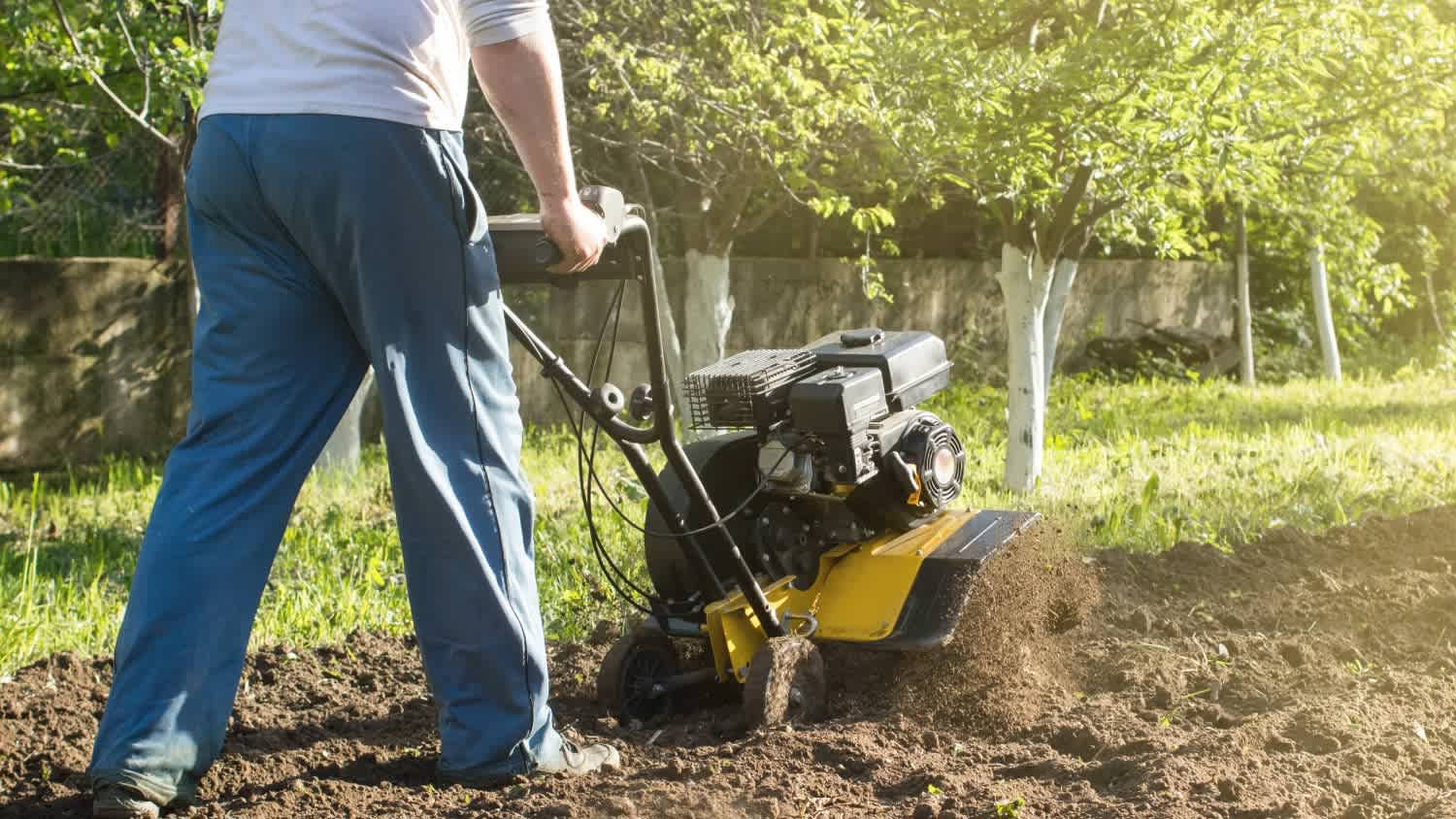
If you’re growing a vegetable garden or planting a flower bed this year, knowing how to till your garden will help you prepare your soil effectively.
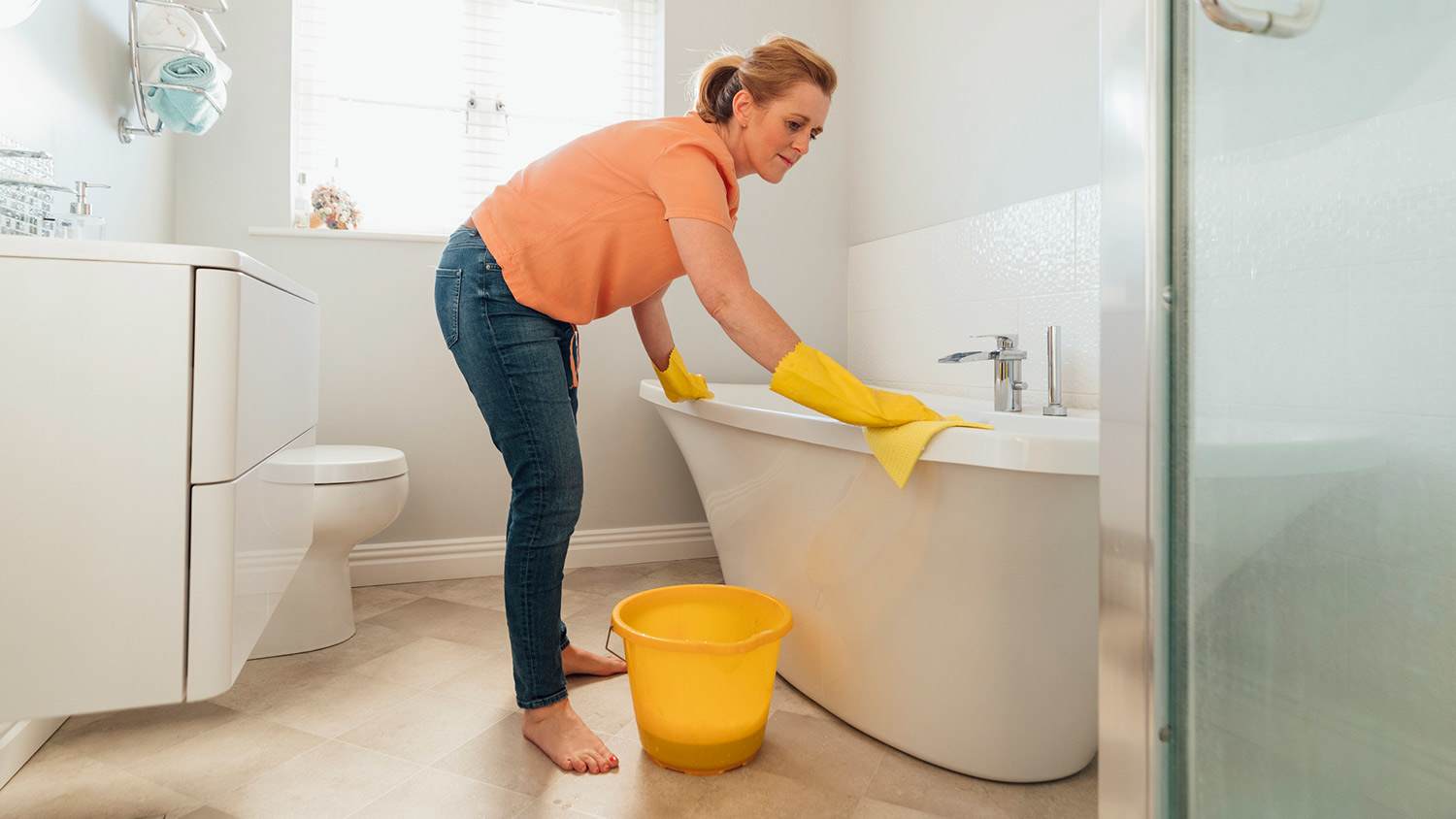
Do you have stubborn soap scum that you want gone—like yesterday? Learn how to clean soap scum from different surfaces in this guide.
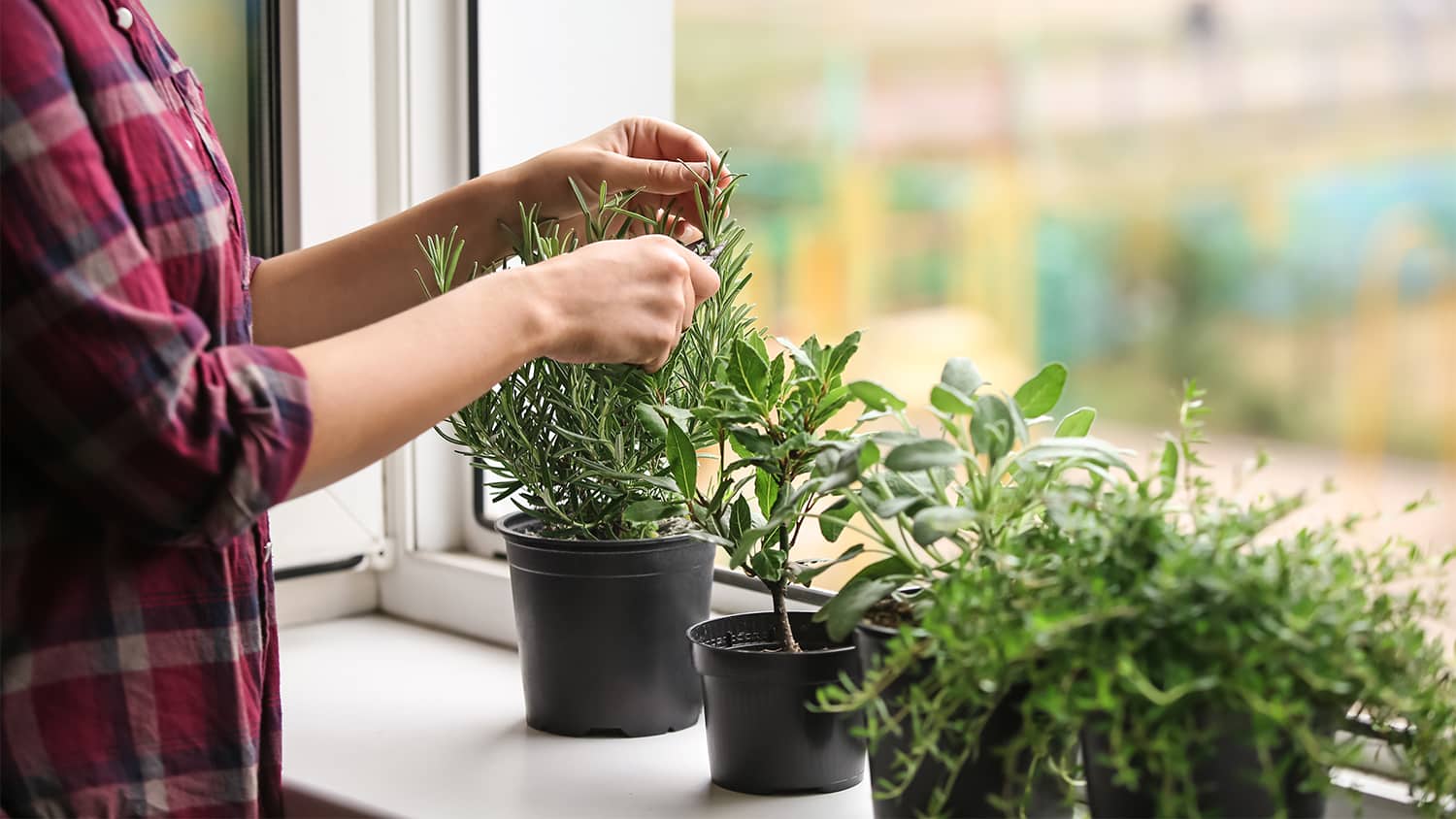
Garden windows lighten up a room, literally, by making it feel more spacious and presenting a unique design space. Here are some ideas for your garden window.
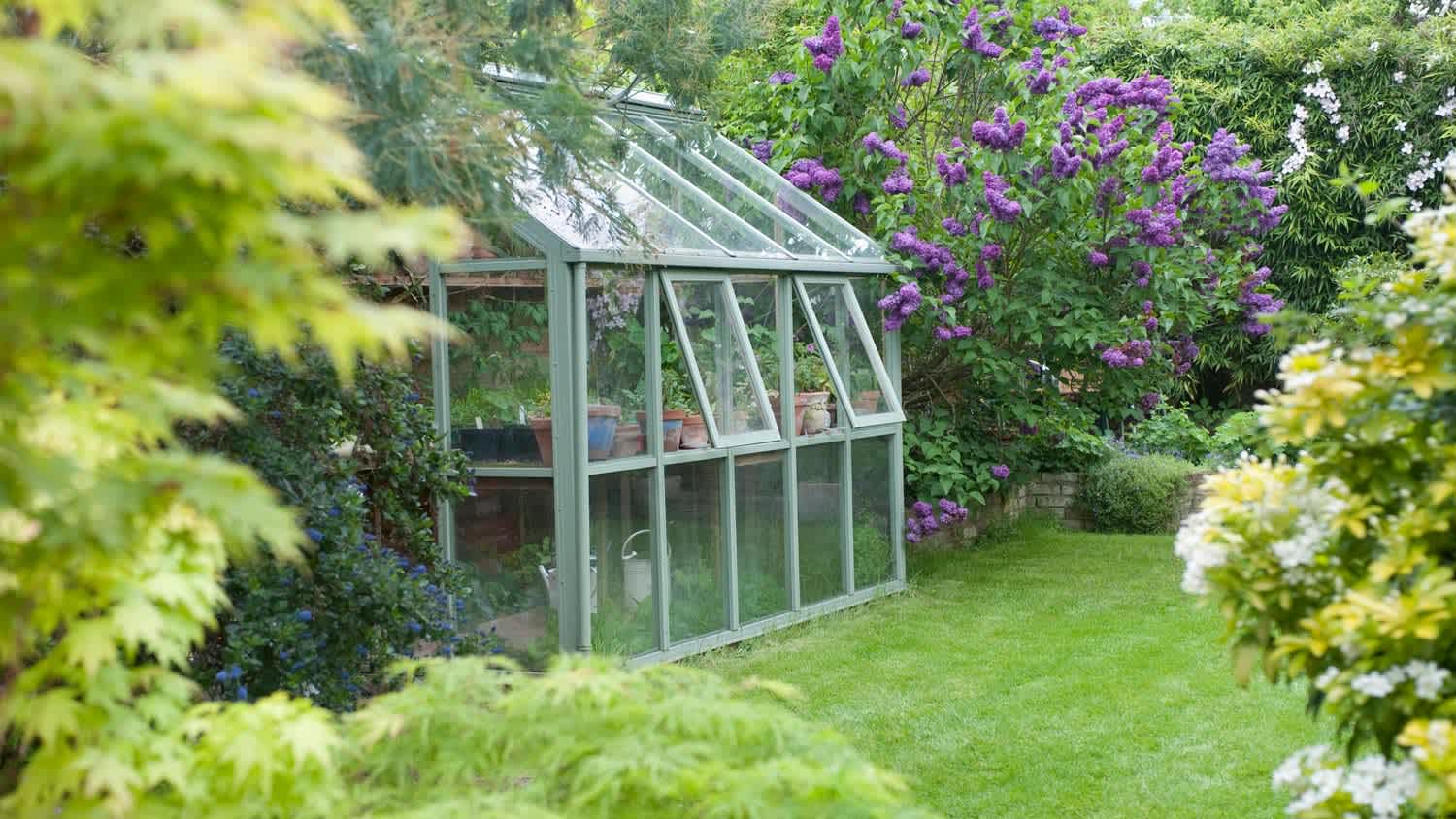
Learn how to get rid of mealybugs on your indoor plants or outside in your garden. Learn mealybug treatments that will keep them away for good.
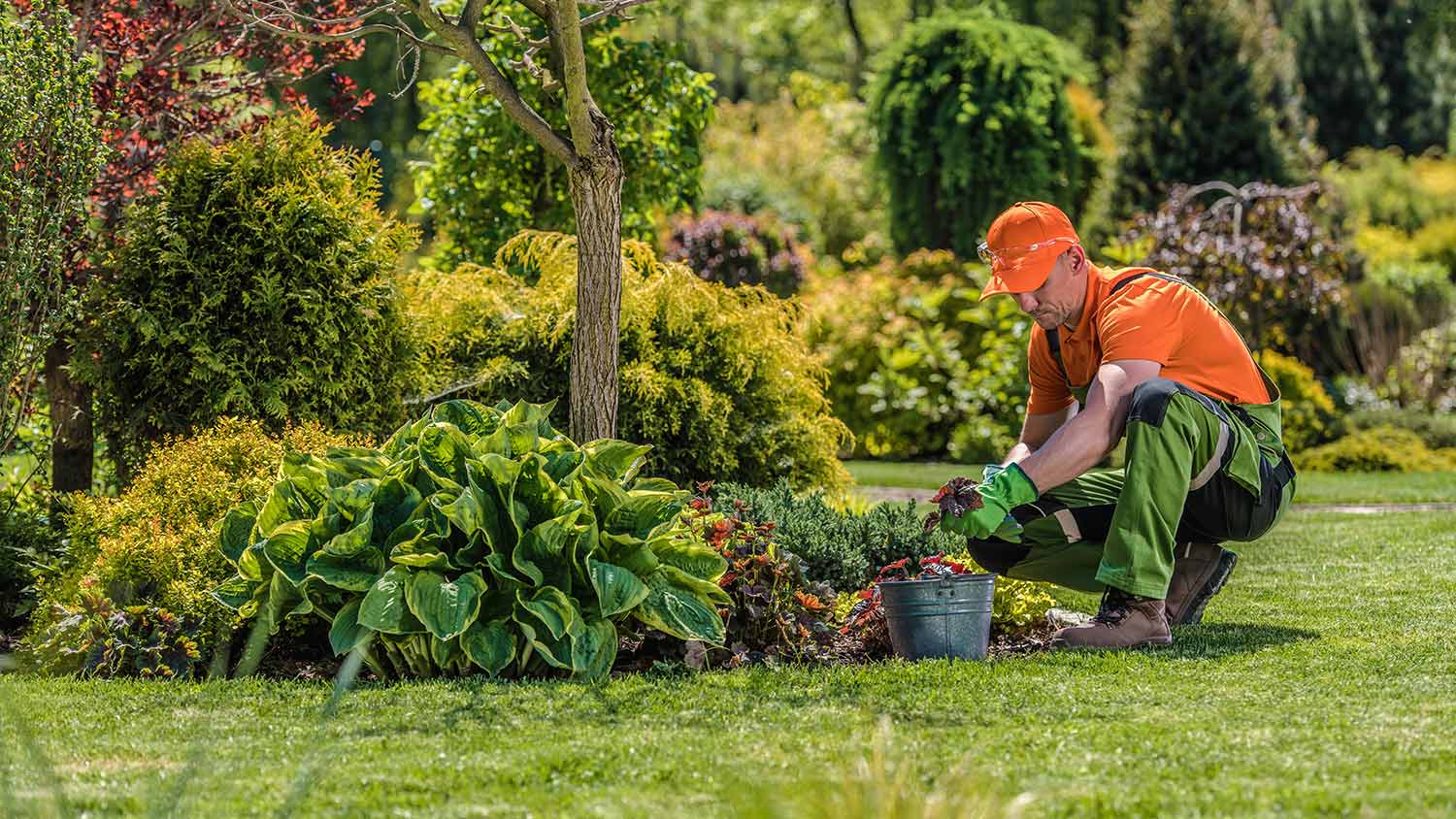
Once established, your garden beds can provide hours of enjoyment. A professional gardener can help keep these beds looking their best through the growing season and beyond when you hire one to come out and tend to your plants every so often.