
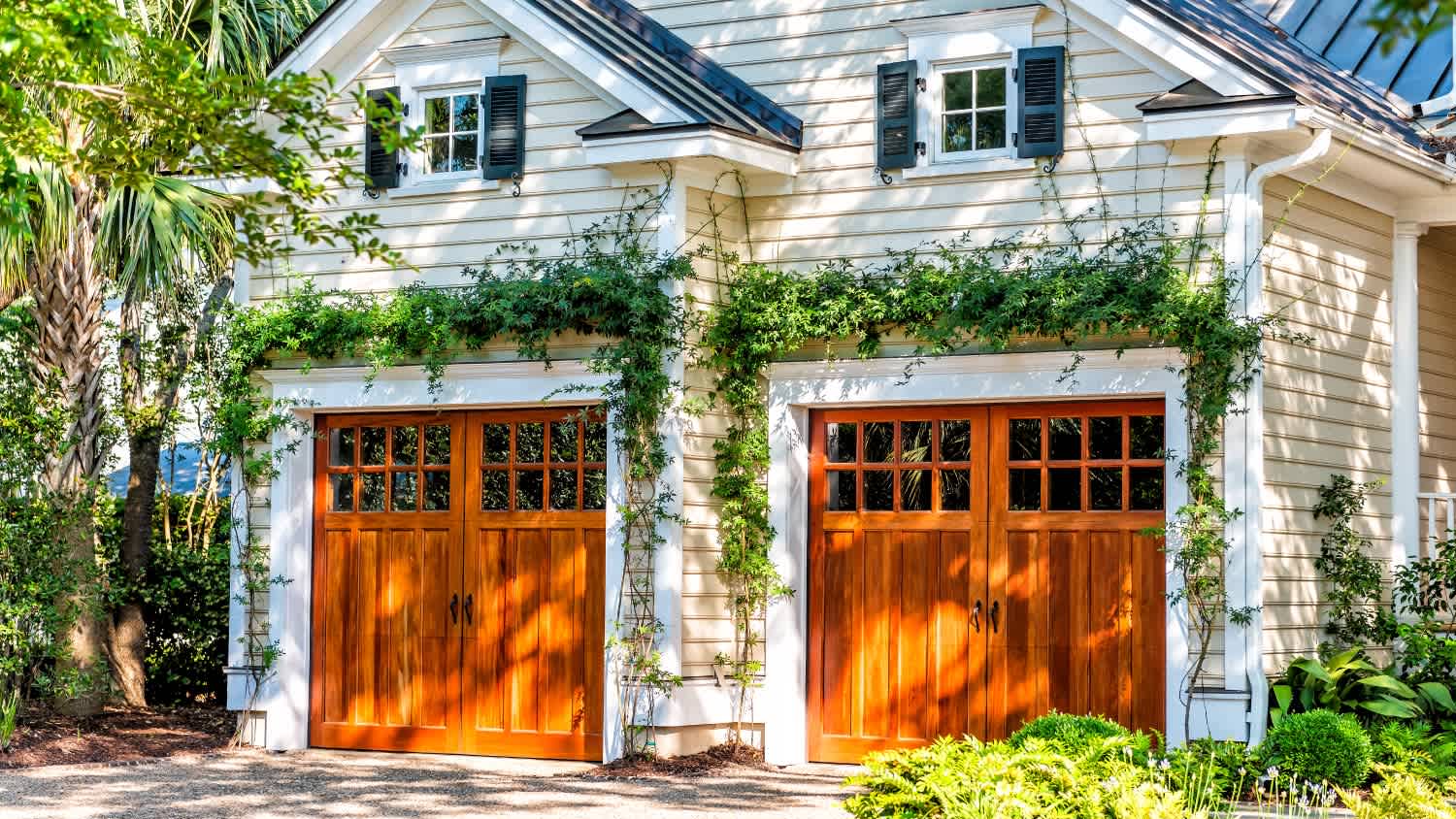
Ivy might look pretty, but you probably don’t want it in your garden. Learn how much it’ll cost to remove ivy by type, treatment method, and more.
The old saying is true—leaves of three, leave them be

Natural poison ivy removal methods include smothering the plant with cardboard, spraying it with vinegar and salt, or pouring boiling water over your roots.
Your DIY removal costs range from $5 to $30 for supplies like vinegar and salt, making natural methods more affordable than commercial herbicides.
Protective clothing is essential when you handle poison ivy, including heavy-duty gloves, long sleeves, full-length pants, and eye protection to prevent urushiol oil contact.
Hiring a local lawn pest control professional provides reliable support for stubborn poison ivy removal, especially when natural methods need professional reinforcement or safe disposal.
Poison ivy (also known by its scientific name, Toxicodendron radicans) is a noxious weed, meaning that horticulture groups have identified it as one of many injurious or harmful types of weeds.
Contact with poison ivy can happen anywhere from hiking trails to roadsides. You may even find it in your backyard along the edge of wooded areas. Protect yourself, your family, and your pets by learning how to kill poison ivy safely with this comprehensive guide.
Difficulty: Simple (2/5)
This task is relatively simple, but dangerous, as poison ivy can cause severe rashes. Getting rid of poison ivy may also require the trial and error of several methods.
Total Project Time: 1 hour
It takes about an hour to complete one initial poison ivy removal method. Additional time may be required over several days for reapplication or to test other methods.
Cost: $5–$30
Herbicide costs around $30, however, DIY removal methods will cost much less. You may already have everything you need in your garage or pantry.
Gloves
Eye protection
Long sleeve shirt
Full-length pants
Grease-fighting dish soap or heavy-duty bar soap
Garbage bags
Outdoor trash cans
Cardboard or a plastic tarp
Distilled vinegar
Salt
Water
Mulch or grass seed
Plant ID app
Spray bottle
Large cooking pot
There are several ways to get rid of poison ivy. Consider the following poison ivy removal methods and choose one or a combination best suited for your situation.

To kill poison ivy, you need to be able to correctly identify it.
Use an app—Consider downloading a plant ID app to quickly identify poison ivy. All you have to do is take a picture of the plant in question and the app will identify it on the spot.
Pro Tip: You can do this without an app if you have an iPhone. Simply take a picture of the plant with your camera. Then, go to your photo library and open the picture you just took. Swipe up on the picture to view plant identification information.
Look for clusters of three leaves—Remembering the old saying “leaves of three, leave them be” is a helpful place to start. Poison ivy typically grows in three-leaf clusters off a single stem—one leaf in the middle and one on either side. The leaf in the center typically grows higher off the main stem than the two side leaves.
Shiny or matte?—Poison ivy leaves are often shiny, though they are known to become dull after it rains. Remember—just because the leaves are dull doesn’t mean the plant is any less poisonous.
Look for distinct colors—As for their color, the pigment of poison ivy changes throughout the seasons:
Spring: Young poison ivy plants are a shiny reddish-orange with a green tint around the stems.
Summer: The poison ivy plant has matured by this point, becoming fully green. Keep in mind that new leaves can still bloom over the summer, maintaining that reddish-orange color until they mature.
Fall: Like most other leaves, poison ivy changes color in the fall to a vibrant orange or red.
Once you’ve successfully identified the poison ivy plant in your yard, you’ll want to kill the plant to prevent contact and to keep it from growing. Use one or a combination of the following methods to kill poison ivy plants naturally. This may take several attempts, so be patient and persistent.
No matter which method you choose, always approach poison ivy with caution. Wear gloves, eye protection, and long sleeves to make sure all skin is covered. After applying the removal method, remove all clothes immediately and wash them. Then, wash your hands thoroughly using grease-fighting dish soap or heavy-duty bar soap with grit.
Smothering—Smothering poison ivy plants essentially suffocates them by blocking out sunlight and oxygen needed for growth. For this method, cover the poison ivy with a large piece of cardboard or a plastic tarp. Leave the cover there for a week before checking to see if the plant has become brown and dry. If so, pull the dead weeds by hand while wearing gloves and full-body coverage.
DIY Natural Spray—Before reaching for a chemical spray, try an easy and natural DIY concoction first. Simply dilute 2 cups of distilled vinegar in a gallon of water. Add a cup of salt and stir until dissolved. Pour the mixture into a spray bottle and drench all visible poison ivy with it. You may need to use the spray for several days in a row before it starts to work.
Boiling Water—Fill the largest cooking pot you have with water and boil it over the stove. Once bubbling, carefully carry the pot to the ivy and pour the water over it evenly to kill the root. You may need to try this method daily before seeing results.
Pull by hand—Removing poison ivy by hand is the most effective, yet the most dangerous method. As always, be sure to wear gloves and cover all exposed skin. Pull the ivy out at the root and immediately transfer it to a large garbage bag. Once the entire plant has been removed, place the bag in another garbage bag and put it in a separate outdoor trash bin immediately.
Once the poison ivy has been killed and removed, prevent new growth by using grass seed or sheet mulch.
Grass seed—For this method, simply sprinkle grass seed over the area where the ivy was. The growing grass will take over any ivy that is trying to sprout, making it an effective long-term solution.
Sheet mulch—Sheet mulch is another great way to prevent the growth of poison ivy. First, cover the area with one or two layers of cardboard. Then, evenly spread mulch or wood chips over the area until the layer is at least a foot deep. Doing this will smother any remaining poison ivy roots while repairing the soil underneath should you decide to use herbicide.

Herbicide is a combination of chemicals used to kill off unwanted vegetation. With so many organic removal methods available, chemical herbicide is only suggested as a last resort. The dangers of using herbicide include:
Potential harm to children, pets, and wildlife
Chemicals seeping into your water system
Negative health side effects and allergic reactions
If you decide to use commercial herbicides for poison ivy control, be sure to read the label directions carefully before use.
Follow these tips whenever you’re handling poison ivy.
Any time you may come into contact with poison ivy, it’s important to wear protective clothing. This includes heavy-duty gloves, long sleeves, and full-length pants to avoid developing an itchy rash.
Along with gloves, consider wearing eye protection as well. This will help to prevent transferring urushiol, the oil found on poison ivy, to your face and provide protection if you get a sudden itch or urge to rub your eyes.
It’s important to immediately change out of and wash all clothes after coming into contact with poison ivy. Be sure to also wash your hands thoroughly with grease-fighting dish soap or heavy-duty bar soap.
Once you discover poison ivy in your yard, keep children and pets away from the area until it has been successfully removed.
It can be tough to remember all the identifiers and handling rules of poison ivy. Here are a few quick answers to the most common poison ivy questions.
Urushiol is a poisonous oil produced by a poison ivy plant. The transfer of the oil from the plant to a person’s skin causes rashes. All parts of the plant contain urushiol, so it’s important to wear gloves at all times when dealing with poison ivy.
After coming into contact with poison ivy, it’s important to wash all exposed skin thoroughly using grease-fighting dish soap or a heavy-duty bar soap. It’s also important to remove, change, and wash all clothes as soon as possible. The sooner you can remove the urushiol oil from your skin, the better your chances are of avoiding or minimizing a poison ivy rash.
In most cases, a rash will develop between 12 and 48 hours after exposure. Rashes can last anywhere from two to three weeks. The severity of the rash depends on the amount of direct contact your skin made with the plant.
Not everyone is affected by poison ivy. It has been found that roughly 15 percent of people are immune to urushiol oil.
Time is the only way to truly treat a poison ivy rash. However, a routine of cortisone cream, calamine lotion, oral antihistamines, and cool oatmeal baths can help heal the area and minimize pain.
Poison ivy is most commonly found on the edge of wooded areas. They thrive off of the combination of sunlight and dark, moist soil. Poison ivy can also grow on trees. Fortunately, you can remove ivy from trees with a DIY method.
Yes, all three plants are different in terms of color, shape, and where they grow. However, they all contain the same poisonous oil, urushiol.
Custom Paint Jobs LLC made our home feel like a piece of art. Thank you for your creativity!
 Custom Paint Jobs, LLC
Window Depot did an amazing job on my deck. I wasnt sure what I wanted to do, but their composite decking was affordable and will last a long time. I am excited to have family over, and I am no longer embarrassed by my backyard. Jeff and the ground crew were polite, respectful, and caring for...
 Window Depot USA of Central Ohio
First of all, the gentleman I dealt with (Cam?) was very responsive to my many questions and concerns throughout the project, which is a huge plus to me. From the first time I met him for the estimate all the way til the completion of the job, he and his crew were professional and respectful....
 All Star Paving and Sealing
We had a 20+ year old landscape lighting system that needed replacement. Midwest Lightscapes worked with us to design a much improved lighting system, lighting the exterior of the house and the back yard. Installation of the 45 light system took one and one-half days, and went very smoothly....
 Midwest Lightscapes
Another great success for me on home advisor. This company did an awesome job on my landscaping and stayed within my budget. The best part, the work was complete within 2 days of my initial request. Professional and responsive. I highly recommend!
 Blue Ring Residential Services, LLC
The company no showed on me twice. The 2nd time was no call no show. They were responsive to set up the first appointment to perform the "landscape cleanup". 3 hours after their initial scheduled appointment time they called me to let me know they had some "problem" with the truck and their...
 Ruby Home and Hauling Services
Received ideas for future landscape plans...quote to do the work seemed a bit high but I did not have any other quotes to compare it to, so perhaps that is the going rates. <br />
 Landscapes By Terra, Inc
All around they have done a really great job. <br /> I have used JL Landscapes for the past 8 years. I own and operate my own commercial/residential real estate company where we own, operate, and maintain our own properties. JL Landscapes has been our exclusive landscaper for both our...
 J.L. Landscapes
Bought a half a cord of firewood from Pitzer with stacking last month. I waited to report so I could see how the wood burned. <br /> <br /> I have three pet peeves regarding landscapers, but Pitzer scored "A"s regarding all three. First, rather than having customers "leave a message" and...
 Pitzer Landscaping
I left a message on Sunday requesting to schedule a time to obtain an estimate/walk-through and received a return call in the morning of the following Monday. Mark worked with me and agreed to schedule the estimate/walk-through for the following Saturday. When Mark arrived for the...
From average costs to expert advice, get all the answers you need to get your job done.
Ivy might look pretty, but you probably don’t want it in your garden. Learn how much it’ll cost to remove ivy by type, treatment method, and more.
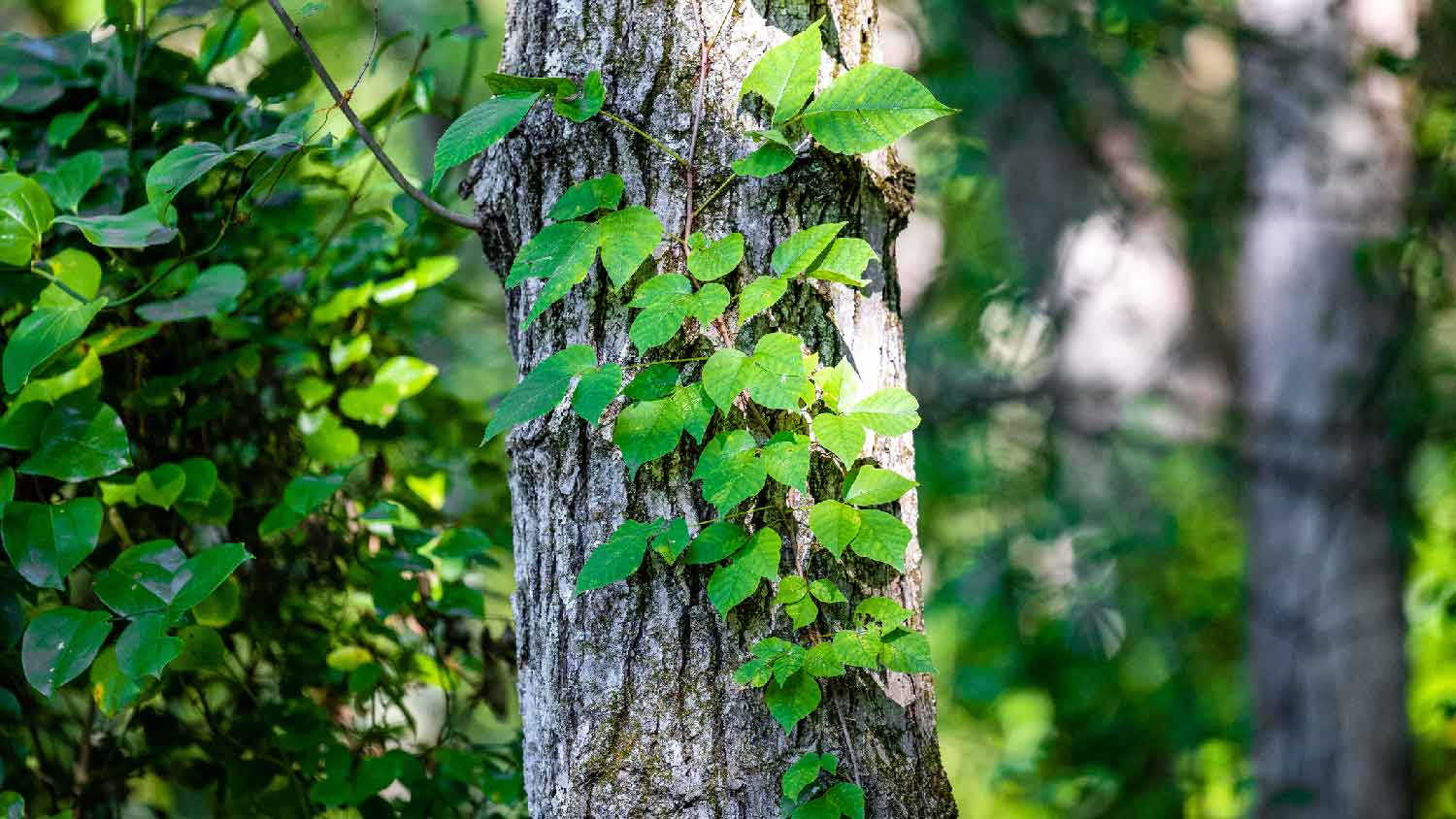
Learn how to kill poison ivy on a tree using one or more of several effective methods to remove or control this noxious plant.
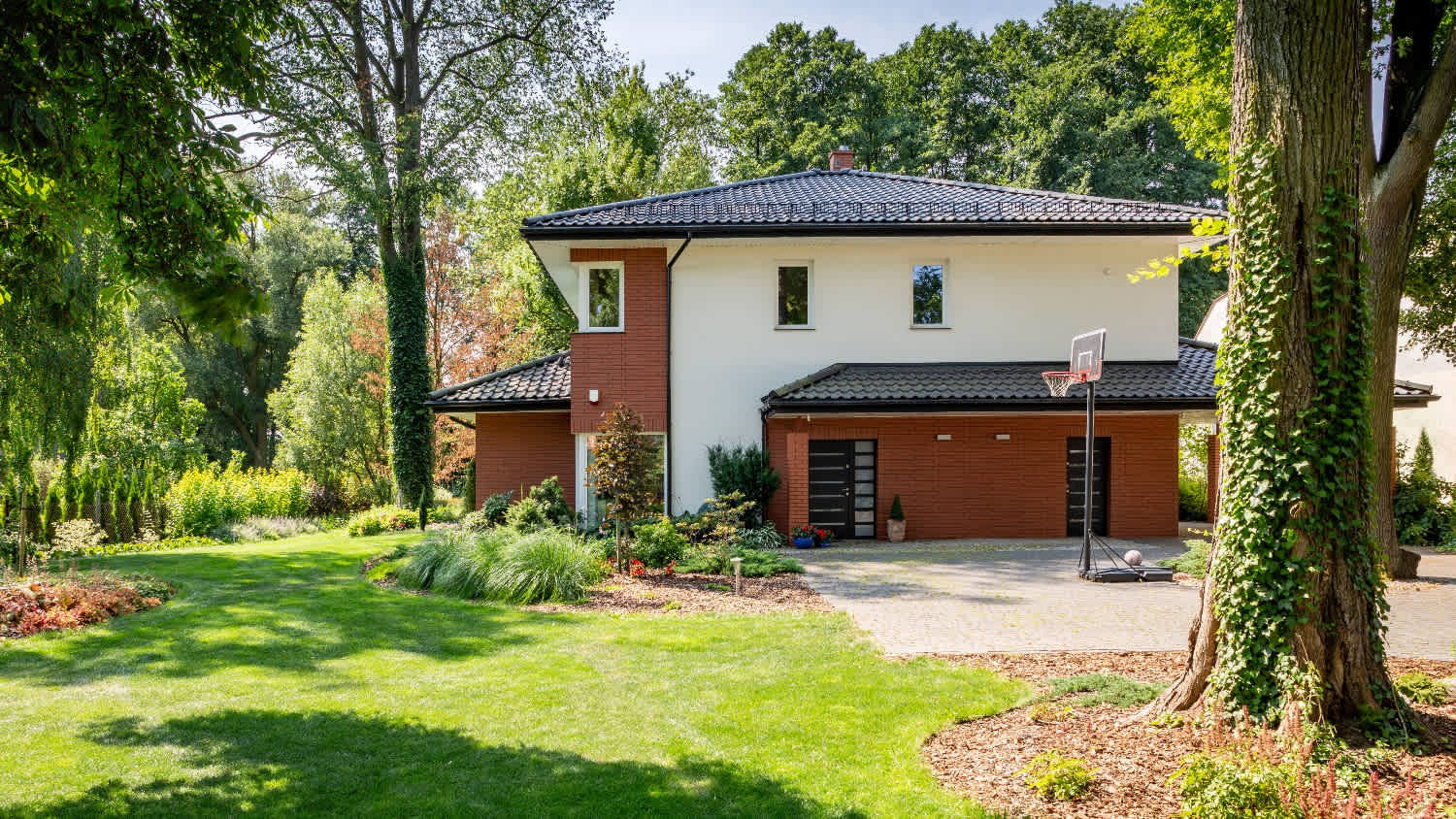
Poison ivy, English ivy, and other ivies can overtake your trees and even destroy them. Learn how to kill ivy on trees with this step-by-step DIY guide.
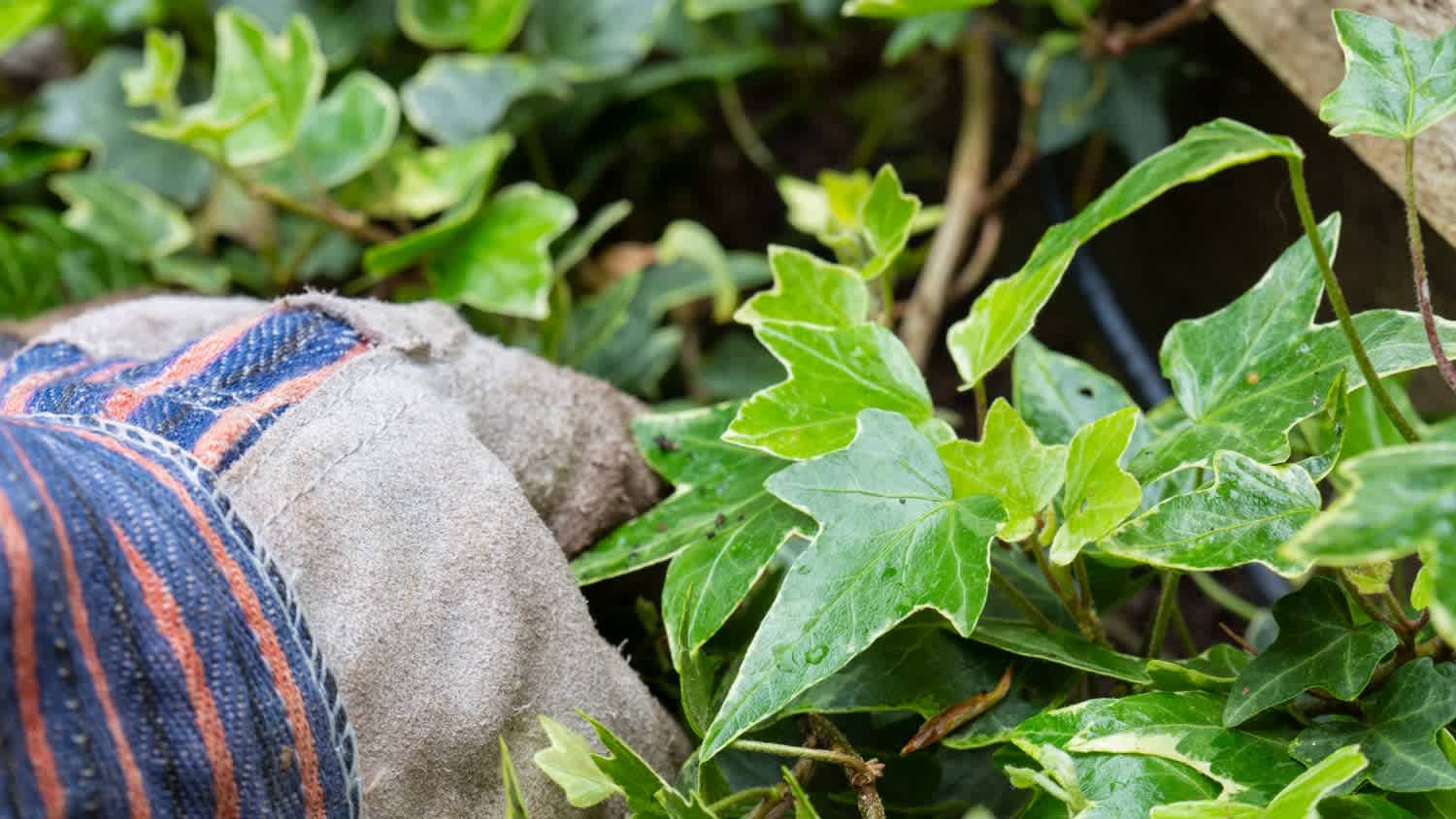
English ivy may look pretty, but it’s an aggressive vine that strangles other plants and trees, and it can even damage your house. Here’s how to get rid of ivy.
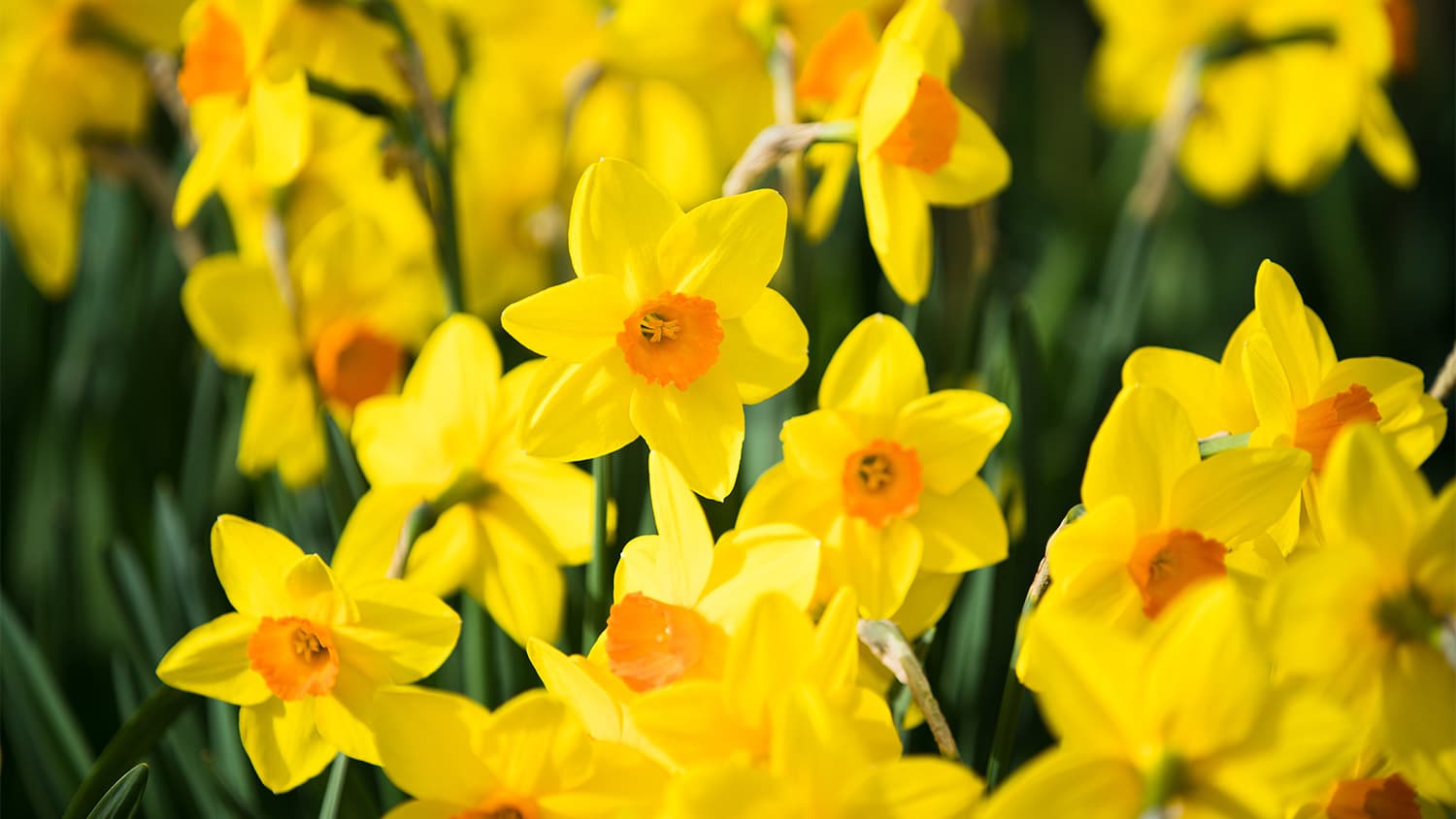
Some plants masquerade as pretty flowers but are actually poisonous plants and weeds. Use this list of harmful plants to identify poisonous plants to keep your pets and loved ones safe from accidental poisoning and uncomfortable itching.
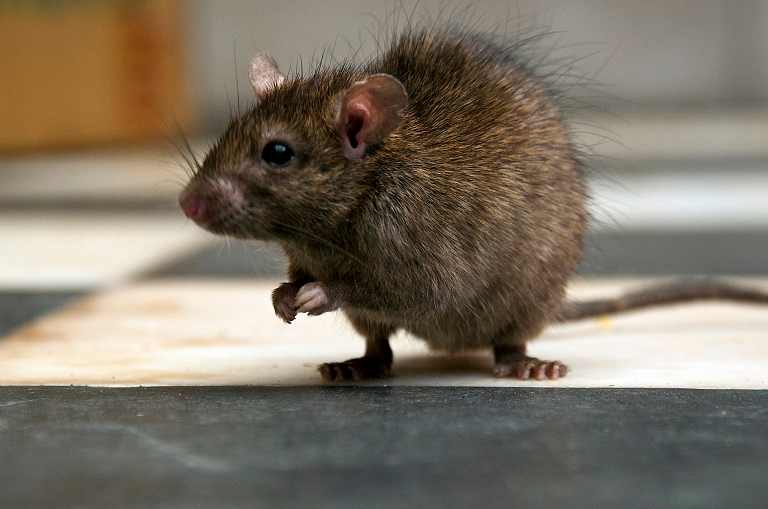
If you’re wondering if rat poison can kill humans, the answer is yes (although it’s rare). Here’s how to keep your family safe while keeping rats in check.