
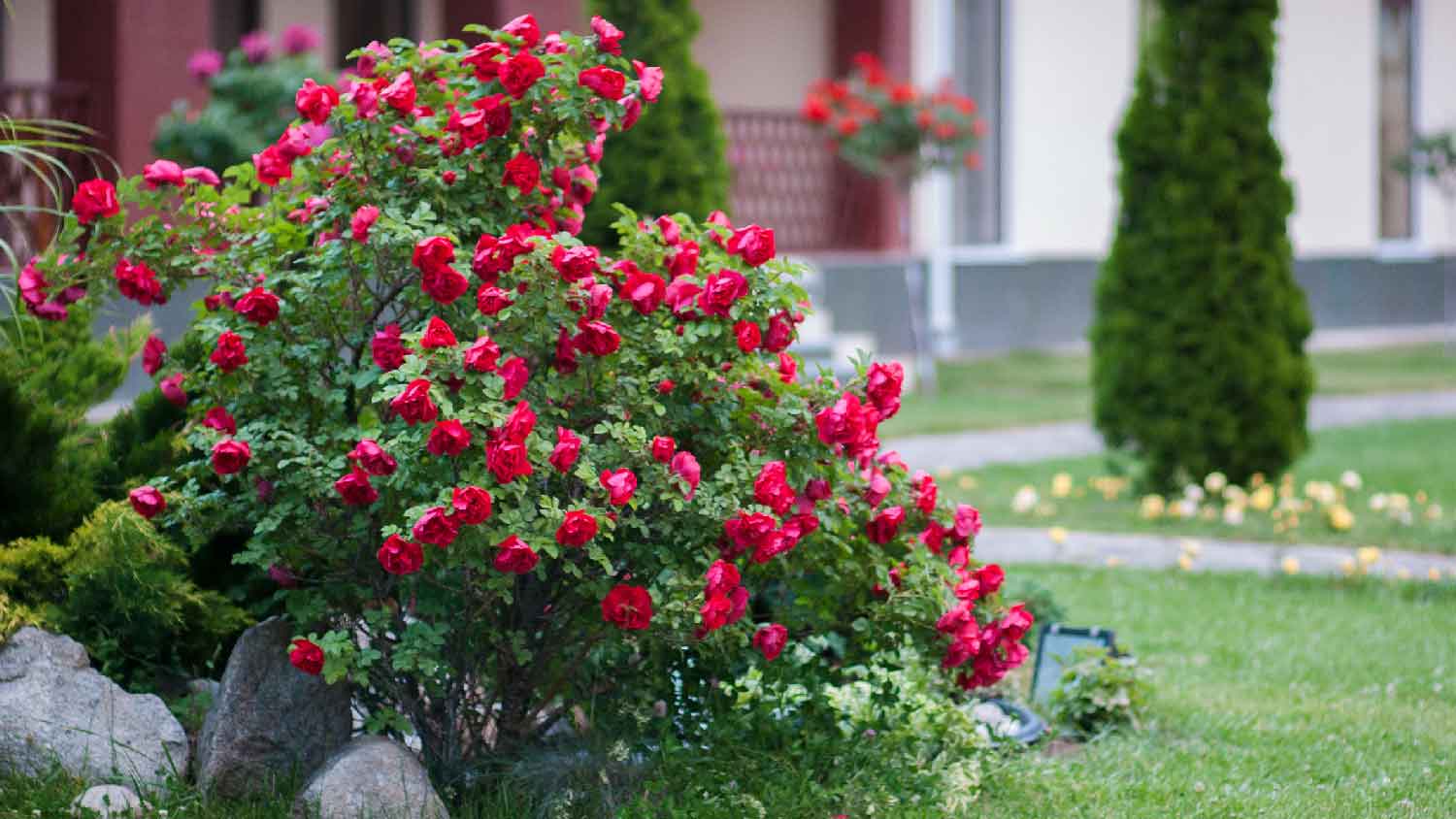
Learn how to plant a rose bush in your garden or a container in a few simple steps to beautify your space and boost your gardening know-how.
Make everything come up roses

Rose plant maintenance depends on your climate and soil type, with sandy soil requiring more frequent watering than clay soil to keep your roses healthy.
Your rose bushes need one to two inches of water per week during the growing season, and you should fertilize three times yearly after the first blooms appear.
Prune your rose bushes in early spring by removing dead leaves and damaged canes, cutting back into healthy stems with visible white centers for strong new growth.
Hiring a local landscaping professional provides reliable help with pest control and disease management, especially when you spot aphids, beetles, powdery mildew, or black spot on your plants.
Colorful and aromatic, roses add classic beauty and elegance to any garden. From miniatures and grandifloras to groundcovers and climbing varieties, your blossoms will blossom—if you give them a little TLC. Read on for seven tips on planting, watering, fertilizing, pruning, and more so you can make your rose bushes stand out from the crowd.
When choosing roses for your garden, your options include:
Potted or container roses. Roses growing in soil in pots are a great choice if you’re a novice gardener. Visit your local garden center to find these easy-to-plant and quick-to-establish varieties. You can plant them right away without any extra steps and won’t need to wait long (or at all) before seeing flowers.
Bare root roses. These can be more difficult to source and also require a bit more care. They arrive dormant and need to be planted soon after bringing them home (soak their roots overnight in water beforehand). After planting, keep their roots moist for the first few months. Sit tight since it will be a while before you see the first blooms.
Disease-resistant roses. These sure bets include old-fashioned (heirloom) varieties like albas, bourbons, centifolias, damasks, gallicas, noisettes, and rugosas. Landscape (shrub) varieties, such as rosa “Carefree Celebration” and rosa “Fire Meidiland,” are also wise choices. These plants should more ably resist powdery mildew, black spot, and other common rose afflictions.
These planting tips will help ensure your roses survive and thrive:
Plant in spring (after the last frost) or fall (at least six weeks before the typical first frost).
Choose an area with well-drained soil that receives six to eight hours of sunlight daily.
If you’re planting several bushes together, space them at least 3 feet apart.
For each bush, dig a hole deep and wide enough to allow roots to grow. Combine the soil you removed with garden compost or peat moss and add some of this mixture to the bottom of the hole.
Place the bush in the hole, with the crown 2 or 3 inches below ground level if you live in a cold climate.
Fill the hole with soil, enriching it with a slow-release fertilizer.
Water, add the remaining soil, then water again and mound loose soil around the canes (stems).
Depending on your soil type and climate, your roses will need different amounts of water. Bushes in sandy soil will require more than those in heavier clay soil. Ask your local landscaper about your type of soil to get more specific guidance. It’s safe to assume between 1 and 2 inches of water per week during the growing season.
Use a soaker hose, in-ground irrigation system, watering can with a long spout, or watering wand to take on this task. Try to avoid wetting the foliage and, if your bushes look wilted, water immediately.
Apply fertilizer after each bush produces its first blooms, plus twice more throughout each year. Water first, fertilize, then water again. Use an all-purpose fertilizer or slow-release fertilizer for the right balance of potassium, phosphorus, nitrogen, and other nutrients.

Some newer rose varieties don’t require much or any pruning. For bushes that do, follow a few pruning tips like pruning in the early spring, and getting the right tools like sharp clippers or pruning shears and rose pruning gloves.
Assess winter damage and remove dead leaves and dead or damaged canes. With canes, cut back into about 1 inch of healthy stems—you should be able to see their white centers.
Some types of reblooming roses require deadheading (removing dead flowers) to encourage reblooming during the growing season. You can skip this step with roses that don’t develop rose hips (those types are known as “self-cleaning” varieties).
Several pests can feed on your plants, including your rose bushes. Pests that can wreak havoc on your roses include:
Aphids
Japanese beetles
Rose slugs
Rose midges
Sawflies
Spider mites
If you suspect any infestations, take photos of the insects and the damaged plants, then show them to employees at a garden center or a local gardening pro.
Ask which insecticide or insecticidal soap you should purchase to treat your rose bushes. The one you choose should target the type of insects afflicting your rose bushes. If you have a light case, go the organic or homemade route. For a heavier infestation, you’ll most likely need a chemical insecticide.
In the summer, look out for powdery mildew. This pesky fungal disease, although not usually fatal, can lead to spotted, yellow, or brown leaves and weakened plants. Another fungal disease, black spot, also results in spotted leaves. Beginning at the bottom of bushes, an infection ultimately results in defoliation.
Here are some tips to help prevent both diseases:
Water plants in the morning at ground level and prune bushes to boost air circulation.
Treat rose bushes with an organic fungicide (such as neem oil) or 1 tablespoon of baking soda and a small amount of horticultural oil or liquid soap dissolved in a gallon of water. Start slowly and monitor their progress as you treat the plants.
Custom Paint Jobs LLC made our home feel like a piece of art. Thank you for your creativity!
 Custom Paint Jobs, LLC
Window Depot did an amazing job on my deck. I wasnt sure what I wanted to do, but their composite decking was affordable and will last a long time. I am excited to have family over, and I am no longer embarrassed by my backyard. Jeff and the ground crew were polite, respectful, and caring for...
 Window Depot USA of Central Ohio
First of all, the gentleman I dealt with (Cam?) was very responsive to my many questions and concerns throughout the project, which is a huge plus to me. From the first time I met him for the estimate all the way til the completion of the job, he and his crew were professional and respectful....
 All Star Paving and Sealing
We had a 20+ year old landscape lighting system that needed replacement. Midwest Lightscapes worked with us to design a much improved lighting system, lighting the exterior of the house and the back yard. Installation of the 45 light system took one and one-half days, and went very smoothly....
 Midwest Lightscapes
Another great success for me on home advisor. This company did an awesome job on my landscaping and stayed within my budget. The best part, the work was complete within 2 days of my initial request. Professional and responsive. I highly recommend!
 Blue Ring Residential Services, LLC
The company no showed on me twice. The 2nd time was no call no show. They were responsive to set up the first appointment to perform the "landscape cleanup". 3 hours after their initial scheduled appointment time they called me to let me know they had some "problem" with the truck and their...
 Ruby Home and Hauling Services
Received ideas for future landscape plans...quote to do the work seemed a bit high but I did not have any other quotes to compare it to, so perhaps that is the going rates. <br />
 Landscapes By Terra, Inc
All around they have done a really great job. <br /> I have used JL Landscapes for the past 8 years. I own and operate my own commercial/residential real estate company where we own, operate, and maintain our own properties. JL Landscapes has been our exclusive landscaper for both our...
 J.L. Landscapes
Bought a half a cord of firewood from Pitzer with stacking last month. I waited to report so I could see how the wood burned. <br /> <br /> I have three pet peeves regarding landscapers, but Pitzer scored "A"s regarding all three. First, rather than having customers "leave a message" and...
 Pitzer Landscaping
I left a message on Sunday requesting to schedule a time to obtain an estimate/walk-through and received a return call in the morning of the following Monday. Mark worked with me and agreed to schedule the estimate/walk-through for the following Saturday. When Mark arrived for the...
From average costs to expert advice, get all the answers you need to get your job done.
Learn how to plant a rose bush in your garden or a container in a few simple steps to beautify your space and boost your gardening know-how.

A good trim goes a long way for your garden roses. Learn how to trim a rose bush in these simple steps.

Know who to call to revive a bush that's struggling or showing signs of distress to diagnose and fix or manage the problem if possible.

Know who to call to remove bushes from your landscaping when necessary to ensure professional service, options, and results.
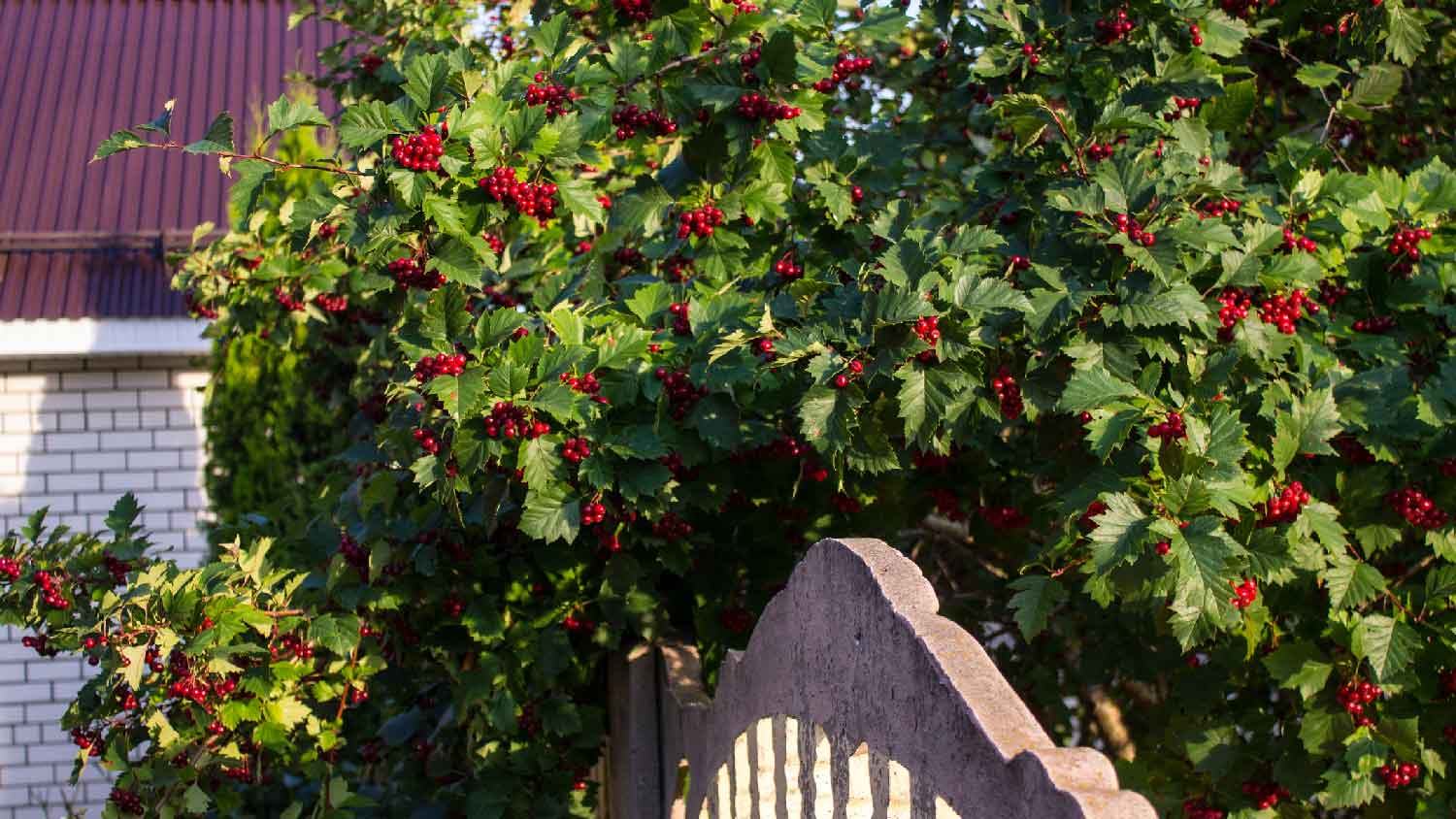
DIYing thorn bush removal is possible. This guide offers a list of necessary materials and a step-by-step walkthrough to help you remove thorn bushes.
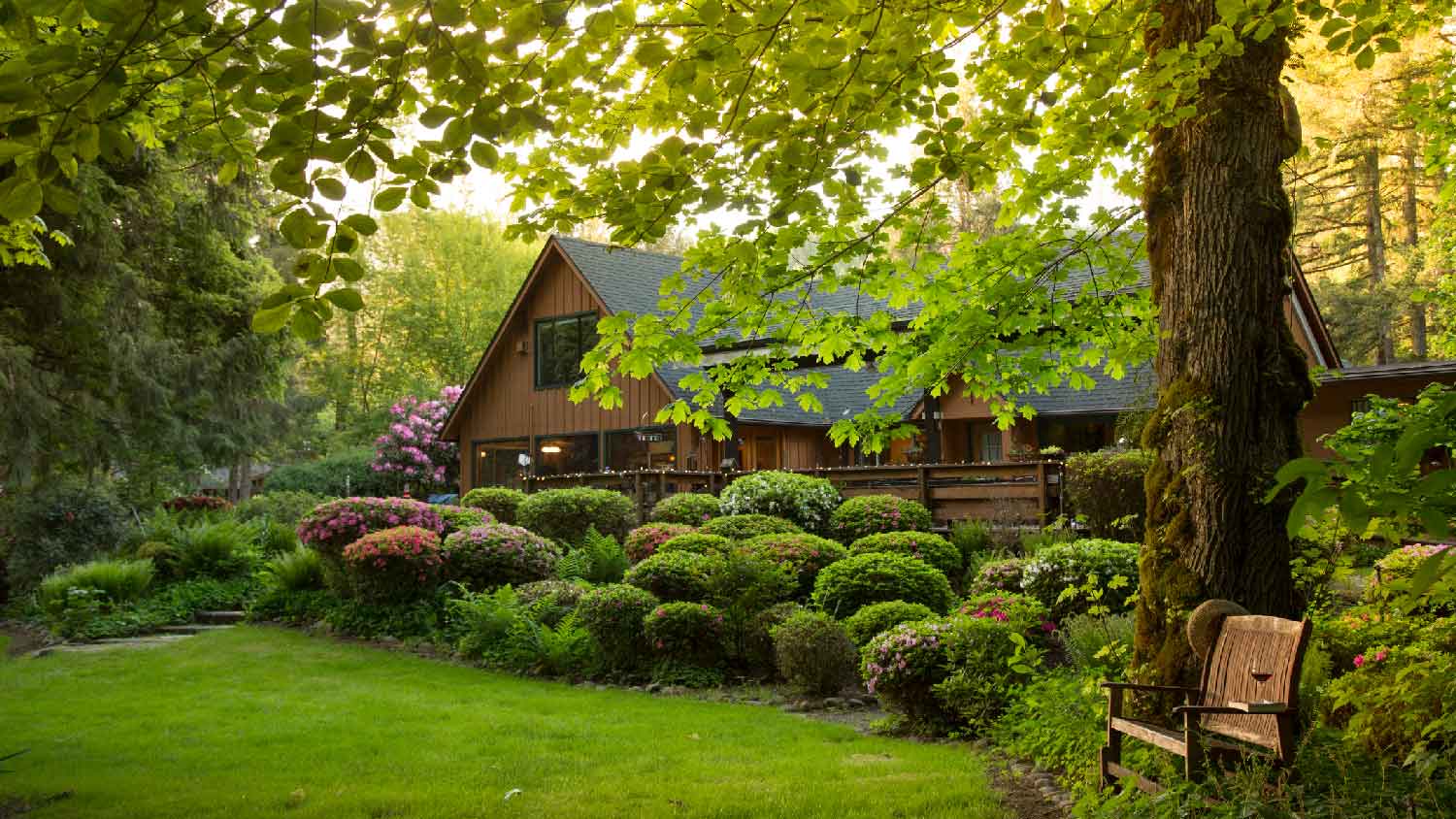
It’s important to trim bushes and shrubs, but each plant type prefers a certain time of year to be trimmed. Learn when to trim bushes and shrubs in this guide.