
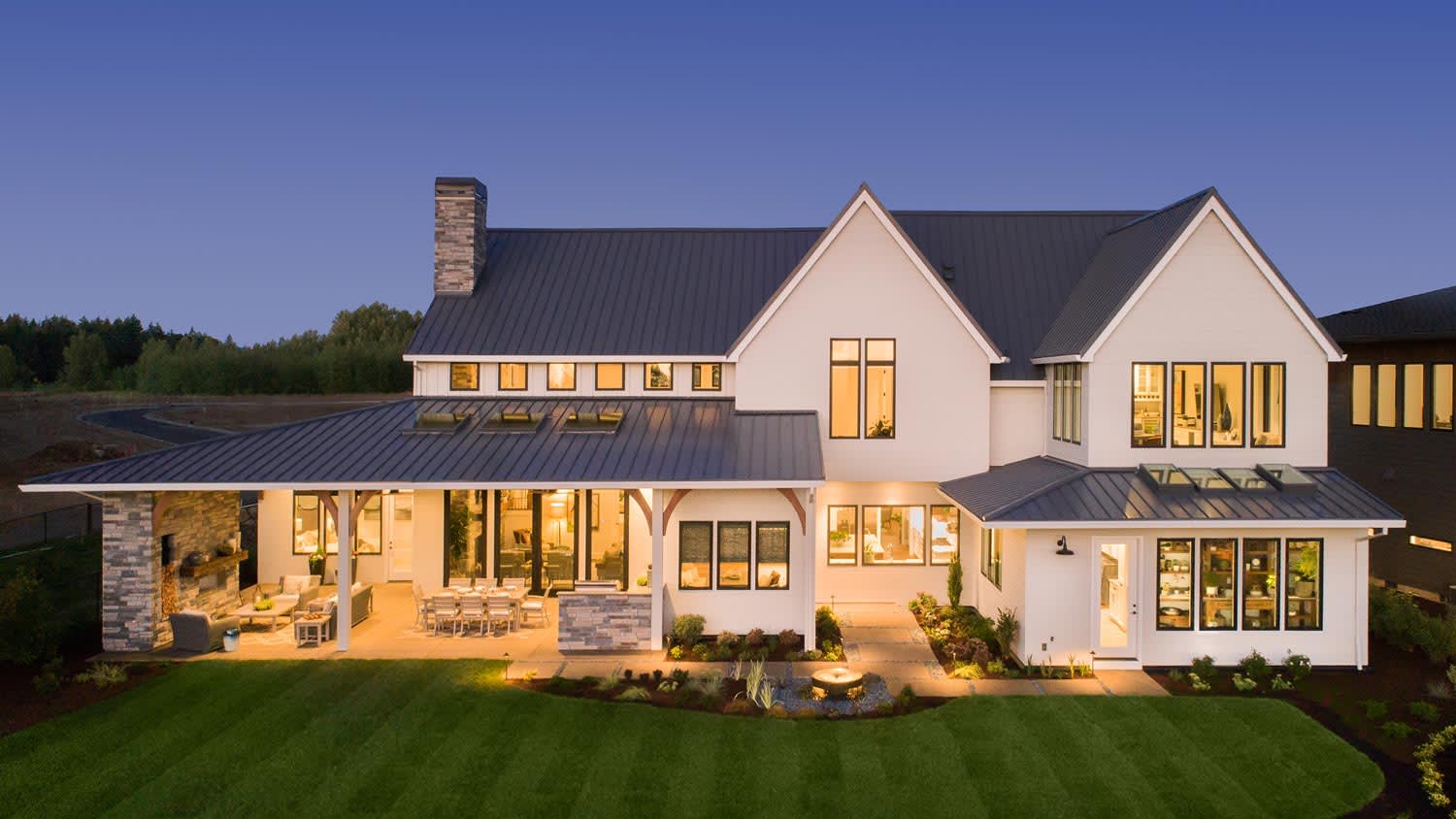
If your outside electrical meter box has sustained wear and tear, it might be time for a replacement. How much it costs to replace an electrical meter box in Washington, DC depends on labor, model, and box type.
Electrical service costs depend on your project and location. Check with a local pro for your specific job.

Electrical mast replacement in Washington, D.C., costs $750 on average for all necessary materials and professional labor.
Your home's specific electrical amperage needs dictate the necessary pipe width and the overall riser height.
Upgrading to a wider pipe increases the price, with three-inch risers costing $35 to $40 per foot.
Hiring a local electrician in Washington, D.C. to replace your mast keeps you and your household safe from electrocution.
This article was created using automation technology and produced in accordance with our AI policy, which includes editorial quality standards.
An electrical mast replacement in Washington, D.C., costs $750 on average, but ranges from $600 to $900. Your total price for a new electrical mast depends on the complexity of your roofline, the condition of your existing wiring, and local labor rates. Before starting this essential electrical upgrade, understanding the cost helps you plan a project that fits your home and budget.
When planning an electrical project in Washington, D.C., understanding the various elements that influence your final bill can help you budget accurately. Hiring a licensed electrician ensures the work meets local safety codes, with prices fluctuating based on the size of the components and the complexity of the installation.
The height of your meter riser directly impacts the price, as taller installations require more materials and structural support. In Washington, D.C., homes often need taller risers to keep the weatherhead safely above the roofline, which is crucial for protecting the connection during severe snowstorms and extreme humidity.
| Electrical Mast or Meter Riser Size | Local Average Cost in 2026 (Per Linear Foot) | National Average Cost in 2026 (Per Linear Foot) |
|---|---|---|
| 1 foot | $25–$110 | $20–$100 |
| 2 feet | $45–$220 | $40–$200 |
| 3 feet | $90–$330 | $80–$300 |
A standard 1-foot riser runs between $25 and $110 per linear foot, while a longer 3-foot section costs $90 to $330 per linear foot. If your project involves extensive updates, you might also be looking into an electrical panel upgrade to handle modern power demands.
The width of the pipe is determined by your home's amperage needs, with higher-capacity electrical services requiring wider conduits. Upgrading to a wider pipe in Washington, D.C., ensures your system can safely handle the heavy electrical loads required to run HVAC systems during the region's hot, muggy summers.
| Electrical Mast or Meter Riser Width | Local Average Cost in 2026 (Per Linear Foot) | National Average Cost in 2026 (Per Linear Foot) |
|---|---|---|
| 2 inches | $25–$30 | $20–$25 |
| 3 inches | $35–$40 | $30–$35 |
| 4 inches | $40–$110 | $35–$100 |
A basic 2-inch pipe costs $25 to $30 per linear foot, which is typical for a standard 200-amp service. For larger properties requiring a 400-amp service, a 4-inch pipe will run $40 to $110 per linear foot. Homeowners making this upgrade often review their electrical panel upgrade cost at the same time to ensure the entire system is up to code.
The total expense of replacing your meter riser is split between the physical components and the professional installation required to complete the job safely. In Washington, D.C., securing the mast properly is vital to withstand high winds and potential hurricane impacts. Most homeowners spend an average of $750 for the entire project. The typical range falls between $600 and $900 for the complete installation, depending on the complexity of the setup.
The hardware required for a meter riser installation includes the conduit pipe, weatherhead, and mounting brackets. Sourcing durable materials in Washington, D.C., helps prevent corrosion caused by the area's extreme humidity and frequent rain. While the pipe itself makes up a large portion of the material expenses, brace kits add to the total if the riser extends significantly above the roof. Ensuring your materials are robust can also reduce future wiring repair needs.
Hiring a licensed professional accounts for a significant portion of the project, as working with high-voltage lines requires specialized training and safety equipment. Electricians in Washington, D.C., often need to navigate tight urban spaces and coordinate with local utility companies, which can extend the time needed to complete the job. Labor rates typically reflect the danger and precision involved in disconnecting and reconnecting the main power supply. If the technician discovers other issues during the installation, you might need to factor in additional wiring repair costs to complete the job safely.
Small components like clamps, extensions, and brace kits are necessary to anchor the mast securely to your home's exterior. Proper fittings are essential in Washington, D.C., to ensure the mast remains stable during heavy flooding and severe storms. These hardware pieces connect the risers to the electric meter and keep the entire assembly rigid against the side of the house.
Replacing the electrical cables that run through the mast is often required if the existing lines are frayed, stretched, or outdated. Falling branches from snowstorms in Washington, D.C., frequently damage these overhead lines, making complete replacement the safest option. Running new cables ensures a reliable connection from the utility drop to your meter. While the electrician is updating these lines, it is a good time to schedule a comprehensive electrical inspection to verify the rest of your home's system is functioning correctly.
Hiring an electrician in Washington, D.C., is crucial for safely replacing your electrical mast. Local professionals typically charge $50 to $100 per hour for this high-voltage work. Because the job involves disconnecting wires and swapping risers, it usually takes a few hours to complete. Keep in mind that materials and services may be subject to the 6% sales tax in Washington, D.C. Hiring a skilled expert ensures your home's electrical system withstands extreme humidity.
Before hiring an electrician, verify they hold the required electrical license for Washington, D.C., and ask for proof of liability insurance and workers' comp if they have employees. Hiring an unlicensed electrician can leave you with little protection if something goes wrong and may make it harder to recover payments or hold them accountable. To verify the type of licensing required, visit the Washington, D.C. government's official licensing board website for more information.
Hiring an electrician in Washington, D.C. ensures your home remains safe while saving you time and adding long-term value to your property.
Licensed contractors coordinate directly with your local utility company to disconnect and restore power seamlessly.
Experts possess specialized tools to properly detach and reattach the weatherhead and service drop cables.
Pros understand strict Washington, D.C. building codes and secure the necessary permits for exterior electrical work.
Professionals identify hidden wiring issues within your panel before they cause major damage.
To help homeowners plan their next project, Angi provides readers with carefully researched cost data and upholds strict editorial standards. We start with national average project costs, which we collect by analyzing competitor information, retailer material costs, and input from professional contractors. We then apply local price index data to calculate location-specific estimates that reflect what homeowners typically pay in their local area. To do that, we use data from the U.S. Bureau of Economic Analysis (BEA), including its Regional Price Parities (RPPs), which measure price differences across cities. This helps us account for differences in labor, materials, and overall cost of living, so estimates in higher- or lower-cost areas better reflect real-world local pricing.
Every estimate undergoes a thorough editorial review to verify accuracy, consistency, and alignment with observed market conditions.
Want to help us improve our cost data? Send us a recent project quote to [email protected]. Quotes and personal information will not be shared publicly.
Professional, prompt and performed quality work on our electric panel replacement. Would highly recommend
 Powerworks LLC
Kevin provided excellent service for my electrical project. He was very professional, knowledgeable and courteous. Provided thorough communication and was responsive to questions. Very efficient. Highly recommended.
 Mr. Electric of Bethesda & Northwest DC
517GMJ intalled a new junction box, breakers and wiring for my electric stove (240 v) and installed the electric stove and range hood fan. They came to look at my apartment, and put together a proposal/scope and were timely in performing / completing the work. They...
 Hvac507 517GMJ
I found John Max Electric on Angi and couldn’t be happier with their service. They arrived promptly with a team of three skilled professionals who tackled each of the five electrical issues with precision and efficiency. What really stood out to me was their honesty—there was no price...
Chris is terrific. He did the electrical on my full remodel down to the studs. He's the total package--highly capable and efficient, on-time and responsive, and a good human being.
 Basham Electric
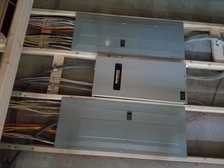
Mayquebec Electric was amazing and professional . Showed up on time and was very knowledgeable with my situation .
 Mayquebec Electric
Wilcox electric did a terrific job! I own a 110 year old Washington, DC row-house. I needed to add and replace several electrical outlets throughout the home.
 Wilcox Electric LLC
Honest and very reliable! Wonderful to work with for all types of electrical projects!
 AA Electric LLC
Infinite Electric LLC did a superb job with the installation of my home EV charging station. The owner, Alain, came to my home, spent a significant amount of time to thoroughly review our needs and then gave my wife and I a truly reasonable quote. It took less than a week to get on their...
 Infinite Electric, LLC
Terrific service with excellent communication. Work was more complicated than originally thought but original estimate was honored. Other unrelated electrical problems were repaired during the project. Our electrical panel was upgraded and we installed a Tesla charger. Would not hesitate to...
 Precise Building Services, Inc.
From average costs to expert advice, get all the answers you need to get your job done.
If your outside electrical meter box has sustained wear and tear, it might be time for a replacement. How much it costs to replace an electrical meter box in Washington, DC depends on labor, model, and box type.
If your outside electrical meter box has sustained wear and tear, it might be time for a replacement. How much it costs to replace an electrical meter box in Baltimore, MD depends on labor, model, and box type.

Upgrading your electrical panel boosts home safety and may increase resale value. Learn about average electrical box replacement costs in Washington, D.C.
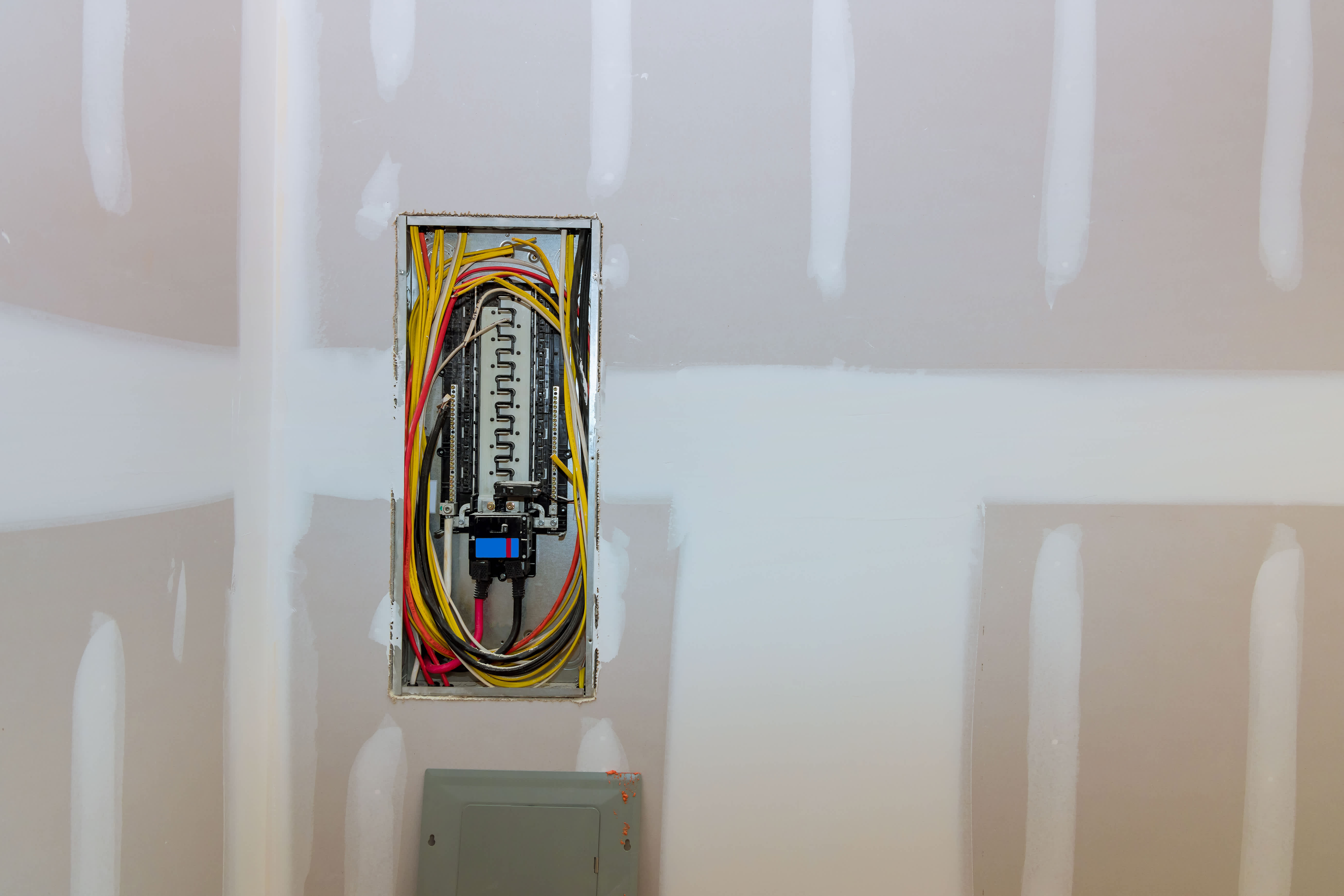
A new electrical box can give your Baltimore home important upgrades or repair dangerous damage. Here’s how much you can expect to pay for the service.
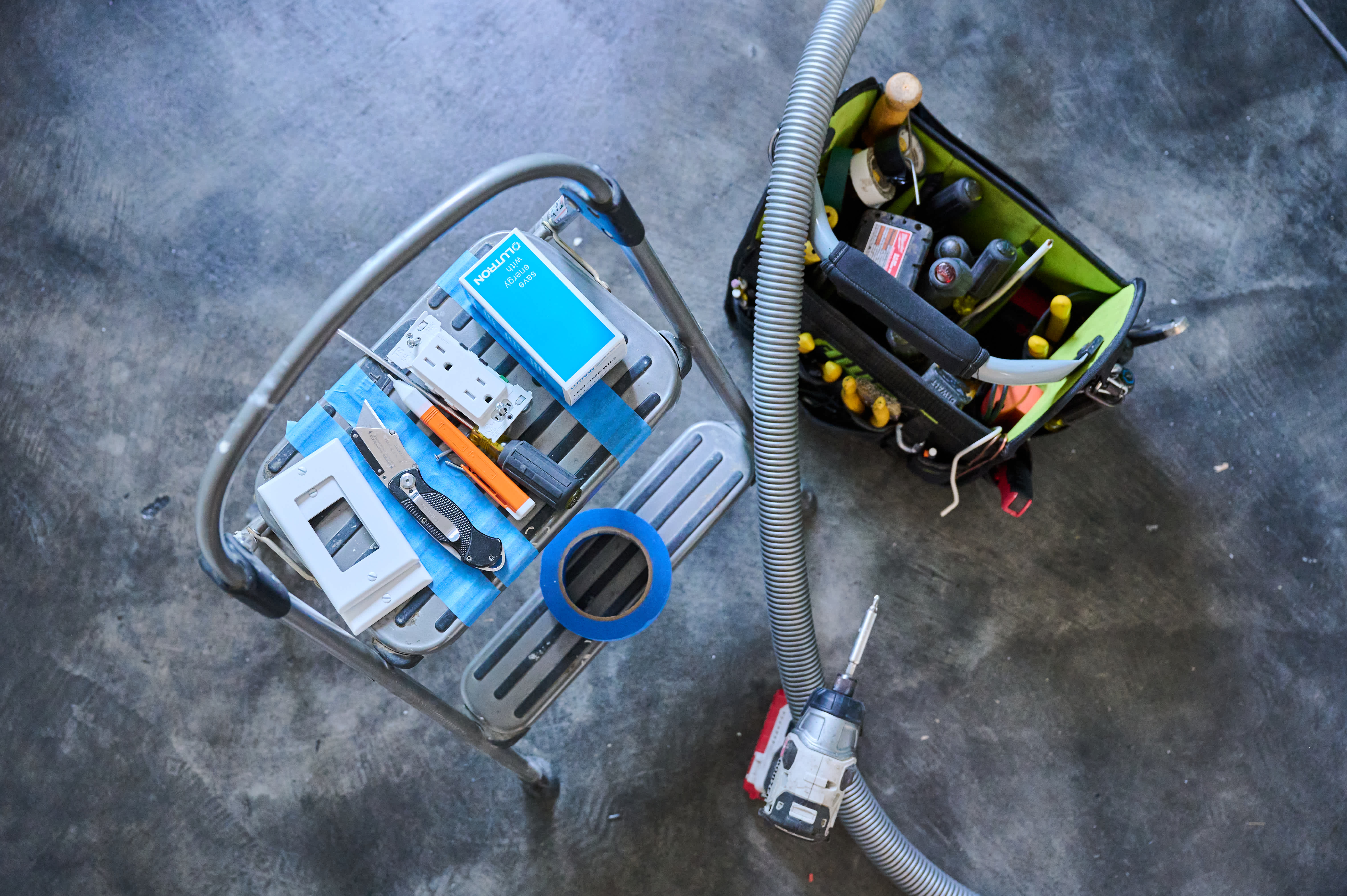
Looking to size up your electrical system to cover higher usage and improve efficiency? Use this guide to see the cost to upgrade an electrical panel in Washington, D.C..
Looking to size up your electrical system to cover higher usage and improve efficiency? Use this guide to see the cost to upgrade an electrical panel in Baltimore, MD.