
If your outside electrical meter box has sustained wear and tear, it might be time for a replacement. How much it costs to replace an electrical meter box in Baltimore, MD depends on labor, model, and box type.
Electrical service costs depend on your project and location. Check with a local pro for your specific job.

Washington, DC homeowners can expect to pay between $550 and $3,000 for standard electric meter box replacement.
Electricians set costs based on home size and box circuitry.
Budget extra for aesthetic hardware in a DC historic district.
Since DLCP won't give meter box permits to homeowners, budget for a licensed electrician in Washington, DC.
Electric meter box replacement cost in Washington, DC averages $1,089. However, you might join some other local homeowners in paying between $545 and $2,287 based on the complexity of your meter box setup and the size of your home. Homeowners always need to hire licensed electricians for this project to comply with Washington, DC code rules.
An electrical meter box is an important component of your electrical system. It holds the electrical meter, which measures the amount of energy your home uses. Your Washington, DC home relies on your electric meter box to measure electrical usage. Electricians look at things like accessibility, current code compliance, and the number of circuits being fed to your box to set a price.
The cost of the electrical meter box itself is $60 to $380 in most cases, but it varies based on the strength of the box (measured in amperes or amps) and its features. Homes with larger electrical panels need meter boxes that match that capacity. Most homes have an electrical panel that can handle 200 amps.
Here’s what you can expect to pay for an electric meter box (not including labor) depending on your home’s current electrical capacity:
| Amps | Average Cost Range |
|---|---|
| 100 | $60–$215 |
| 150 | $70–$220 |
| 200 | $125–$355 |
| 400 | $450–$620 |
In addition to the cost of the meter box itself, which runs between $60 and $380, you may need to pay for additional parts and materials for installation. This can include connectors, fittings, and fasteners, which cost around $130 altogether.
Home electric meters can be in several locations, including outside for easy access or next to the electrical panel. But there’s a caveat about electric meter locations: You can’t always change them. Washington, DC requires front placement at least 36 inches from ground level. With Washington, DC having so many historic homes, local rules do provide exceptions for properties where standard placement may not work. For example, you may be able to get an exemption if your property falls within a designated historic district that restricts the placement of a large meter box. Your historic home's design may also prevent front placement. The DC Historic Preservation Office (HPO) can generally assist homeowners who run into conflicts with placement. Hardware and panel costs can be higher to make your box look aesthetically appealing.
The power company may charge you a fee for moving a meter or may not let you move it at all. If you can move the meter, expect it to cost between $1,550 and $2,700. However, there is another option: You can move your electrical panel to a new location if it was installed beside the meter. This is a big project requiring a professional electrician, and it can cost between $1,550 and $4,200, depending on the panel’s new location.
In addition to being required to get the electrical permit needed for this project in Washington, DC, a skilled local electrician can also assess your electrical usage and provide guidance on how to tell what amp service you have to see if increasing output could help your household. If your electric meter box is outdated or out of code, there's a good chance your amperage may be struggling to accommodate the modern appliances that have become standard since the period when your home was built or the last time it was updated. Here's what goes into the rate you'll be charged when hiring a pro.
Most Washington, DC electricians charge between $60 and $100 hourly. However, you'll probably be given a flat rate for this project if it's a standard replacement. Rates are often higher for historic homes in Washington, DC that require knowledge of older designs and systems.
An electrical permit will be needed to complete this project. In Washington, DC, only DC-licensed and bonded master electricians are able to pull these permits. The DC Department of Buildings (DOB) will not issue these permits to homeowners. A permit for a job like this typically costs $33. However, that could go higher if your contractor needs to do any additional electrical work to get your home in compliance with the latest codes.
Washington, DC's 6% sales tax will apply to all replacement parts and hardware your electrician purchases for your project.
Washington, DC electrical contractors licensed through the DC Department of Licensing and Consumer Protection (DLCP) are required to have a surety bond of $4,000 for a standard electrical contractor or $2,000 for a master electrician. The DCLP also requires master electricians to carry general liability insurance of $100,000 or higher. This comes in addition to the standard requirement for workers' compensation for any contractor with employees. In total, an electrician in Washington, DC might pay $60 to $200 monthly for premiums to stay compliant with license requirements.
Only master electricians licensed through DLCP are allowed to pull permits for a meter box replacement in Washington, DC. Costs to get there include a $65 application fee, $50 exam fee, $120 initial licensing fee, and $155 renewal fee every two years.
While replacing an electric meter box won’t necessarily increase your home value in and of itself, it’s a smart investment for other reasons. By replacing a defective or out-of-code meter box at your home in Washington, DC, you're making sure that your home won't lose access to heating, air conditioning, and all of the essentials that run off your home's electricity. What's more, selling a home with an improper meter box isn't possible once the issue is discovered during a home inspection until you get the issue fixed.
To help homeowners plan their next project, Angi provides readers with carefully researched cost data and upholds strict editorial standards. We start with national average project costs, which we collect by analyzing competitor information, retailer material costs, and input from professional contractors. We then apply local price index data to calculate location-specific estimates that reflect what homeowners typically pay in their local area. To do that, we use data from the U.S. Bureau of Economic Analysis (BEA), including its Regional Price Parities (RPPs), which measure price differences across cities. This helps us account for differences in labor, materials, and overall cost of living, so estimates in higher- or lower-cost areas better reflect real-world local pricing.
Every estimate undergoes a thorough editorial review to verify accuracy, consistency, and alignment with observed market conditions.
Want to help us improve our cost data? Send us a recent project quote to [email protected]. Quotes and personal information will not be shared publicly.
Professional, prompt and performed quality work on our electric panel replacement. Would highly recommend
 Powerworks LLC
Kevin provided excellent service for my electrical project. He was very professional, knowledgeable and courteous. Provided thorough communication and was responsive to questions. Very efficient. Highly recommended.
 Mr. Electric of Bethesda & Northwest DC
517GMJ intalled a new junction box, breakers and wiring for my electric stove (240 v) and installed the electric stove and range hood fan. They came to look at my apartment, and put together a proposal/scope and were timely in performing / completing the work. They...
 Hvac507 517GMJ
I found John Max Electric on Angi and couldn’t be happier with their service. They arrived promptly with a team of three skilled professionals who tackled each of the five electrical issues with precision and efficiency. What really stood out to me was their honesty—there was no price...
Chris is terrific. He did the electrical on my full remodel down to the studs. He's the total package--highly capable and efficient, on-time and responsive, and a good human being.
 Basham Electric
Mayquebec Electric was amazing and professional . Showed up on time and was very knowledgeable with my situation .
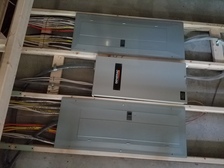 Mayquebec Electric
Wilcox electric did a terrific job! I own a 110 year old Washington, DC row-house. I needed to add and replace several electrical outlets throughout the home.
 Wilcox Electric LLC
Honest and very reliable! Wonderful to work with for all types of electrical projects!
 AA Electric LLC
Infinite Electric LLC did a superb job with the installation of my home EV charging station. The owner, Alain, came to my home, spent a significant amount of time to thoroughly review our needs and then gave my wife and I a truly reasonable quote. It took less than a week to get on their...
 Infinite Electric, LLC
Terrific service with excellent communication. Work was more complicated than originally thought but original estimate was honored. Other unrelated electrical problems were repaired during the project. Our electrical panel was upgraded and we installed a Tesla charger. Would not hesitate to...
 Precise Building Services, Inc.
From average costs to expert advice, get all the answers you need to get your job done.
If your outside electrical meter box has sustained wear and tear, it might be time for a replacement. How much it costs to replace an electrical meter box in Baltimore, MD depends on labor, model, and box type.
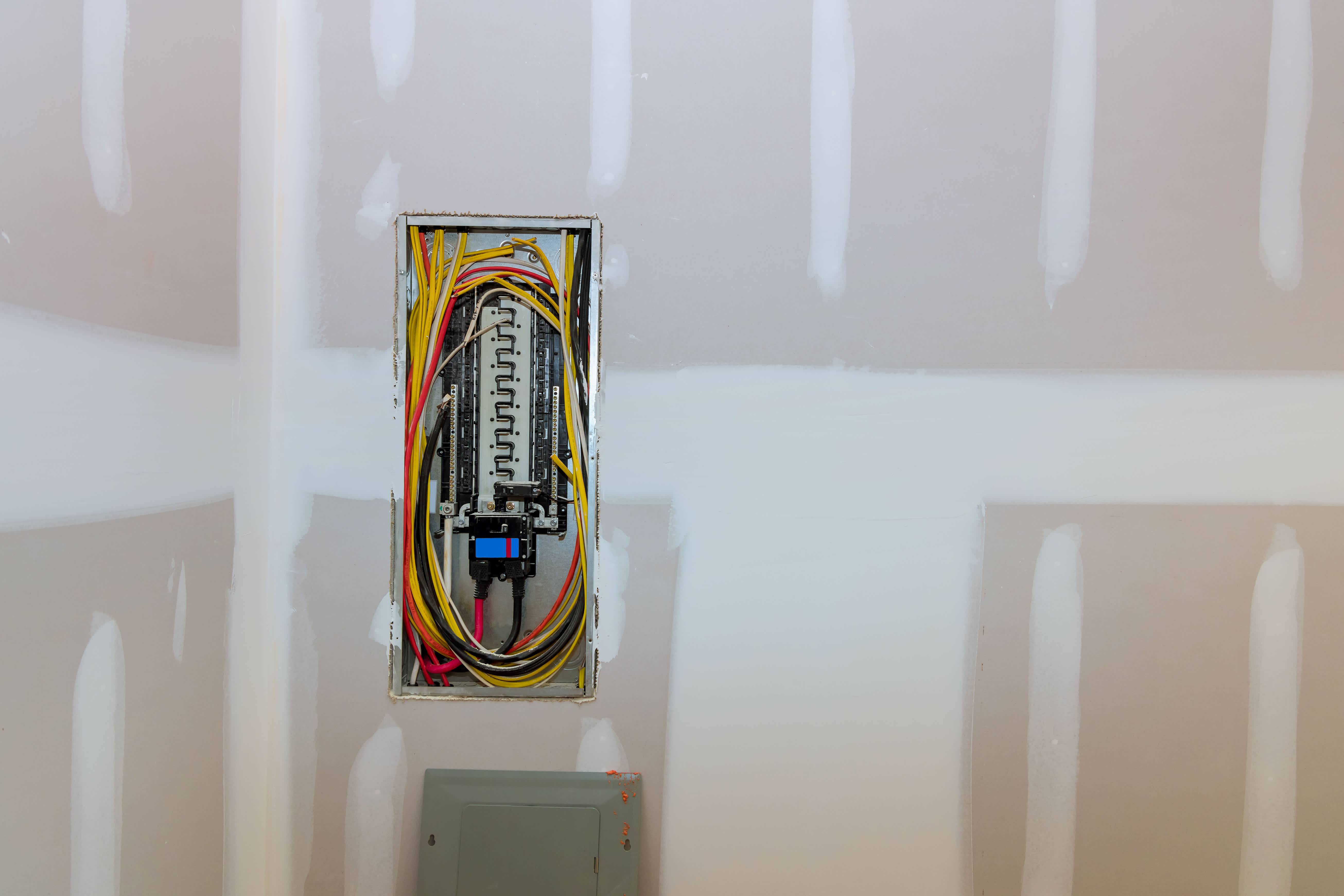
A new electrical box can give your Baltimore home important upgrades or repair dangerous damage. Here’s how much you can expect to pay for the service.

Upgrading your electrical panel boosts home safety and may increase resale value. Learn about average electrical box replacement costs in Washington, D.C.
Looking to size up your electrical system to cover higher usage and improve efficiency? Use this guide to see the cost to upgrade an electrical panel in Washington, D.C..
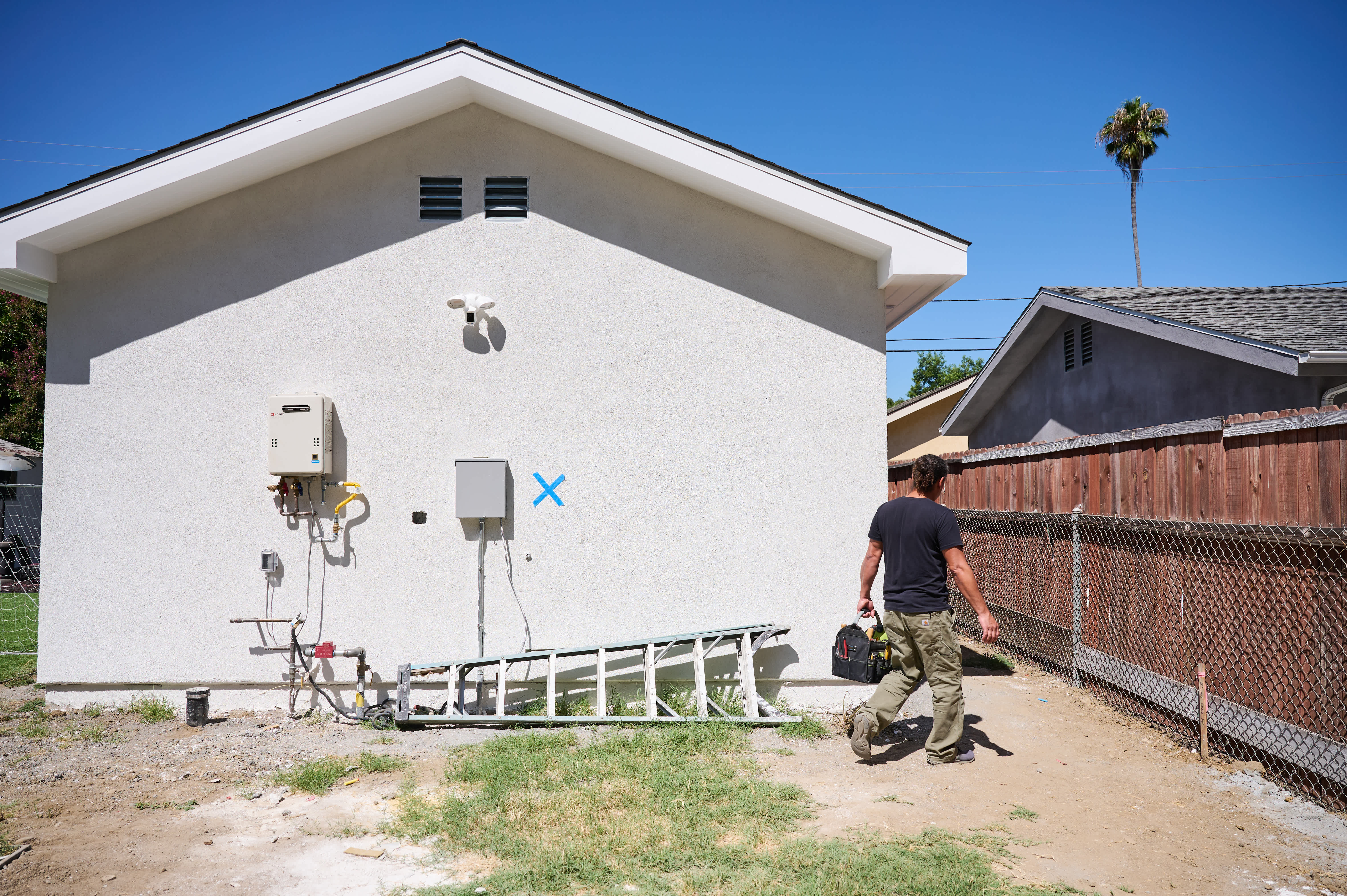
Hire a licensed electrical contractor and learn the cost to run electric from the road to your house in Washington, DC, so you can budget for the project.
Looking to size up your electrical system to cover higher usage and improve efficiency? Use this guide to see the cost to upgrade an electrical panel in Baltimore, MD.