

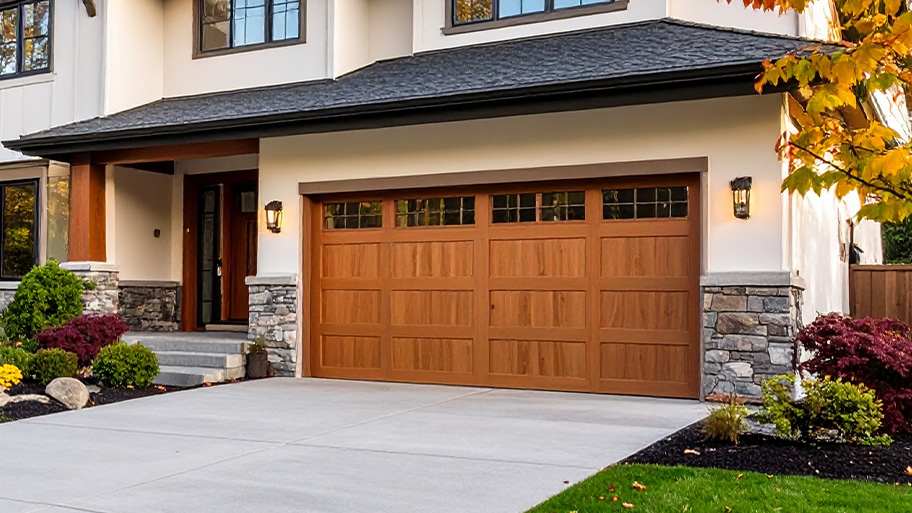
Replacing a garage door is necessary to add security and value to your home. Learn how each door type affects the total cost of this project.
Garage door service costs depend on your project and location. Check with a local pro for your specific job.

Your garage door spring replacement costs between $150 and $350 per spring, plus labor in your area.
Your garage door type and the number of doors you need serviced will determine your final replacement cost and project timeline.
Account for replacing both springs at once, so your door stays balanced and avoids extra repairs.
Hiring a local emergency garage door repair professional protects you from serious injury caused by high-tension springs.
In 2026, the national average cost for garage door spring replacement is $250. Most homeowners pay between $150 and $350, with the spread driven by spring type, the number of springs replaced, and local labor rates. Costs can reach as high as $500 depending on your door configuration and the complexity of the job.
Several factors influence the cost to replace a garage door spring, and understanding them helps you budget accurately for the project.

Garage door spring replacement costs vary by type. Extension springs cost $50 to $100, while torsion springs cost $75 to $150 but offer longer lifespans and are generally considered safer. Switching from one type to the other requires a professional to remove the entire existing system and install a new one, costing $250 to $500 to switch from torsion to extension, or $400 to $800 to switch from extension to torsion.
The table below compares average costs across four garage door spring options, including replacing each type and converting between them:
| Type of Spring | Average Cost in 2026 |
|---|---|
| Extension spring | $50–$100 |
| Torsion spring | $75–$150 |
| Convert torsion to extension | $250–$500 |
| Convert extension to torsion | $400–$800 |
Had one broken spring/coil on my garage door. I ended up selecting Plano Overhead Garage Door to replace both springs based on the stellar reviews on Angi and other sites. James arrived on time and reviewed his planned actions. He was very knowledgeable and professional. After replacing the springs and doing some maintenance on the tracks, we agreed that the 25-year-old opener was on its last legs. James gave me written quotes to install a garage door opener that I purchased on my own or to install a better opener purchased via Plano Overhead. I opted for the latter. James came back the next day and installed the opener, reviewed its operation with me, and learned how to connect it to Wi-Fi for remote operation and monitoring. I am totally satisfied with the work done by Plano Overhead Garage Door in general and with their outstanding technician, James M., in particular!
The type of garage door you have directly affects which spring system it uses and what you'll pay for replacement. Sectional doors, the most common type in the United States, can use either extension or torsion springs, while tilt-up doors rely on extension springs and roll-up doors use torsion springs. Because torsion springs are more expensive to replace, roll-up door owners typically pay more than tilt-up door owners for the same service. Here’s how garage door spring replacement costs vary by door style:
| Type of Garage Door | Replacement Cost (per Spring) in 2026 |
|---|---|
| Sectional | $75–$150 |
| Tilt-up | $50–$100 |
| Roll-up | $75–$150 |
Poor accessibility to the garage or the spring itself can drive up your labor costs, since a pro who needs extra time to reach the work area will bill for that additional time.
Labor for residential garage door spring replacement runs $75 to $150, while commercial-grade springs cost $150 to $300 to replace. Because garage door springs are under extreme tension, it's crucial to contact a pro who fixes garage doors for this job rather than attempting it yourself.
Your location can affect what you pay for garage door spring replacement, since labor rates are generally steeper in high-cost-of-living cities than in rural or suburban areas. However, living in a rural area is not always cheaper: if a pro must travel a long distance to reach your home, they may charge a trip fee that offsets any labor-rate savings.
When a spring breaks unexpectedly, calling an emergency garage door repair contractor near you is the right move, though emergency services typically cost more than a standard appointment. If the garage door is stuck or you're unsure about the problem with your garage door, avoid potential injury by not opening the door manually while you wait for a pro.
Beyond the spring itself, a few additional factors can affect your total cost when replacing garage door springs.
While a pro is already on-site for spring replacement, it's worth asking them to inspect the entire garage door system, since other components can wear out over time and the base service call is already covered. They may identify issues with cables, rollers, tracks, hinges, sensors, or the opener that are worth addressing in the same visit to avoid a separate call later.
Regular maintenance extends the life of your garage door springs and helps you avoid premature replacement. Lubricating the springs two to three times a year is the most important task, and it's a viable DIY project using a lithium- or silicone-based lubricant—just clean the springs before applying it, as described in this guide to lubricating your garage door. You should also inspect the springs for imbalance and check their tension every few months to catch problems early.
Spring quality affects the upfront cost of your replacement, with budget options available from some manufacturers and premium springs commanding a higher price from others. A mid-range spring offers a practical balance of durability and value for most homeowners.
Heavier garage doors require larger, stronger springs: a standard seven-foot door uses 25-inch springs, while an eight-foot door requires 27-inch springs. The cost difference is modest at $5 to $10 per spring or set of springs, but it’s worth factoring into your budget if you have a taller or heavier door.
Hiring a local garage door spring replacement pro may cost more upfront, but it ensures the job is done safely and correctly. Garage door springs are under extreme tension, and improper handling can cause serious injury or damage. Professionals have the tools, training, and experience to replace springs accurately, restoring smooth operation and extending the life of your garage door system.
Garage door spring replacement is a high-risk, specialized project that requires technical knowledge and strict safety precautions. Here are some of the top reasons to work with a pro:
Technicians can correctly identify the spring type (torsion or extension), size, and weight rating your door requires.
Pros use professional-grade tools and safety equipment designed specifically for high-tension springs.
Working with a pro ensures proper balance and alignment, preventing premature wear on the opener and tracks.
Professionals can spot related issues—like worn cables, bearings, or rollers—before they cause bigger problems.
Many companies offer warranties on parts and labor, giving you peace of mind and long-term value.
You shouldn’t attempt to replace a garage door spring yourself, but a little preparation can help reduce service time and costs:
Clear vehicles, storage items, and clutter away from the garage door and work area.
Make a note of any symptoms (loud bangs, uneven door movement, difficulty opening) to share with the technician.
Ensure the technician has clear access to the garage door, opener, and electrical outlet.
Secure pets and keep children away from the garage during the service visit.
If your garage door exhibits any of the following behaviors, it’s likely time for a garage door tuneup or spring replacement.
Common signs that you need new garage door springs include:
The door isn't hanging straight.
The door lowers faster than usual.
The door won't stay open on its own.
You notice visible gaps in the springs.
The garage door makes a lot of noise.
You notice loose or broken cables.
Garage door springs can rust when exposed to moisture, so it's a particular concern for homeowners in coastal regions. More than unsightly, rust can degrade the spring over time, rendering it useless. To prevent rust, lightly lubricate the springs each year using a lithium-based lubricant. Homeowners in coastal regions might need to lubricate them several times per year due to moisture in the air.
If you hear screeching noises, it's possible that the springs are too tight or too loose. However, it's more likely due to worn-out or frayed cables. Bent or damaged tracks can also cause the garage door to screech.
When your garage door suddenly won't open or close, a full replacement is not always necessary. Replacing a garage door costs $750 to $1,700, compared to an average of just $250 for spring replacement, so having a technician diagnose the issue first can save you significant money. If the problem is limited to the springs, you're in the clear; but if the pro finds issues with multiple components such as cables, pulleys, tracks, or the door itself, a full replacement is likely more cost-effective in the long run than repairing each failing part separately.
There are several ways to potentially reduce the cost of replacing a garage door spring, including:
Getting estimates from multiple pros to find the best price.
Asking companies about any seasonal promotions or discounts.
Regularly maintaining and lubricating your garage door to prevent the need for repairs.
Buying the springs yourself.
Be ready to discuss with a pro what type of garage door and spring system you have, as this can affect the tools, parts, and safety precautions required.
If there is room left in your budget, ask your pro about add-ons like cable replacement, roller upgrades, or a full door tune-up.
Be prepared for unexpected costs, such as worn hardware or damaged tracks, that may be discovered once the spring is removed.
Plan for safety and access needs, making sure vehicles and stored items are cleared from the garage so the pro can work efficiently.
Home is the most important place on earth, which is why Angi has helped more than 150 million homeowners transform their houses into homes they adore. To help homeowners with their next project, Angi provides readers with the most accurate cost data and upholds strict editorial standards. We extensively research project costs to develop the pricing data you see, so you can make the best decisions for you and your home. We rely on reputable sources, including the U.S. Bureau of Labor Statistics, academic journals, market studies, and interviews with industry experts—all to ensure our prices reflect real-world projects.
Want to help us improve our cost data? Send us a recent project quote to [email protected]. Quotes and personal information will not be shared publicly.
Jason has helped me with multiple household projects, with the most recent being new door installation. He has always showed up on time and organized and has done an incredible job! Jason is very professional and he's now my go-to for anything around my house that needs to be fixed or...
 Huff Garage Rescue, LLC
Company came to look at my garage door that was off track. They also said I needed a brace on the other garage door. They put the door back on track, and I paid to install the brace. The technician told me I needed a new garage door opener, and it would cost $1000. Red flags went off in...
 Precision Overhead Garage Door Service
On Sunday 2/26 I requested quotes via Angi from 4 refrigerator repair businesses. Northwest Appliance responded to me Monday morning (2/27) and my refrigerator was repaired by noon the same day. Great communication, they did everything they said they would. The technician had the parts on...
Excellent customer service and knowledge. I was recommend to him from my neighbour. My front door and window came in great and were installed beautifully perfectly, I m very satisfied with their excellent work, so decided to order one more big bow window for my living room. I cant wait for...
 Window Depot USA of Central Ohio
Called ahead and worked quickly to install keyless locks on vintage wooden doors.
 Expert Lock and Key, LLC
Scott did not get appropriate access to the property prior to the scheduled inspection which required us to come back later in the day to complete it. He also, unprofessionally, knocked on a neighbor?s door in his attempts to reach someone with access. His overall report was fine though the...
 Security First Home Inspections
I highly recommend KTM construction! I will look no where else for anything that needs to be done, in or out side of our property. The level of craftsmanship is 5 star service across the board! The level of detail, knowledge and professionalism is 5 star service across the board! Ken is a...
 KTM Construction, LLC
Door Depot was very responsive - they came out the day after my call to assess my needs, then returned at my convenience to complete the work. They arrived early, and the work was completed in a shorter period of time than estimated. Very pleased with the results. I would definitely use them...
 Door Depot LLC
Replace garage doors: Fast response, competitive estimate, timely work done well.
 Village Garage Door
I would have given an "A" rating were it not for the devil being in the details. 1. The van rear doors, when open, expose the track area and that had not been cleaned. Noticeable only when you look for it and then it's obvious. 2. Was able to get 99.5% of the dog hair out of the cargo area...
 614 Detail
From average costs to expert advice, get all the answers you need to get your job done.
Replacing a garage door is necessary to add security and value to your home. Learn how each door type affects the total cost of this project.
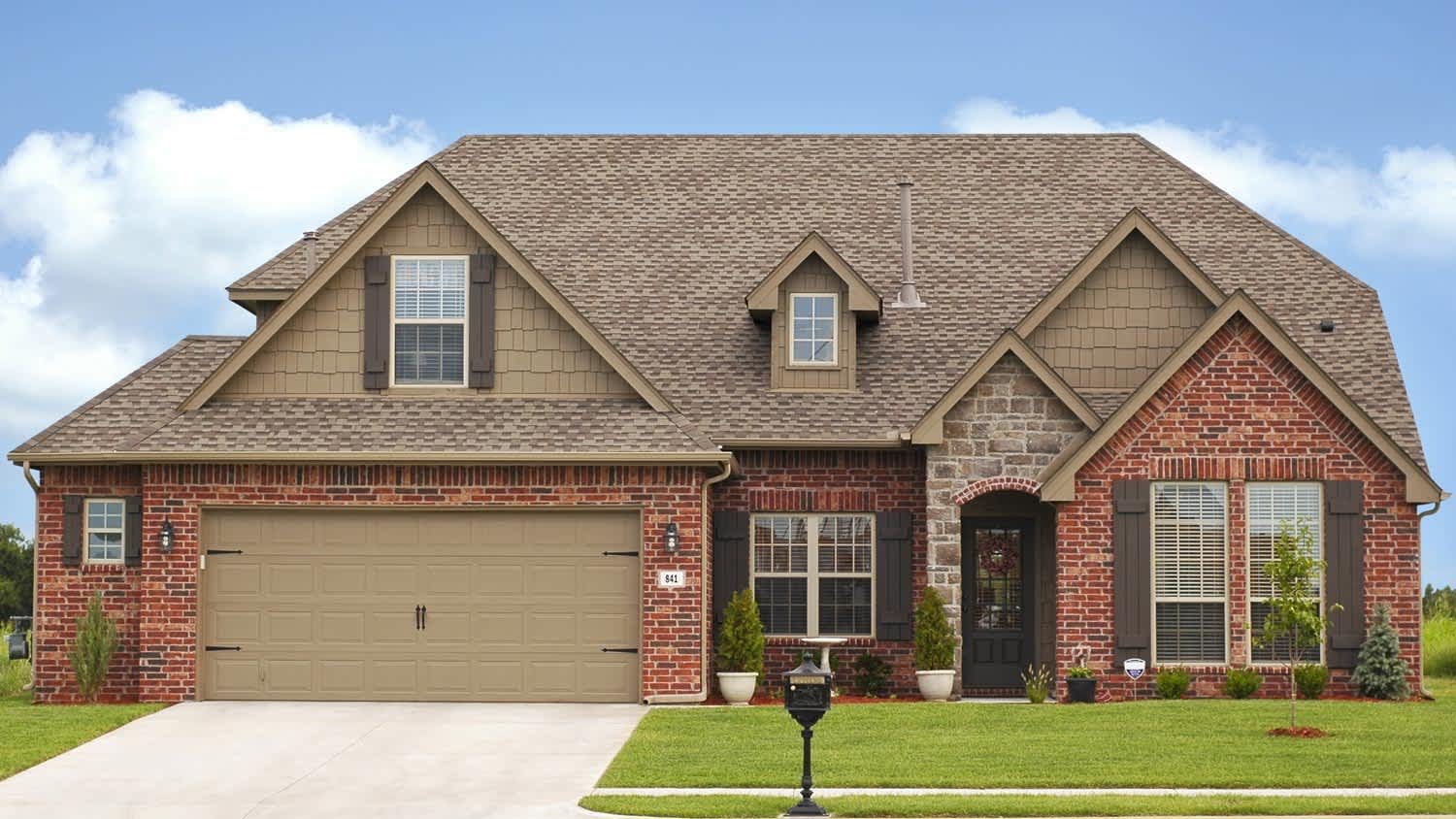
Discover how much garage door panel replacement costs based on factors like the panel size, material, style, and local labor rates.

A garage door repair costs less than you might think, considering you can sometimes repair individual panels. However you can’t do many fixes yourself—learn why you need a pro.
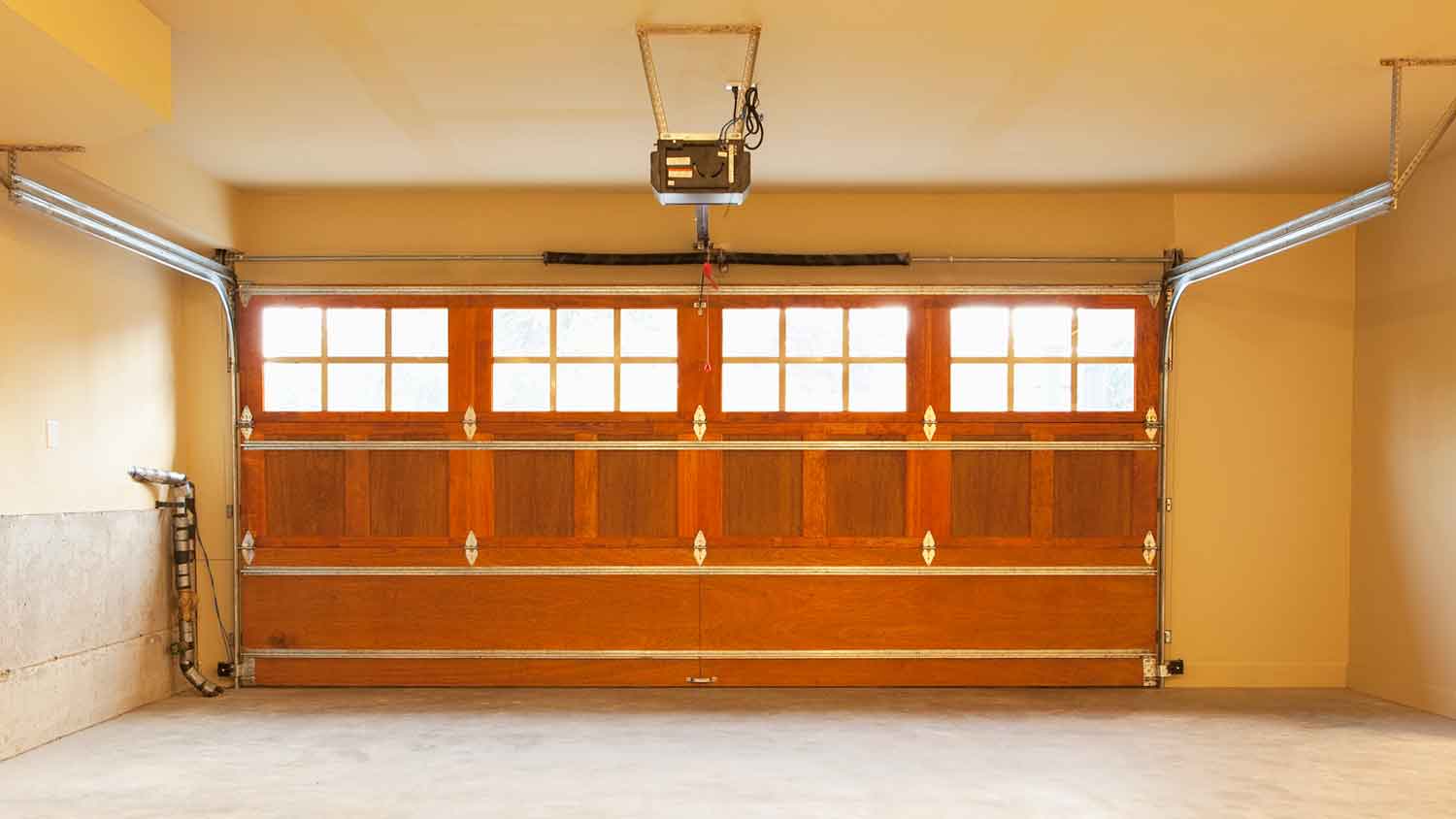
If your garage door is suddenly hard to open, one of your springs may have sprung. Learn how to replace a garage door spring—or who to call if you need a pro.
Sizing garage door springs requires accurate measurements and the garage door weight. Keep reading to learn how to size garage door replacement springs.

Is your garage door slamming shut or refusing to open? Learn about garage door spring repair costs, warning signs, and how to hire the right local pro.