
•
Find out the average bat removal cost in Houston, TX. Learn what you can expect to pay for local wildlife control and safely exclude bats from your home.
Pest control costs depend on your project and location. Check with a local pro for your specific job.

In Houston, TX, a small hive with 10 to 50 worker wasps costs $250 to remove.
Paper wasps are calmer and cost less to remove, while bald-faced hornets are aggressive with big nests, costing more to remove.
Don’t forget to factor in costs for multiple visits for major infestations or multiple different wasp nest types.
Hiring a pest control pro in Houston, TX, keeps your family safe from aggressive wasps and their painful stings.
Wasp nest removal costs $518 in Houston, TX, with most removals totaling between $296 and $690 based on the removal method and size and location of the nest.
Houston, TX, is home to unique wildlife, wasps included. Here, you may come across paper wasps, red wasps, yellowjackets, bald-faced hornets, mud dauber wasps, and even cicada killers (which fortunately burrow underground and aren’t likely to sting). With so many types of wasps and hornets present here, consider working with a pro to properly, safely remove any and all wasp species that have taken up residence in your home and garden.
Wasp nest removal cost factors in Houston, TX, include the nest size and location. The type of wasp will also affect what type of treatment you need, and different removal methods come with varying costs.
While one or two wasps may seem scary, dealing with a hive with hundreds of workers can be even worse. The larger the hive, the more difficult and time-consuming the removal and cleanup will be.
For small hives of 10 to 50 worker wasps, you’re looking at spending $250 for extermination on average. Medium hives with 50 to a couple hundred wasps will be in the $495 range. Large nests can cost $990 or more.
| Hive Size | Average Cost |
|---|---|
| Small | $250 |
| Medium | $495 |
| Large | $990 |
While most people associate our buzzing neighbors with hanging from a tree or off the side of the house, not all wasps or hornets prefer to make their homes here. Some wasps build inside your attic, in the walls, and even underground. If this happens to you, a pro will likely need to cut into different parts of the home, which could lead to additional repair costs.
| Location | Average Cost Range |
|---|---|
| Walls | $250–$790 |
| Attic | $300–$495 |
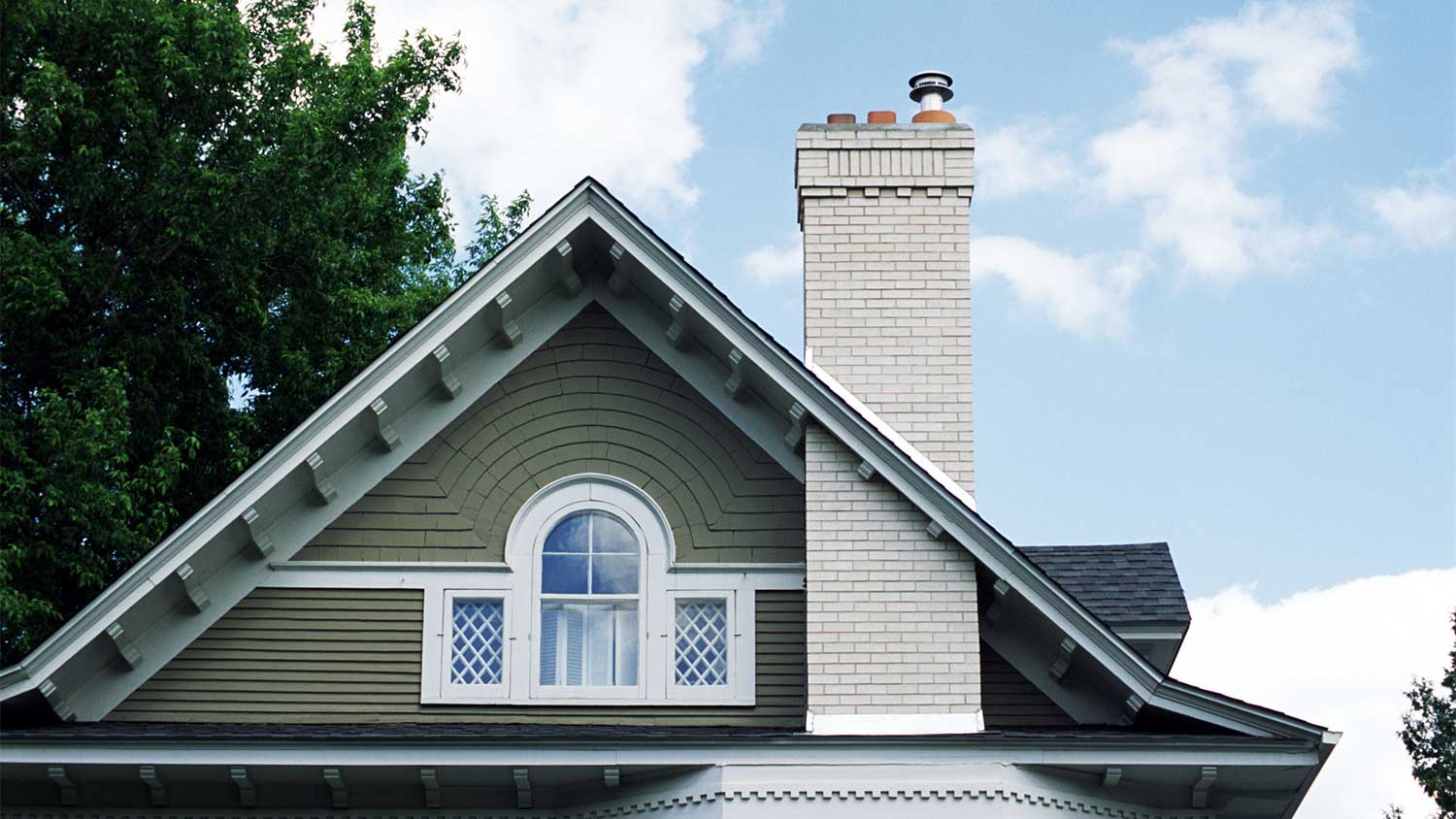
| Chimney | $395–$595 |
| Trees | $200–$595 |
Some types of hornets and wasps are more aggressive than others, so call a professional exterminator if you spot a nest in your yard that's bigger than a fist. Don't hesitate to take pest control action to prevent the infestation from growing.

From sprays to full-on nest removal, you can choose between a few wasp nest removal methods.
| Wasp Nest Removal Method | Minimum Cost | Description |
|---|---|---|
| Aerosol | $125 | Budget-friendly choice for hanging wasp nests |
| Dusting | $200 | Targets wasps that build underground nests with a powdered pesticide |
| Vacuuming | $250 | Ideal approach for wasps that have infiltrated your home |
| Extermination | $350 | Best and quickest for aggressive wasps, very large hives, or wasps causing home damage |

Not all wasps are the same. The three most common types of wasps include yellowjackets, hornets, and paper wasps, each with their preferred method of building nests. Bald-faced hornet and yellow jacket removal costs are the highest, and removing more docile species, like paper wasps, costs the least.
Houston, TX, is home to a wide variety of wasps, including paper wasps, red wasps, mud daubers, yellow jackets, and bald-faced hornets. These wasps have varying life cycles, which, coupled with the warm climate, mean you could be dealing with wasps from February through October.
Here’s what you can expect to pay for wasp nest removal based on the type of wasp.
| Wasp Type | Description | Average Cost Range |
|---|---|---|
| Yellow jackets | Hides hives underground; aggressive; moderate-sized nest | $495–$740 |
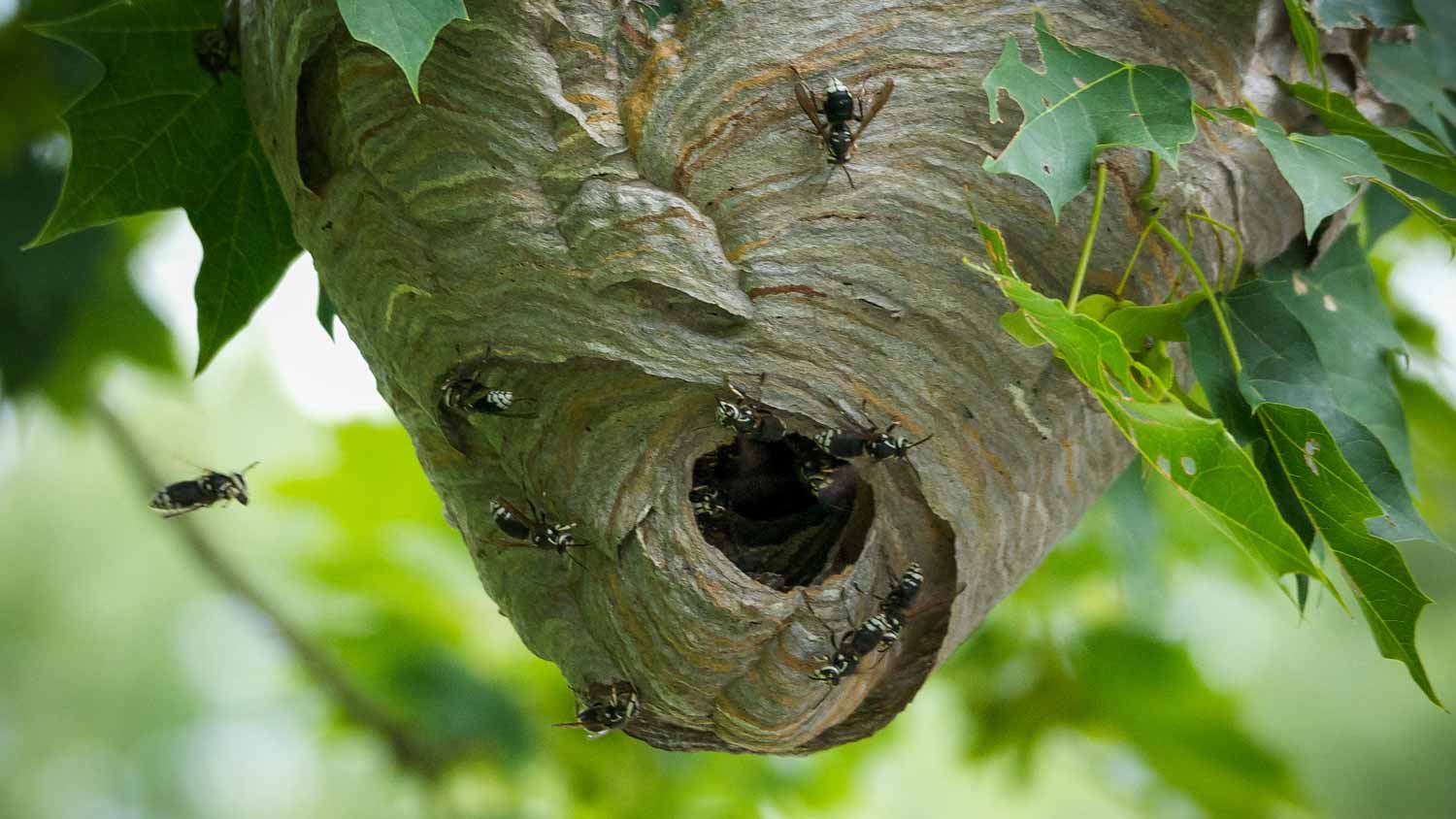
| Hornets | Nest is football-shaped and hangs from a tree; aggressive when nest is nearby | $300–$395 |
| Paper wasps | Not aggressive; nest is papery and umbrella-shaped with a single comb of cells | $100–$200 |
| Mud dauber | Nests are made of mud and tube-shaped; not aggressive; construct nests in human-frequented areas | $300–$395 |
| Red wasps | Don’t sting unprovoked; nest is umbrella-shaped and attached to a structure by a single strand | $310–$395 |
| Bald-faced hornets | Nest is gray or brown and football-shaped; hangs from a tree branch or other vertical surface | $620–$740 |
Houston, TX, comes with a diverse range of wasps and hornets, and each species has its own way of building and protecting its nest. Rather than attempting to spray or trap these pests yourself—and risk some nasty, painful stings—hire a local pest control service in Houston, TX. The pros know how to identify wasps properly (even those that look nearly identical) and effectively remove their nests.
Pros in Houston, TX, charge a flat rate for wasp nest removal, and most of the cost is for the labor itself. Because wasp nest removal often takes an hour or less, you’re not likely to see an hourly breakdown unless you have a huge infestation or multiple different wasp types to deal with.
Pest removal pros must be licensed by the Texas Department of Agriculture. Check for either a Structural Pest Control Applicator or a Pesticide Applicator license when gathering quotes from potential pest control services.
Wasp nest removal doesn’t directly increase home value, but it does help preserve your property value, especially if you’re actively trying to sell. Buyers don’t want to deal with an ongoing wasp or hornet infestation, and these pests can do structural damage to your home the longer they’re left to grow their colonies and nests. Regardless of whether you’re selling your home today or years in the future, wasp removal ensures you can enjoy your outdoor spaces without fear of piercing stings, a feeling that’s ultimately priceless.
To help homeowners plan their next project, Angi provides readers with carefully researched cost data and upholds strict editorial standards. We start with national average project costs, which we collect by analyzing competitor information, retailer material costs, and input from professional contractors. We then apply local price index data to calculate location-specific estimates that reflect what homeowners typically pay in their local area. To do that, we use data from the U.S. Bureau of Economic Analysis (BEA), including its Regional Price Parities (RPPs), which measure price differences across cities. This helps us account for differences in labor, materials, and overall cost of living, so estimates in higher- or lower-cost areas better reflect real-world local pricing.
Every estimate undergoes a thorough editorial review to verify accuracy, consistency, and alignment with observed market conditions.
Want to help us improve our cost data? Send us a recent project quote to [email protected]. Quotes and personal information will not be shared publicly.
Responsible Pet Control is the best! Unbelievable customer service and always on time. Would refer them to any and everyone.
 Responsible Pest Control LLC
I was very pleased with the results. They took the time to do a thorough job- much more than I expected and explained what they were doing and why. I would recommend them to anyone who had a pest problem.
 Home Company - Pest Control
Hunter came out today for our first pest control treatment with Bulwark and he was professional, efficient, and informative. He talked us through the whole process and was overall super helpful!
 Bulwark Exterminating, LLC
I hired John Moore for a two-fold problem I was having. I needed a fogging treatment for mosquitoes and gnats and I also had pest control done for crawling insects. From past experience with flying insects another treatment is necessary and has been scheduled. So far the situation is...
 John Moore Pest Control, LLC
R4 Green Houston, LLC demonstrated top-notch expertise when treating a severe cockroach infestation in my apartment. Their technicians used advanced methods to eradicate the pests and prevent future outbreaks. I was impressed by their knowledge and skill, and I would highly recommend their...
Very professional and knowledgeable. We did a lot of comparing companies in Houston for quality, price and who we felt we could truly trust. Hands down All-Pro Pest Control is the best company. Would highly recommend to anyone.
 All-Pro Pest Control
Owner Blair is very knowledgeable, personable and professional. I highly recommend their pest control services.
 GreenForce Pest Solutions
When I called to set up an appointment for pest control, Brandon answered the phone and was very friendly, patient, and helpful. I look forward to getting our first treatment
 Berrett Pest Control
I had a really positive experience with Howard and All-Pro Pest Control. He was very knowledgeable, responsive, and took care of my issue quickly for a reasonable price. I would recommend this company to anyone!
 All-Pro Pest Control
Howard responded quickly to our call. He came, correctly identified the type of termites and professionally treated our house inside and out. Another pest control person came for an evaluation after Howard's initial visit and lauded Howard/All-Pro Pest Control for accurately identify these...
 All-Pro Pest Control
From average costs to expert advice, get all the answers you need to get your job done.
Find out the average bat removal cost in Houston, TX. Learn what you can expect to pay for local wildlife control and safely exclude bats from your home.
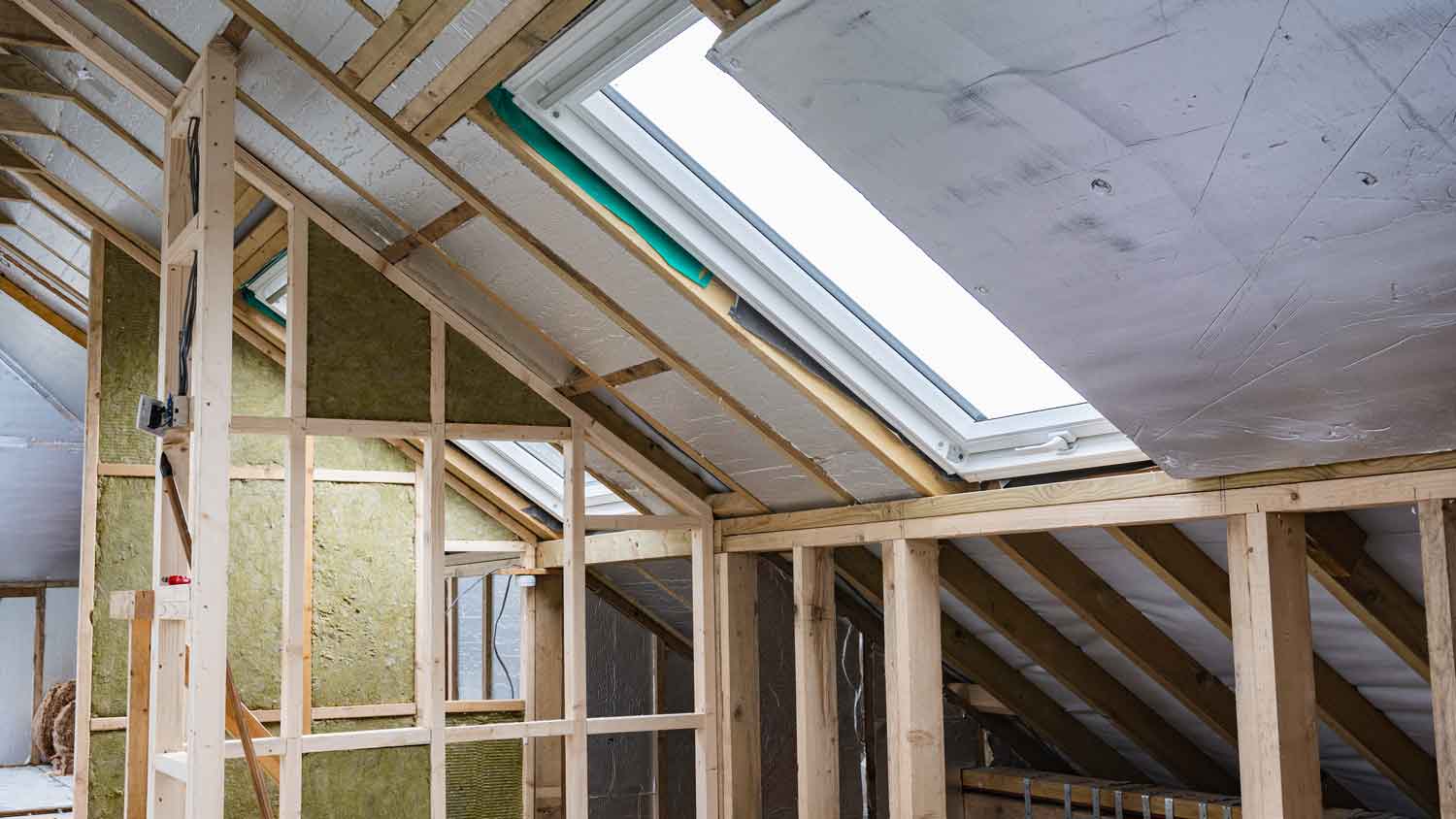
Asbestos removal costs vary based on location, the size of the job, and if there is any underlying damage. Learn what has the biggest effect on the cost in Houston, TX.
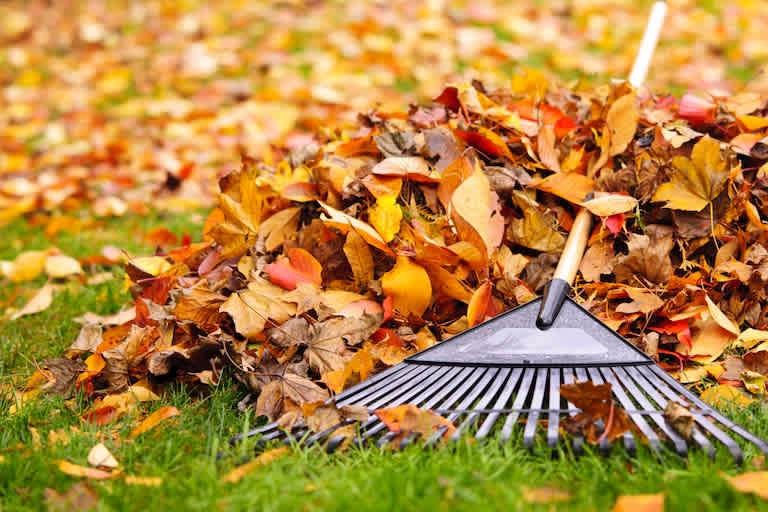
Find the average leaf removal cost in Houston, TX. Learn what you can expect to pay for local yard clean-up services and get your lawn ready for the season.
Wasps are a pain to share space with, but you have options for removal. While it’s best to call a pro, here’s how to get rid of wasp nests the DIY way.
No one wants wasps setting up shop in their yard but that doesn’t mean you should try to DIY their removal. Here are five reasons to leave wasp removal to the professionals.

Nobody wants to tangle with wasps on their property, as these insects sting with extreme prejudice. Here’s how to get rid of wasps safely and for good.