
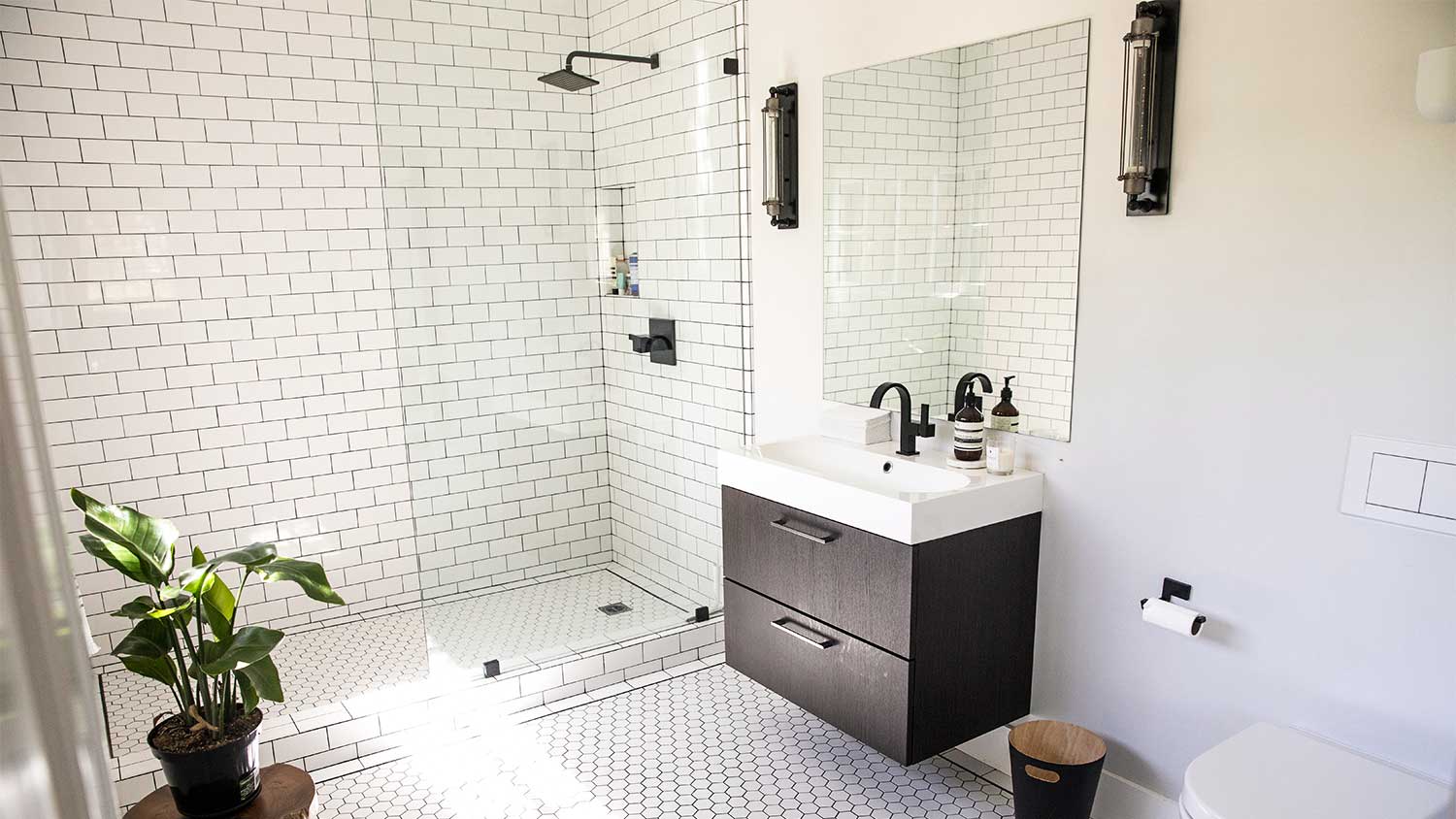
Thinking of getting rid of that old bathtub and replacing it with a walk-in shower? Use our cost guide to calculate walk-in shower costs in Baltimore, MD.
Kitchen and bathroom remodel costs depend on your project and location. Check with a local pro for your specific job.

In Washington, D.C., prefabricated showers cost $762 to $3,267, while custom installations cost $4,574 to $9,257.
The material also affects costs, with fiberglass inserts being the least expensive and stone being the priciest.
Professional installation costs $436 to $2,178 (not including the cost of tiling, plumbing, or electrical work).
Hiring a shower conversion pro in Washington, D.C., provides reliable help with the installation and saves you time.
The average walk-in shower cost in Washington, D.C., is $9,801, but project totals often range from $6,534 to $13,068. If you’re planning to install a new walk-in shower in the nation’s capital, your final cost will ultimately depend on the shower’s size, material, and a handful of other factors. Let’s walk through them.
Whether you opt for a small prefabricated shower or a large custom one, here are the main cost factors involved in installing a walk-in shower in Washington, D.C.
Like most projects, the larger your shower, the more it will cost. If you don’t choose a prefabricated shower, you’ll have to decide on dimensions. A snug shower is 32-by-32 inches, and the most common walk-in shower size is 36-by-36 inches (the minimum accessible walk-in shower size that complies with the Americans with Disabilities Act).
However, if you have the budget and available space, talk with your pro about designing a bigger, luxury walk-in shower. Here’s what you might pay to install a walk-in shower of different sizes.
| Walk-In Shower Dimensions | Average Cost Range |
|---|---|
| 32-by-32 inches | $871–$3,267 |
| 36-by-36 inches | $1,089–$5,881 |
| 48-by-36 inches | $2,178–$7,623 |
| 60-by-30 inches | $1,089–$5,445 |
| 60-by-42 inches | $2,178–$10,890 |
Shower conversions can be complex and may require a contractor to remove a wall back to the studs to ensure the entire area is waterproof. This could reveal hidden, costly plumbing challenges, so make sure you have extra space in the budget if you're planning a shower conversion.

Higher-end materials will increase your walk-in shower installation cost. If you’re going with a custom shower, you have a larger range of options, but something like cultured marble will cost more than tile.
Here’s how your walk-in shower material will affect its price.
| Walk-In Shower Material | Average Cost Range |
|---|---|
| Acrylic insert | $545–$2,178 |
| Fiberglass insert | $436–$2,178 |
| Tile | $2–$19 per square foot |
| Marble | $11–$38 per square foot |
| Cultured granite, Corian, and other stones | $44–$71 per square foot |

Walk-in shower costs are largely dictated by the type of shower you choose. You’ll almost always spend less on a prefabricated kit than on a custom walk-in shower, which will often be larger and more complex in design. Which type works best for your home depends on your needs and budget.
| Walk-In Shower Type | Average Cost Range | Description |
|---|---|---|
| Prefabricated | $762–$3,267 | Lightweight and simple to install, budget-friendly installation, costly to repair |
| Custom | $4,574–$9,257 | Limitless options for size and layout, complex installation, expensive to install |
Aside from the cost of the shower itself, there are a few additional expenses to consider when budgeting for this project.
On average, tub and shower conversion pros in Washington, D.C., charge between $436 and $2,178 to install a walk-in shower (not including the cost of materials). If you have a complex or custom project, expect to pay more.
Depending on the specifics of your job, you might need to hire other pros, too. These include:
Plumber: In the nation’s capital, adding new plumbing for a shower costs an additional $653 to $1,742. For new builds, rough-in plumbing costs an average of $7,623 in Washington, D.C.
Tiling contractor: Tile pros can charge by the hour or by project size. On average, though, tile installation costs between $33 and $131 per hour or $3 to $16 per square foot.
Electrician: Be sure to bring in an electrician if your project requires electrical work (like installing a ceiling light or bathroom exhaust fan). Washington, D.C., electricians cost $54 to $109 per hour to hire.
In Washington, D.C., you’ll need an Alteration and Repair Permit before beginning a bathroom renovation project. Permit costs depend on the value of the construction work, but for an average-priced walk-in shower installation, you’d pay around $250 for this type of permit.
If you sell your house, a new walk-in shower can make it more appealing to buyers—which could boost your sales price. However, the exact return on investment (ROI) for this project will depend on a few factors, including the age of your current bathtub or shower and how many other bathrooms you have in your house.
For example, converting a bathtub to a walk-in shower offers an ROI of 60%. But keep in mind that some buyers want both a bathtub and a shower in their home (especially if they have kids or pets). For that reason, a tub-to-shower conversion is often best if you have another bathtub elsewhere in your house.
To help homeowners plan their next project, Angi provides readers with carefully researched cost data and upholds strict editorial standards. We start with national average project costs, which we collect by analyzing competitor information, retailer material costs, and input from professional contractors. We then apply local price index data to calculate location-specific estimates that reflect what homeowners typically pay in their local area. To do that, we use data from the U.S. Bureau of Economic Analysis (BEA), including its Regional Price Parities (RPPs), which measure price differences across cities. This helps us account for differences in labor, materials, and overall cost of living, so estimates in higher- or lower-cost areas better reflect real-world local pricing.
Every estimate undergoes a thorough editorial review to verify accuracy, consistency, and alignment with observed market conditions.
Want to help us improve our cost data? Send us a recent project quote to [email protected]. Quotes and personal information will not be shared publicly.
First project—front entrance, concrete steps and border. Project went so well we hired them for kitchen remodel. Received great guidance in what would make kitchen look good and maximize our budget. Highly recommend this company for your home improvement needs.
 Riveras Construction LLC
Contractor did an amazing job renovating 2 bathrooms and kitchen. Fast, efficient, and reliable. They got the job done and more. Highly recommended.
 Kingcaire Construction LLC
I recently worked with Next Level Remodeling on a kitchen renovation, and I couldn?t be happier with the results! From the start, their team was professional, attentive, and truly understood my vision. The design process was smooth, with helpful suggestions that improved both functionality...
 Next Level Remodeling, LLC
Queen Construction LLC did an outstanding work in renovating my kitchen a bathroom. With one of the best prices in the market around the D M V - I’m very satisfied with the work they have done in my house. Thumbs up. W
 Queen Construction LLC
I highly recommend Sonia and Marcelo from SMDO design. I thought they did an amazing job with our kitchen and bathroom remodel. They knocked down kitchen and dining room walls to create a really open and more modern floor plan. We love it!! We only had one issue, they didn't properly seal...
 SMDO Design
The final project turned out so well!! (Bathroom remodeling) Great quality! I appreciated the consistent and timely communication as well. Iâ ll definitely be recommending!
 Georgetown Kitchen and Bath
Remodeling may be challenging and overwhelmingâ ¦ MTwo Interior Design came along and I felt relieved. The recommendations for the design and combination of materials made the project easier and enjoyable. The work was completed within schedule and to my entire satisfaction. I am loving my...
 MTwo Interior Design
Comprehensive bathroom remodel significantly boosted our home's value for resale. The contractor's attention to detail, timely completion, and quality work exceeded expectations. Highly recommend for home improvement projects.
 Trio Homes LLC
this firm recently completed a minor remodeling in my condo plus a major renovation of my kitchen. They were on time and under budget. Their employees are super talented and conscientious. The quality of workmanship was superb, and I would definitely use them again for future projects. The...
 Remodel Washington DC
Matt and his team recently retiled the floor in a bathroom, fully remodeled a second bathroom, and constructed a first floor bedroom with a private bathroom and walk-in tub. His team does quality work at a fair price. You wonâ t go wrong hiring this company for your home remodeling needs.
 Quest 1 Construction & Remodeling
From average costs to expert advice, get all the answers you need to get your job done.
Thinking of getting rid of that old bathtub and replacing it with a walk-in shower? Use our cost guide to calculate walk-in shower costs in Baltimore, MD.
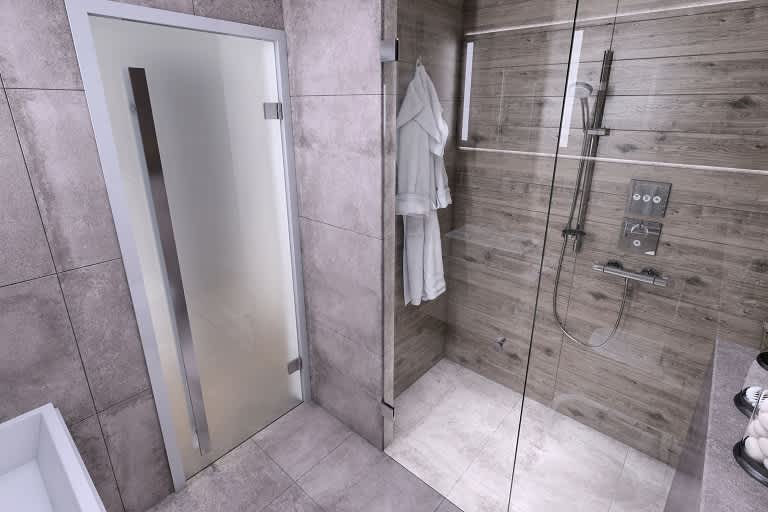
Various factors affect the total tub-to-shower conversion cost in Washington, D.C., including the size of the area, type of shower, materials, and labor fees.
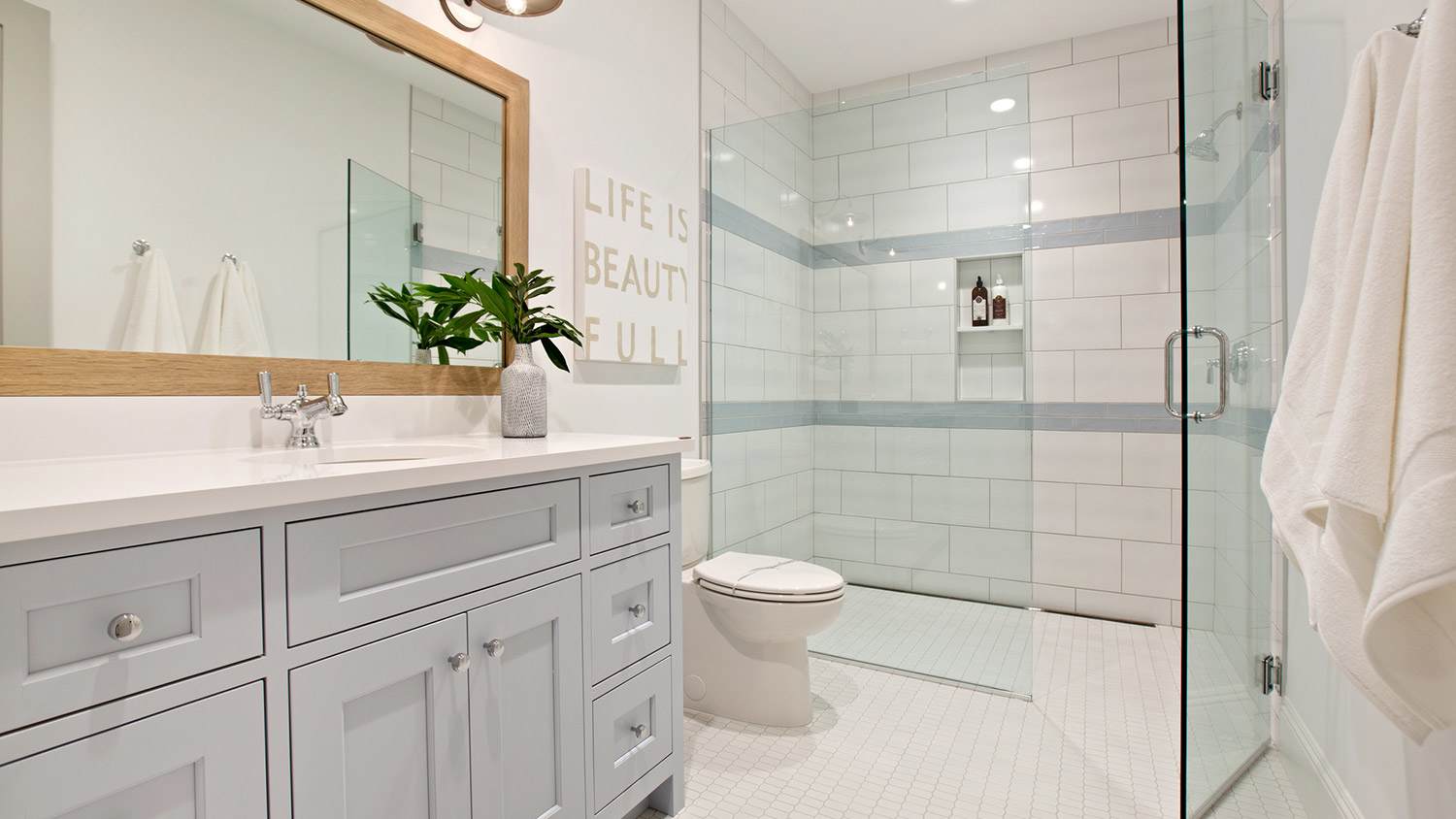
Shower installation costs in Washington, D.C. depend on size, style, and materials. No matter the budget, this guide can help you plan your project and even save a few bucks.
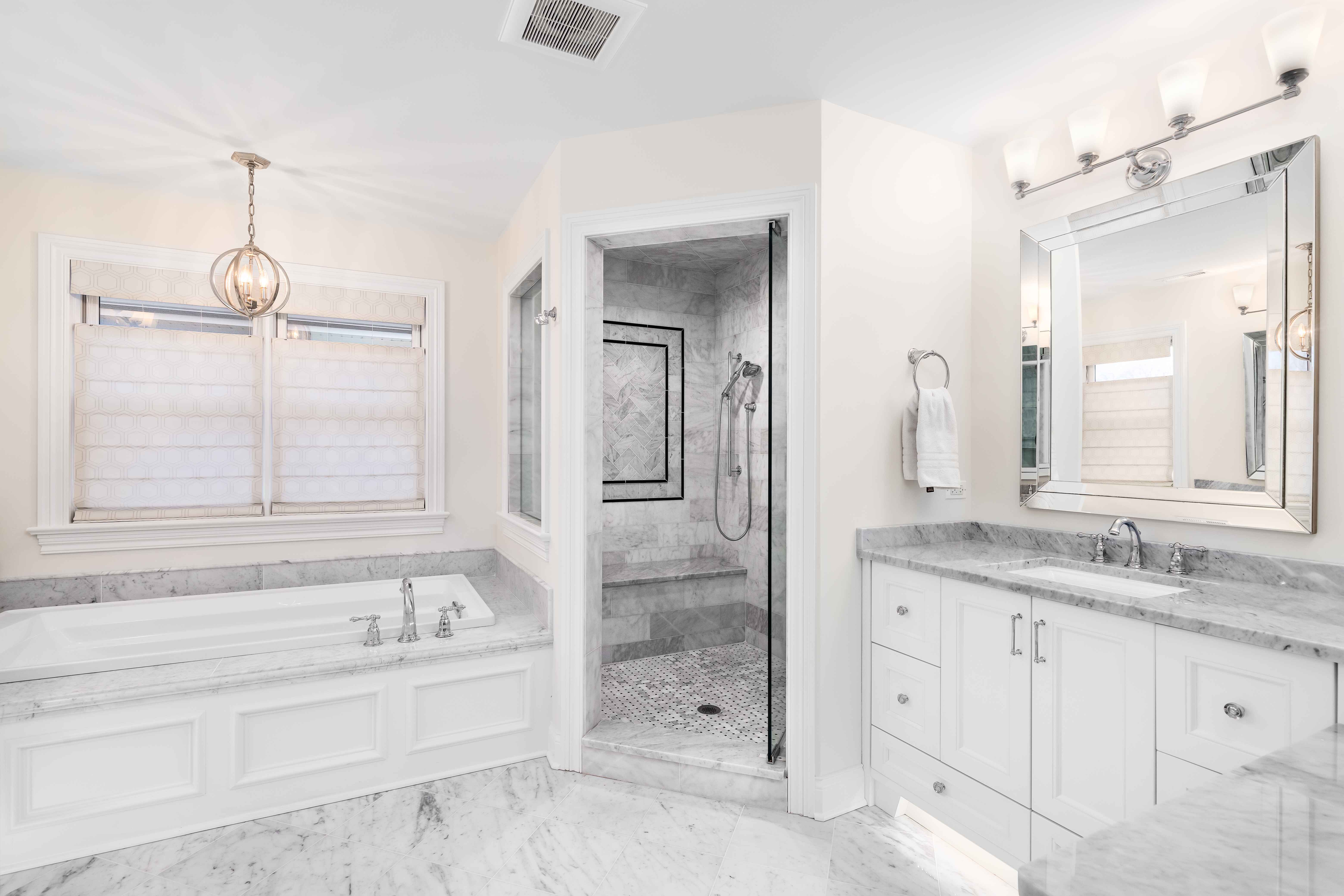
Curious how much a shower remodel costs in Washington, DC? From new fixtures to full installations, we have the prices you need to know to establish a shower remodel budget.
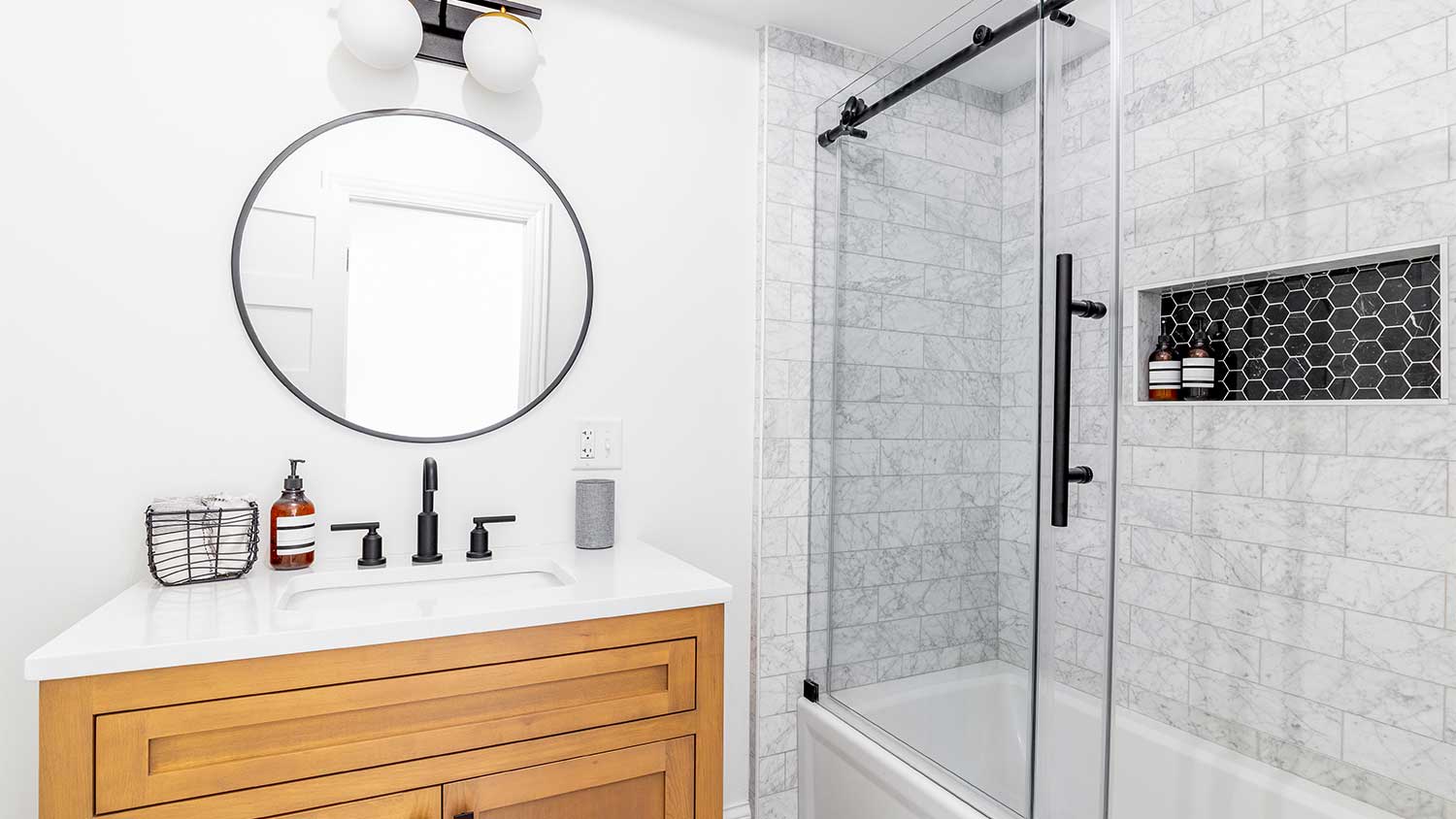
Tiling a shower is an investment in the look and function of your home. This guide explains the factors behind the cost to tile a shower in Washington, D.C.
Shower installation costs in Baltimore, MD depend on size, style, and materials. No matter the budget, this guide can help you plan your project and even save a few bucks.