

•
Find out the average beam installation cost in Boston, MA. Learn what you can expect to pay for materials, labor, and a structural engineer for your project.
Structural engineering costs depend on your project and location. Check with a local pro for your specific job.

Structural engineer costs in Boston, MA, range from $145 to $175 per hour or $3,000 to $10,000 per project, with higher fees for aging foundation inspections and stamped plans.
Historic Boston neighborhoods frequently raise total project fees to $1,200 to $1,500 or more due to foundation issues, tight access, and required time-consuming evaluations.
Larger structural jobs, such as beam replacements or wall removals, can drive engineer fees to $5,000 to $12,000 because of extensive calculations and multi-story complexity.
As a historic, higher-cost-of-living city, homeowners in Boston, Massachusetts, should plan carefully when budgeting for structural engineering services. Hiring a structural engineer in Boston costs $766 on average, with most projects ranging from $285 to $1,273.
Many Boston properties, especially older brick rowhouses, triple-deckers, and Beacon Hill or Back Bay brownstones, often require specialized assessments due to aging foundations and complex load paths. Explore below to understand what you can expect to pay in this market.
Boston, Massachusetts, homeowners can expect costs to vary based on fee structure, project complexity, inspection type, and required plans, especially in older buildings where evaluating signs of structural damage often demands more time and expertise.
When hiring a structural engineer in Boston, you will pay per project, per hour, or per square foot. If your engineer charges by the project, they may either charge a flat fee or a percentage of the entire renovation cost or the cost to build a house. The type of billing depends on the professional and the exact scope of work requested.
| Price Structure | Average Cost |
|---|---|
| Per project (fee) | $3,000–$10,000 |
| Per project (%) | 1%–8% |
| Per hour | $145–$175 |
| Per square foot | $1.50–$6 |
The cost of a structural engineer for a home inspection will also vary based on the complexity of your project. If you’re just building an add-on to your existing home, your engineer will have minimal work to do to ensure the addition is safe.
If you’re instead altering your roof structure, replacing standard beams with more supportive steel I-beams to open up your space, or removing load-bearing walls, your engineer will have more work to do and will charge more accordingly. Custom new construction projects are the most involved and will be the most expensive.

When working with a structural engineer, an inspection is the first step—and may also be the only step, depending on why you’re hiring them. A structural engineer in Boston charges $750 to $1,300 for a standard structural inspection, with most full structural reports landing $900 to $1,500, depending on home size, age, and complexity.
Your structural engineer inspection cost will likely reach $1,600 or more if you’re having your professional perform a foundation inspection for foundational cracks, bowing foundation walls, wavy rooflines, or sagging or squeaky floors.
| Type of Inspection | Average Cost |
|---|---|
| Beams/joists/trusses | $450–$700 |
| Buying or selling a home | $800–$1,200 |
| Foundation damage | $700–$1,500 |
| Home remodel | $900–$2,000 |
| Load-bearing walls | $450–$800 |
| New construction | $600–$1,100 |
| Storm damage | $700–$1,500 |
Engineer plans are the drawings that detail the construction project, and in the case of new construction, they’re the plans that an architect and builder will work off of to construct your home safely.
The engineer plans themselves, and the process to produce them will cost you anywhere from $1,000 to $6,000, depending on the scope of the project. The cost can be much higher for more complex, large-scale projects, sometimes reaching 45% of the engineering budget. It’s a good idea to budget an additional $300 to $700 for revisions in case you want to make changes after the first round of drafting. Additional revisions after that point will cost the same amount.
Below, we've included some average pricing for standard drawings you might request from a structural engineer:
| Drawing Type | Average Cost |
|---|---|
| Commercial construction | $7,000–$120,000 |
| Home add-on or bump-out | $2,500–$7,000 |
| Major home renovation | $3,000–$8,000 |
| New construction | $3,000–$12,000 |
| Outbuilding construction | $1,000–$10,000 |
In Boston, Massachusetts, additional structural engineering expenses often stem from local labor rates, permitting expectations, and the level of documentation required for older homes and tightly regulated neighborhoods. Understanding these extra costs helps you budget more accurately for complex or historic Boston properties.
Labor rates in the city range from $145 to $200 per hour, but costs climb when engineers must evaluate aging brick foundations, tight South End basements, or difficult third-floor walkups. A professional structural engineer inspection in Boston may cost $200 to $400 more when additional onsite time, advanced testing, or return visits are required.
A standard PE stamp in Boston costs $150 to $400, but the price rises to $500 to $1,000 for stamped calculations involving load-bearing walls, multi-unit conversions, or major structural changes. Historic-district permits can also trigger added stamp fees if the city requires multiple revisions or resubmittals.
Boston homeowners don’t pay permit fees for a structural engineer’s inspection or stamped plans alone, but they do pay permit fees when the engineer’s findings lead to structural work. Any modification, such as removing a load-bearing wall, reinforcing framing, or repairing a foundation, requires a building permit from Boston ISD, with fees ranging from $50 to $200 or more for major structural work.
Massachusetts doesn’t charge sales tax on structural engineering services, so Boston homeowners won’t pay tax on inspections, reports, or PE-stamped plans. However, the state does apply its 6.25% sales tax to construction materials used in the structural work itself, such as lumber, steel beams, connectors, or concrete, once the project moves from engineering into physical repairs or modifications.
In most cases, this tax is handled by your contractor as part of the materials purchase rather than being paid directly by the homeowner.
Tipping isn’t customary, but some Boston homeowners offer $20 to $50 when engineers spend extra time navigating cramped basements, steep staircases, or snow-season access issues. For extensive, multi-hour assessments on older homes, gratuities occasionally reach $75 to $100, though they remain entirely optional.
Hiring a structural engineer doesn’t create a direct return on investment (ROI) on its own—your ROI depends on the project their expertise supports. In Boston, Massachusetts, projects such as a home addition can contribute to an overall project ROI of 20% to 50%, especially in older homes where added space and improved layouts are highly valued. If you’re hiring a structural engineer for a pre-purchase inspection or to evaluate storm-related foundation issues, the financial return is less direct, though their assessment can help you avoid costly surprises during negotiations.
Home is the most important place on earth, which is why Angi has helped more than 150 million homeowners transform their houses into homes they adore. To help homeowners with their next project, Angi provides readers with the most accurate cost data and upholds strict editorial standards. We survey real Angi customers about their project costs to develop the pricing data you see, so you can make the best decisions for you and your home. We pair this data with research from reputable sources, including the U.S. Bureau of Labor Statistics, academic journals, market studies, and interviews with industry experts—all to ensure our prices reflect real-world projects.
Want to help us improve our cost data? Send us a recent project quote to [email protected]. Quotes and personal information will not be shared publicly.
I highly recommend this company for any building project. They were reliable, organized, and paid close attention to every detail. The final result exceeded my expectations, and the entire experience was smooth and stress free.
 Decked Out Roofing and Construction Corp.
They Did an excellent job for me and they were right on time. The quality of work looks excellent and the price was excellent as well. I would recommend Efficient Masonry Construction, to anyone out there looking to solve that problem with their home. The employees were wonderful and very...
 Efficient Masonry Construction, Corp.
I received the name of John Hubert Roofing, Sommerville, Mass. from Home Advisors. "Jubert" promptly called me back and I sent him pictures and a lot of details on my small 850 square foot leaking rubber roof in the Back Bay of Boston, Mass. We had a few weather delays , but after...
 John Hubert Roofing & Home Improvement
Liam and Kevin were incredible professional and finished the job in record time! We were on a very tight timeline and they made themselves available to start and finish the project before our store opened. They had great suggestions and knowledge on what we could and could not do with the...
 Neary Construction
Incredibly well. Lenny and Mike spent several hours going over every inch of this property and recommended that we accompany them so they may explain WHAT is WHAT along the way. We learned quite a bit. Everything was going quite well. However, Lenny recommended that we enlist a structural...
 B-Sure Home Inspection
Wow, what a GREAT job by Junior and his team. A could not be more pleased by the quality of the workmanship, especially at the incredibly reasonable price! During the renovation some structural issues were discovered by the plumber and United was able to quickly increase the scope of the...
I contracted with Bert Murphy to work with the engineering firm (CBI) to document the poor workmanship and damage to the unit so I would have evidence when I got to court. Bert demolished the existing roof and replaced it and all of the underlying insulation material. Bert demolished the...
Aside from various small jobs, this was the first project where I used Swiss Appeal Carpentry. And now living with the final result, I am so happy that I chose Ben and his crew to do the job. Because of the complexity of the structure and the size of the project, the project took a few...
 Swiss Appeal Design + Construction
It was a pleasure having Express Remodeling Group as our contractors during our first renovation project. We felt like they were partners in the process, and we quickly came to develop an open, trusting relationship with Wagner and his team. Below is some specific feedback in various areas:...
 Express Remodeling Group, Inc.
Bill Boehm impressed me from his first visit to my condo. I had several architects come by as well as numerous contractors through the years, yet Bill was the first to understand the space in such a way where he was able to visualize a new design that highlighted the city views, took into...
From average costs to expert advice, get all the answers you need to get your job done.
Find out the average beam installation cost in Boston, MA. Learn what you can expect to pay for materials, labor, and a structural engineer for your project.
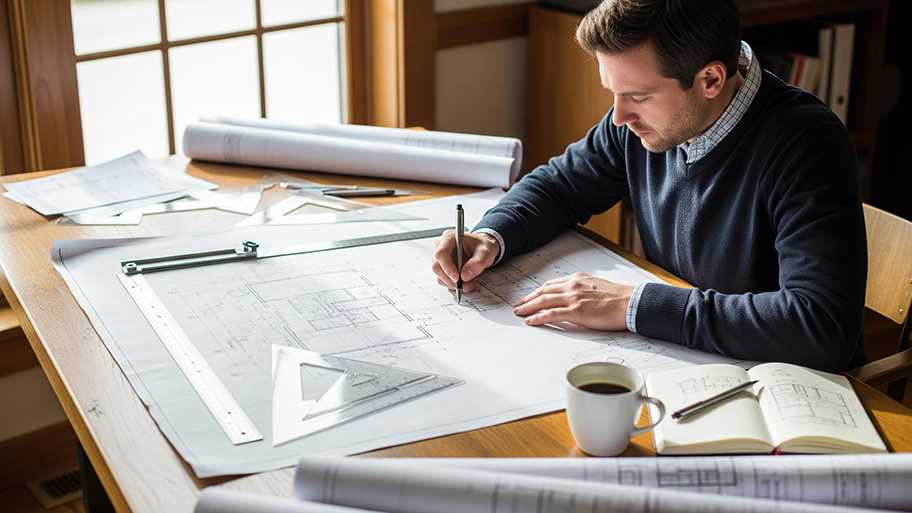
Find out the average blueprints cost in Boston, MA. Learn what you can expect to pay for local architectural plans and get your home build started right.
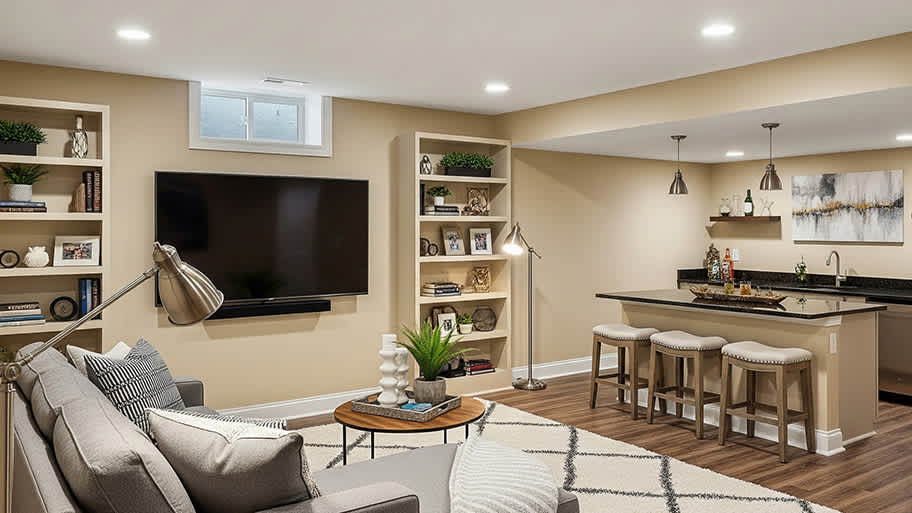
An unfinished basement has a lot of potential. So, how much does it cost to finish a basement in Boston, MA? Read on for all cost factors.
Spotting deep foundation cracks or sagging floors? Learn about structural engineering costs, serious warning signs, and how to hire the right local pro.

Identify potentially serious problems with your foundation with an inspection from a structural engineer.