

•
Get transparent shed repair cost info so you can learn average prices, cost factors, and ways to save on shed repairs for your home.
Hauling costs depend on your project and location. Check with a local pro for your specific job.

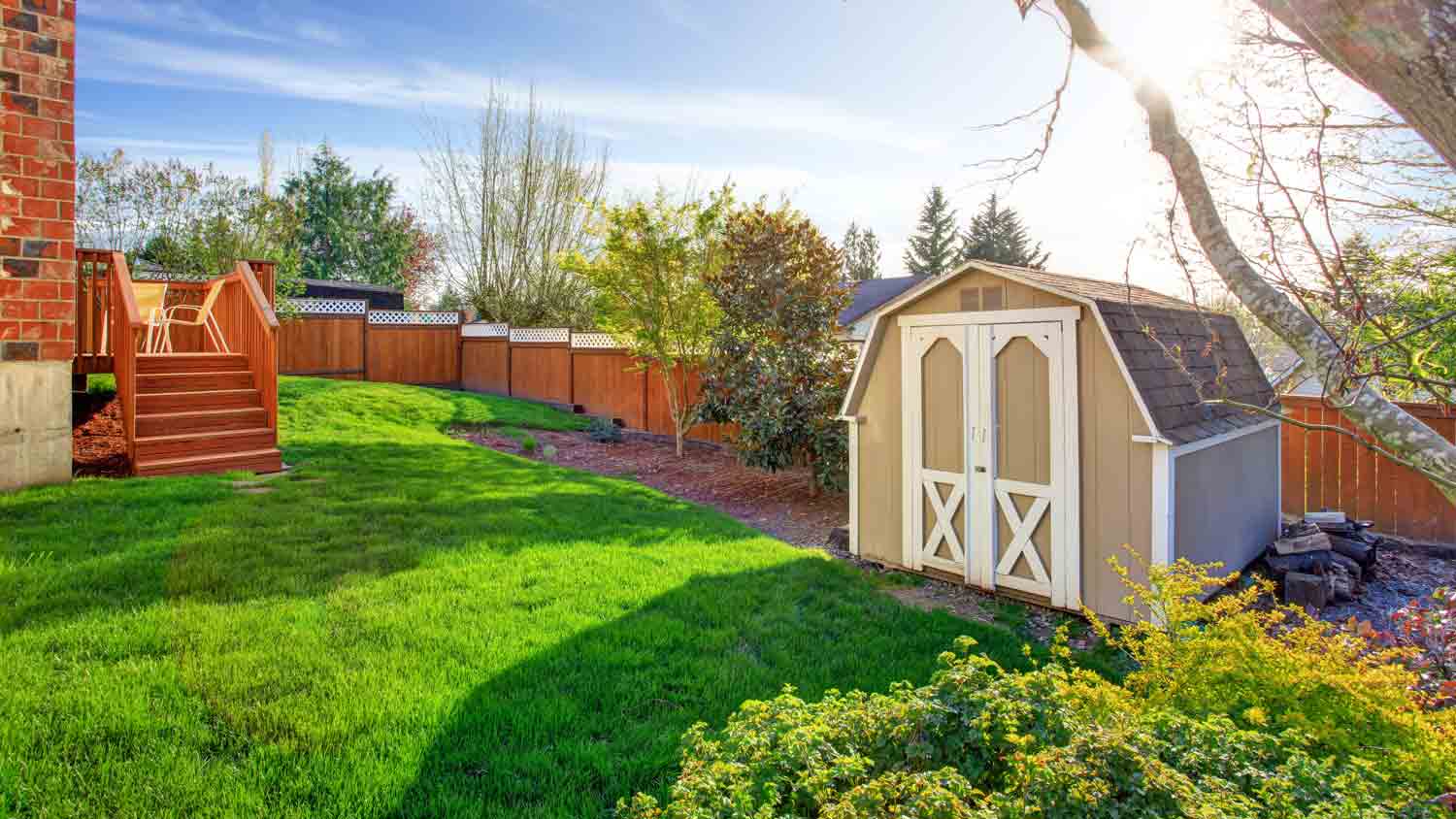
Professional shed removal costs $250 to $3,000 for your project, and your total depends on shed size and foundation type.
Your shed material and yard accessibility determine labor complexity, with metal sheds and narrow pathways requiring extra time and equipment.
Budget for disposal fees from $300 to $1,800, plus permits, utility disconnection, and yard cleanup after your shed is gone.
Hiring a local electrical professional ensures safe utility disconnection before dismantling and prevents shock risks and accidental property damage.
In 2026, professional shed removal costs $250 to $3,000, depending on shed size and foundation type. Key cost drivers include material type, yard accessibility, disposal fees from $300 to $1,800, and any permits or utility disconnection needed before work begins.

Several factors drive shed removal costs, including shed size, material, foundation type, and site accessibility. Understanding each variable helps you evaluate whether the quotes you receive are reasonable.
Shed removal costs range from $3.50 to $11.50 per square foot, with larger sheds requiring more labor, equipment, and disposal capacity. Many companies set a minimum flat-rate fee starting around $250, so a very small shed may cost more than the lower per-square-foot rate suggests. Here's what you can expect to pay for shed removal for some common shed sizes:
| Common Shed Size | Average Price Range in 2026 |
|---|---|
| 8’ x 6’ | $170–$550 |
| 10’ x 12’ | $420–$1,380 |
| 10’ x 16’ | $560–$1,840 |
| 12’ x 24’ | $1,000–$3,300 |
The material your shed is made from—wood, metal, or vinyl—directly affects removal complexity and cost. Metal sheds often cost more to remove because shifting large metal sheets demands additional labor and heavier materials carry higher disposal fees.
Salvaging and recycling materials from a wooden shed can also raise the price, since careful dismantling takes more time. Simple prefab sheds versus complex custom builds are generally faster and easier to bring down.
Where your shed sits on your property can affect what a removal company charges. A shed at the end of a long, narrow yard with limited vehicle access requires extra time and effort to haul dismantled sections to the truck. Ask your contractor up front whether difficult access will affect your quote.
Most shed removal contractors price by the square foot, but some bill hourly at $50 to $100 per hour. Clarifying the billing method before work begins helps you compare quotes accurately.
You're not required to tip your junk haulers, but it's a thoughtful gesture when the crew does exceptional work. A tip of $20 per worker is a reasonable amount if you're genuinely pleased with the job. You've already paid for the service, so there's no obligation.
Concrete removal costs around $2 to $6 per square foot. A concrete foundation adds significant cost to shed removal, since breaking it up and hauling it away requires more time, specialized tools, and greater disposal weight.
Get a separate line-item quote for foundation removal so you know exactly what you're paying for.
A deteriorating shed often costs more to remove than a structurally sound one, because sagging roofs and rotting frameworks increase the risk of collapse and require extra care during dismantling. Rusty metal sheds with sharp, exposed edges present similar safety challenges that add to labor time. Let your contractor assess the shed's condition before finalizing a quote.
The cost for a building permit typically ranges from $100 to $500, though a large shed with utilities and a concrete foundation may push that figure higher. Permit requirements for shed removal vary by state, but larger or utility-connected structures commonly require one before work can begin.
Check with your local building department before scheduling removal to avoid fines or project delays.
Sheds with electricity or plumbing must have those utilities safely disconnected before any dismantling begins. You'll likely need to hire an electrician or a plumber, and the cost to hire an electrician or a plumber runs $50 to $100 per hour. Budget for this service separately, as most shed removal companies do not include utility disconnection in their base quote.
Sheds built before 1970 with cement paneling or roofing may contain hazardous asbestos, and an inspection is essential before any removal work begins. Professional asbestos removal costs for outdoor projects range from $50 to $150 per square foot. Never attempt to disturb suspected asbestos materials yourself—licensed abatement professionals must handle this work.
Professional landscaping costs an average of $4.50 to $12 per square foot, depending on the scope of replanting or grading needed. Once your shed is removed, the cleared area often needs landscaping work to restore its appearance. Factor this into your overall budget before the shed comes down.
If your shed is full of items you want removed along with the structure, factor that into your budget from the start. Most removal companies will haul non-hazardous shed contents, but a larger load may require a bigger dumpster and additional time on site. Confirm with your contractor up front whether removal is included in the quote or billed separately.
Disposal fees for shed removal range from $300 to $1,800, depending on the size of the shed and the volume of debris hauled away. Some contractors bundle disposal into their project quote, while others bill for it separately. Always ask for a clear breakdown before signing a contract so you're not caught off guard by additional charges.
Where you live affects what you'll pay for shed removal, so calling local contractors to compare prices is a smart first step. Here are a few cost figures for shed removal in various parts of the U.S:
| State | Cost per Load in 2026 |
|---|---|
| Michigan | $150–$350 |
| Texas | $133–$372 |
| California | $660–$1010 |
| Illinois | $342.90–$527.54 |
Shed removal often comes with additional service costs that go beyond basic dismantling and hauling. Discussing these with your contractor before work begins helps you avoid unexpected charges. Some of the most common add-on costs you might face include:
Site cleanup cost ($100 to $1,100): There's a good chance your shed removal project will leave a mess. Depending on your situation, you may want to invest in yard cleanup services. The size of your yard and the amount of waste you have will determine what you'll pay.
Grading cost ($1,020 to $3,340): After removing your shed, you might require grading or leveling to ensure proper drainage, reduce the risk of soil erosion, and protect your home. Since grading is an extensive undertaking, it may run you a couple thousand dollars, especially if you have a larger yard.
Landscaping cost ($1,250 to $6,070): You might decide to give your yard a makeover after a shed gets removed. As a result, you may dish out some extra cash for landscaping. Of course, you'll pay to completely revamp your outdoor space than to simply add a few plants.

There are other ways to shave your shed removal costs other than trying to DIY the project. Below are some money-saving tips worth considering:
Shop Around: It pays to get quotes from multiple reputable junk removal companies offering shed dismantling services. Prices can vary considerably.
Sell Your Shed: If it is in good condition, you can make some money and have the buyer dismantle and remove it.
Salvage Materials: Sell reclaimed lumber and metal to timber merchants or scrap metal yards. Hold on to parts of the shed that these companies might collect and pay for.
Bulky Uplift: Local authorities often offer an annual free bulky uplift service. If you time your shed disposal with this service (and the materials fit within their remit), you will only have to pay for dismantling and not disposal.
Bulk Discount: By arranging other yard waste removal or getting rid of other bulky items simultaneously, you could make savings across the board.
If you've got the tools and the time, you can save by removing a shed yourself. However, you'll likely still have to pay for junk removal or rent a dumpster . Junk removal costs an average of $240, and dumpster rental costs an average of $380 per week.
Just like shed building , removal of these constructions isn't always a DIY job. Unless your shed is a small, basic construction or you are an old hand at these sorts of projects, calling in a professional junk removal service near you is a wise investment.
Removing a shed isn't always a simple DIY project. Here's why it's best to hire a pro for the job:
Professionals know how to dismantle and remove sheds safely while protecting your property.
DIY removals can lead to property damage, injury, and costly mistakes.
Shed removal pros know how to handle structural components, roofing, and fasteners.
Reputable pros offer insurance and proper disposal or recycling of materials.
If you want to help out with the process, focus on minor tasks like:
Clearing trees, shrubs, and outdoor furniture from around the shed
Empty your shed of tools, equipment, and storage before the removal
Assist with moving lightweight components once the pro has disassembled them
Organize debris and prepare it for pickup
Clean up the side after your shed has been removed
Let your pro know the size and location of your shed so they can determine the removal method required.
Ask about add-on services such as debris disposal, site cleanup, and shed construction.
Provide your pro with information about any obstacles, structures, or landscaping that could get in the way of removal.
Ask your pro about any permit or disposal fees that may increase your total cost.
Home is the most important place on earth, which is why Angi has helped more than 150 million homeowners transform their houses into homes they adore. To help homeowners with their next project, Angi provides readers with the most accurate cost data and upholds strict editorial standards. We extensively research project costs to develop the pricing data you see, so you can make the best decisions for you and your home. We rely on reputable sources, including the U.S. Bureau of Labor Statistics, academic journals, market studies, and interviews with industry experts—all to ensure our prices reflect real-world projects.
Want to help us improve our cost data? Send us a recent project quote to [email protected]. Quotes and personal information will not be shared publicly.
Absolutely amazing, Rob and his team are extremely efficient and professional. Pink Dumpster Rentals, Demolition, And Hauling is a go to for getting my property cleared up so we can pursue the upgrades we want to make on our home.
 Pink Dumpster Rentals, Demolition, And Hauling
I am very pleased with the services performed by OTS. Bless my late Mother, but she was a bit of a pack-rat. The basement of her home was crammed with 40+ years of "stuff," and the other companies I contacted were concerned with possible mold contamination of the items due to the musty smell...
They were very professional and quick in their response in getting my junk hauled away.
 Focus Cleaning
Russell Tree Experts came and gave me an estimate for the removal of a fairly large tree. Theirs was the best (least expensive) of 3 estimates so I decided to go with them. Later I realized there were limbs of other trees I would like removed so I had them come out again for another...
 Russell Tree Experts ltd
<p>I was anxious to replace my old, leaking water heater because once they start to leak, they can "blow up" at any moment, creating a huge and expensive mess. Once the heater I'd ordered from Lowe's arrived I got a call from Water Heaters Plus and we set up an install for Friday afternoon. ...
Excellent - Called for an estimate, found she could come that day after work. Met me at my home at the time promised, quickly appraised the job of hauling, gave me a quote, I agreed, her crew went to work, and in less than 1/2 hour everything was loaded and gone! (Even got down on their...
From average costs to expert advice, get all the answers you need to get your job done.
Get transparent shed repair cost info so you can learn average prices, cost factors, and ways to save on shed repairs for your home.
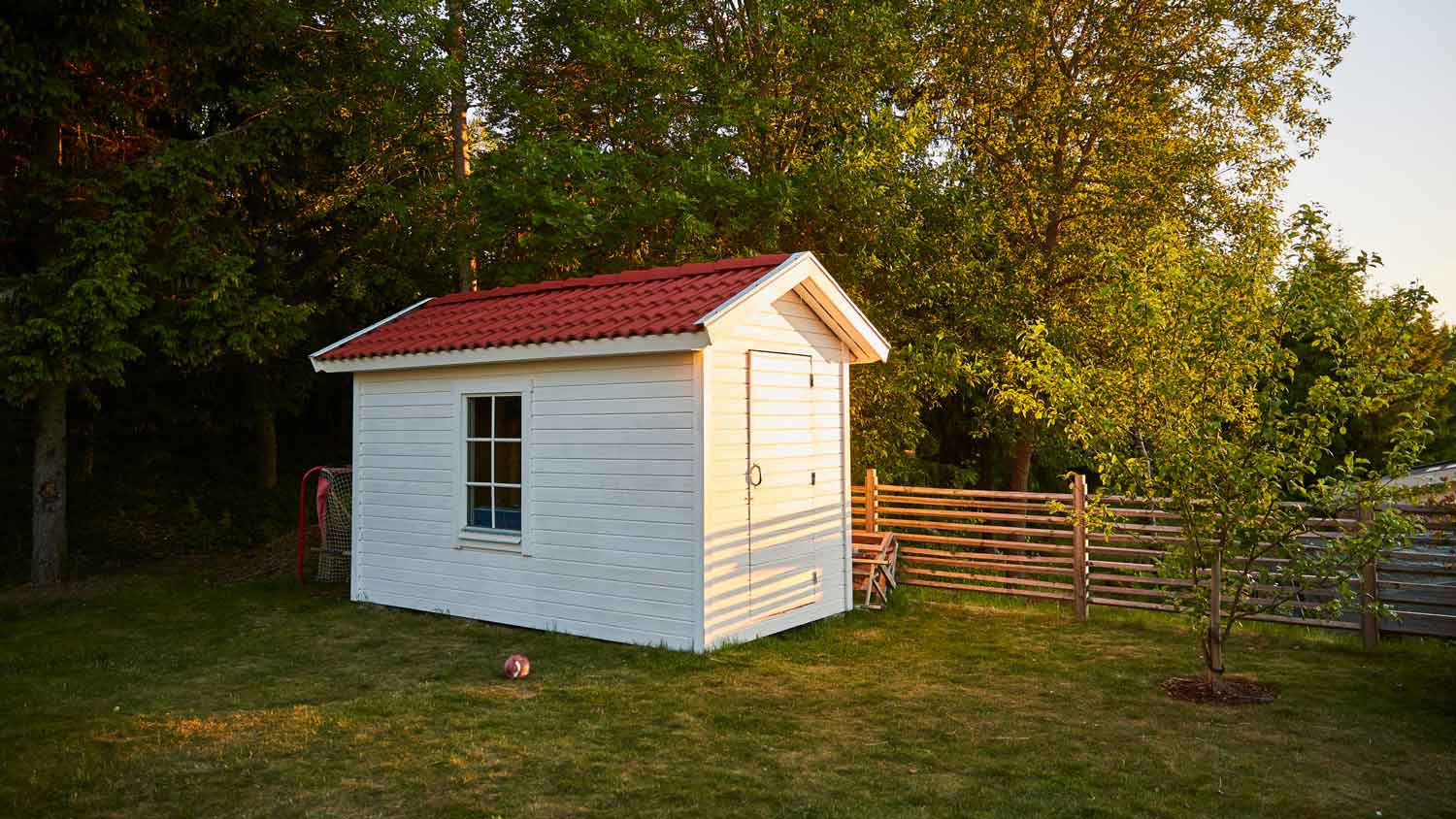
The cost to move a shed depends on size, the distance of your move, and more. Considering if you should hire pros or DIY? This guide can help you decide.
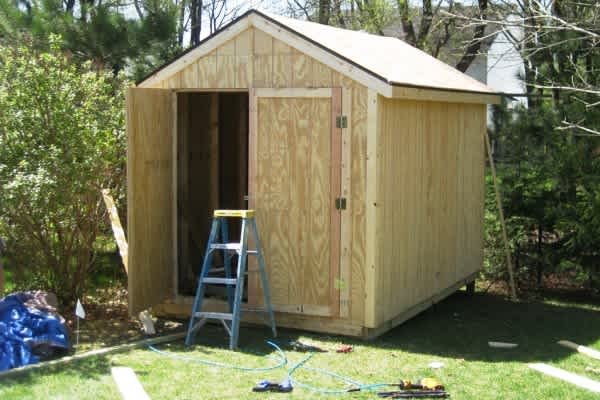
Building a shed adds storage space, provides protection for equipment, and can add living space. Shed costs depend on the size, materials, and amenities.
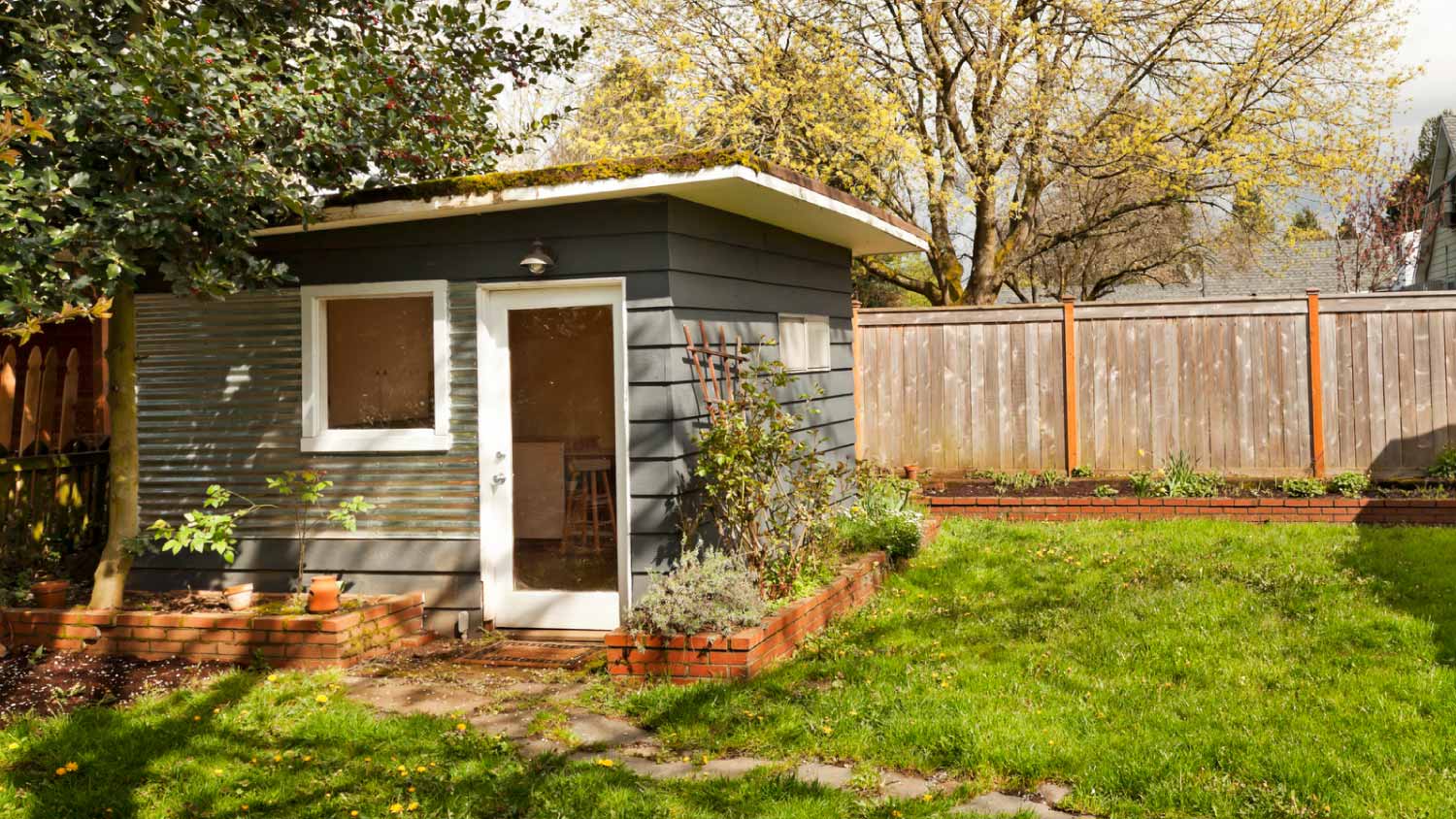
Wondering who to hire to build a shed? Compare shed builders, handymen, and contractors, then learn how to choose the right pro for your project.
Need to hire a shed repair pro? Learn how to find qualified contractors, ask the right questions, and get quality repairs for your outdoor storage structure.

Every shed will likely need a new roof at some point Learning how to build a shed roof engages your creative side, requires precision, and exercises several of your DIY skills.