

•
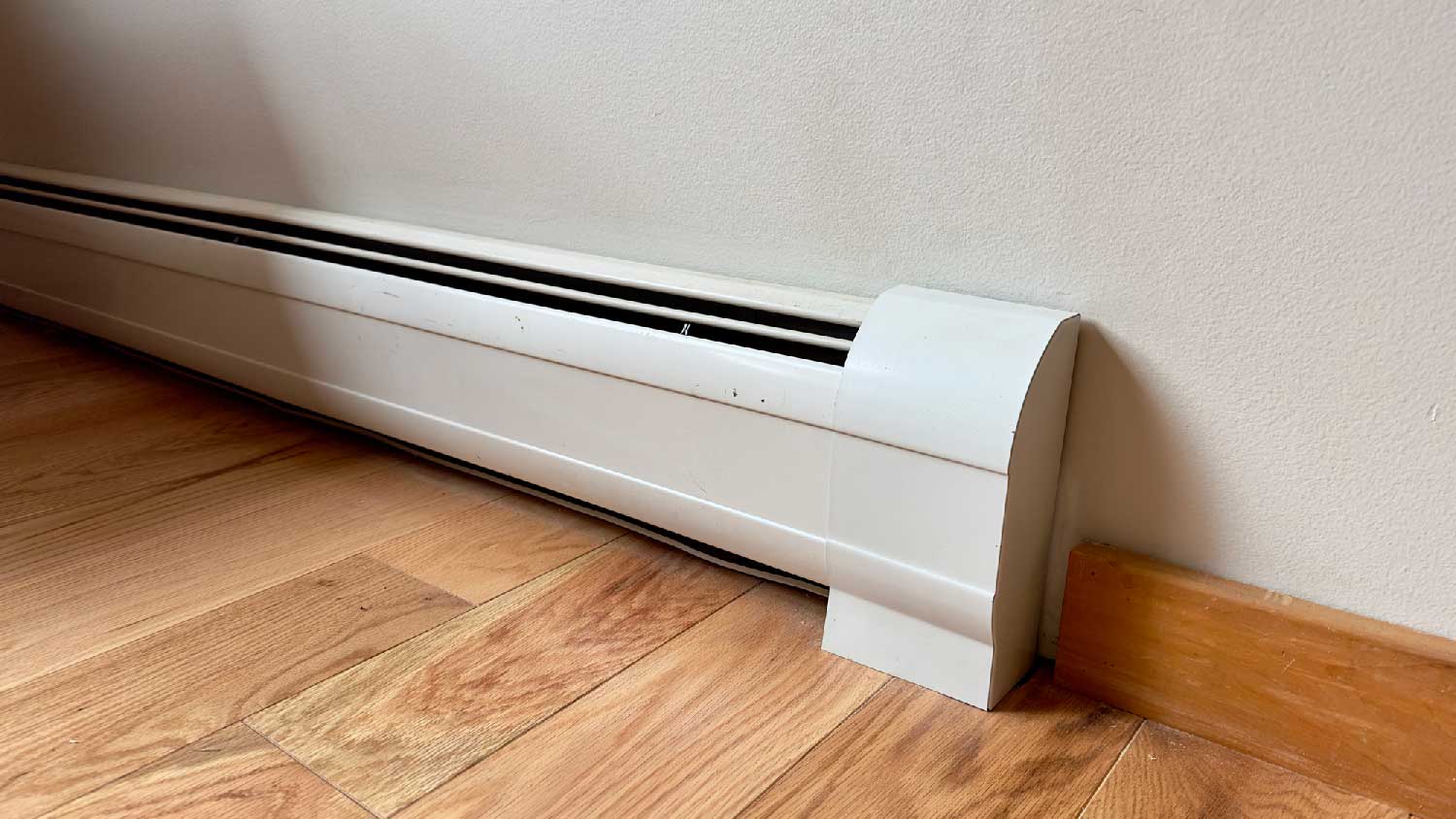
Discover the average wall heater installation cost, key price factors, and expert tips to help you budget and save on your next home heating project.
Contractor service costs depend on your project and location. Check with a local pro for your specific job.

Building a wall costs between $984 and $3,212, depending on your wall size, materials, and load-bearing needs.
Your material choice drives most costs, with drywall on the low end and stone or glass highest.
Your permit costs $150 to $300, and your budget should include wiring, insulation, soundproofing, and finishes.
Hiring a local general contractor keeps your home structurally sound and ensures your new wall meets local codes.
Whether you want to divide a room into two or put a wall in your open plan for privacy, building a wall will cost you between $984 and $3,212, with most homeowners paying $2,072 on average.
While installing a wall might seem easy to some people, it consists of many steps depending on the type of wall you want to build, such as framing, electrical work, and finishing.
| Wall Length (Linear Feet, by 8-Feet-Tall) | Average Cost Range |
|---|---|
| 10 | $200–$300 |
| 15 | $300–$450 |
| 20 | $400–$600 |
| 25 | $500–$750 |
| 35 | $700–$1,050 |
| 40 | $800–$1,200 |
The bigger the wall, the more expensive it is to build. The standard wall height is 8 feet tall, although you may need something taller or shorter. Once you figure out the wall length you need, just multiply it by the height to get the square footage.
You can expect a finished wall, including framing, drywall, and electrical, to cost around $20 to $30 per linear foot. Half-walls cost $10 to $20 per linear foot and are useful for dividing areas in bathrooms, kitchens, living rooms, and more.

The cost to install a wall varies depending on the material of the wall. Walls come in a wide range of materials, from brick, plaster, stone, and concrete.
| Material | Cost Per Square Foot |
|---|---|
| Drywall | $1.50–$3 |
| Plaster | $3–$10 |
| Glass | $25–$75 |
| Concrete | $10–$60 |
| Wood | $10–$40 |
| Stone or stone veneer | $15–$80 |
| Brick or brick veneer | $5–$45 |
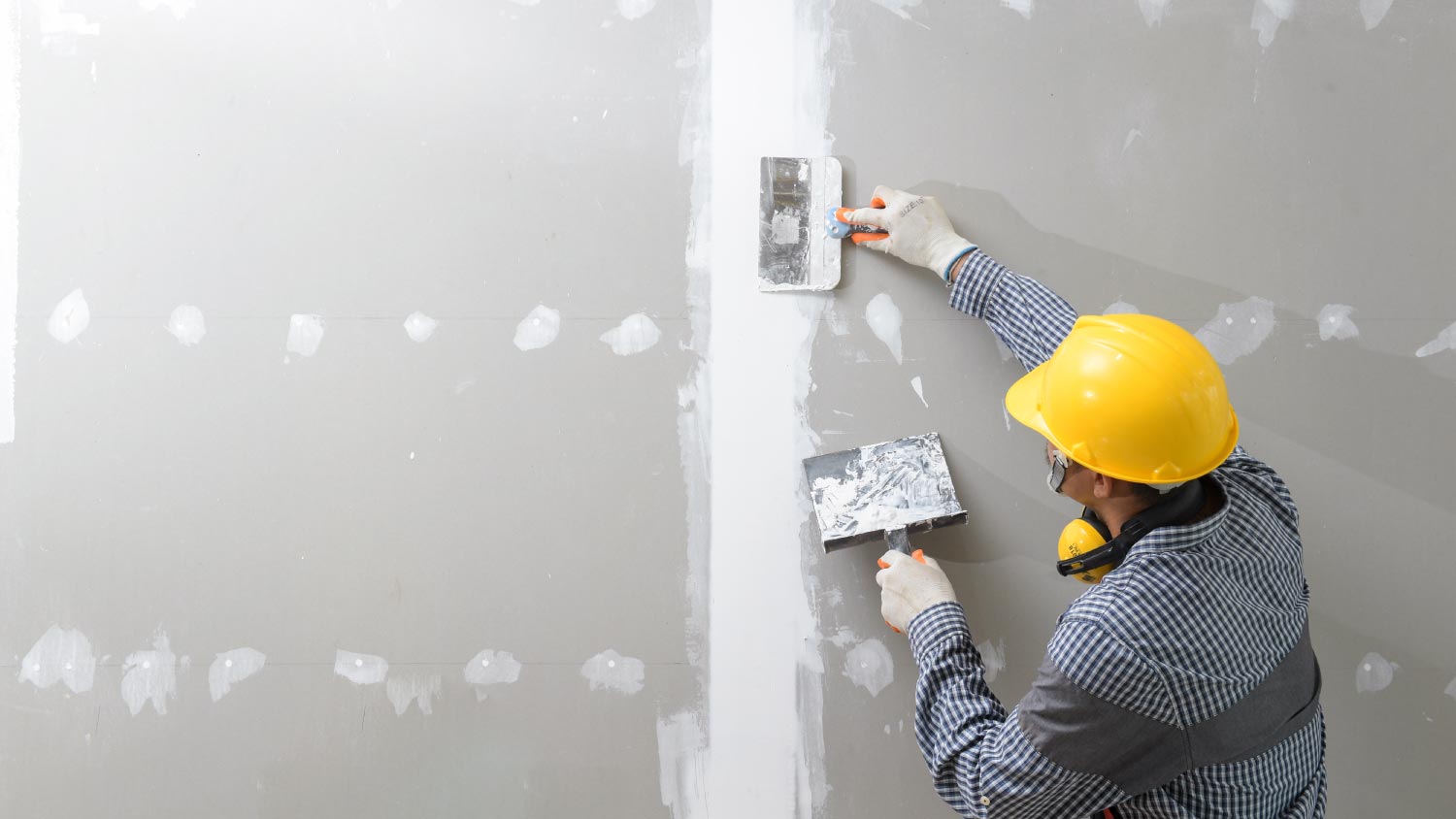
Drywall is the most common material for walls, consisting of boards made from material bonded to a gypsum plaster core. The price of building drywall runs between $1.50 to $3 per square foot. A typical panel is 4 feet by 8 feet or 32 square feet. Framing interior walls with drywall costs $20 to $30 per linear foot.
Drywall sheets can be used for both your walls and ceilings (and can be built simultaneously). Drywall is heavy, and installation usually requires at least two workers.
Plaster is great for curved interior walls and decorative touches to get older house styles or textures. Expect to pay $3 to $5 per square foot for plaster wall prices, though it can sometimes go as high as $10 per square foot.
The cost to install glass walls is $25 to $75 per square foot. You will pay an extra $1,000 to $3,000 or more to add a glass door, depending on the location.
Stone walls are mostly used for outdoor walls and are great for building retaining walls. For indoor walls, veneer stone is lighter and more cost-effective. Stone walls cost anywhere from $15 to $80 per square foot, depending on the type of stone and wall you choose, and a stone veneer costs about $20 to $40 per square foot.
Brick is used for both indoor and outdoor walls. Brick walls cost about $10 to $45 per square foot. You’d use a thin veneer brick for interior brick walls, which runs $5 to $15 per square foot.

Building a concrete wall costs $10 to $60 per square foot. They’re durable and easy to maintain. And unlike other materials, concrete walls never rot when exposed to moisture.
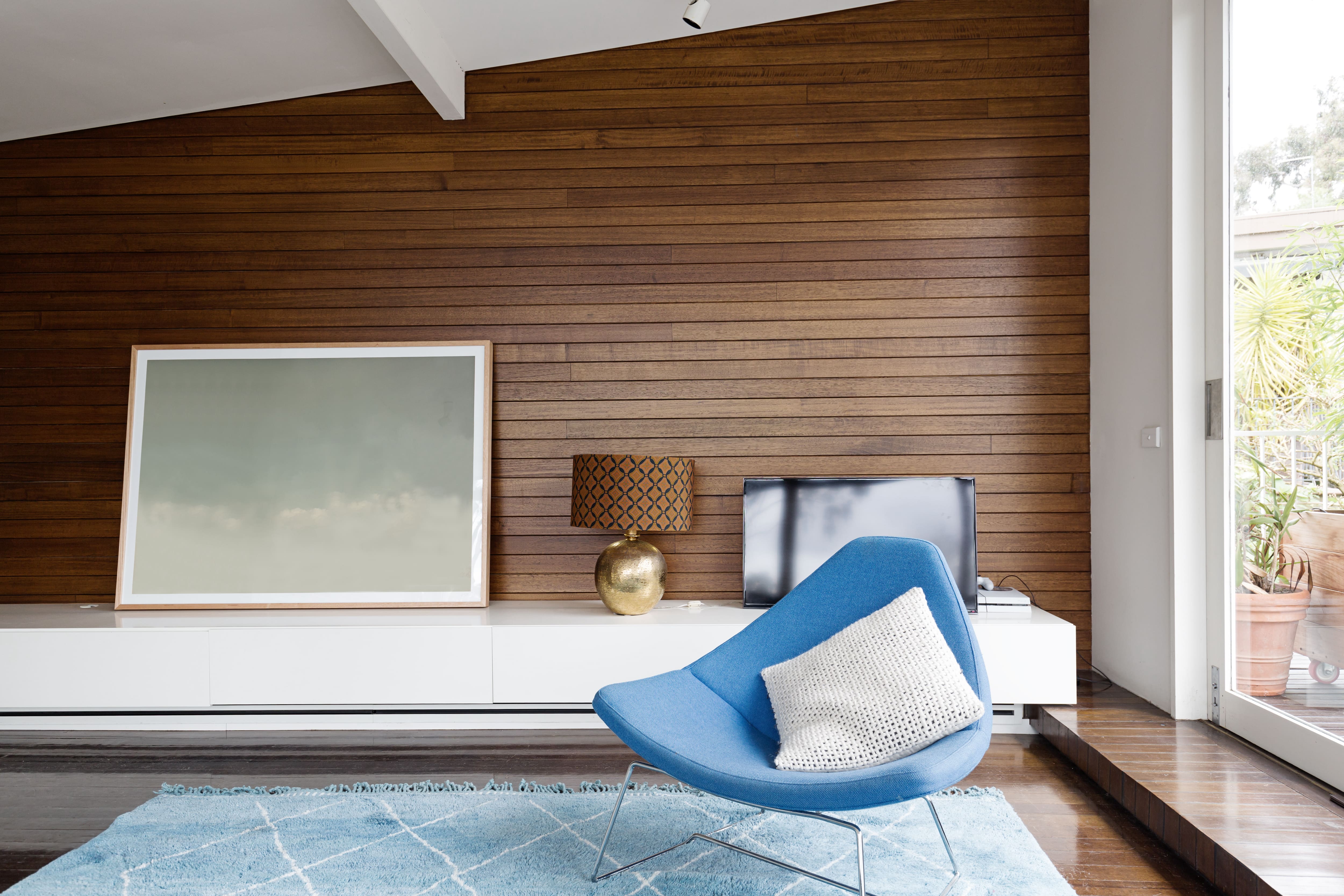
Wood paneling costs $10 to $40 per square foot. Wood upholstery or paneling is a great and cost-effective way to personalize the design of your home. You can hide flaws in the walls, exposed cables, and wiring with wood paneling.
Whether you want to install a partition wall for privacy or a load-bearing exterior wall, the function of the wall you build determines the final cost.
Interior non-load-bearing walls that extend from the floor to the ceiling cost toward the lower end of the pricing scales, based on the type of materials you use. Load-bearing interior walls, on the other hand, have additional considerations, including using double top plates and 16-inch-on-center stud spacing for framed walls. Expect costs near the higher end of the scale for the material you're using for load-bearing applications.
The cost to add a partition wall depends on the type and size. They come in different materials, including glass, panels, and half walls that don't reach the ceiling.
| Partition Wall Type | Price per Square Foot |
|---|---|
| Glass walls | $25–$75 |
| Panel walls | $1.50–$2.50 |
| Drywall half wall | $10–$20 |
Framing load-bearing walls can cost slightly higher than non-load-bearing ones because they need more studs throughout. Exterior walls need additional studs at the corners plus insulation, increasing material costs by 30%.
The most common interior wall covering and finish is drywall. The cost to hire a drywall installer ranges from $1 to $2.10 per square foot. However, other costs can include texturing and painting, which add between $1 and $2 per square foot for texturing or painting.
The cost to hire a mason to construct a brick or similar wall is between $70 and $110 per hour or between $10 and $45 per square foot. The cost will reflect the type of masonry installation, ranging from adding a brick veneer or installing real bricks at the low end of the pricing scale to installing hollow bricks, which costs closer to the high end of the pricing scale.
While most wall installations require you or your local general contractor to obtain a building permit, when building load-bearing walls, your municipality will often require you to hire a structural engineer to sign off on your construction plans in order to qualify for the permit. The cost to hire a structural engineer to ensure your building plans meet code and the new walls will be structurally sufficient averages between $70 and $250 per hour, or roughly $2 to $10 per square foot of the project.
Here are some additional costs you can expect to run into when planning to build a wall. Not all of these options are necessary, but depending on your project, you may find that you’ll need some of the following items.
Walls with openings such as windows, doors, or pass-throughs can cost an additional $120 to $200 per opening. An opening needs studs and beams to support the wall's weight. Depending on the size and whether the wall is load-bearing, an arched opening may cost $1,000 to $5,000 to install. In addition, you’ll pay $300 to $1,000 for the trim, frame, sill, doors, windows, and other materials.
Most of the walls in your home contain some electrical wiring, which powers your outlets and lighting. You may have to hire a local electrician to add electrical work such as a light switch or a power outlet when building a wall, which can increase the total cost.
Structural changes in your home require a building permit. Expect to pay $100 to $300 for a permit to build a simple interior wall, but it can vary significantly depending on what you're building and your location.
The cost of wall insulation is $0.40 to $6.75 per square foot on average. The most affordable types of insulation are fiberglass, cellulose, and polystyrene. The more costly materials are Rockwool and wood fiber.
Professional soundproofing costs around $10 to $30 per square foot and soundproof drywall costs $40 per panel. In addition to soundproofing walls, you can soundproof ceilings, floors, doors, and windows.
Adding skip trowel texture to your wall costs approximately $1.25 to $2 per square foot. It’s a cost-effective way to dress up a simple, smooth wall.
Installing wall paneling averages $2.50 to $40 per square foot. The budget-friendly option is shiplap, which is around $2.50 to $7 per square foot.
Board-and-batten and beadboard paneling cost about $7 to $20 per square foot, while raised panels are $10 to $30 per square foot. Overlays are on the higher end of the spectrum, ranging between $10 to $40 per square foot.
You might opt for trim to help hide the space between the floor and the baseboard, like shoe molding and quarter-round trim, which cost about $0.50 per linear foot. If you want something a little more eye-catching, you could go with base molding, which depending on the materials you choose, is $0.60 to $1.20 per linear foot.
Higher-end trim options include crown molding, which runs around $2 to $10 per linear foot. For a luxurious look, you can go with wall-frame trim for $8 to $25 per linear foot or casing trim for $0.60 to $1.20 per linear foot.
Building a wall is a major project that requires a variety of skill sets, including carpentry, electrical, and (in some cases) plumbing. If you don’t know what you’re doing, you run the risk of starting a fire, shocking yourself, or compromising the structural integrity of your home. To avoid those hazards and get the job done correctly, it’s best to hire a general contractor near you for this type of work.
There’s a lot that goes into building a wall, so here’s why you should hire a pro for the task:
Professionals know how to design and build structurally sound walls, so you can feel confident that your new wall is safe.
They also understand how to finish walls so they look attractive and blend in with the rest of your space.
Pros have the knowledge to run wires and pipes through your wall.
Experts have the necessary equipment and know-how to order the right materials for the job.
Pros ensure compliance with local building codes and permitting requirements.
DIY mistakes can result in wasted materials or cause you to fail a home inspection.
Reputable pros offer warranties and carry insurance.
Experts can finish the job faster than inexperienced homeowners.
While we don’t recommend building an entire wall yourself, you can participate in the process by framing the wall. This intermediate-level DIY project involves:
Buying supplies (including 2x4s and nails) and tools (including a framing hammer and saw)
Planning the layout
Measuring the ceiling
Finding and marking the stud locations
Measuring and cutting the studs
Attaching the wall to the ceiling and floor
Building a wall can get pricey, so here are some money-saving tips to follow when building a wall:
Use recycled materials.
Interview potential professionals and use these tips to hire the best contractor based on their portfolio and references. They’ll get the job done fast and in the best quality possible.
Use economical materials such as plaster or drywall.
Get multiple quotes from at least three different pros.
While your contractor will take the exact measurements, you should have a general idea of how large you’d like your wall to be.
You’ll also want to discuss which material—for example, drywall, brick, or plaster—is best for your budget and preferences.
Let the pro know ahead of time if you think you’ll need electrical or plumbing running through your new wall.
If your budget allows, you can talk about decorative add-ons, like trim, paneling, and texturing.
Home is the most important place on earth, which is why Angi has helped more than 150 million homeowners transform their houses into homes they adore. To help homeowners with their next project, Angi provides readers with the most accurate cost data and upholds strict editorial standards. We’ve surveyed over 10,000 real Angi customers about their project costs to develop the pricing data you see, so you can make the best decisions for you and your home. We pair this data with research from reputable sources, including the U.S. Bureau of Labor Statistics, academic journals, market studies, and interviews with industry experts—all to ensure our prices reflect real-world projects.
Want to help us improve our cost data? Send us a recent project quote to [email protected]. Quotes and personal information will not be shared publicly.
Exquisite workmanship from Custom Paint Jobs LLC. My home has never looked better.
 Custom Paint Jobs, LLC
Visited my home for estimate same day that I called. Painted on Saturday. Great job. Good price!
Window Depot did an amazing job on my deck. I wasnt sure what I wanted to do, but their composite decking was affordable and will last a long time. I am excited to have family over, and I am no longer embarrassed by my backyard. Jeff and the ground crew were polite, respectful, and caring for...
 Window Depot USA of Central Ohio
The guys did an outstanding job and we had a great experience with CarifaTile. I appreciated that Joe reviewed the quotes with me and set expectations prior to the install. The crews showed up as scheduled and always left the areas clean upon leaving the house. We will definitely use...
 CarifaTile
Beginning with the estimate, Larry and Peyton were super helpful in getting my new condo's interior re-painted. Not only was the job well done, but also done in a super timely manner as promised.
 Five Star Painting of Plain City and Powell
BJ Trim Carpentry rescued me in the middle of a do-it-yourself project. I found I needed more expertise than I had...and more TOOLS! BJ Trim Carpentry responded quickly and completed what I needed expertly, politely and with a little humor!
This brownstone is historical and the carpentry work is very detailed. I was very happy to secure a company in NY and living in OH to complete the request. Wood work on this brownstone has been existing since approximately 1888 and West side did a GREAT JOB. I will not be able to...
 Westside Home Improvement
We had a great experience with Mark Rodgers Construction. We were in the process of seeking out estimates for possible foundation work for our front porch. Mark came out himself to provide the estimate. Turned out that the company deals mainly with concrete, so we wouldn't be getting an...
 Mark Rodgers Construction
Overall this experience was incredible! I looked on Angies List for a cleaning service because I was planning a holiday party and wanted to make sure we found a reliable, thorough and efficient cleaning service to make sure everything was perfect for the party since we had co-workers and...
From beginning to end our experience with Joe was very good. He was professional and prompt in his estimate for the job and worked hard to meet our schedule so that he could remove our old backsplash the day before our new countertops were removed and return shortly after they were removed to...
From average costs to expert advice, get all the answers you need to get your job done.
Discover the average wall heater installation cost, key price factors, and expert tips to help you budget and save on your next home heating project.
Discover wall safe installation cost details. Learn about average prices, key cost factors, and tips to save on your wall safe project.
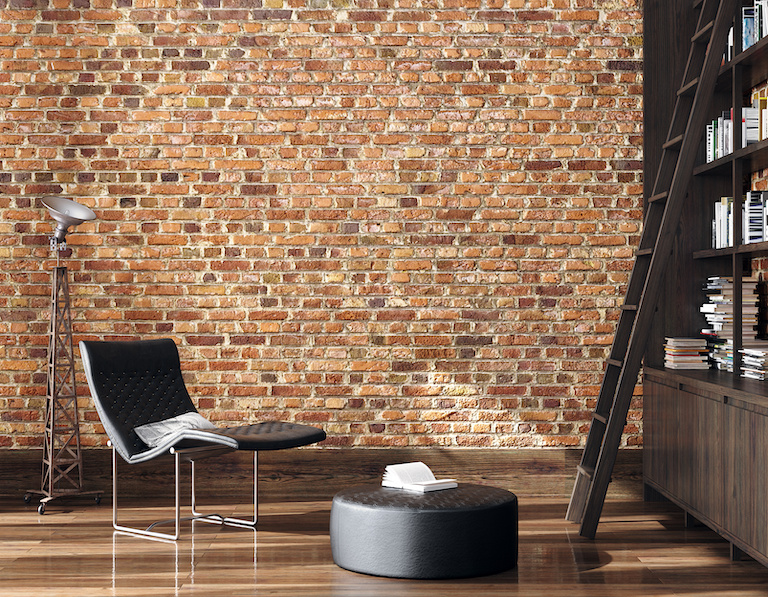
Brick walls can add character and elegance to interior and exterior spaces. Use this brick wall cost guide to see the price range for adding one to your home.
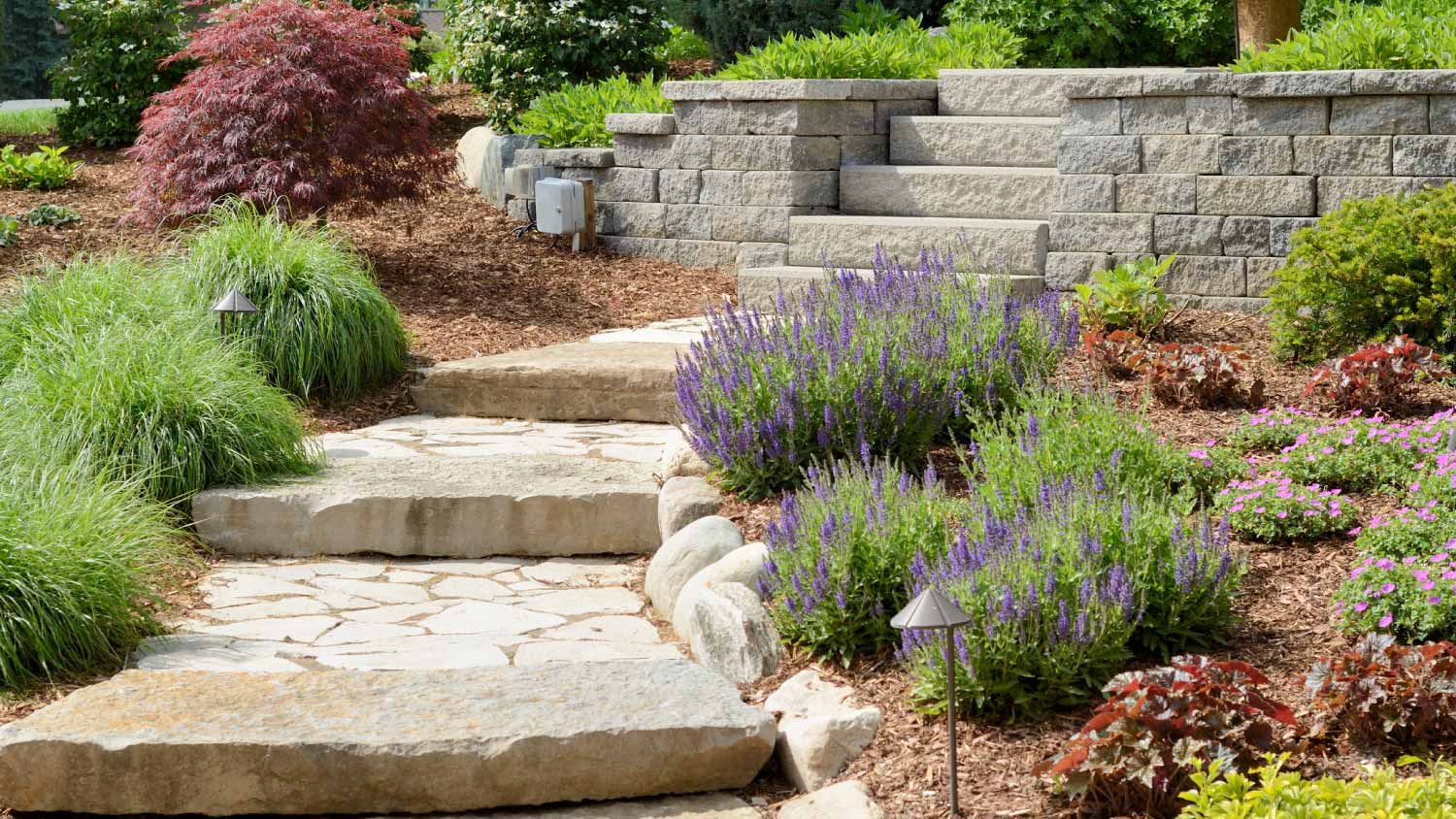
A landscaper can install a block wall that’s structurally sound and looks beautiful. Learn all about hiring a landscaping contractor for this project.
Discover the average wall sconce installation cost, key price factors, and ways to save on your lighting project. Get transparent, expert-backed cost info.
Discover the cost to install wall paneling. Learn about material, labor, and additional factors that impact your project budget and get tips to save.