•
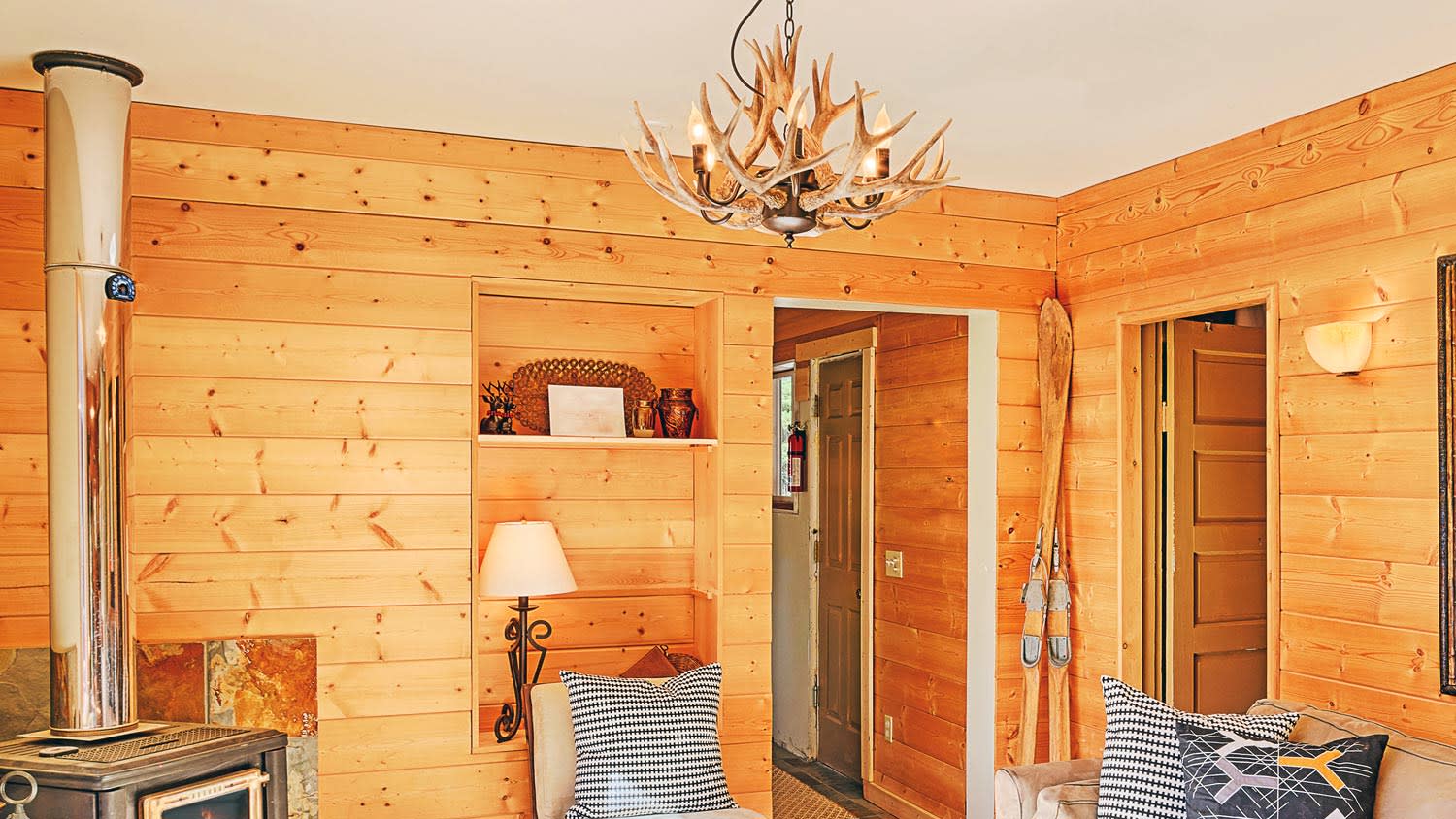
Get the facts on the cost to remove wood paneling, including average prices, key factors, and tips to help you budget your project with confidence.
Woodworking costs depend on your project and location. Check with a local pro for your specific job.


Professional wall paneling installation costs between $1,200 and $6,000, with a national average around $2,800 for your project.
The type of paneling you select and your room size are the primary factors that change your total installation cost.
Account for the cost of decorative trim, crown molding, or specialty finishes when you create your project budget.
Hiring a local handyman service professional ensures your wall paneling project is done well and helps the home retain maximum value.
This article was created using automation technology and thoroughly fact-checked and edited by an Angi Editor in accordance with our AI policy.
The cost to install wall paneling typically ranges from $1,200 to $6,000, with a national average of about $2,800. Homeowners can expect to pay $7 to $25 per square foot, depending on the material and complexity. Factors like panel type, labor, and room size all influence your final price.
Wall paneling is a versatile upgrade that transforms spaces, adds protection, and can increase property value. This guide covers everything you need to know about the cost to install wall paneling, from material choices to ways to save.
Several key factors will shape your total cost to install wall paneling. Here’s what to keep in mind as you plan your project.
Understanding how much wall paneling you want to install is the first step in estimating your project’s cost. The total square footage or linear footage directly impacts your material and labor expenses. For example, a small accent wall will cost far less than covering an entire room or basement.
Paneling a single 8 by 10 foot accent wall requires fewer materials and less labor than tackling a 12 by 15 foot room or a large open-concept living area. Ceiling height matters, too—taller or vaulted ceilings require more paneling and may increase installation time. Unusually shaped spaces or rooms with lots of windows, doors, or built-in features can also add to the complexity and cost.
| Area | Wall Size (Ft.) | Description | Cost Range |
|---|---|---|---|
| Accent wall | 8x10 | Small feature or focal wall | $500–$1,000 |
| Bedroom | 12x15 | Average bedroom or office | $2,000–$3,500 |
| Living room | 16x20 | Large open space | $3,500–$6,000 |
The type of wall paneling you choose has a significant effect on your overall project cost. There are many options, each with its own price point, durability, appearance, and best-use scenario.
Popular choices include wood, MDF (medium-density fiberboard), PVC, laminate, fabric, metal, and composite panels. Styles like shiplap, beadboard, wainscoting, tongue and groove, and raised panels all come with different material and installation costs. Thicker panels, intricate patterns, and custom finishes will increase your investment. Material selection also impacts maintenance, moisture resistance, and longevity—important for rooms like bathrooms or basements.
| Paneling Type | Material | Cost (Per Sq. Ft.) | Pros | Cons |
|---|---|---|---|---|
| Shiplap | Wood, MDF | $7–$16 | Classic style, easy to paint | May warp in humidity |
| Beadboard | Wood, MDF | $6–$15 | Traditional look, covers imperfections | Can be hard to clean grooves |
| Wainscoting | Wood, PVC | $10–$25 | Elegant, durable, protects lower wall | Higher material and labor cost |
| Tongue & groove | Wood, MDF | $8–$18 | Tight fit, good for soundproofing | Tricky installation, costlier finish |
| Raised panel | Wood, composite | $15–$25 | Luxurious, custom look | Most expensive, harder to install |
| PVC panels | PVC, vinyl | $7–$20 | Moisture resistant, easy to clean | Limited style options |
| Laminate panels | Laminate, MDF | $5–$12 | Budget-friendly, easy care | Less durable, not for wet areas |
| Metal panels | Aluminum, steel | $10–$22 | Modern, fire/moisture resistant | Can dent, limited warmth |
| Fabric panels | Fabric, MDF | $8–$18 | Acoustic benefits, unique look | Needs careful cleaning, stains easily |
Where you live and where you install wall paneling in your home both affect the total project cost. Labor and material prices are higher in urban and high cost-of-living areas, while rural regions may offer savings. States and metro areas with strong demand or limited contractor availability can also see higher rates.
Within your home, paneling a basement, bathroom, or kitchen may require moisture-resistant materials, which tend to cost more. Installing paneling in hard-to-reach areas, on stairwells, or in multi-story spaces usually means extra labor charges. Seasonal pricing trends can also influence your final bill, with costs sometimes rising during busier months.
Labor is a substantial part of your wall paneling budget. Carpenters, general contractors, and experienced handymen all offer installation services. Hourly rates range from $40 to $100, with minimum service fees often applied to small jobs. Labor cost per square foot runs $3 to $10 for standard installations and can go higher for custom work or complex layouts.
Highly skilled professionals and those specializing in custom finishes charge more, but their expertise can save you from costly mistakes. Regional wage differences also play a role—urban areas tend to have higher labor costs. Projects that require wall repairs, removal of old coverings, or careful prep will increase labor time and cost.
Most wall paneling projects do not require a permit if you are not altering the structure. However, you may need one if you’re making structural changes, installing fire-rated panels, or working in commercial spaces. Permit fees vary by municipality, typically ranging from $50 to $300.
Check your local building department to confirm requirements before starting. Skipping necessary permits can lead to fines or issues with your home’s resale value.
Upgrades like decorative trim, crown molding, or integrated shelving can add style and function, but they also raise costs. Adding outlets, lighting, or specialty finishes (like paint, stain, or wallpaper overlays) involves extra materials and labor. Soundproofing or insulation behind the panels, as well as moisture barriers or fire-resistant treatments, are smart investments for certain rooms but will increase your total spend.
Project complexity is another cost factor. Curved walls, high ceilings, or intricate panel patterns require more skill and time. Accessibility—such as moving heavy furniture or working in tight spaces—can add labor charges. Site prep, including demolition of old wall coverings or wall repairs, is often billed separately. Delivery logistics and debris disposal may also be extra. For custom designs, design or architectural fees and possible inspection costs should be factored in.
Wall paneling installation comes with potential ongoing and one-time costs beyond the initial job. It’s important to budget for these extras to avoid surprises.
Many manufacturers offer warranties on wall paneling materials, typically covering defects for 5 to 25 years. Some installers provide workmanship warranties, which may last one to five years. Extended warranties or service plans can be purchased for added peace of mind, often costing $50 to $300. Always check what’s covered and for how long before making a final decision.
If you choose insulated or specialty paneling, you may see some improvements in energy efficiency, especially in older homes. This can lower heating or cooling bills slightly over time. However, some rooms may require additional climate- or moisture-control solutions, such as dehumidifiers, which add to ongoing costs.
Routine cleaning for most wall paneling involves dusting and wiping with a mild detergent. Some materials, like wood, need occasional refinishing, repainting, or resealing, which can cost $100 to $500 every few years. Repairing dents, scratches, or water damage ranges from $150 to $600, depending on severity and material. High-quality panels often last 15 to 40 years before needing replacement.
Sales tax on materials and labor depends on your state and local tax rates. In some cases, adding wall paneling as part of a major remodel could increase your property tax assessment. Be sure to check with your local tax authority or contractor for details.
Upgrading your interior with new wall paneling may require notifying your homeowners insurance company, especially if the project is part of a larger renovation. Most policies will cover the new addition, but your premium could change if the upgrade increases your home’s value. Always update your records to ensure full coverage.
You can save money by installing wall paneling yourself, but there are important trade-offs. DIYers skip labor charges, which make up a large portion of total cost. Most homeowners spend $500 to $2,000 on materials for a DIY project, buying from home improvement stores or specialty suppliers.
DIY requires careful measurement, cutting, and fastening. You’ll need tools such as a saw, level, nail gun, and safety gear. Simple projects, like a single accent wall, may take a day or two, while larger or more complex jobs can stretch into a week or more. Mistakes can lead to wasted materials or uneven results. If your room has tricky corners, high ceilings, or you want a custom look, hiring a local handyman pro is often the better choice. Professionals offer warranties and code compliance, and their experience with specialty materials often pays off in quality.
| Installation Method | Material Cost | Labor Cost | Total Cost | Pros | Cons |
|---|---|---|---|---|---|
| DIY | $500–$2,000 | $0 | $500–$2,000 | Lower cost, flexible timing | Steep learning curve, no warranty |
| Professional | $1,000–$4,000 | $1,200–$6,000 | $2,200–$10,000 | High-quality finish, warranty, fast | Higher cost, must coordinate schedule |
Not all wall paneling damage requires starting over. Small scratches, dents, or isolated water spots can often be repaired—especially if you have spare panels or the style is still available. Repair is appropriate for minor damage, matching existing panels, or when panels are still under warranty.
Replacement is recommended if the damage is widespread, the paneling is outdated, or there are moisture or mold issues. If repair costs exceed 50% of the replacement price, it’s usually smarter to invest in new paneling. Upgrading to modern styles or materials can also improve your home’s value and appeal.
Wall paneling offers a strong return on investment (ROI), especially when quality materials and professional installation are used. Most projects see an ROI of 50% to 70%, depending on style, finish, and market trends. Paneling can increase your home’s value and make it more appealing to buyers, particularly when compared to simple paint or wallpaper upgrades.
Choosing classic styles and neutral finishes tends to maximize ROI. Additional benefits include improved insulation, soundproofing, and long-term durability. Wall paneling also boosts safety and functionality, especially in high-traffic or moisture-prone areas. When done right, it enhances both the look and performance of your home.
There are several ways to keep your wall paneling installation budget-friendly without sacrificing quality or style. Taking these steps can help you save money:
Obtain multiple quotes from paneling pros to compare pricing and services
Choose wallet-friendly materials, like MDF or laminate panels, to lower materials costs
Prepare the walls yourself, such as removing old wall coverings and prepping surfaces, to save on labor
Bundle your wall paneling installation with other remodels or upgrades to take advantage of package discounts
Select standard panel sizes and finishes to avoid custom fabrication mark-ups
Paint or stain panels after installation yourself to reduce contractor fees.
Home is the most important place on earth, which is why Angi has helped more than 150 million homeowners transform their houses into homes they adore. To help homeowners with their next project, Angi provides readers with the most accurate cost data and upholds strict editorial standards. We extensively research project costs to develop the pricing data you see, so you can make the best decisions for you and your home. We rely on reputable sources, including the U.S. Bureau of Labor Statistics, academic journals, market studies, and interviews with industry experts—all to ensure our prices reflect real-world projects.
Want to help us improve our cost data? Send us a recent project quote to [email protected]. Quotes and personal information will not be shared publicly.
Incredible workers! Very skilled with the machinery, climbing, cutting, roping, and removal. Handled everything. Professionals!
 Hoffman Expert Tree Services
I m so impressed with Custom Paint Jobs LLC s craftsmanship. They truly care about quality.
 Custom Paint Jobs, LLC
Window Depot did an amazing job on my deck. I wasnt sure what I wanted to do, but their composite decking was affordable and will last a long time. I am excited to have family over, and I am no longer embarrassed by my backyard. Jeff and the ground crew were polite, respectful, and caring for...
 Window Depot USA of Central Ohio
Storms Mobile Welding was great to work with. They were prompt, professional and did an overall excellent job on the project. I highly recommend.
Great job...edging and pre clean up went well with a great job with seal coat. Friendly, efficient and professional.
 All Star Paving and Sealing
Great tree company, very professional and honest. Glad we found them, they had the best pricing
It was wonderful working with Yordy and his team. They were very professional and are experts in what they do. They have completed the work on time, with better quality and with in fairly reasonable price. We just started with backsplash work , but liking his work, we went on to provide...
 Flooring Solutions
The job went extremely well. Work was done as promised and the job came out better than expected due to Mr. Moyer's commitment to excellence and personal pride in providing the best work possible. He is one of those professionals who is not satisfied until the customer is completely happy...
 Pro Flooring
We needed to have a wall cabinet resized so that we could fit a larger refrigerator underneath. I removed the cabinet from the wall myself and brought it in, where Wally was able to resize it for me in his shop. The results were perfect: it's exactly the size that I asked for, and...
 Pioneer Woodworks
The work was almost completed when we gave the owner Tim Barton $400 as a downpayment to be put on his list for work in the future after we had new woodwork installed.The next day Mr. Barton had difficulty installing a door handle and took the position that it was broken before his employee...
 Above And Beyond Painting LLC
From average costs to expert advice, get all the answers you need to get your job done.
Get the facts on the cost to remove wood paneling, including average prices, key factors, and tips to help you budget your project with confidence.

Electrical panel replacement costs $530 to $2,100, depending on the location, the type of hardware, and any required building materials.
Your budget for moving an electrical panel depends on the type, labor, and more. Find out the average cost to move an electrical panel.
Not sure who to hire for wall paneling installation? Compare pros, understand the process, and get confident tips to choose the right expert.
Thinking about adding wall paneling to your home? Learn about design options, installation costs, and how to hire the right local carpenter for your project.
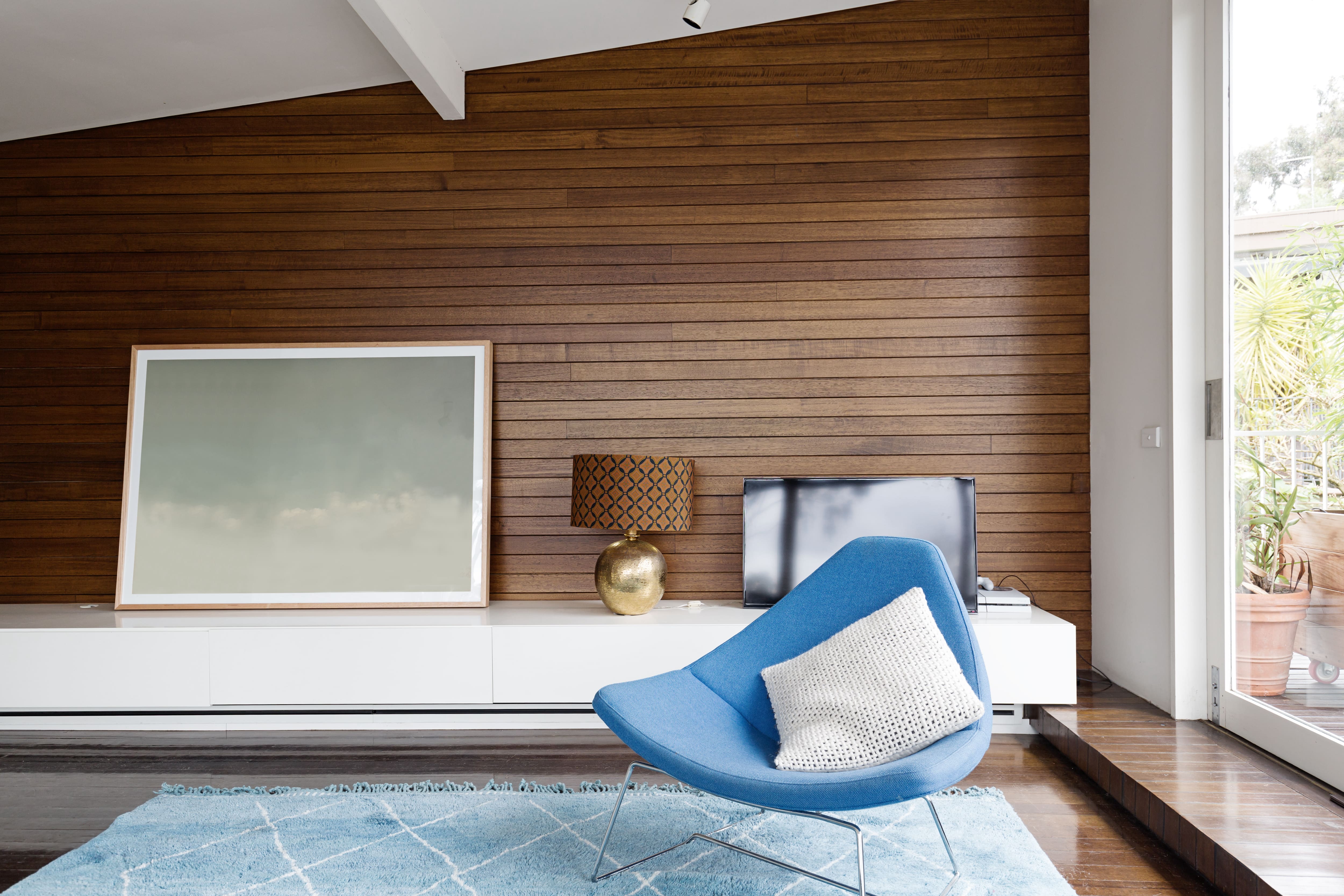
Finding the right pro for wall paneling installation? Learn how to hire a qualified installer, what questions to ask, and how to vet credentials.