
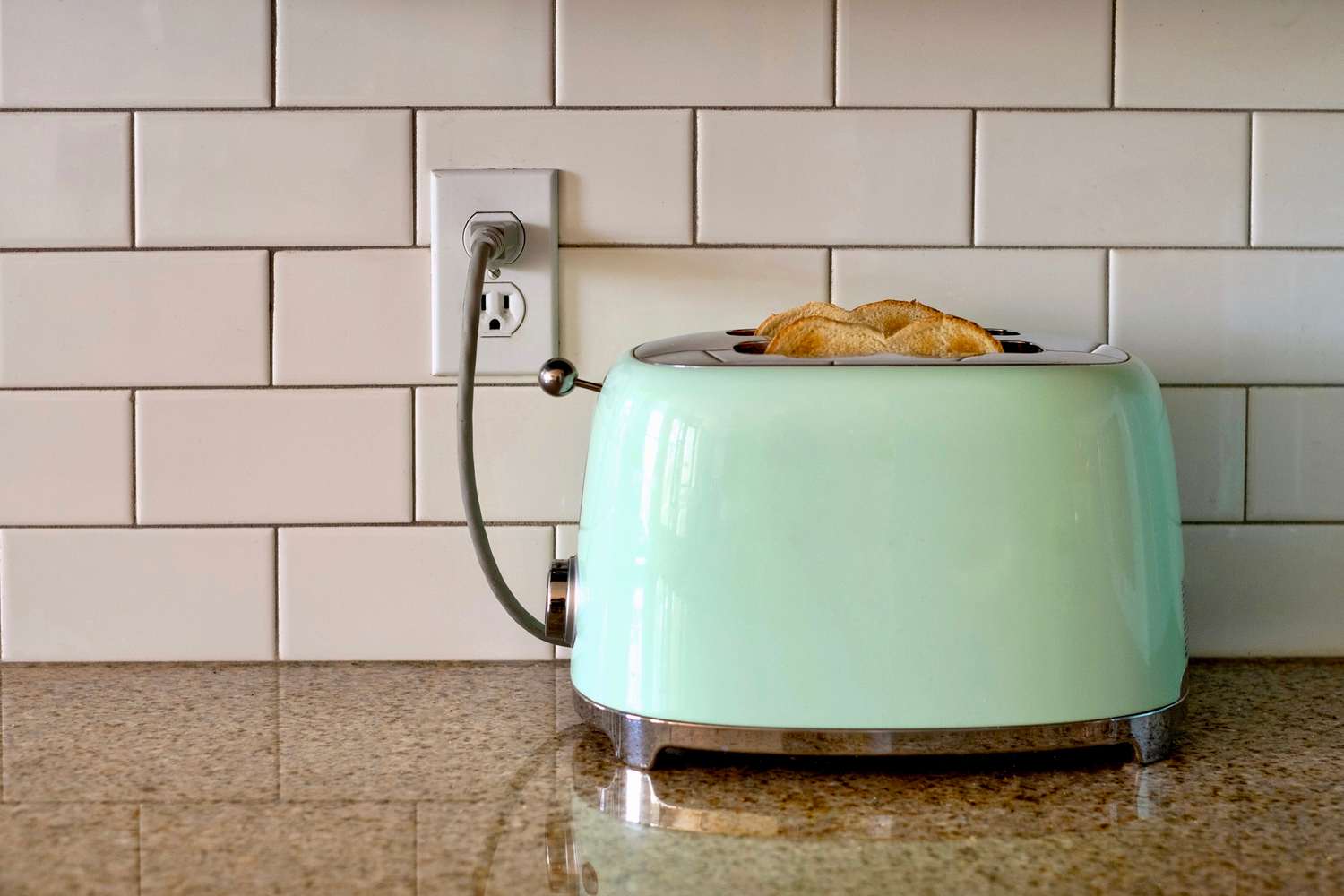
How much does adding an electrical outlet cost in St. Louis? Discover average prices, building code considerations, and what impacts your budget.
Electrical service costs depend on your project and location. Check with a local pro for your specific job.

A professional charges $125 to $285 to install a single outlet in a residential home.
Knob-and-tube and outdated aluminum wiring are common finds that can add significant costs.
Labor runs $40 to $100 per hour, which is below the national average, making this an affordable home upgrade.
Licensed electricians in St. Louis, MO, ensure your installation passes inspection the first time and keeps your home safe.
The cost to install an outlet in St. Louis, MO, ranges from $95 to $428, with most homeowners paying an average of $285. With a cost of living below the national average, electrical work rates are reasonable compared to other major cities. Cost variables, such as the type of outlet and the condition of your wiring, affect the total cost. Let’s amp up the discussion about what you can expect to pay for outlet installation in your area.
St. Louis, MO, sits at an interesting geographic intersection with many older homes that frequently need electrical updates. That combination makes budgeting for outlet installation a little more nuanced. Here’s what to look for as you plan your project.
The cost of updating your electrical outlets depends on various factors, such as the type of electrical outlet. Your electrician can recommend the right outlet for different areas in your home and your needs. If you're curious about where to put electrical outlets for new construction or renovations, a pro can help with that, too.
| Outlet Type | Average Cost per Outlet |
|---|---|
| Standard (120V) | $3–$5 |
| Heavy-duty (220V, 240V, 250V) | $10–$20 |
| GFCI | $10–$25 |
| AFCI | $20–$30 |
| Floor | $30–$50 |
| Coax | $5 |
| Tamper-resistant | $5–$10 |
| Smart | $25–$50 |
| Rotating | $10–$20 |
| Outdoor | $950–$1,330 |
| LED | $10–$30 |
| USB | $20–$40 |
| Recessed | $10–$55 |
| Ceiling | $3–$5 |
| TV | $3–$5 |
Your total price to install an electrical outlet depends on the project size. The average price range to install an individual outlet is $125 to $285, but bundling multiple installs into one service call can lower your per-outlet cost. Ask your pro whether a dead outlet is dangerous and if it requires addressing wiring issues.
| Number of Outlets | Average Cost Range |
|---|---|
| 1 | $125–$285 |
| 2 | $240–$570 |
| 3 | $380–$855 |
| 4 | $480–$1,140 |
| 5 | $620–$1,430 |
| 6 | $760–$1,710 |
| 7 | $905–$2,000 |
| 8 | $1,050–$2,280 |
| 9 | $1,140–$2,570 |
| 10 | $1,290–$2,850+ |
The preferred location for your outlets can also impact their cost. Electricians may charge extra for the additional time required to install outlets in hard-to-reach locations, such as behind large furniture or in crawl spaces. The standard outlet and switch height is 12 to 18 inches from the floor, but your pro will help plan placement in the most efficient spot for your home and needs.
St. Louis, MO, has its share of prewar homes, including many that still contain original knob-and-tube or aluminum wiring that can’t safely support modern electronics without updates. If your electrician determines that you need new wiring for your outlet because your current wiring is faulty, damaged, or outdated, it will take extra time to fix and can cost $515 to $2,000, depending on how much work is needed.
Many electricians use standard plastic covers or plates when installing an outlet, costing under $10. Some of the most expensive faceplates are finished in brushed metal surfaces made from nickel or bronze, adding more than $100.
Most home outlets are destined to become sockets for plug-in power or switches for controlling lights. If you’re installing an outlet that will become a switch, prices may go higher.
Some outlet technology will add dollar signs to your installation project. Keep in mind that important additions like smart technology, USB ports, and GFCI (Ground Fault Circuit Interrupter) outlets will cost extra. And if you're planning a dedicated circuit for a workshop, EV (electric vehicle) charger, or high-power appliance, check the cost to install a 220V outlet. That said, the safety and convenience of these upgrades are usually worth the added expense.
Licensed electricians in St. Louis, MO, benefit from a competitive labor market and a lower-than-average cost of living, both of which keep residential rates fair. Here’s what to expect when you hire a pro for new outlet installation.
Licensed electricians in St. Louis, MO, charge $40 to $100 per hour for residential work. Missouri requires that electrical contractors working in the City of St. Louis have a local electrical license, and only certified contractors or qualifying homeowners who pass a code knowledge test can pull electrical permits in St. Louis, MO. Confirm licensing and insurance before you hire an expert.
The City of St. Louis charges a $25 non-refundable permit application fee, with additional fees based on the project's scope and valuation. New outlet installations must be permitted by the city, and unpermitted work can create problems at resale or during an insurance claim. If you're hoping to save money, installing multiple outlets under a single permit is the smartest way to keep per-outlet permit costs lower.
For larger projects, consider hiring these other pros:
General contractors near you coordinate multi-trade renovations where outlet additions are part of a larger remodel, typically charging $50–$150 per hour.
Home inspectors can assess the condition of your existing wiring before you commit to a project, with inspections typically running $300–$500.
Like most homebuyers in the Midwest, St. Louis, MO, buyers tend to be practical. They want homes that are solid, functional, and ready to live in. Modern, up-to-code electrical systems check all three boxes. While an updated electrical system won’t drive the value of your home upward, it can help your home stand out in the market compared to older homes with deferred maintenance.
Homes that need updates often sell for less than the list price or invite price negotiation. But smart upgrades like GFCI-protected outlets in kitchens and baths, AFCI protection in living areas, and dedicated 240 circuits for EV chargers, workshops, or other power-hungry home appliances are the kinds of updates that make buyers say yes.
To help homeowners plan their next project, Angi provides readers with carefully researched cost data and upholds strict editorial standards. We start with national average project costs, which we collect by analyzing competitor information, retailer material costs, and input from professional contractors. We then apply local price index data to calculate location-specific estimates that reflect what homeowners typically pay in their local area. To do that, we use data from the U.S. Bureau of Economic Analysis (BEA), including its Regional Price Parities (RPPs), which measure price differences across cities. This helps us account for differences in labor, materials, and overall cost of living, so estimates in higher- or lower-cost areas better reflect real-world local pricing.
Every estimate undergoes a thorough editorial review to verify accuracy, consistency, and alignment with observed market conditions.
Want to help us improve our cost data? Send us a recent project quote to [email protected]. Quotes and personal information will not be shared publicly.
The electrician arrived on time & tightened the cover plates that were loose and hanging down on the electric boxes located on the ceiling. Good job.
 Innovate Electric
I think the process was fine. Whenever we called we were able to get what we needed. The guys came in and finished doing the electrical for my basement in 1.5 days. Happy so far with everything.
 Innovate Electric
We hired Swenson Electric to connect a Hitachi HVAC split system. The work was performed onetime, quickly and in professional manner.
 Swenson Electric
Highly recommend! The electrician , Shane, was very professional, knowledgeable and friendly. The entire experience went smoothly and efficiently. I will hire them again anytime I need electrical work. Itâ  s great to have a reliable and reasonably priced Electrician
 BRDA Electric, Inc.
Potts came out to look at my issue which was a power line that detached from the house. I had contacted Ameren and had advised me to wait till Ameren came out to attach the power line. Though they do the work they provided what I consider excellent service. I will use Potts for any future...
 Potts Electric, LLC
Great work. Made great recommendations. I was very satisfied with the communication before and after the work. Would recommend Mr Electric for anyone needing electrical work.
 Mr. Electric of St. Louis
Joe was extremely wonderful to work with. He was personable but also knowledgeable in his line of work. Additionally, Joe was able to complete the project the. next. day!! I have reached out to Joe for another electrical project already and am really looking forward to working with him again.
Accurate bidding, fantastic attention to details but probably most importantly - identified issues with current electrical and worked on issues in priority order. My house has much better electrical service overall and unlike the old fuse system - I can actually feel safe with this setup.
 Power Up Electrical Contractors, LLC
I am an investor with multiple homes in the St Louis area. Jaquan is an excellent Electrician with integrity. I would strongly recommend him for any electrical job that you have.
Great experience! Hoehn electric, local, professional and efficient services
From average costs to expert advice, get all the answers you need to get your job done.
How much does adding an electrical outlet cost in St. Louis? Discover average prices, building code considerations, and what impacts your budget.

The cost to install a 240-volt outlet in St. Louis, MO varies depending on the amperage and the home’s current wiring conditions. Use this guide to budget for your next project.

Find out the average electric vehicle charging station installation cost in St. Louis, MO. Learn what you can expect to pay for local EV charger setups.

How much does it cost to rewire a house in St. Louis? Learn what you can expect to pay to have an electrician rewire your home and why it’s worth the cost.

The cost to hire an electrician in St. Louis, MO, can vary based on the issue, scope, urgency and more. Learn more about electrical service costs in this guide.
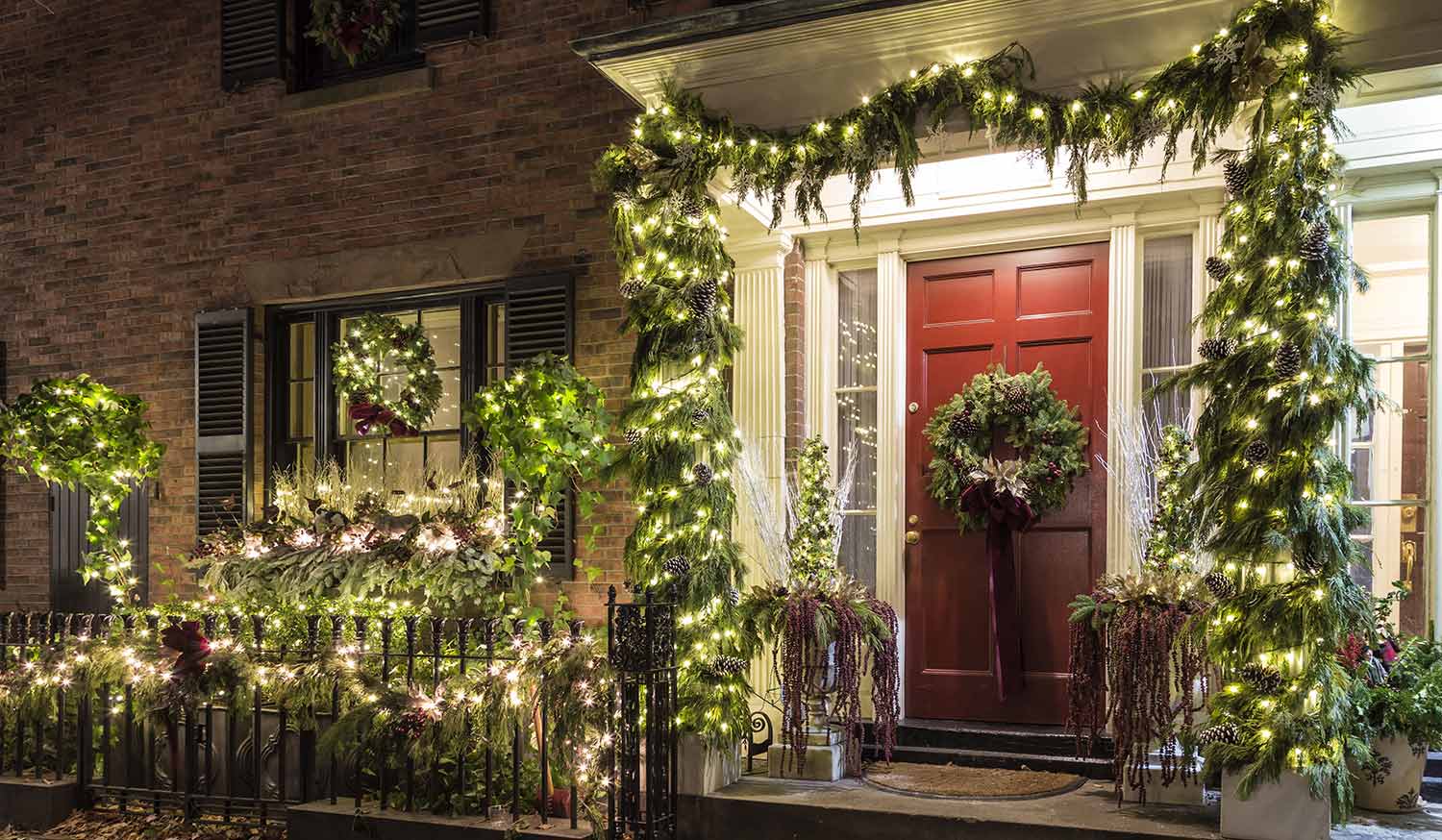
Christmas light installation in St. Louis, MO, costs depend mostly on your home’s square footage, but our expert guide breaks down all the factors that influence what you’ll pay.