
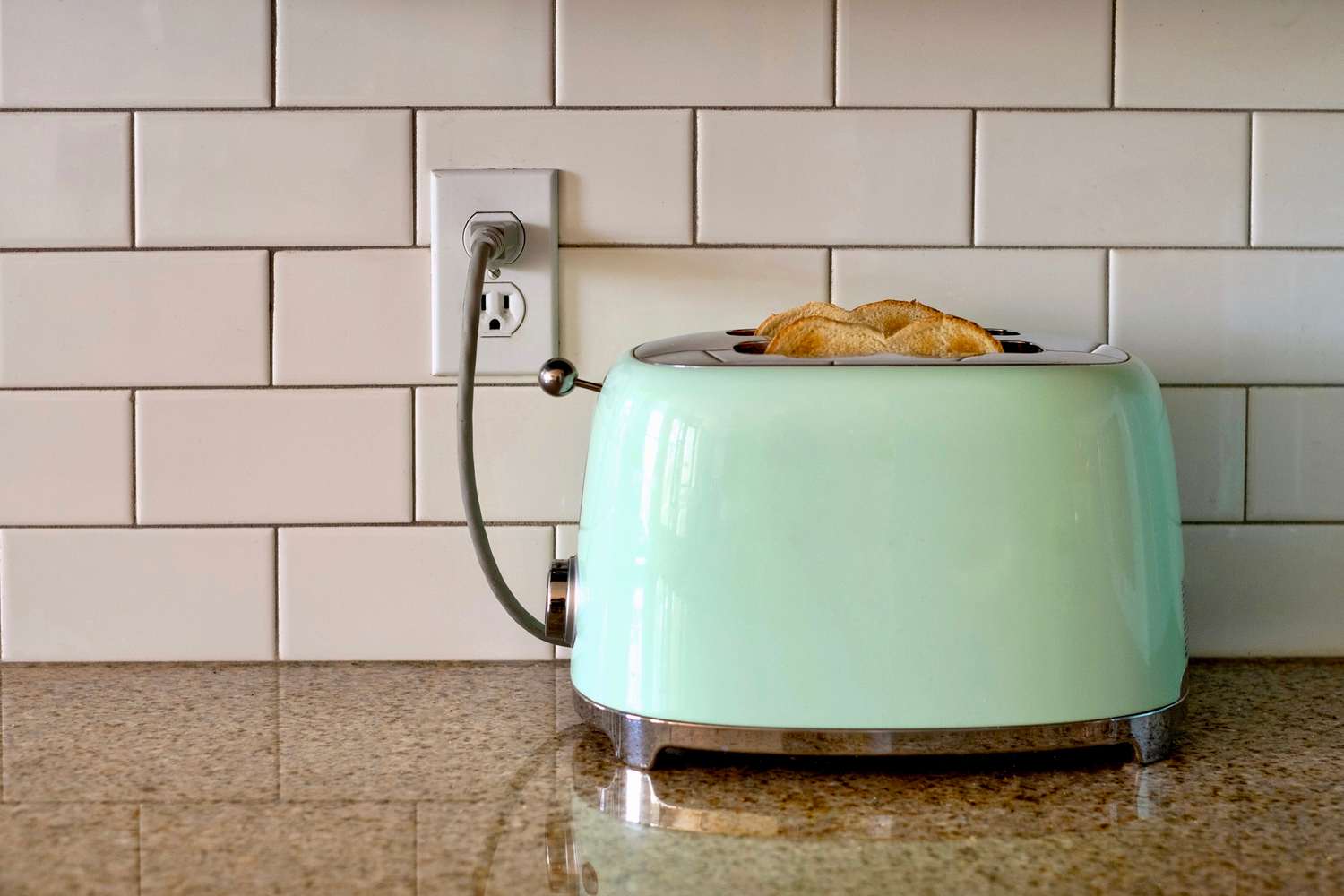
Electricians in Washington, D.C. charge $40 to $50 per hour for basic electrical tasks like installing an outlet.
Electrical service costs depend on your project and location. Check with a local pro for your specific job.

Homeowners can expect to pay between $140 and $330 to install an electrical outlet.
The outlet type affects costs, with 120V outlets being some of the most affordable and outdoor outlets being the most expensive.
You’ll typically pay $55 to $110 per hour for labor to install outlets.
Hiring an electrician in Washington, D.C., helps keep you and your family safe and ensures proper installation.
The cost to install an outlet in Washington, D.C., ranges from $109 to $490, with homeowners spending an average of $327. The city has a strong union presence and an aging housing stock, both of which can increase the cost of this project. Keep reading to learn more and make a realistic budget for electrical outlet installation in your home.
Installing outlets in Washington, D.C., can vary in cost depending on the type and number of outlets you’re installing, among other factors. Here’s what you need to know before you hire an electrician.
The cost of updating your electrical outlets depends on various factors, such as the type of electrical outlet. For example, the price to install a 220V outlet exceeds the cost of installing a standard 120V outlet. Your electrician can recommend the right outlet for different areas in your home and your needs.
| Outlet Type | Average Cost per Outlet |
|---|---|
| Standard (120V) | $3–$5 |
| Heavy-duty (220V, 240V, 250V) | $10–$20 |
| GFCI | $10–$30 |
| AFCI | $20–$30 |
| Floor | $30–$55 |
| Coax | $5 |
| Tamper-resistant | $5–$10 |
| Smart | $30–$55 |
| Rotating | $10–$20 |
| Outdoor | $1,090–$1,520 |
| LED | $10–$30 |
| USB | $20–$45 |
| Recessed | $10–$65 |
| Ceiling | $3–$5 |
| TV | $3–$5 |
Your total price to install an electrical outlet depends on the project size. The average price range to install an individual outlet is $140 to $330. About one-third of homes in Washington, D.C., have three or four rooms, and in average medium-sized homes, each room ideally has four to six outlets. The more outlets you’re installing, the higher your overall cost.
| Number of Outlets | Average Cost Range |
|---|---|
| 1 | $140–$330 |
| 2 | $270–$650 |
| 3 | $440–$980 |
| 4 | $540–$1,310 |
| 5 | $710–$1,630 |
| 6 | $870–$1,960 |
| 7 | $1,030–$2,290 |
| 8 | $1,200–$2,610 |
| 9 | $1,310–$2,940 |
| 10 | $1,470–$3,270+ |
The preferred location for your outlets can also impact their cost. Electricians may charge extra for the additional time required to install outlets in hard-to-reach locations, such as behind large furniture or in crawl spaces.
If your electrician determines that you need new wiring for your outlet because your current wiring is faulty, damaged, or outdated, it will take extra time to fix and can cost $590 to $2,290, depending on the severity. A dead outlet is dangerous and can indicate wiring issues. Since about 68% of homes in Washington, D.C., were built before 1960, the chances that your wiring is outdated is relatively high.
Many electricians use standard plastic covers or plates when installing an outlet, costing under $10. Some of the most expensive faceplates are finished in brushed metal surfaces made from nickel or bronze, adding more than $110.
Most home outlets are destined to become sockets for plug-in power or switches for controlling lights. If you’re installing an outlet that will become a switch, prices may go higher. Your electrician may need to adjust the light switch outlet height for an additional cost.
Some outlet technology will add dollar signs to your installation project. Keep in mind that important additions like smart technology, USB ports, and GFCI (Ground Fault Circuit Interrupter) outlets will cost extra.
Installing outlets yourself poses a safety risk if you don’t have prior electrical experience. Hiring a local electrician in Washington, D.C., helps ensure your outlets are installed properly, safely, and up to code.
On average, an electrician in Washington, D.C., charges $55 to $110 per hour. The exact hourly rate depends on your electrician’s experience level. You may also pay a higher rate if you hire a member of the IBEW Local 26 union, but hiring a union electrician also gives you peace of mind that the pro you hire has the right training and expertise.
Electricians in Washington, D.C., must have a valid license from the Board of Industrial Trades to perform electrical work. Contractors must also have a valid general liability insurance policy and a surety bond.
The district has a reciprocity agreement that allows electricians licensed in Maryland to apply for a license without taking the required examination.
The District of Columbia requires a supplemental electrical permit to install a receptacle or switch outlet. It costs $7 per 10 outlets, so your total cost depends on how many outlets are installed.
The sales tax rate in Washington, D.C., is 6%, which is lower than in many large metro areas. Ask your pro if they included sales tax in their estimate.
Installing electrical outlets in your home doesn’t have the same direct impact on your home’s value as other projects do, such as a kitchen or bathroom renovation. However, you might have a harder time getting an offer on your home if the outlets are old or unsafe, or if there are too few of them. Buyers will notice if your home has fewer outlets than another home on the market.
Adding new outlets or replacing older ones can help make your home more appealing. Also, homebuyers may be put off if your home shows signs of poor maintenance. And if your current outlets don’t comply with current building codes, your home may fail inspection. It’s a good idea to replace old outlets and, if needed, add more outlets in your home before you list it for sale.
To help homeowners plan their next project, Angi provides readers with carefully researched cost data and upholds strict editorial standards. We start with national average project costs, which we collect by analyzing competitor information, retailer material costs, and input from professional contractors. We then apply local price index data to calculate location-specific estimates that reflect what homeowners typically pay in their local area. To do that, we use data from the U.S. Bureau of Economic Analysis (BEA), including its Regional Price Parities (RPPs), which measure price differences across cities. This helps us account for differences in labor, materials, and overall cost of living, so estimates in higher- or lower-cost areas better reflect real-world local pricing.
Every estimate undergoes a thorough editorial review to verify accuracy, consistency, and alignment with observed market conditions.
Want to help us improve our cost data? Send us a recent project quote to [email protected]. Quotes and personal information will not be shared publicly.
Professional, prompt and performed quality work on our electric panel replacement. Would highly recommend
 Powerworks LLC
Kevin provided excellent service for my electrical project. He was very professional, knowledgeable and courteous. Provided thorough communication and was responsive to questions. Very efficient. Highly recommended.
 Mr. Electric of Bethesda & Northwest DC
517GMJ intalled a new junction box, breakers and wiring for my electric stove (240 v) and installed the electric stove and range hood fan. They came to look at my apartment, and put together a proposal/scope and were timely in performing / completing the work. They...
 Hvac507 517GMJ
I found John Max Electric on Angi and couldn’t be happier with their service. They arrived promptly with a team of three skilled professionals who tackled each of the five electrical issues with precision and efficiency. What really stood out to me was their honesty—there was no price...
Chris is terrific. He did the electrical on my full remodel down to the studs. He's the total package--highly capable and efficient, on-time and responsive, and a good human being.
 Basham Electric
Mayquebec Electric was amazing and professional . Showed up on time and was very knowledgeable with my situation .
 Mayquebec Electric
Wilcox electric did a terrific job! I own a 110 year old Washington, DC row-house. I needed to add and replace several electrical outlets throughout the home.
 Wilcox Electric LLC
Honest and very reliable! Wonderful to work with for all types of electrical projects!
 AA Electric LLC
Infinite Electric LLC did a superb job with the installation of my home EV charging station. The owner, Alain, came to my home, spent a significant amount of time to thoroughly review our needs and then gave my wife and I a truly reasonable quote. It took less than a week to get on their...
 Infinite Electric, LLC
Terrific service with excellent communication. Work was more complicated than originally thought but original estimate was honored. Other unrelated electrical problems were repaired during the project. Our electrical panel was upgraded and we installed a Tesla charger. Would not hesitate to...
 Precise Building Services, Inc.
From average costs to expert advice, get all the answers you need to get your job done.
Electricians in Washington, D.C. charge $40 to $50 per hour for basic electrical tasks like installing an outlet.
The cost to install an electrical outlet depends on many factors. Find out what impacts the cost of installing an outlet in Baltimore, MD.
How much does adding an electrical outlet cost in Baltimore? Learn what factors impact the price and if adding an outlet can boost your home’s value.

Compare electrical outlet types, learn how to identify each one, see where code requires them, and know when to call a pro to upgrade.

The cost to install a 240-volt outlet in Washington, DC varies depending on the amperage and the home’s current wiring conditions. Use this guide to budget for your next project.
The cost to install a 240-volt outlet in Baltimore, MD varies depending on the amperage and the home’s current wiring conditions. Use this guide to budget for your next project.