

Discover what average tree removal costs in Austin, TX based on different factors to know how much it will cost to take care of a dead or troublesome tree on your property.
Tree service costs depend on your project and location. Check with a local pro for your specific job.

The cost of tree trimming in Austin, TX, ranges from $700 to $1,800 for large live oaks or pecans.
Scheduling trimming during late winter or early spring costs less than during the peak season.
The Tree Ordinance Review Application (TORA) process can increase project complexity and involve additional arborist consultation.
Hiring a local tree service pro in Austin, TX, to handle trimming keeps you and your household safe from costly code violations.
Tree trimming costs in Austin, TX, average $451, with most homeowners spending between $265 and $1,766. The urban forest here is dominated by live oaks, cedar elms, and pecans, many of which are large, deeply rooted, and protected under city ordinance. The city's hot, dry summers and periodic severe storms also mean trees require consistent professional attention to stay healthy and structurally sound. Understanding what drives local pricing helps you plan your project with confidence.
Several variables influence what you'll pay for tree trimming in Austin, TX. The city's mix of large protected hardwoods, proximity to power lines in older neighborhoods, and unique tree health concerns all play a role in what local pros charge.

The size of the tree affects the cost of trimming for a few reasons. On a basic level, there is usually more to trim on larger trees. In addition, very tall trees may require a skilled climber if a budget-friendly bucket truck can't safely reach the canopy, a common situation with the mature live oaks in Austin, TX, which can spread 50 feet or more.
| Size (Feet) | Average Cost |
|---|---|
| Under 25 | $225–$500 |
| 25–50 | $500–$1,000 |
| Over 50 | $700–$1,800+ |
Tree service pros in Austin, TX, should have hands-on experience with the area's most common types of trees. Live oaks are the most prevalent in the metro and are often among the priciest for tree pruning or trimming due to their size and protected status. Cedar elms and pecans are also widespread and require careful seasonal timing.
| Tree Type | Average Cost |
|---|---|
| Live oak | $300–$1,800 |
| Pecan | $250–$1,500 |
| Cedar elm | $200–$1,200 |
| Cypress | $200–$1,100 |
| Crape myrtle | $100–$400 |
If you have a protected tree species on your property, you will need to consult the City of Austin's Arborist Program and may need review through the Tree Ordinance Review Application (TORA) process before work begins. Unauthorized trimming that harms a Heritage Tree can result in significant penalties and mitigation requirements.
Trees in Austin, TX, face a range of health threats that can complicate trimming and drive up costs. Oak Wilt, a fungal disease that affects Central Texas, makes timing and technique particularly important. Along with other tree pruning and trimming benefits, regular maintenance can prevent expensive disease-related work down the line.
Tree pest control, including treatment for Oak Wilt or mistletoe infestations common in Central Texas, can add to the cost of a trimming job. It's important to stay mindful of tree trimming safety tips to avoid injury when dealing with structurally compromised trees in Austin, TX.
The best time to trim trees in Austin, TX, is January through early March, before new growth begins and before Oak Wilt season risk increases. At this time, it’s easier for professionals to identify the best branches to trim without leaves hiding the branches. Scheduling trimming outside of peak demand protects your trees from seasonal disease vulnerability, too.
Tree trimming during peak season, by comparison, may cost hundreds of dollars more than trimming during the off-season, so keep this in mind as you plan your project.
Does the tree that needs trimming sit right up against your house? Is it entangled with other trees? How close is it to utility lines? How accessible a tree is for trimming will sway the cost, especially if specialized equipment is needed.
Older neighborhoods around Austin, TX, from Hyde Park to Rosedale, often feature large trees growing close to structures, power lines, and fences, all of which complicate access and add cost. If your tree’s branches are impeding local power lines, it’s a good idea to call Austin Energy for advice.
Since they’re already going to be at your property with all their equipment, contractors will often offer you a discount if you get several trees trimmed at the same time. Homeowners with multiple live oaks or cedar elms may save on a per-tree basis when bundling service. Getting quotes for all trees at once is one of the most effective ways to manage your total cost.
Clay soils expand and contract dramatically with wet-dry cycles, creating root stress and structural instability over time. Trees in areas with compacted clay roots may require additional assessment before trimming, particularly if the canopy shows signs of dieback. When weighing the pros and cons of hiring a tree service, experience dealing with these potential hazards is invaluable.
Whether you're dealing with a single crape myrtle or a yard full of Heritage-classified live oaks, tree service pros in Austin, TX, bring the training, equipment, and local regulatory knowledge to get the job done safely and legally.
Tree trimming in Austin, TX, is commonly quoted on a per-tree or per-project basis rather than strictly by the hour. When companies do bill hourly, rates vary depending on crew size, equipment, tree condition, access constraints, debris removal, and whether emergency service is involved. ISA Certified Arborists, who are especially valuable for Heritage Tree work here, may also charge a separate consultation fee.
Austin, TX, has some of the most comprehensive tree protection ordinances in Texas. For routine trimming of unprotected trees (under 19 inches in diameter), city review is generally not required. However, if you plan to significantly prune a Protected Tree (19 inches or more in diameter) or a Heritage Tree (species such as live oak, pecan, or bald cypress at 24 inches or more), you should review current City of Austin requirements. Your project may need to go through the Tree Ordinance Review Application (TORA) process before work begins.
Some tree trimming jobs in Austin, TX, require more than just a tree service crew. Depending on your specific situation, you may also need a:
Certified Arborist for a formal tree health assessment, Oak Wilt evaluation, or help navigating the TORA review process.
Landscaper or brush removal specialist, if cleanup and haul-away are not included in your quote.
Utility line clearance company for branches conflicting with power lines.
Stump grinder if trimming leads to full branch or limb removal that exposes areas requiring additional cleanup work.
In Austin, TX, professional tree trimming can be a worthwhile investment in curb appeal and long-term property presentation. The local real estate market places strong value on mature, well-maintained tree canopies, particularly live oaks that contribute meaningfully to neighborhood character.
Note that returns vary, and tree trimming should generally be viewed as part of overall property maintenance rather than a guaranteed resale return. Conversely, neglected, diseased, or improperly trimmed trees, especially those showing signs of Oak Wilt or structural decline, can become a negotiating concern that reduces perceived value.
To help homeowners plan their next project, Angi provides readers with carefully researched cost data and upholds strict editorial standards. We start with national average project costs, which we collect by analyzing competitor information, retailer material costs, and input from professional contractors. We then apply local price index data to calculate location-specific estimates that reflect what homeowners typically pay in their local area. To do that, we use data from the U.S. Bureau of Economic Analysis (BEA), including its Regional Price Parities (RPPs), which measure price differences across cities. This helps us account for differences in labor, materials, and overall cost of living, so estimates in higher- or lower-cost areas better reflect real-world local pricing.
Every estimate undergoes a thorough editorial review to verify accuracy, consistency, and alignment with observed market conditions.
Want to help us improve our cost data? Send us a recent project quote to [email protected]. Quotes and personal information will not be shared publicly.
Could not be more satisfied with Ortiz Brothers tree service. They showed up on time, did exactly what they were supposed to do to the first and second tree; which was to cut down, haul all the limbs away, grind down stumps and did wonderful job of clean up afterwards. Glad to write this...
 Ortiz Brothers Tree Service
I’ve had Leaf Tree Services trim my trees regularly for the past 4-5 years now because I know I can always trust them to provide quality, consistent work at a fair price. Making sure that the company I hire has plenty of expertise to get the job done right was important to me as well, so...
 LEAF TREE SERVICES, LLC
I had Brador Tree Service come out a couple times to trim and cut down trees. They did a wonderful job and exceeded my expectations! Professional and affordable. Would definitely hire again!
 Brador Tree Service
I couldn’t be happier with the work ATX Landscaping and Tree Services did on my property! The team was professional, punctual, and went above and beyond to transform my yard. Their attention to detail was impressive, and they made sure to clean up thoroughly after each visit. I’ve already...
 ATX Landscaping and Tree Services
I highly recommend Apex Arbor Specialists. Matthew has great knowledge concerning tree upkeep and their work is very professional.
 Apex Arbor Specialists
James and his crew did a fabulous job. We needed trees trimmed but mainly needed the back of the property cleared and the tree canopies raise so we could see the park and lake. Their work was exceptional plus cleaned up all the branches and vines and hauled them away. J and J Tree Service...
 Greenstar Tree and Land Services
Cameron's Tree Service did a great job. Very professional and polite. Great communication. Showed up timely and cleaned everything up after they were finished. Highly recommend. Would definitely hire again.
 Camerons Stump Grinding & Tree Services
Reliable, courteous, very conscientious, very reasonable. I highly recommend Clean Planet Tree Service.
 Clean Planet Tree Service
Great service, I would recommend to a friend. We drank freshly brewed sun tea while my trees were being tamed.
 The Giving Tree
American Tree Service did a job at my home today and they are excellent! They are highly skilled, did exactly what I asked at a fair price. These guys are hard working, genuine people who I can recommend without reservation.
 American Tree Service
From average costs to expert advice, get all the answers you need to get your job done.
Discover what average tree removal costs in Austin, TX based on different factors to know how much it will cost to take care of a dead or troublesome tree on your property.
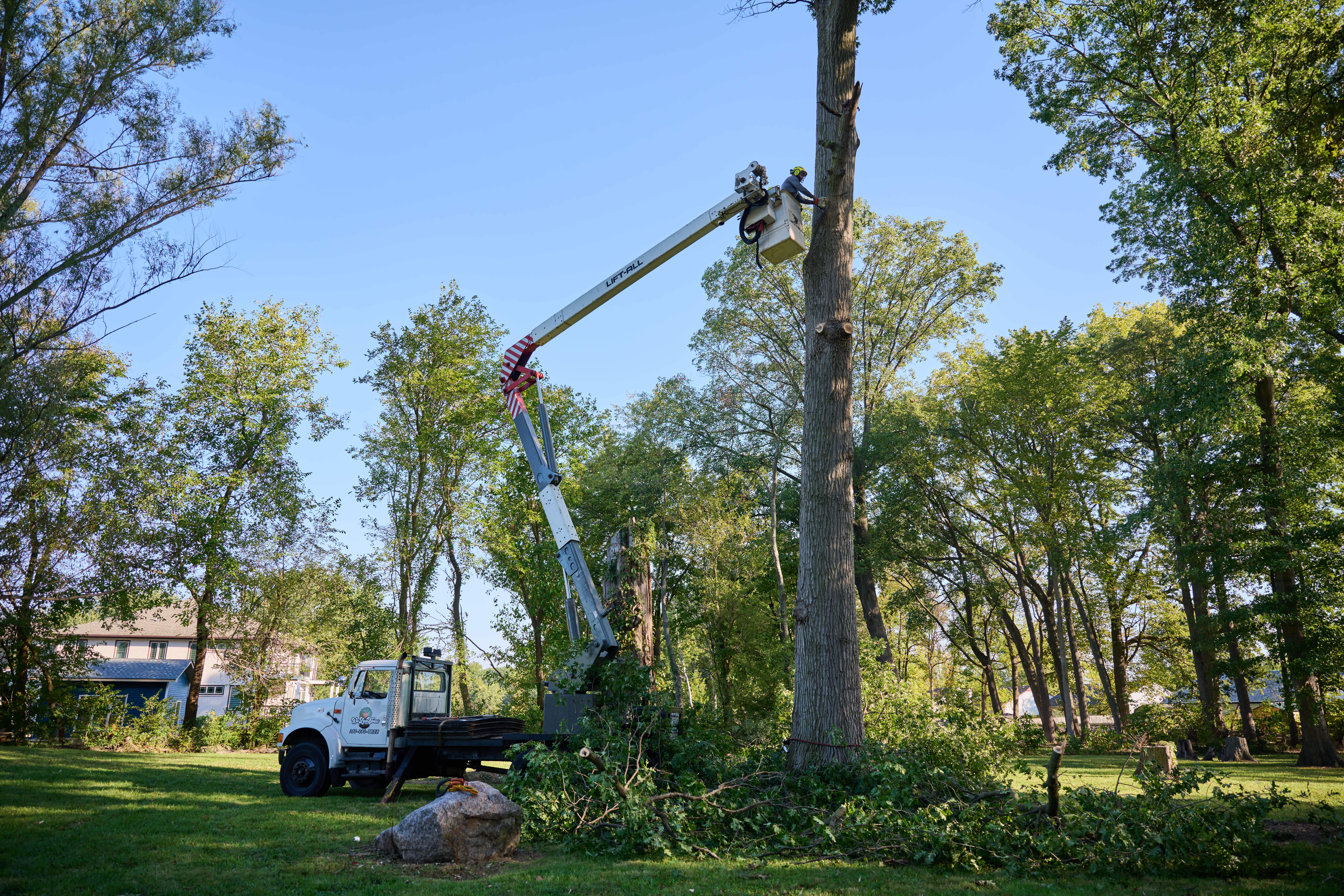
The most significant factor in tree removal costs is the amount of debris. Read on to learn more about the average tree debris removal costs in Austin, TX.
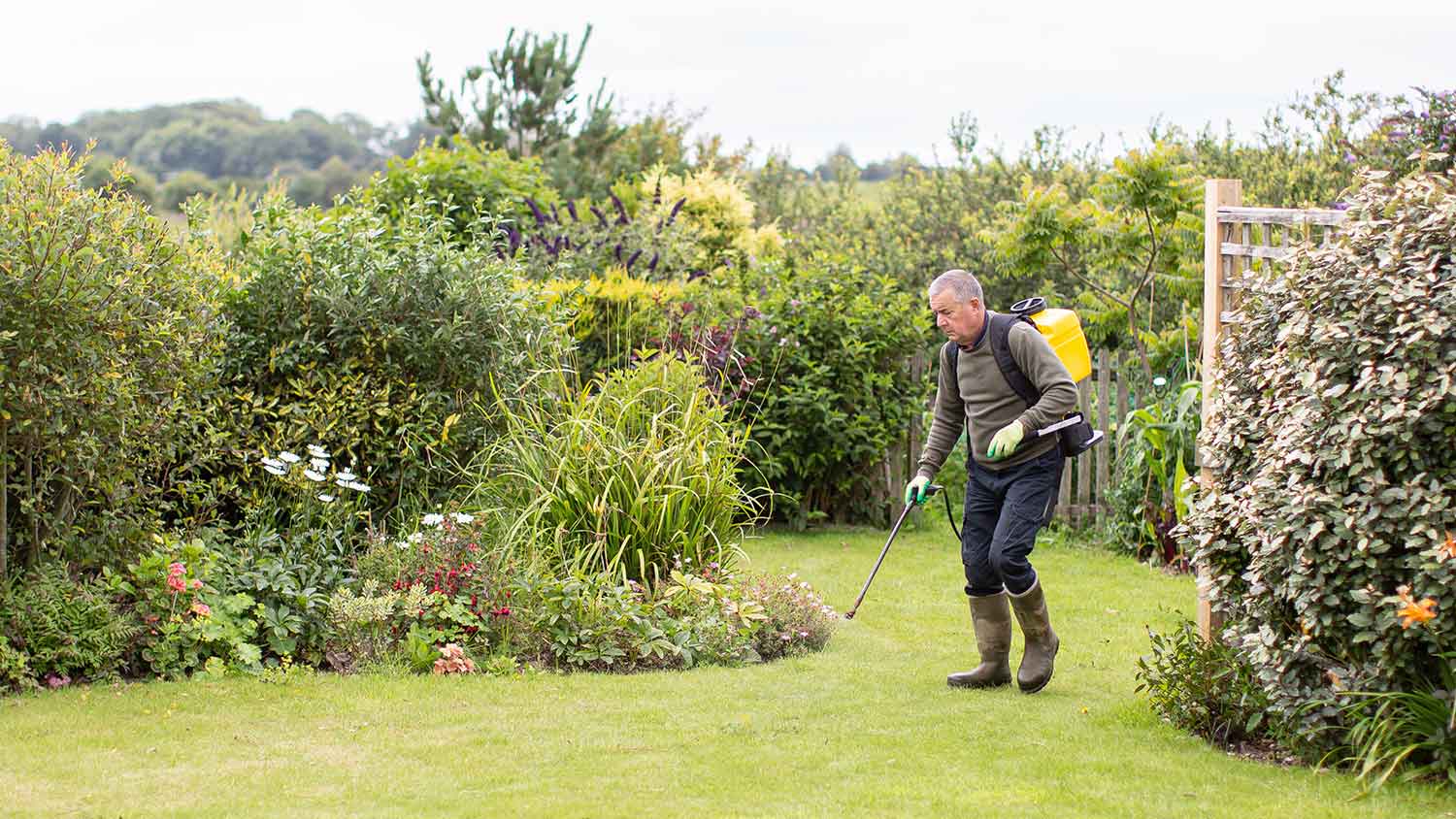
Expect your weed removal service cost in Austin, TX to depend on the size of your yard, the type of treatment, and the severity of the infestation.

Learn what the tree removal process entails and find out what qualities to look for in professional tree removal services in this guide
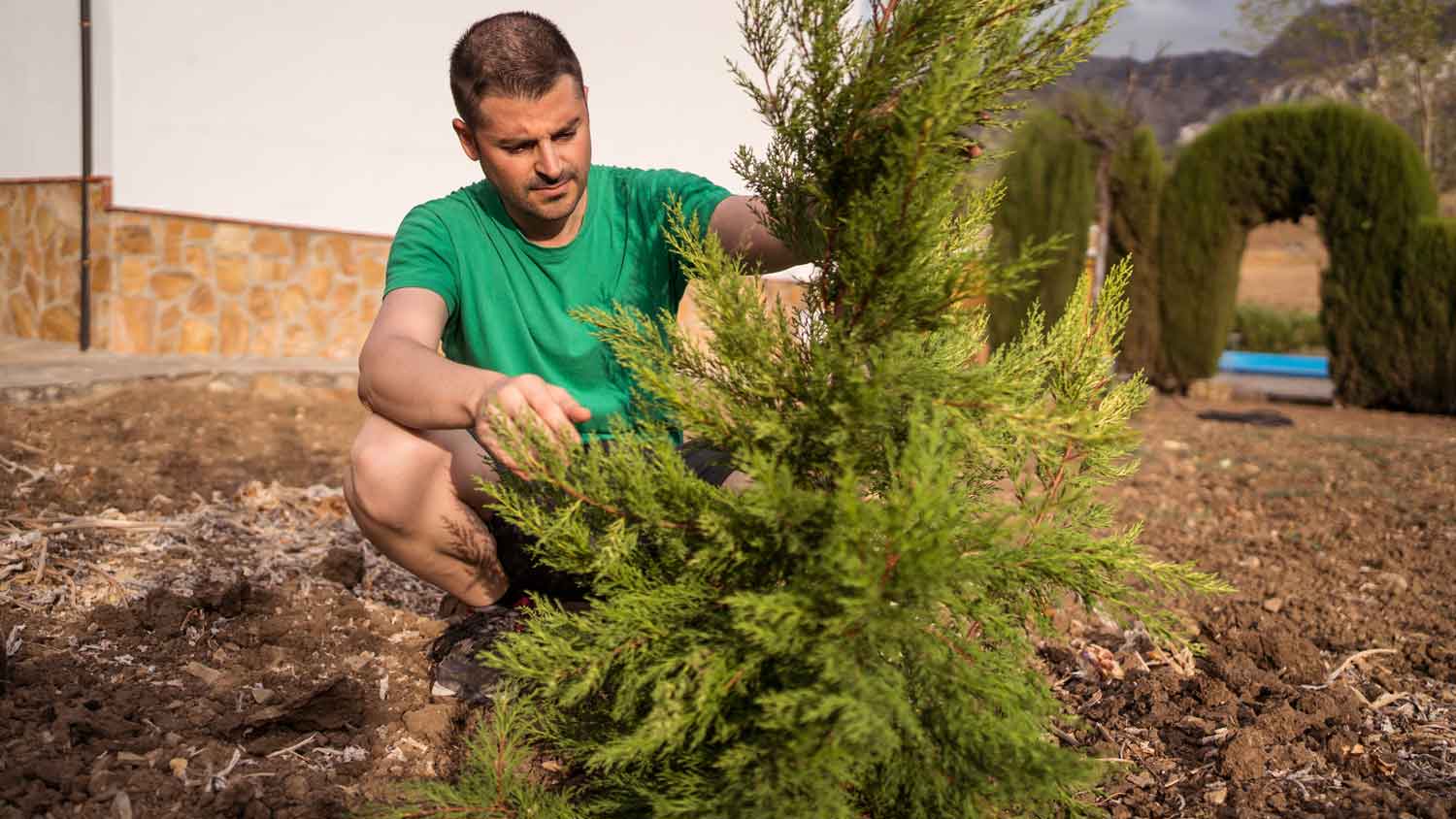
Wondering who to hire to plant trees? Learn everything you need to know about the hiring process for professional tree planting in this informative guide.
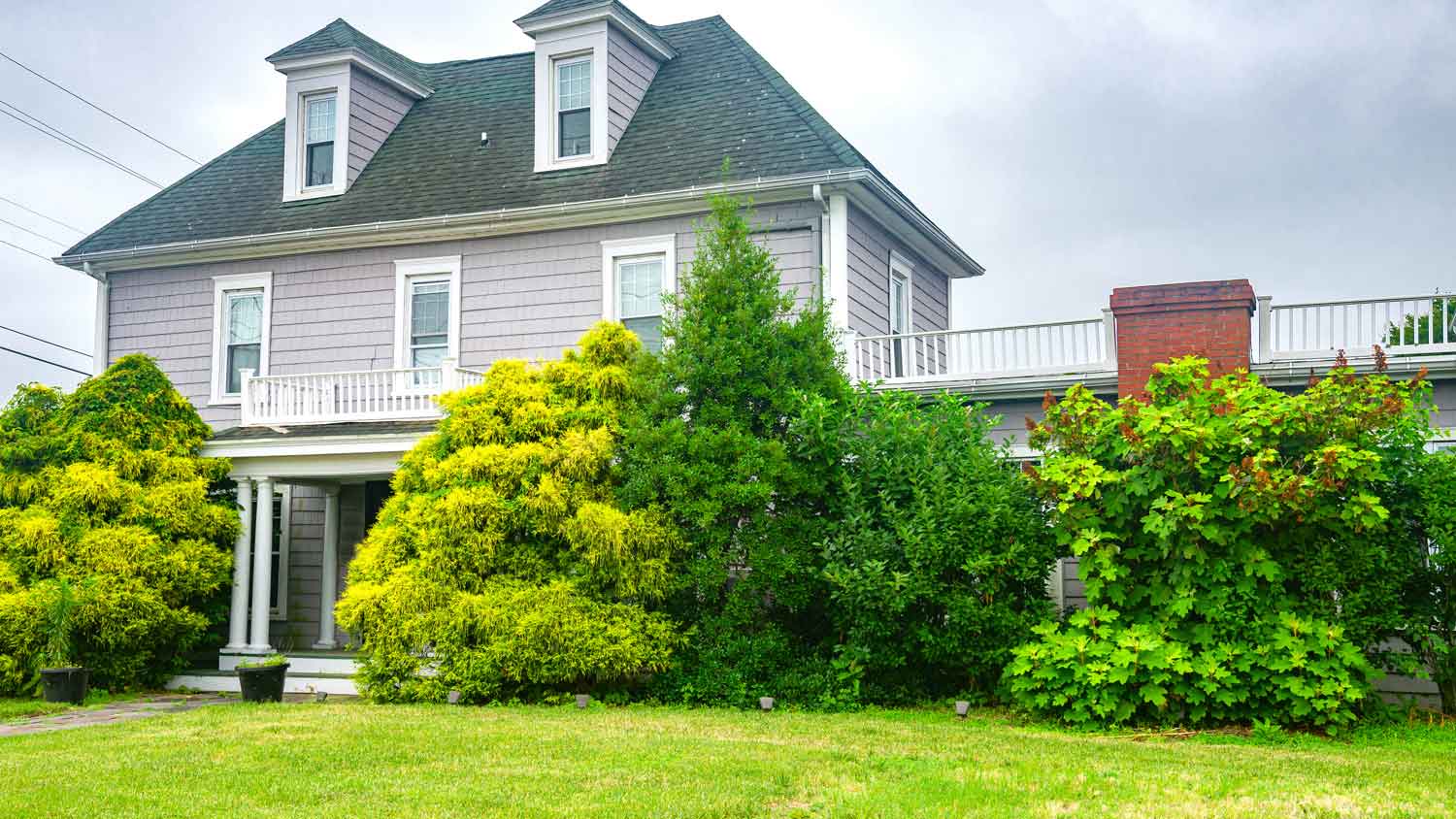
Is some flora on your property getting you down, leading you to search for how to remove a small tree? Keep reading to learn all about the process of DIY tree removal.