

Discover what average tree removal costs in Austin, TX based on different factors to know how much it will cost to take care of a dead or troublesome tree on your property.
Tree service costs depend on your project and location. Check with a local pro for your specific job.

In Austin, TX, hauling and disposal cost the most—$75 to $245 per trip, depending on load size and distance.
After those common Hill Country storms, fallen branches from cedar, live oak, and mesquite trees quickly increase cleanup demand.
Homes with dense tree cover or larger lots cost more to clean up since they’ll have more debris.
Hiring an Austin, TX, tree service prevents DIY injuries and protects your property by ensuring the job is done safely.
In Austin, TX, tree debris removal costs between $74 and $491, with most homeowners paying $147, depending on the scope of the cleanup. Between sprawling live oaks, cedar elms, and hardy Ashe junipers, it doesn’t take much wind (or ice from a rare winter storm) for branches to come down fast and leave a noticeable mess behind.
In Austin, TX, your costs for tree debris removal depend on the type of service, the amount of debris, the disposal method, and seasonal demand.
In some cases, tree debris removal companies charge by the specific type of job they carry out on your property. This payment structure is particularly helpful to keep in mind when hiring a tree debris removal team to perform other yard maintenance tasks, such as stump removal.
Check out the average prices for tree debris removal services:
| Tree Debris Removal Service | Average Cost |
|---|---|
| Brush pile removal | $150–$200 per trip |
| Tree branch removal | $75–$245 |
| Tree removal | $200–$1,960 |
| Tree stump removal | $170–$540 |
| Junk removal | $60–$590 |
| Yard cleanup | $125–$390 |
| Shrub and brush removal | $25–$150 per plant |
Not sure whether you should remove a tree from your yard? Hire a professional arborist to inspect the tree and help you determine if you should take the next steps to cut it down.

The cost of hauling your yard’s tree debris to the dump is priced by the number of trips it takes your tree debris team to clear the entire area. Tree debris removal costs between $75 to $245 per dump trip, depending on the load size, distance to the dump, and vehicle size.
When hiring a tree debris removal service, ask them to estimate the number of trips they’ll take based on the amount of debris and their vehicle size.
| Number of Trips to Dump | Average Cost |
|---|---|
| 1 | $75–$245 |
| 2 | $150–$490 |
| 3 | $220–$740 |
| 4 | $295–$980 |
There are several ways to dispose of tree debris, including chipping it into mulch, chopping it into firewood, or bringing it to your waste management facility.
| Disposal Method | Average Cost Range |
|---|---|
| Wood chipping | $50–$125 per hour |
| Log splitting | $50–$120 per hour |
| Dump disposal | $75–$245 per trip |
Contractors who use wood chippers may include this service as part of their base cost or charge an additional fee to mulch the debris. Many contractors will provide you with the resulting mulch for free if you request it, but some charge for it.
If you want the branches cut into firewood, expect to pay an extra per-hour fee for log splitting. Allow the wood to dry out for six months to a year before burning it to reduce dangerous smoke buildup.
When the debris is taken to your local green waste disposal, the contractor will pay a fee per load they bring to the dump. If your contractor intends to take the wood to your waste management facility, be sure to ask if these fees are included in their initial quote.
Tree debris removal costs rise during late spring and summer, when storms, high winds, and rapid tree growth keep crews busy. Demand often spikes after heavy rain or severe weather, driving up prices and wait times. Remember: Emergency cleanup after storms can increase rates to $100 to $150 per hour, especially for urgent or after-hours service.
When you just want your yard tidied up, consider scheduling during slower periods, like late fall or winter, when demand is lower.
Labor accounts for a major share of tree debris removal costs in Austin, TX, with most professionals charging between $30 and $90 per hour for standard work. Jobs that involve large messes, tight access, or heavy equipment like chippers or cranes will definitely increase costs.
Texas does not require a state license for tree removal or debris services, but that doesn’t mean you should hire just anyone. Austin, TX, tree service contractors must comply with city regulations, especially when working near protected trees. Removing or damaging certain trees without proper approval can lead to fines ranging from hundreds to thousands of dollars.
Permits are required for removing protected trees, particularly those with a diameter of 19 inches or more. While dead or hazardous trees may be exempt, it’s still smart to document the condition before removal.
Reputable pros should carry liability insurance and workers’ compensation to protect your property and avoid potential legal issues. Many homeowners also look for ISA-certified arborists, which signals training and expertise in safe tree care.
Depending on your project, you may need to bring in additional professionals to fully restore your yard:
Landscapers: Handle grading, planting, and yard restoration after debris removal, often costing $50 to $100 per hour
Lawn care pros: Repair damaged grass or maintain your yard, with project costs averaging at $300
Junk removal services: Haul away a mix of organic and non-organic debris, costing up to $600, depending on load size
Hiring a pro means faster cleanup, safer handling of large debris, and no guessing about where it all goes. Professional debris cleanup also keeps your curb appeal intact, and in a city where outdoor space is part of the lifestyle, a clean yard makes it all happen.
Tree debris removal is less about convenience and more about reclaiming your yard after nature does its thing. Between storm season, fast-growing trees, and heavy branches, it doesn’t take much for a yard to go from manageable to overwhelming.
To help homeowners plan their next project, Angi provides readers with carefully researched cost data and upholds strict editorial standards. We start with national average project costs, which we collect by analyzing competitor information, retailer material costs, and input from professional contractors. We then apply local price index data to calculate location-specific estimates that reflect what homeowners typically pay in their local area. To do that, we use data from the U.S. Bureau of Economic Analysis (BEA), including its Regional Price Parities (RPPs), which measure price differences across cities. This helps us account for differences in labor, materials, and overall cost of living, so estimates in higher- or lower-cost areas better reflect real-world local pricing.
Every estimate undergoes a thorough editorial review to verify accuracy, consistency, and alignment with observed market conditions.
Want to help us improve our cost data? Send us a recent project quote to [email protected]. Quotes and personal information will not be shared publicly.
Could not be more satisfied with Ortiz Brothers tree service. They showed up on time, did exactly what they were supposed to do to the first and second tree; which was to cut down, haul all the limbs away, grind down stumps and did wonderful job of clean up afterwards. Glad to write this...
 Ortiz Brothers Tree Service
I’ve had Leaf Tree Services trim my trees regularly for the past 4-5 years now because I know I can always trust them to provide quality, consistent work at a fair price. Making sure that the company I hire has plenty of expertise to get the job done right was important to me as well, so...
 LEAF TREE SERVICES, LLC
I had Brador Tree Service come out a couple times to trim and cut down trees. They did a wonderful job and exceeded my expectations! Professional and affordable. Would definitely hire again!
 Brador Tree Service
I couldn’t be happier with the work ATX Landscaping and Tree Services did on my property! The team was professional, punctual, and went above and beyond to transform my yard. Their attention to detail was impressive, and they made sure to clean up thoroughly after each visit. I’ve already...
 ATX Landscaping and Tree Services
I highly recommend Apex Arbor Specialists. Matthew has great knowledge concerning tree upkeep and their work is very professional.
 Apex Arbor Specialists
James and his crew did a fabulous job. We needed trees trimmed but mainly needed the back of the property cleared and the tree canopies raise so we could see the park and lake. Their work was exceptional plus cleaned up all the branches and vines and hauled them away. J and J Tree Service...
 Greenstar Tree and Land Services
Cameron's Tree Service did a great job. Very professional and polite. Great communication. Showed up timely and cleaned everything up after they were finished. Highly recommend. Would definitely hire again.
 Camerons Stump Grinding & Tree Services
Reliable, courteous, very conscientious, very reasonable. I highly recommend Clean Planet Tree Service.
 Clean Planet Tree Service
Great service, I would recommend to a friend. We drank freshly brewed sun tea while my trees were being tamed.
 The Giving Tree
American Tree Service did a job at my home today and they are excellent! They are highly skilled, did exactly what I asked at a fair price. These guys are hard working, genuine people who I can recommend without reservation.
 American Tree Service
From average costs to expert advice, get all the answers you need to get your job done.
Discover what average tree removal costs in Austin, TX based on different factors to know how much it will cost to take care of a dead or troublesome tree on your property.
Find out the average leaf removal cost in Austin, TX. Learn what you can expect to pay for local yard clean-up services and get your lawn ready for winter.
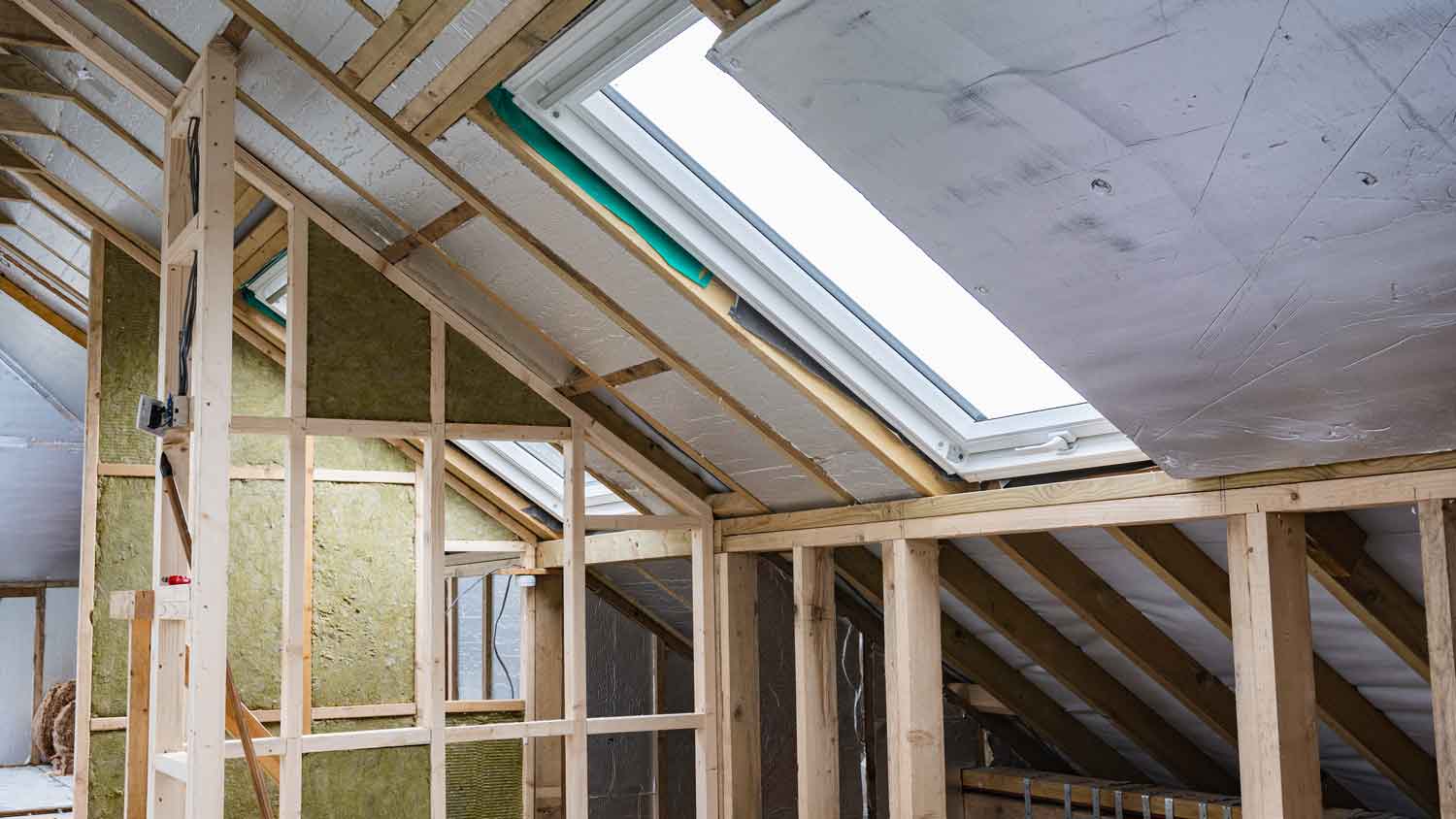
Asbestos removal costs vary based on location, the size of the job, and if there is any underlying damage. Learn what has the biggest effect on the cost in Austin, TX.
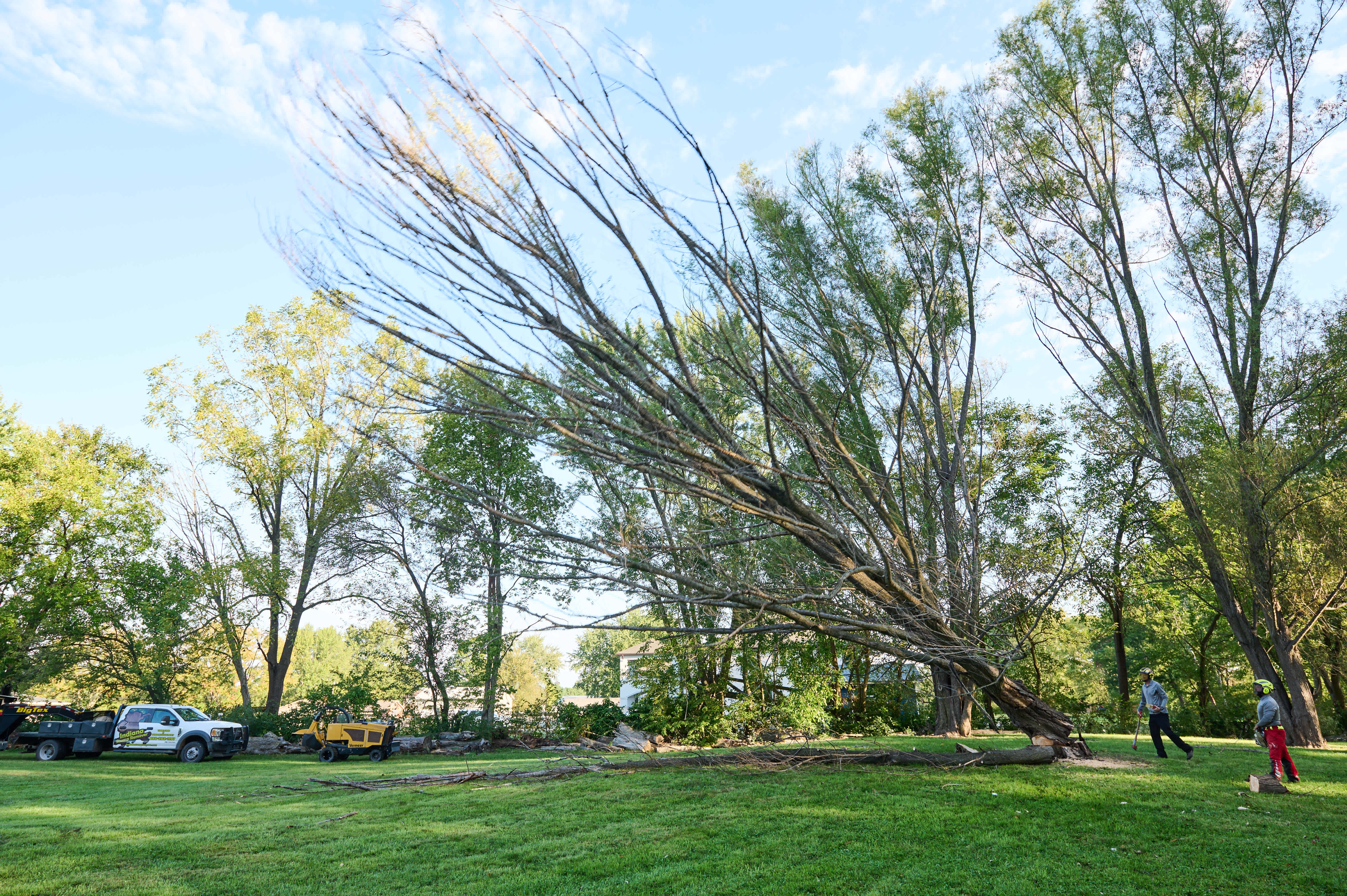
Need a tree removed from your yard? Learn how to negotiate tree removal to get the best rates on having dangerous trees removed from your property.
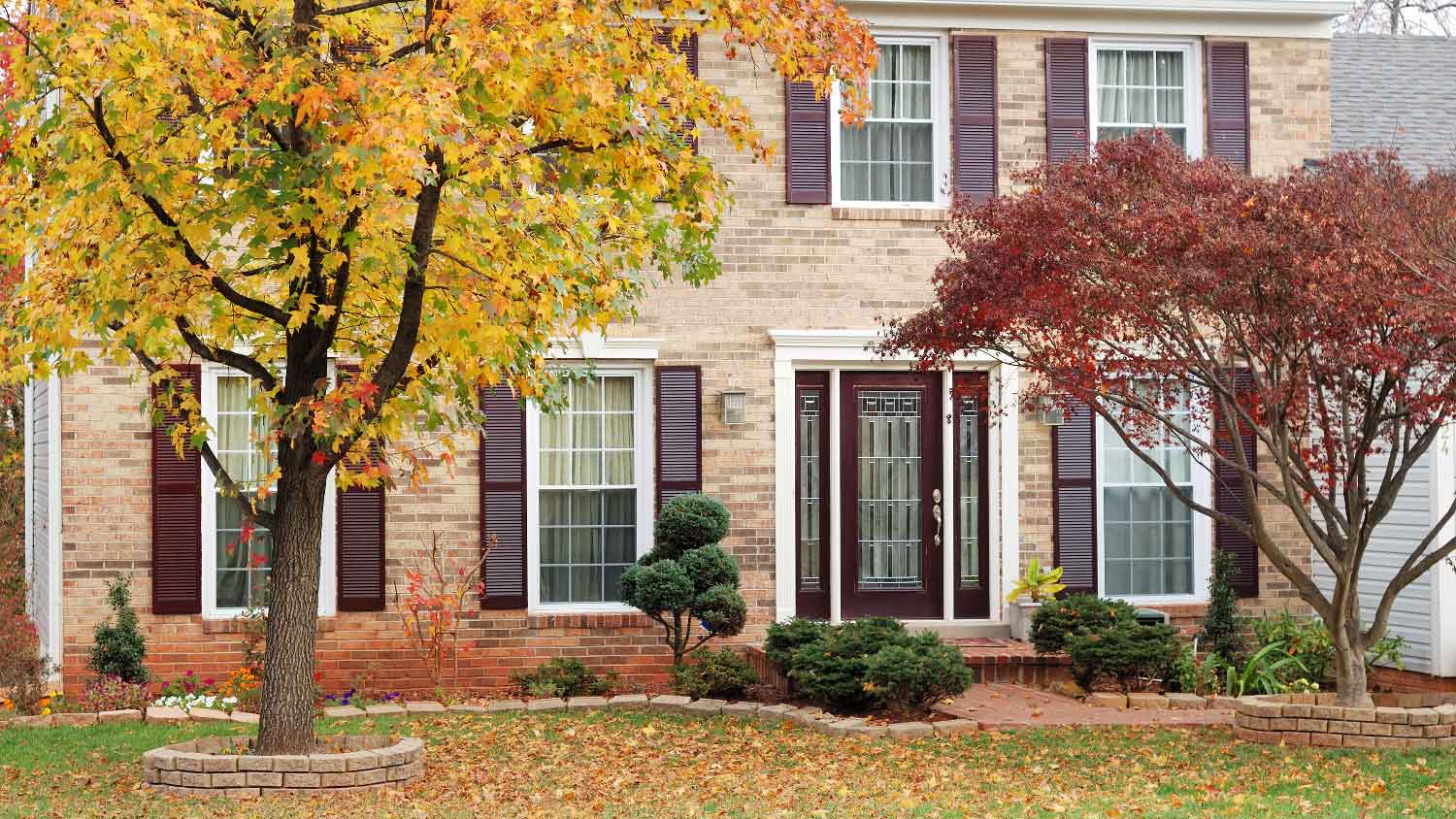
If a tree falls in your yard, your first course of action is to determine the right type of professional to call to remove it. Read on to learn who to hire.
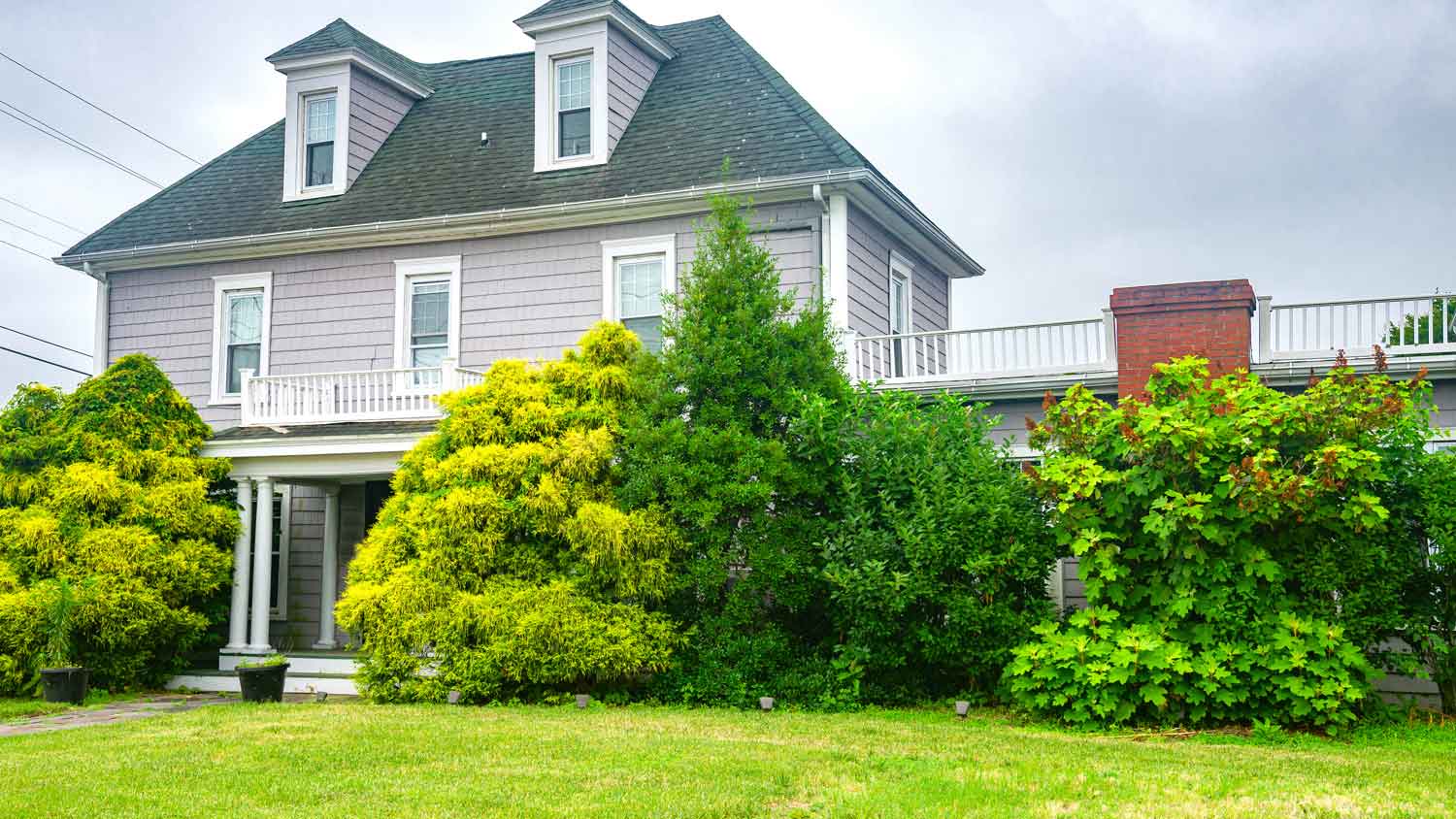
Is some flora on your property getting you down, leading you to search for how to remove a small tree? Keep reading to learn all about the process of DIY tree removal.