
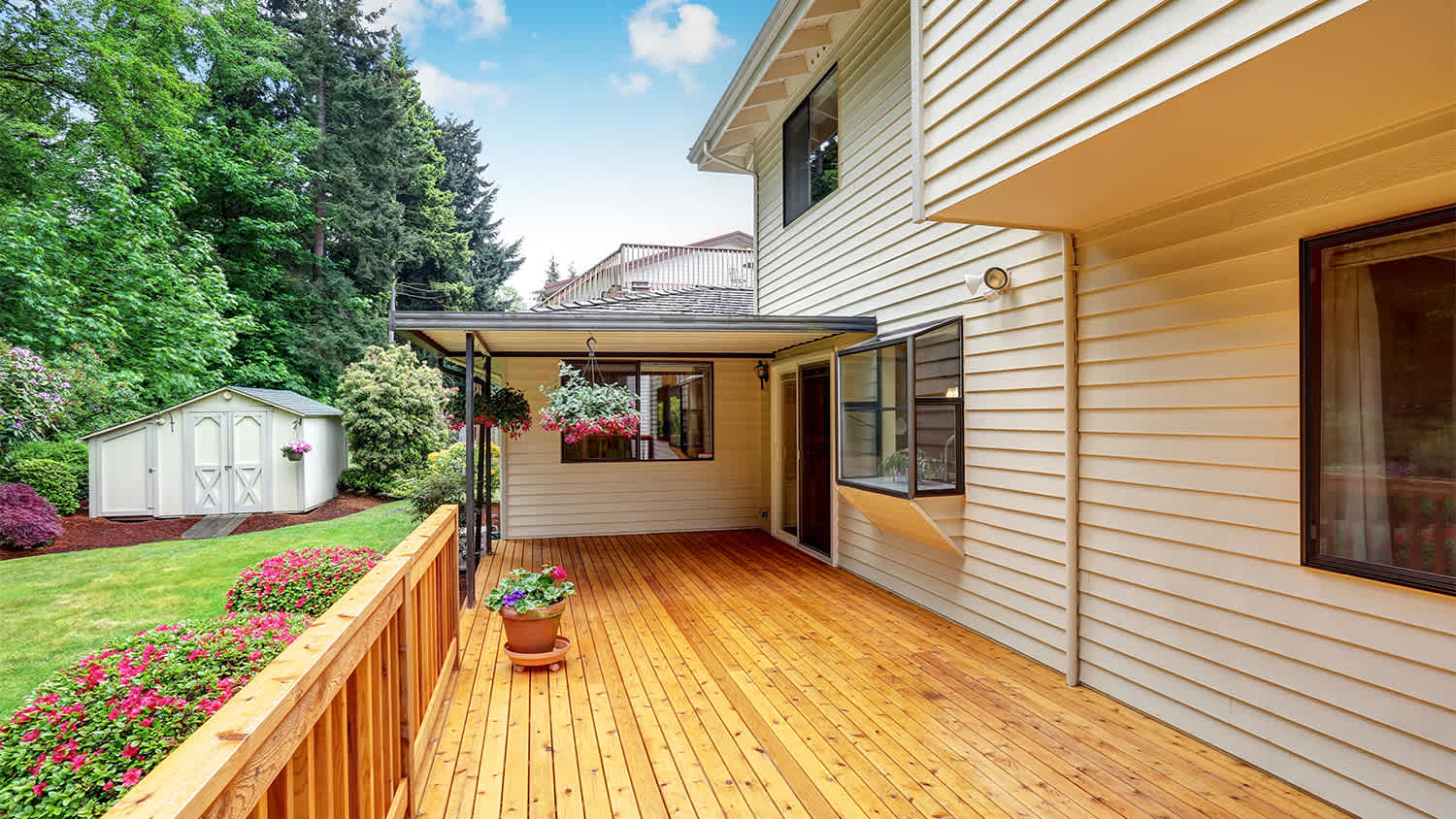
Deck repair costs depend on materials, damage you need to fix, and more. See how much it costs to replace or repair a deck in Denver, CO.
Deck and porch service costs depend on your project and location. Check with a local pro for your specific job.

Deck building costs in Denver are more than 15% higher than the national averages.
Expect to pay $34 to $69 per square foot, depending on deck size, construction style, and materials.
Invest in durable hardwood or composite deck materials to minimize the risk of warping, cracking, and fading due to the city’s extreme temperature swings.
Denver’s 9% higher-than-average cost of living and snowy winter climate deck construction considerations can also influence costs.
Building a deck in Denver, CO, costs $9,640 on average, with your final bill ranging from $5,055 to $14,243. Costs depend on the square footage, design, materials, and type of construction for your deck.
Decking out your Denver backyard allows you to take full advantage of the city’s sunny summers, snow-capped mountain views, and trend for outdoor living. Setting aside a generous budget for this construction project allows you to invest in weather-resistant materials that can handle the swings from dry, hot summers to snow-laden, harsh winters. An innovative, elevated design also promotes good underdeck airflow—necessary in the damp, snowy season.

While the deck size and material selection are major cost factors to consider, your Denver home’s location and the deck design also impact your final budget. If you want to maximize those mountain views in a steep-sided yard, you might need a complex tiered deck—and don’t forget to factor in snow loads.
Most new decks cost $34 to $69 per square foot. The higher end of that range represents deck projects built on second stories, building a deck with high-end wood, or customized designs. See the table below for general estimates based on the size of your deck:
| Deck Size in Feet | Average Cost in Denver, CO |
|---|---|
| 10x10 | $4,600–$6,900 |
| 10x12 | $4,140–$8,280 |
| 12x12 | $6,625–$9,935 |
| 12x16 | $6,210–$12,420 |
| 12x20 | $11,040–$16,560 |
| 14x20 | $12,880–$19,320 |
| 12x24 | $13,245–$19,870 |
| 16x20 | $14,720–$22,080 |
| 20x20 | $18,400–$27,600 |
Your chosen deck material will make up a large portion of your total budget, ranging from $2.30 to $52 per square foot. Less-expensive materials can be tempting, but they may result in extra expenses for maintenance and repair, which you’ll need to hire a local deck contractor to handle.
Here’s a breakdown of the materials and their costs:
Pressure-treated wood costs $2.30 to $5.75 per square foot
Composite deck materials cost $13.80 to $25 per square foot
Ipe wood decking costs $11.50 to $23 per square foot
Tigerwood costs about $8 to $17.25 per square foot
Mahogany costs $9 to $12.65 per square foot
Redwood decking costs $5.75 to $40 per square foot
Bamboo decking costs $3.45 to $11.50 per square foot
Cedar decking costs $3.45 to $8 per square foot
Metal or aluminum decking costs $17.25 to $23 per square foot
| Decking Material | Average Cost per Square Foot | Pros in Denver, CO | Cons in Denver, CO |
|---|---|---|---|
| Pressure-treated wood | $2.30–$5.75 | Affordable | Higher upkeep; more vulnerable to warping, splitting, and fading |
| Composite decking | $13.80–$25 | Low-maintenance and UV-resistant options | Can warp in high temps; dark colors can absorb intense heat |
| Ipe Wood | $11.50–$23 | Durable and weather-resistant | High-cost, high-maintenance; requires strong framing to cope with deep snow loads |
| Tigerwood | $8–$17.25 | More durable than oak and many other hardwoods | Not as durable as Ipe wood |
| Mahogany | $9–$12.75 | More durable than cedar, pine, and redwood; naturally rot-resistant | Less durable than Ipe and tigerwood |
| Redwood | $5.75–$40 | More durable than pine; naturally rot-resistant | Less durable than Ipe, tigerwood, and mahogany |
| Bamboo | $3.45–$11.50 | Durable, sustainable, contemporary aesthetic | Prone to retaining heat, fading in the sun, and warping and cracking if poorly treated during freeze/thaw cycles |
| Cedar | $3.45–$8 | Rot and insect resistant; doesn’t absorb heat like darker woods and composites | High-maintenance and less durable than hardwoods |
| Aluminum/Metal | $17.25–$23 | Highly durable, low-maintenance, fire- and weather-resistant | High up-front cost; heat and cold conductor; slippery when wet |
Simply put, the more complex your deck build is, the more it will cost. Types of decks like wraparound, multi-tier, and rooftop decks require greater accessibility, additional prep work, and often more materials.
For example, if you want to build a floating deck, it will likely cost about $23 to $69 per square foot. These decks don’t actually float—they’re just not attached to your home. Because of this, they’ll need a few more support posts to keep them structurally sound.

The type of deck you build will likely go hand in hand with where it’s installed. A second-story deck (which some contractors might deem a balcony) costs more to build because it’s harder to install. The most common place to install a deck, which is also likely the most cost-effective, is on the first floor attached to the backside of your home.
Here’s one example of how the cost average might differ:
10x10 first-story deck: $1,150–$2,300
10x10 second-story deck: $4,600–$5,750
Framing a deck, which ensures the unit's joints are structurally safe and sound, costs $10 to $13.80 per square foot for labor. The lumber or materials needed to frame your deck account for about one-third of the lumber you’ll need.
Some homeowners choose to install flooring over a wood deck. Composite is a good material option, while more elegant choices like porcelain or ceramic could add thousands (or tens of thousands, depending on the deck’s size) to your price tag. The average cost ranges from $23 to $52 per square foot, depending on the material.
Here are some other costs you might incur if you upgrade from a simple deck build:
Staircase cost: $25–$50 per stair
Electricity cost: $130–$300 per outdoor outlet
Outdoor lighting fixtures cost: $50–$500
Heaters cost: $100–$300
Outdoor misting system cost: $2,100–$3,400
Sofa, chairs, and table cost: $500+
Outdoor fireplace cost: $1,500–$8,000
Retractable deck awning cost: $600–$3,500
While it’s possible to learn how to build a deck yourself, unless you have experience tackling large-scale carpentry projects, we recommend hiring a deck and porch pro in Denver to save time, stay safe, and prevent budget-breaking blunders.
While construction costs in Denver are similar to the national average, the overall cost of living is around 10% higher. Additionally, the popularity of decking in this outdoor living-focused city means demand for professional services is high. Labor costs to build a deck in Denver average between $17 and $40 per square foot.
Installation costs can be higher for tougher-to-cut, high-quality hardwoods like Ipe, or if you’re opting for a complex elevated or multi-tiered deck construction to take advantage of those Rocky Mountain views.
If you’re installing a deck in Denver that’s more than 12 inches off the ground, you will need a zoning permit, costing between $35 and $100. For decks over 30 inches off the ground, budget between $35 and $228 for building permit costs. The precise fee depends on the deck’s size, whether it’s attached to the home, and the project’s total valuation. Some decks may also require a sewer use and drainage permit (SUDP).
Decking contractors in Denver, CO, typically require a contractor’s license to pull building permits and comply with local regulations. When obtaining quotes from deck builders, verify that they’re fully licensed, bonded, and insured to ensure a professional, protected standard of work that meets local building code standards. You can verify a deck builder’s license via the City and County of Denver website.
If you are satisfied with the deck-building work, tipping your contractor between 10% and 20% of the original job estimate is a common practice, but not required.
Professional installation ensures that the deck is built to code, minimizing the risk of costly repairs or replacements due to structural issues, improper materials, or faulty construction techniques. Moreover, pros have access to industry discounts on materials and tools, which can reduce up front costs.

In Denver, CO, adding a deck can boost your home’s value. This addition taps into the desire to live an indoor-outdoor lifestyle in a city that receives an average of 300 sunny days and boasts dreamy mountain views. It’s a desirable selling point for potential homebuyers and can offer an average return on investment (ROI) of 65% to 80% if you pick quality materials and a construction style that can handle heavy winter snow loads.
Home is the most important place on earth, which is why Angi has helped more than 150 million homeowners transform their houses into homes they adore. To help homeowners with their next project, Angi provides readers with the most accurate cost data and upholds strict editorial standards. We survey real Angi customers about their project costs to develop the pricing data you see, so you can make the best decisions for you and your home. We pair this data with research from reputable sources, including the U.S. Bureau of Labor Statistics, academic journals, market studies, and interviews with industry experts—all to ensure our prices reflect real-world projects.
Want to help us improve our cost data? Send us a recent project quote to [email protected]. Quotes and personal information will not be shared publicly.
Design Exteriors designed, built and installed custom iron railing for the front porch of our home. The design exceeded our expectations, as it was contemporary yet looked like something that would have been added when our home was built. The powder coated iron with hold up well on our south...
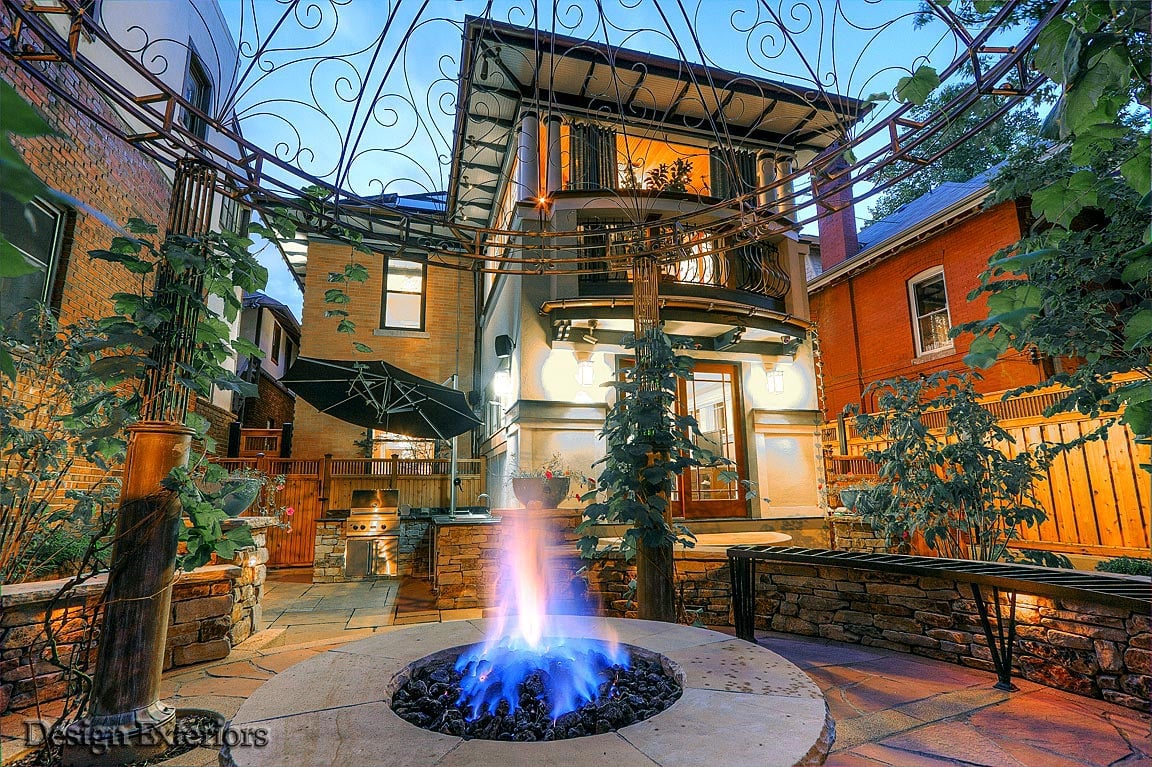 Design Exteriors LLC
Sal and his crew built an amazing veranda off the back of my home. It’s solid, well-built, and beautiful. Sal was great to work with to get exactly the right custom deck built. He and his team worked through unexpected issues with the existing home with professionalism and sound engineering...
 Raven Builders LLC
They did great work on my deck. Clean, efficient, great prices. Loved the work done. I would definitely recommend then to my friends and family. And I would definitely contract them for any future work I need done.
 Warren Miller Construction
Excellent quality and value. Replaced my old wood deck and stairs with a beautiful composite deck and stairs. Courteous and professional service. I love my new deck. Thank you.
 Highlight Custom Decks
These guys are amazing!!! They are everyday until our deck was complete, they listened to our ideas and made the deck of our dreams. They are very precise and friendly. Our deck is perfect!
 ZZZ Construction
They were fast to replace our deck stair railing and did a great job.
 Professional Building Company
They also provided paint to front porch and railing. All work done by A1 was top notch. Would highly recommend!
Armando and his crew did an amazing job replacing our deck! His attention to detail was spot on! Already have multiple people see our new deck, love it and asked for his number! We highly recommend this company for any construction needs you may have!!
all aspects of my deck repair were done first class, on time
 Porch Outfitters
Our 12x14 deck needed repairs and I hired Sam of I Am Carpentry and made the right choice. Sam was very thorough, tidy and honest. The finished deck looks fantastic! We have other projects around the house that needs attention and I will hire Sam again.....no need to shop around for quotes.
 I Am Carpentry
From average costs to expert advice, get all the answers you need to get your job done.
Deck repair costs depend on materials, damage you need to fix, and more. See how much it costs to replace or repair a deck in Denver, CO.
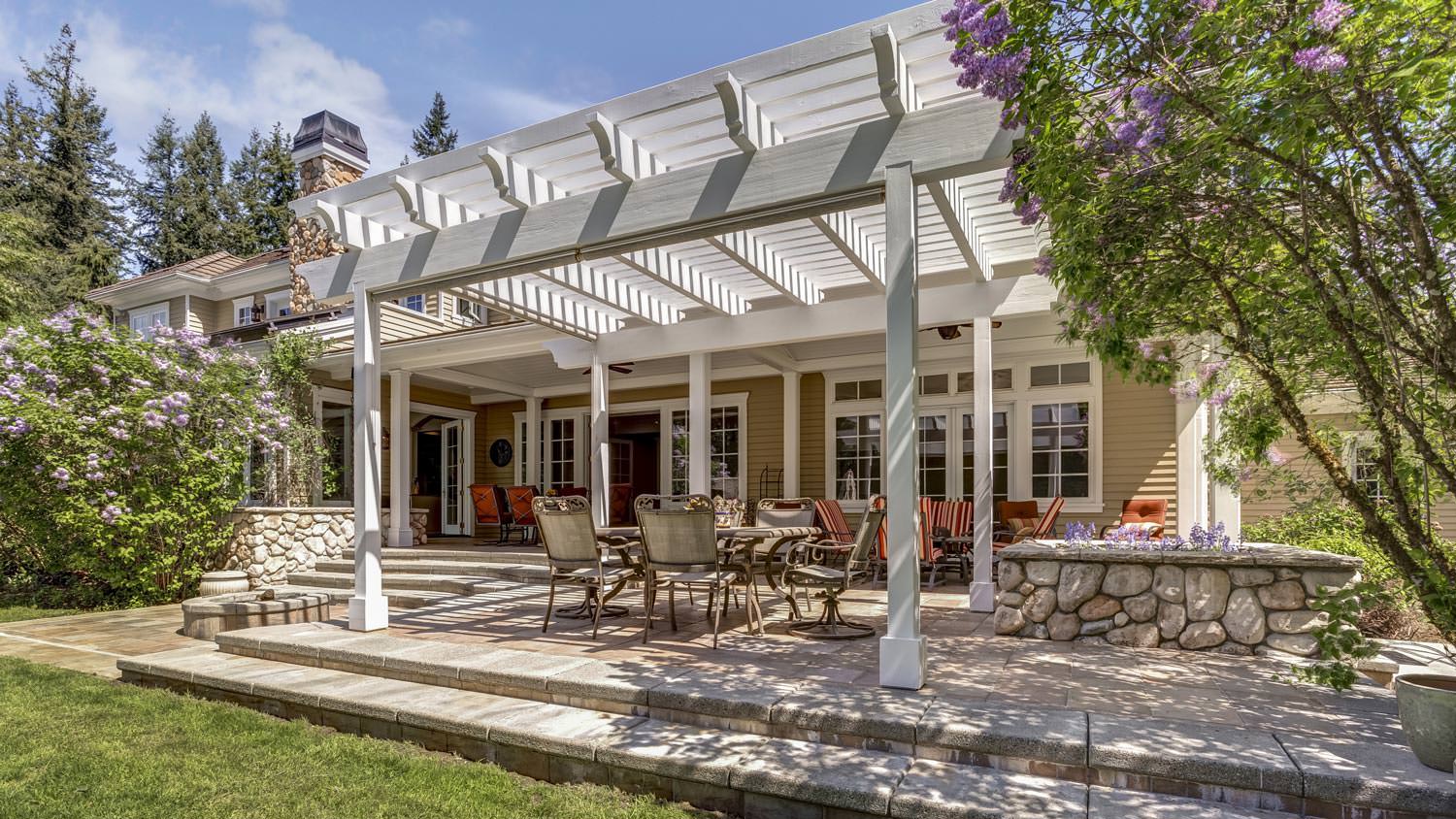
Find the average arbor, pergola, or trellis building cost in Denver, CO. Learn what you can expect to pay for materials and labor for your backyard oasis.
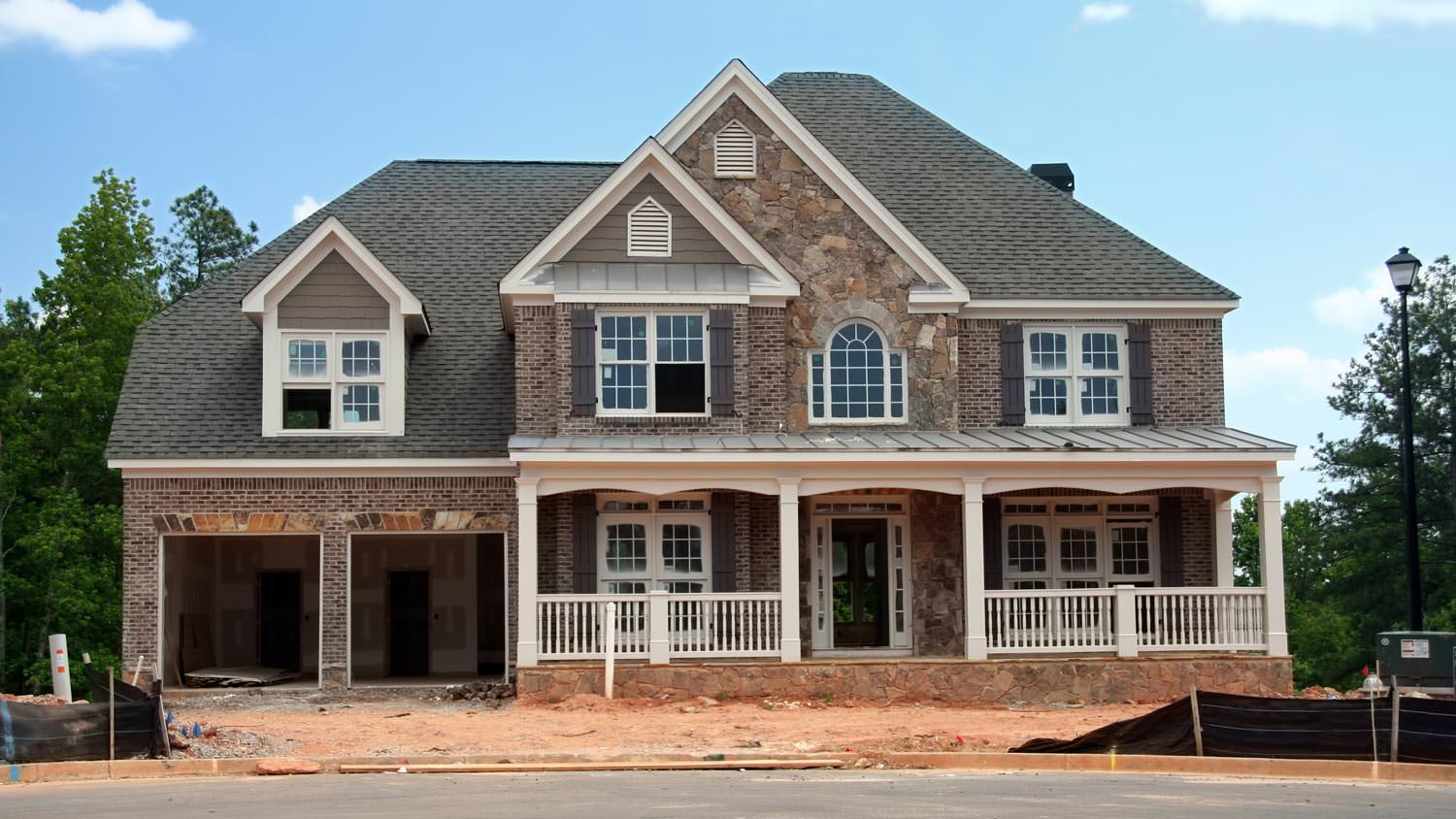
Wondering how much it costs to build a house in Denver, CO? Use this guide to cover all your bases, from permits and planning to construction and finishing touches.
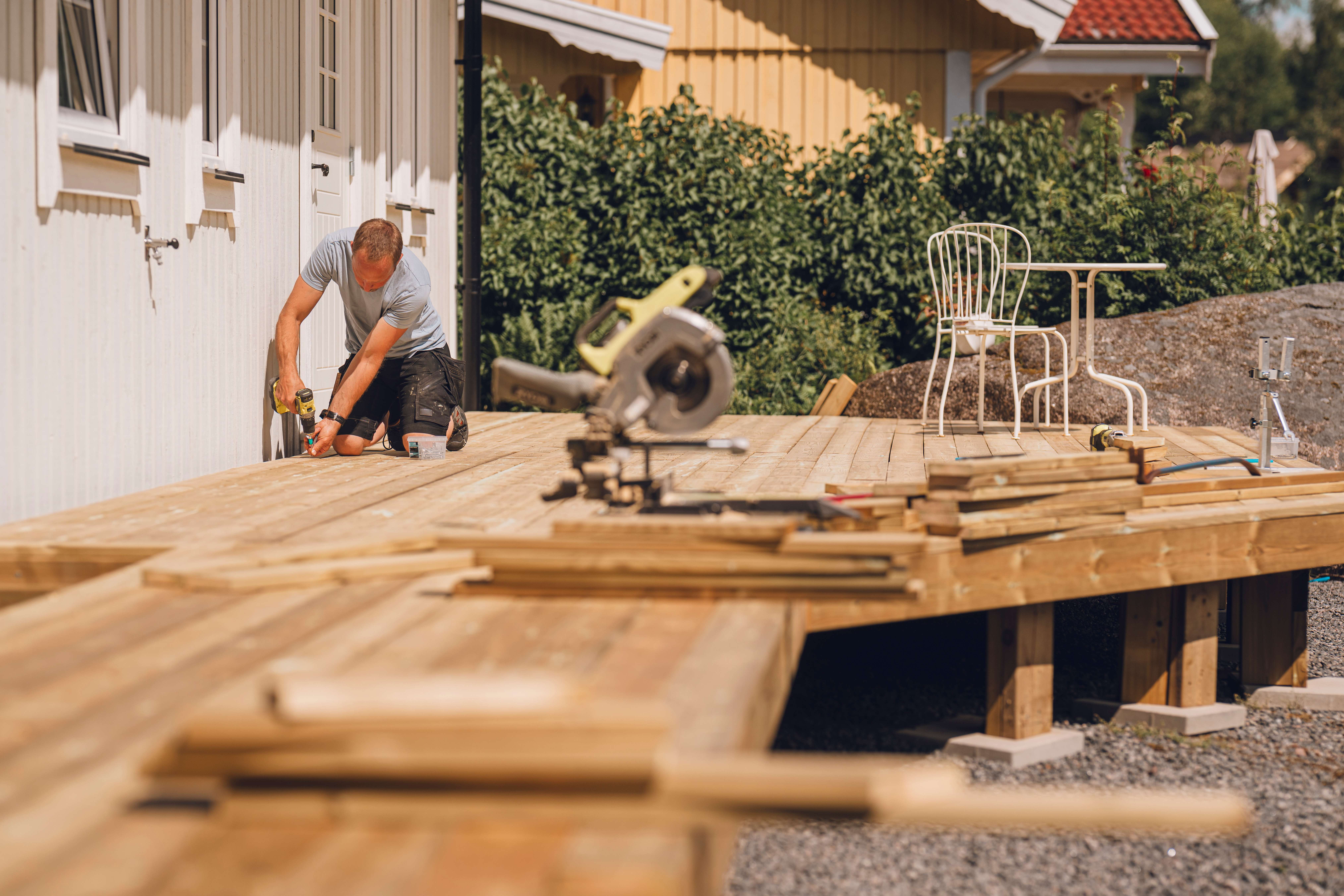
Save time and money by learning how to hire a deck-building pro who has the qualifications and skills to design and build your dream deck.
Building a deck expands your living space to the outdoors. Here’s a deck building materials list that lays out all the supplies you need to create the perfect deck.
Thinking about a deck building project? Learn about design options, average costs, and how to hire the right local pro to create your perfect outdoor space.