
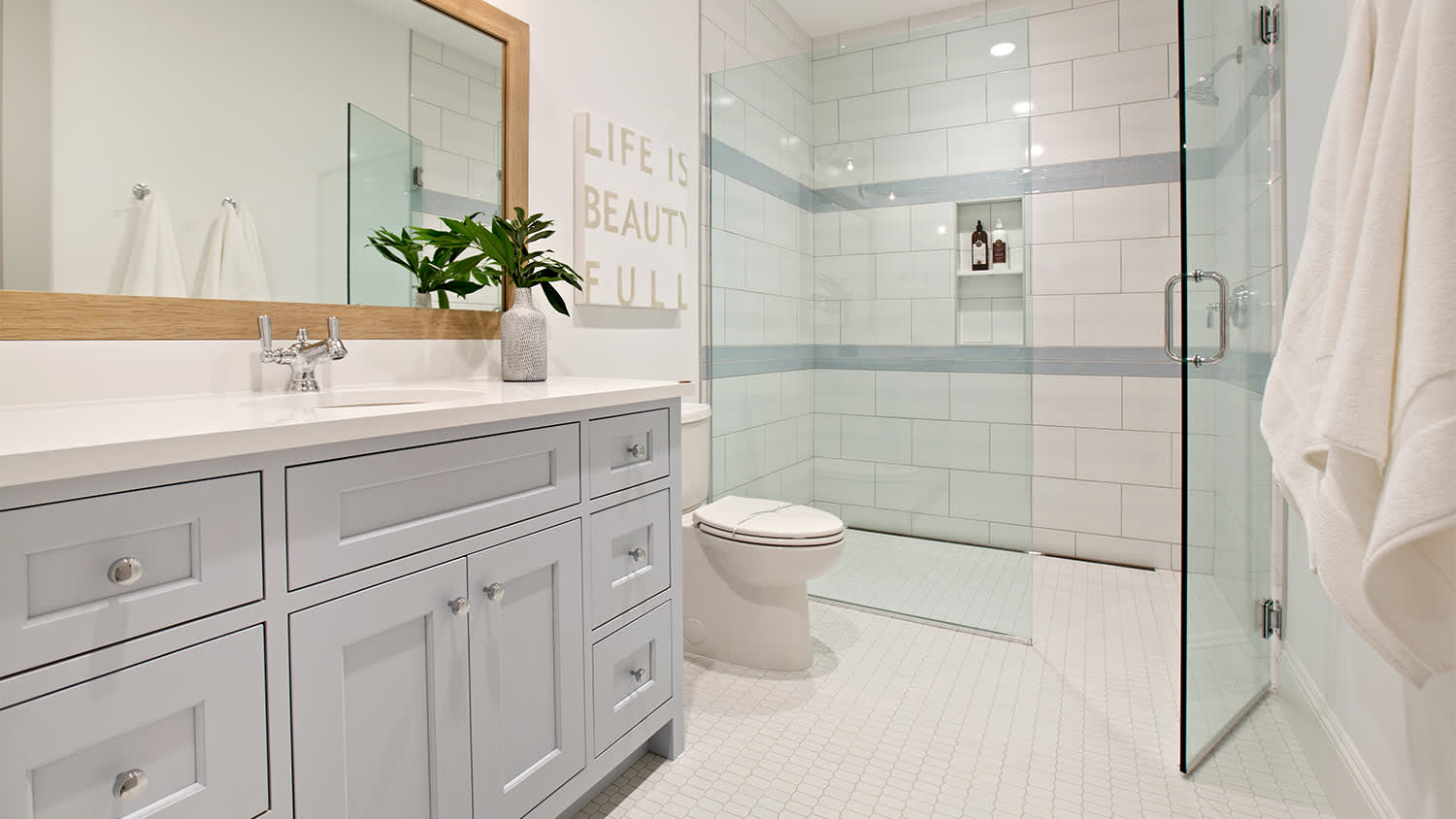
The cost to add a bathroom in Denver, CO requires planning layout, square footage, plumbing, electrical, and more. Read on for a cost breakdown.
Kitchen and bathroom remodel costs depend on your project and location. Check with a local pro for your specific job.

Finished basements are some of the most common room addition projects in Denver, CO, costing around $15,900 to $79,400.
Expect to pay between $85 and $215 per square foot of space you want to add or convert.
You’ll need to budget for permit fees, which add an average of $430 to your total.
Hiring a remodeling company in Denver, CO, is the best way to ensure safe, legal, and professional construction.
The average cost of a room addition in Denver, CO, is $50,784, and most projects in the city total between $22,112 and $76,811. Your costs will depend mostly on the size of the room and the type of room you’re adding. Since the cost of living in the area is 25% above the national average, labor fees for planning and construction push average costs higher than you’d pay in most other cities.
A small bathroom or mudroom addition in Denver, CO, could cost as little as $7,406, but larger and more involved additions, like standalone ADUs, could cost $132,250 or more. Consider the following cost factors to get a better idea of where your total will fall within this range.
The size of your new room is one of the biggest factors that affect the overall cost. Basically, the bigger the room you want to add on, the more you can expect to pay for the project, as each square foot you add to your living space will drive your cost up by around $85 to $215 per square foot. Here's a breakdown of average prices.
| Room Size | Average Cost Range |
|---|---|
| 20’x20’ | $33,900–$84,600 |
| 12’x12’ | $12,200–$30,500 |
| 10’x12’ | $10,200–$25,400 |
| 400 sq. ft. | $33,900–$84,600 |
| 500 sq. ft. | $42,300–$105,800 |
| 600 sq. ft. | $50,800–$127,000 |
| 1,000 sq. ft. | $84,600–$211,600 |
Different types of rooms have different installation requirements, which can tack onto the cost of your addition. For example, if you're adding a primary suite with an attached bathroom, you'll need to pay extra for things like bathroom plumbing, which can add between $1,590 and $4,230 to your total.
Here's what you can expect to pay, depending on the type of room you want to add.
A bedroom addition costs $52,900 on average, depending on its size and features. Larger bedrooms with more space, windows, and walk-in closets will all push costs up. Small bedrooms for kids or guests will be much easier on your wallet. Adding a bedroom can increase your home’s value and make it more appealing to potential buyers when it comes time to sell.
Adding a new bathroom costs $23,300 in Denver on average, but it significantly increases the value of your home. You can expect a 47% to 67% ROI on your bathroom addition, making it one of the best room addition options for value. A half bathroom, which includes only a sink and toilet, takes up much less space and is a more affordable project, costing between $4,440 and $12,700.
The cost to build a primary bedroom with a bathroom ranges from $31,700 to $105,800, but it can vary quite a bit depending on the details. For example, if you add a particularly large suite or high-end features, like custom cabinetry and marble countertops, the project can easily cost well beyond the normal range.
A new kitchen installation costs between $37,000 and $100,500 in Denver, with prices averaging $68,800. Certain features like islands and appliances account for a lot of that price, so it’s possible to cut expenses in many ways.
A bump-out addition expands a current room with a new foundation, framing, and exterior building materials, and it often adds new amenities. Bump-out additions cost around $4,230 to $31,700, depending on the amount of space you’re adding. Because there’s little electrical work and rarely any plumbing, bump-outs are more affordable than many additions.
Bump-out additions are usually feasible in Denver, as the average lot size is 0.131 acres or just over 5,700 square feet. The average home is a little over 2,000 square feet, meaning there’s usually room for a bump-out without running into setbacks. You may not have this option, though, if you have an unusually large home or an unusually small lot for the area.
Are you looking to create a separate dining room or build a new version of your current dining room? Expect to pay between $3,170 and $52,900 in Denver. High-end lights or chandeliers, a wet bar, and other amenities will add significantly to the price.
Finishing a basement refers to converting a basement space into a fully livable room complete with lights, heating, and more. The cost to finish a basement ranges from $15,900 to $79,400, depending on the amount of work you need to do. A half-finished basement will take notably fewer materials, for example.
Most homes in Denver have basements, which are prevalent in colder climates, as they protect underground utility lines from freezing. As a result, finishing a basement is one of the most popular ways to add a room to a home in the city. It’s also a high-value project, as you get a large amount of usable living space without having to go through foundation pouring and major construction.
Finishing an attic is similar to finishing a basement, although the addition tends to be simpler and less expensive. Most owners finish an attic to turn it into an extra bedroom, office, or lounging area. Expect to spend between $10,600 and $52,900 on the cost of finishing an attic.
A garage can serve many purposes, but it’s often an excellent spot for a game room, extra bedroom, or office. It’s also a lower-cost project than many kinds of additions, with less wiring and plumbing work needed. Converting a garage to a room costs between $6,350 and $28,600.
Adding a bonus room above the garage costs an average of $125 per square foot, with the average project totaling $47,600 in Denver. However, the cost varies based on factors like whether you need to build a staircase or change the structure of your existing garage. Significant structural changes can add around $10,600 to $42,300 or more.
Most homeowners in Denver pay between $5,290 and $7,400 on the cost of adding a laundry room to their home. However, if you decide to upgrade your appliances, replace or install a sink, or install more shelving, the cost can reach as high as $10,600 or more.
Thanks to their small size and nonexistent plumbing requirements, mudrooms are often the least expensive rooms to add on. A 36-square-foot mudroom at the entrance of a home or a new entryway costs between $3,800 and $7,600, depending on the type of flooring and storage you add.
Mudrooms detract from usable living space and are sometimes an issue with property value in areas where square footage is limited. Luckily, the average home in Denver is over 2,000 square feet, so even a few dozen square feet dedicated to a mudroom won’t have a major negative impact on value.
Depending on construction, a window-filled sunroom can serve as a play area, a second living room, or even a small indoor greenhouse. Expect the average three-season sunroom to cost between $10,600 and $42,300.
Sunrooms are more popular in hotter climates where they remain usable for longer periods. They’re not nearly as prevalent in Denver, where the climate is relatively cool and winters are long and frigid. More residents opt for a bump-out addition tied into the main home’s HVAC system than a true sunroom addition.
Adding an in-law room or rooms to your home can require numerous special considerations, including privacy and access concerns that could increase the project's cost. Adding an in-law suite costs around $46,600 to $105,800, depending on its size and complexity.
Another option for an in-law or guest suite to consider is building an accessory dwelling unit (ADU) or a home addition. At the end of 2024, the Denver City Council passed legislation that doubles the land on which ADU construction is legal, and ADU zoning is much more lax now than before. Most residents will have the option to build an ADU as a result, and most will have the space to build, given the average lot size of 0.131 acres in the city.
Between $20,300 and $30,500 will go toward labor alone when you add a room to your home using a remodeling company in Denver, CO. That means labor accounts for around 40% to 60% of your total. Hourly rates for labor, which scale with the local cost of living, are relatively high, as the cost of living in the city is 25% above the national average.
Materials and labor make up the bulk of your costs, but you’ll also need to budget for building permits, which the local building department requires for most room addition projects. The city charges $420 for the first $50,000 worth of work, plus $10 for each additional $1,000 worth of work. Given the average room addition cost in Denver, budget around $430 for permit fees.
Room additions can sometimes require help from other professionals, like plumbers and electricians, if you need to tie utilities into your new space. You may need to consider the following labor costs, as well.
Electrician: $1,220
Plumber: $1,060–$10,600
HVAC professional: $2,120–$3,180
Structural engineer: $75–$265 per hour
Architect: $135–$265 per hour
Foundation contractor: $10–$40 per sq. ft.
Adding a room to your home will usually increase home value, but your return on investment will depend on the type of room you want. You’ll see the lowest ROI from a mudroom addition, while a bathroom addition can fetch the highest ROI of up to 70%. In Denver, that would mean an average value bump of $16,300.
To help homeowners plan their next project, Angi provides readers with carefully researched cost data and upholds strict editorial standards. We start with national average project costs, which we collect by analyzing competitor information, retailer material costs, and input from professional contractors. We then apply local price index data to calculate location-specific estimates that reflect what homeowners typically pay in their local area. To do that, we use data from the U.S. Bureau of Economic Analysis (BEA), including its Regional Price Parities (RPPs), which measure price differences across cities. This helps us account for differences in labor, materials, and overall cost of living, so estimates in higher- or lower-cost areas better reflect real-world local pricing.
Every estimate undergoes a thorough editorial review to verify accuracy, consistency, and alignment with observed market conditions.
Want to help us improve our cost data? Send us a recent project quote to [email protected]. Quotes and personal information will not be shared publicly.
We couldn’t be happier with our experience with Remodel Works. They recently remodeled my mother’s bathroom, and from start to finish the process was truly excellent. John DeLuca, our Designer was fantastic from day one—knowledgeable, honest, and completely upfront about costs, which we...
 Remodel Works Bath & Kitchen
Tyler and his team are super easy and pleasant to work with, they remodeled two custom bathrooms for me exactly the way I wanted and even made renders of them before it was done. They really made sure everything was perfect for me and worked with me every step of the process. Even when mold...
 Mannis Home Enhancement LLC
I hired Eddie to do a full remodel in my bathroom & it was the best decision. The tile and fresh paint made the bathroom look unrecognizable.
 Eddies Services, LLC
I had Construction Transport LLC do a complete remodel of my bathroom. They were fast, very high quality work, and good pricing.
 CONSTRUCTION TRANSPORT RESTORATION LLC
Remodeling our kitchen. Had to test walls and ceiling. Quick and great customer service.
 Mountain West Environmental, LLC
They do great work, hired them for the kitchen remodel. They did such a great job and their pricing was competitive. Ended up remodeling my bathroom and they did the work with that also. I'm so pleased with the outcome
 NDS Construction LLC
I had them remodel my basement and after seeing the quality of work I had him remodel two and a half bathrooms in the house. They look great and my friends and neighbors asked for his number. I very highly recommend this company for any work that needs to be done. You will not be disappointed
Hired to remodel- bathroom/ shower. Picked out great tile & flooring. Bathroom ended up looking great. Additionally remodeled kitchen - picked out great tall cabinets & counter top / back splash. Bathroom & kitchen ended up looking great. There was a wind storm during the end of...
 LW Construction, LLC
ACN Construction delivered an outstanding kitchen and bathroom remodeling experience. Their professionalism, attention to detail, and craftsmanship exceeded my expectations. From start to finish, the team showcased excellence in communication and commitment to quality work. My renovated...
 ACN Construction Inc.
We have had Tom do two projects for us. A partial kitchen remodel and a year later a bathroom. Tom has a great eye for design and made some great suggestions for lighting and color schemes. He updated an outdated “80’s” kitchen for us with new backsplash, lighting and sink/ faucet. He...
From average costs to expert advice, get all the answers you need to get your job done.
The cost to add a bathroom in Denver, CO requires planning layout, square footage, plumbing, electrical, and more. Read on for a cost breakdown.

Whether you're dreaming up a new office or a peaceful sunroom, home addition costs will shape your design. Learn how much a home addition costs in Denver, CO.
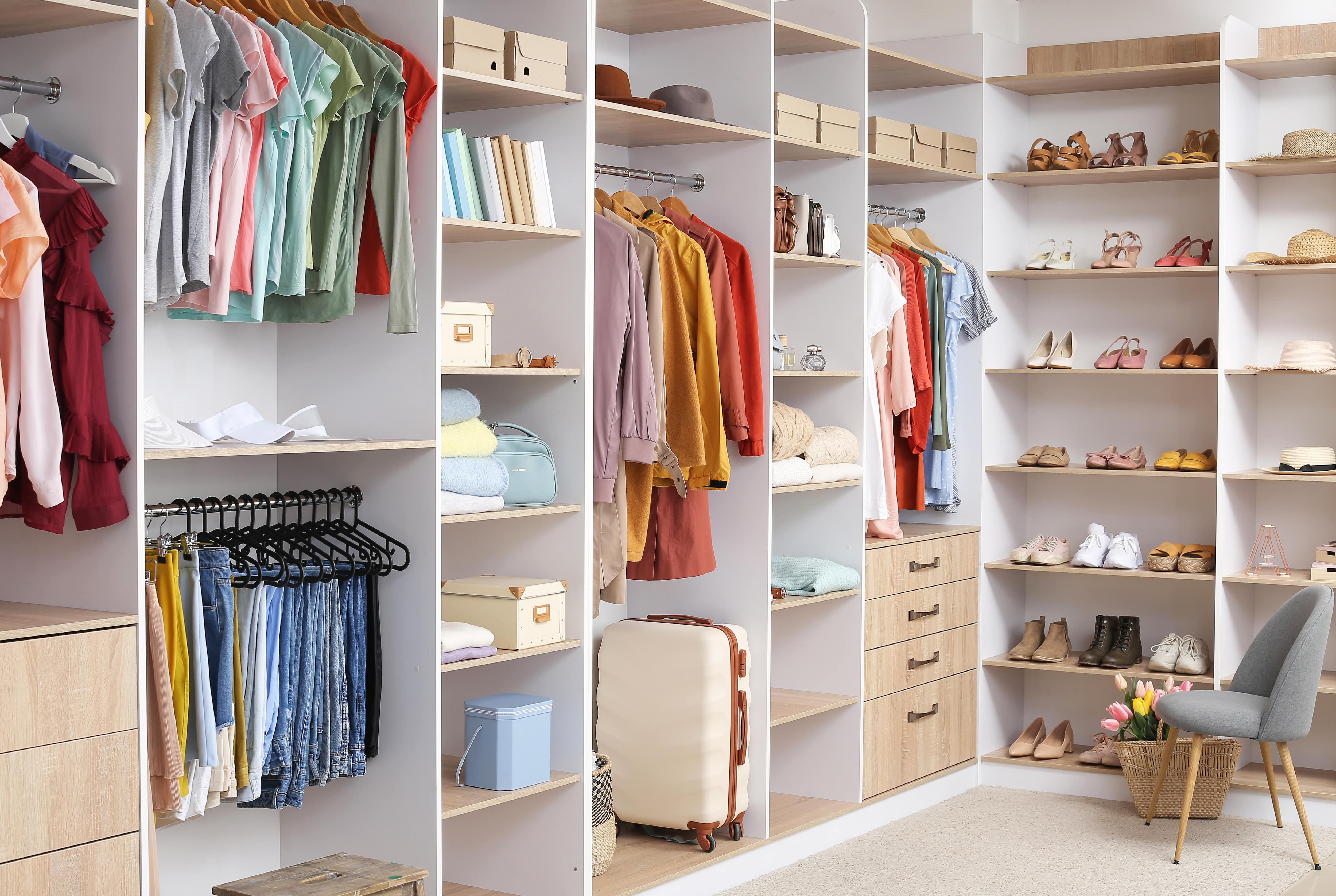
Find out the average closet organizer cost in Denver, CO. Learn what you can expect to pay for custom shelving and get your home organized today.
Learning how to build a room addition is the ultimate renovation daydream. While it's best to leave this one to the pros, here's what you can expect.
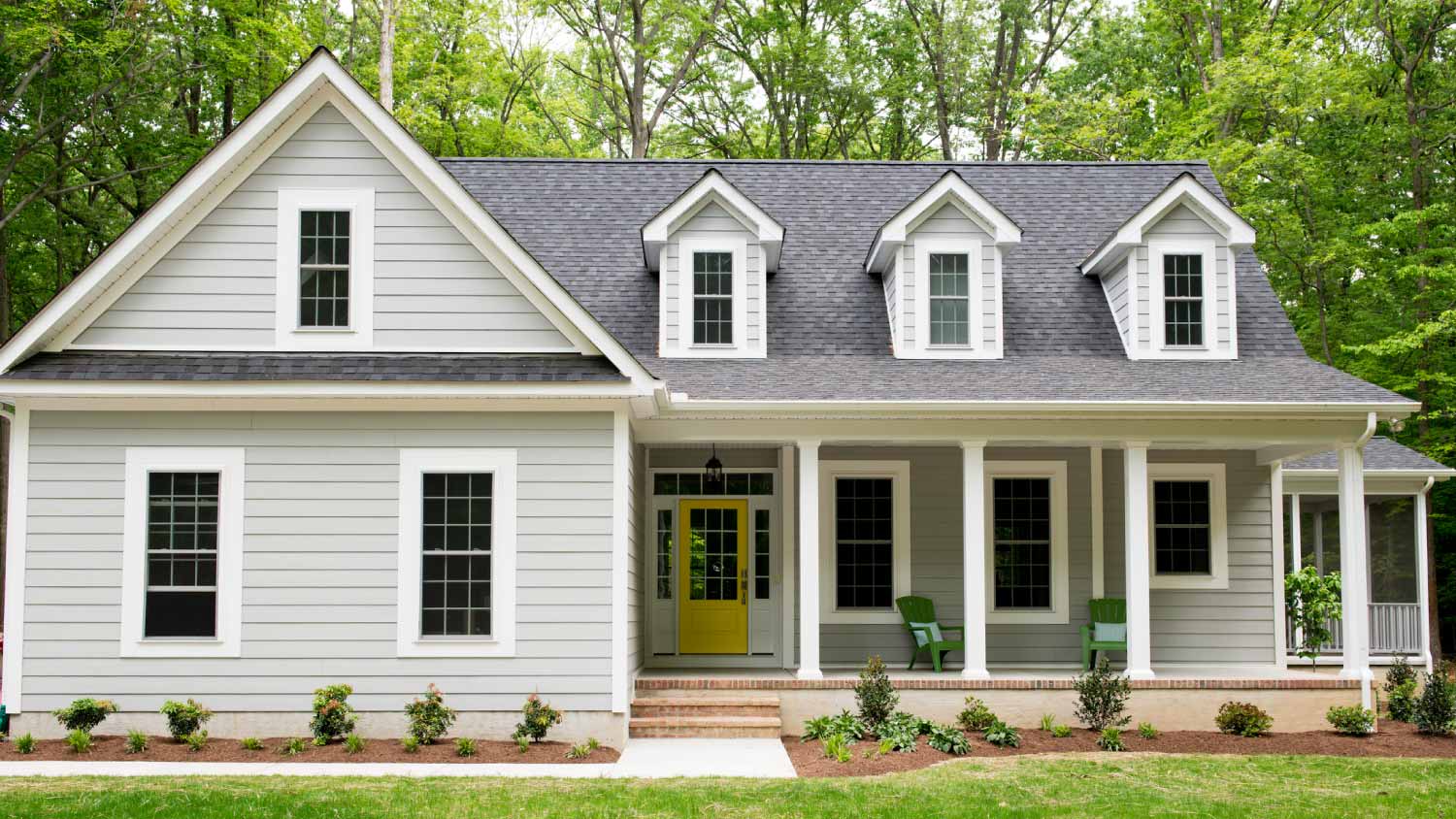
If your current home feels cramped but you don’t want to move, consider spending money on one of the eight common types of home additions.
Wondering about the average custom closet cost in Denver, CO? Learn what you can expect to pay for materials and labor to upgrade your home's storage space.