
•
Find out the average radiator and boiler repair cost in Denver, CO. Learn what you can expect to pay for local heating services and keep your home warm.
Heating and air conditioning service costs depend on your project and location. Check with a local pro for your specific job.

The average home in Denver needs a boiler capacity of 67,500 to 102,000 BTUs.
Most boilers in Denver homes run on natural gas.
DIYing can void your boiler warranty and insurance coverage for boiler incidents.
Replacing an old boiler can increase home value by 3% to 5%.
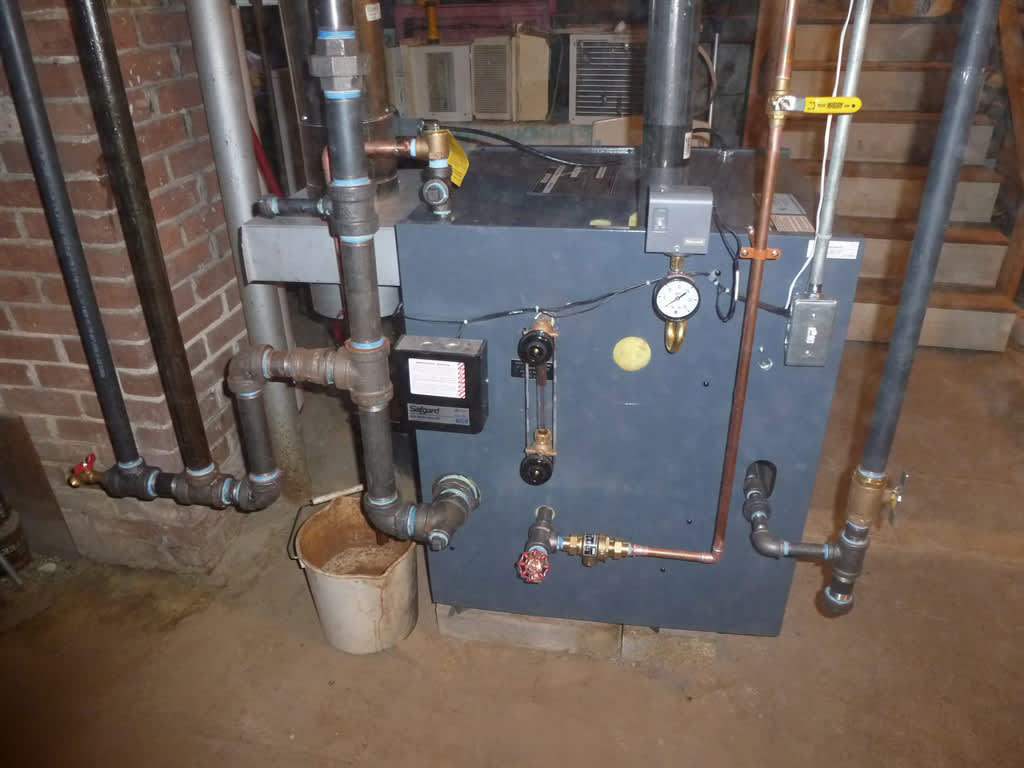
To stay warm through Denver’s blustery, snowy winters, you’ll want to replace your old boiler with a new, efficient model. Boiler replacement costs for Denver are $7,361 on average, with most homeowners spending between $4,150 and $10,772. The total you’ll pay depends on the size of your Denver home, the type of boiler and its fuel, and other factors.
To beat the long winter chill in Denver, you can get a new boiler that can keep your home reliably warm. But how much does boiler replacement cost in Denver, CO? The price depends on the following factors.
You can estimate the cost of your boiler by your home’s square footage and boiler capacity using the table below. However, call an HVAC pro in Denver, CO, for the most accurate estimate.
| Home Size (Sq. Ft.) | Boiler Capacity (BTUs) | Cost |
|---|---|---|
| 1,000 | 30,000–45,000 | $580–$4,790 |
| 1,200 | 36,000–60,000 | $2,220–$5,750 |
| 1,500 | 45,000–75,000 | $2,770–$7,190 |
| 1,800 | 54,000–82,500 | $3,320–$8,620 |
| 2,000 | 60,000–90,000 | $3,690–$9,580 |
| 2,250 | 67,500–102,000 | $4,150–$10,772 |
| 2,500 | 75,000–113,000 | $4,610–$11,970 |
| 3,000 | 90,000–135,000 | $5,540–$16,000 |
The most common fuel used for boilers in Denver, CO, is natural gas. The fuel type you choose will have a major impact on both your ongoing costs and how much you pay for a new boiler.
Oil boiler: Oil burns hotter than gas, so oil boilers provide more heat and are better in colder climates. However, oil boilers require more maintenance than gas options, so keep things like long-term maintenance costs in mind before buying.
Gas and propane boiler: Propane and natural gas are common options for heating homes. In addition to the unit price, installation costs $1,000 to $3,000 and requires new exhaust lines, drains, and fuel lines.
Electric: Electric boilers are highly efficient and don't require some of the components that gas and oil boilers need, like exhaust vents. They take a long time to heat up but are an attractive option for tiny homes in warm climates.
Wood: Large, outdoor, wood-fueled boilers are good options for rural areas that have easy access to wood.
| Fuel Type | Cost |
|---|---|
| Oil | $4,150–$10,772 |
| Gas/propane | $4,150–$10,772 |
| Electric | $1,800–$7,361 |
| Wood | $7,361–$16,000 |
Boilers are broken out by fuel type, but they can also vary in other ways—like their system types.
Standard or conventional boilers: These boilers work by quickly heating water in pipes and sending it to your taps. Standard units are one of the most popular choices for homeowners in large homes and those with floor heating systems.
Combination boilers: Combination boilers are popular because they’ll give you access to hot water quickly. However, the supply tends to be limited due to the lack of a storage tank.
System boilers: These work by keeping high-pressure hot water in a sealed cylinder, where it can be sent to multiple taps within your home simultaneously.
High-efficiency boilers: High-efficiency boilers are up to 98% efficient, which accounts for thousands of dollars in savings over the boiler's life. Standard boilers are around 80% efficient, making them ideal for cold climates.
| Type | Cost | Pros | Cons |
|---|---|---|---|
| Standard | $4,150–$10,772 | Easy maintenance | Less energy-efficient |
| Combination | $4,150–$10,772 | Fast heating | Limited output |
| System | $4,150–$7,361 | Quick, efficient heating | Takes up more space |
| High-efficiency | $7,361–$16,000 | Long-term cost savings | Higher installation cost |

The capacity of your boiler (in BTUs) depends on your region and climate. Warmer climates make it much easier to heat water, even for larger houses, so fewer BTUs are required. You can estimate your necessary BTUs by finding out which climate zone you live in.
Hiring an HVAC pro for boiler installation costs $75 to $200 per hour, per worker, with most installs taking between a few hours and a few days. You should always leave boiler installation to a pro. Even if you’re pretty handy, DIYing could void your boiler warranty. If something goes wrong with the boiler, homeowners insurance won’t cover boilers that aren’t installed by certified pros.
When it’s time to replace your boiler, investing in an upgrade can lead to a 3% to 5% increase in home value. Older boilers have efficiency ratings as low as 56%, new standard boilers can be around 80% efficient, and high-efficiency models can be 98% efficient. As such, upgrading to a new boiler can save you (or the person who buys your home) money month after month on heating costs.
Home is the most important place on earth, which is why Angi has helped more than 150 million homeowners transform their houses into homes they adore. To help homeowners with their next project, Angi provides readers with the most accurate cost data and upholds strict editorial standards. We survey real Angi customers about their project costs to develop the pricing data you see, so you can make the best decisions for you and your home. We pair this data with research from reputable sources, including the U.S. Bureau of Labor Statistics, academic journals, market studies, and interviews with industry experts—all to ensure our prices reflect real-world projects.
Want to help us improve our cost data? Send us a recent project quote to [email protected]. Quotes and personal information will not be shared publicly.
M&H Air helped upgrade Gas furnace/ Forced air heating system, by adding new ducts and vents in basement to help create more comfortable living space. Also has provided great preventive maintenance service to my Heating and A/C system!
 M & H Air, LLC
⭐️⭐️⭐️⭐️⭐️ I had an amazing experience with High Altitude Heating and Air Conditioning, LLC! Our technician, Bryson, was absolutely fantastic. He arrived right on time, was extremely professional, and quickly diagnosed and fixed the issue. Within no time, my house went from unbearably hot to...
 High Altitude Heating & Air Conditioning LLC
This was my first time using this company- they not only checked my air conditioning system but found another leak that they are going to help take care of very quickly
 Applewood Plumbing, Heating & Electric
I'm amazed by the professionalism and expertise of this air conditioning service. Their thorough cleaning of my duct vents has made a noticeable difference in the air quality of my home. Highly recommend!
 Safe House
Not only did the crew of Behold, Tristan and Kendrick, install a new furnace, but they also installed the Air Conditioning unit, all in one day! They were professional, thorough, friendly and diligent workers. Would hire them any time.
 Behold Heating & Cooling Services
I have actually hired A Family Friend on multiple occasions for heating/furnace and AC and they have always been fabulous! Cory is great at communication, very reliable, trustworthy and fairly priced! Would highly recommend!
 A Family Friend Heating and Cooling LLC
I loved the quality of their work. Bothe my air conditioner and furnace was replaced. They were very reliable and easy to work with. I was extremely satisfied.
 Foundations Mechanical Services
We purchased our Furnace/Air conditioning unit combo in 3/2022 by Mountain Breeze Heating & Air, Inc. and we could not have been more satisfied and extremely happy with our decision. First off, the astonishing prices they offer, to the friendliness and knowledgeable customer service...
 Mountain Breeze Heating & Air, Inc.
Tri Peaks Air was very quick to respond and got my heater back up and running. Very professional. They are now my go to. Highly recommend!
 Tri Peaks Air
I highly recommend 303 Heating & Air. Tom showed up first thing the morning after I requested a quote. He told me exactly what was wrong, explained things to look out for in the future and didn't try to upsell me to buy a new furnace like others did without even looking at it. He was back...
 303 Heating & Air, Inc.
From average costs to expert advice, get all the answers you need to get your job done.
Find out the average radiator and boiler repair cost in Denver, CO. Learn what you can expect to pay for local heating services and keep your home warm.
Find out the average wood, pellet, and gas stove installation cost in Denver, CO. Learn what you can expect to pay for local heating services this winter.
HVAC replacement costs in Denver, CO, depend on factors like unit type, size, and labor. See what you can expect to pay for HVAC replacement here.
Looking for a qualified boiler installation pro? Learn how to find and hire the right professional, from credentials to questions to ask.

Discover the many differences between a boiler and a water heater, from their main functions and pricing to options, lifespan, DIY-ability, and more.

Find the average thermostat installation cost in Denver, CO. Learn what you can expect to pay for local HVAC services and upgrade your home's climate control.