
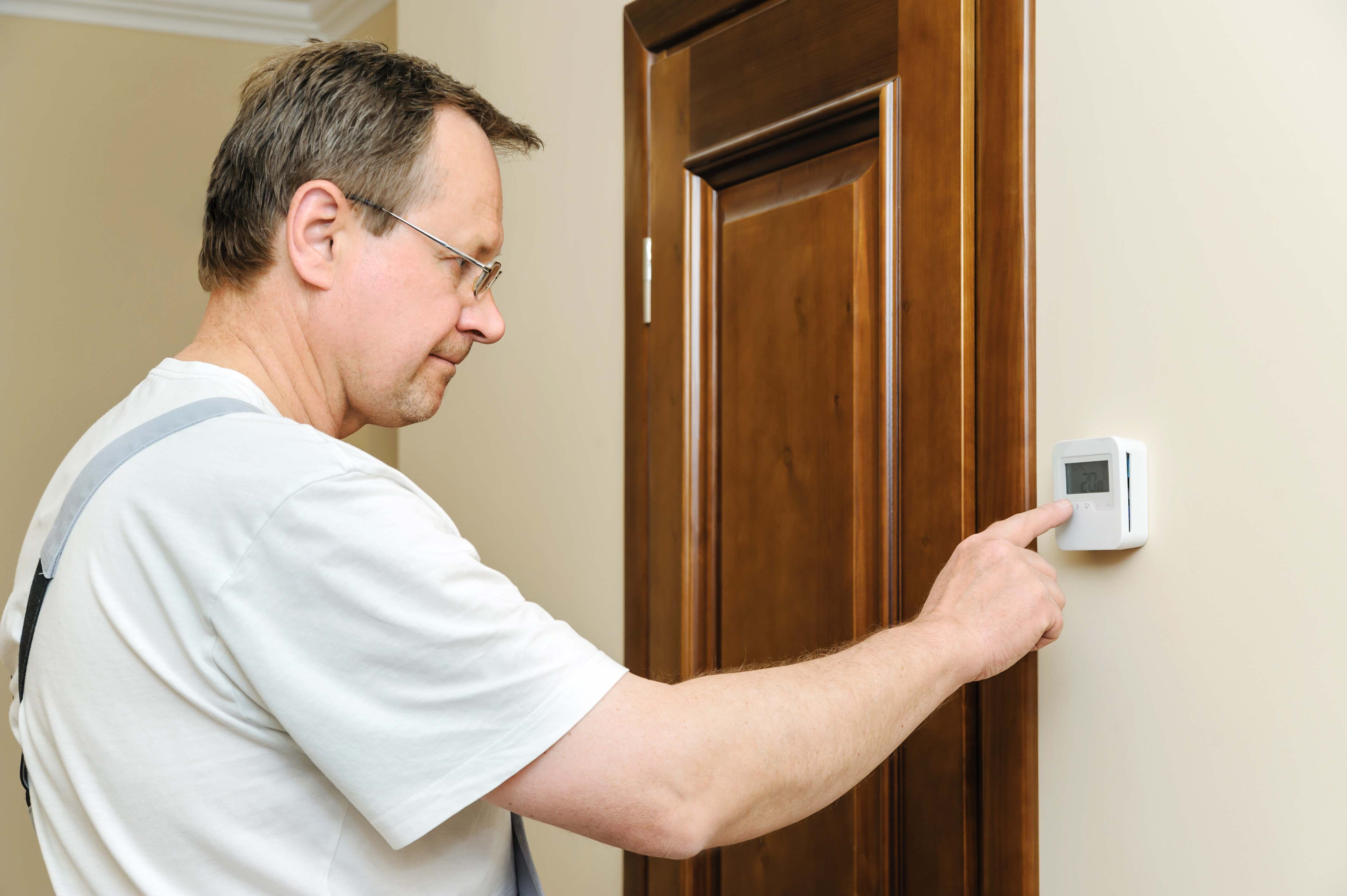
The average boiler installation cost depends on size, system type, and other factors. Keep reading to learn the cost of a new boiler.
All it takes is a little steam to keep you nice and cozy for winter

Your steam boiler heats water to its boiling point, creating steam that travels through pipes to radiators throughout your home for consistent warmth.
Expect to pay $2,000 to $9,000 for steam boiler installation, with average costs around $5,900 depending on the boiler type and fuel source.
Keep your system running smoothly by checking water levels monthly, testing the pressure relief valve every six months, and draining the boiler annually.
Hiring a local HVAC repair professional provides reliable support with annual maintenance, leak detection, and keeping your heating system operating safely and efficiently.
While steam heating systems aren’t as common as they once were, they’re still around and kicking. And if you have one, it’s probably never really crossed your mind how your system keeps you warm and comfortable in colder weather.
If you’re thinking of adding one to your home or just curious about how your trusty system works, you might be asking: how does a steam boiler work? We’ll explain how your heating system operates, its pros and cons, and how to maintain it so it stays running when you need it.

A steam heat system uses a steam boiler to heat water using a combustible fuel source—gas, oil, or electric burner—to its boiling point. Once the water reaches this point, it evaporates, turning into steam that’s then distributed to radiators throughout your home. A system that uses a heat pump instead of a boiler differs because it uses electricity to move heat air in your home.
When your steam heating system’s thermostat detects that the air temperature is below the desired level, the radiators use the heat from the steam to make the room warmer.
Once the steam starts to cool, the condensation process takes over and turns the steam back into water, returning to the boiler where it’ll be heated again.
However, how it happens precisely depends on whether it's a one- or two-pipe system. A one-pipe system means that the steam comes through and condensed back into the boiler through the same pipe. A two-pipe system uses one pipe for the steam to come through and the water condensed through the second pipe.

Whether you’re doing a full-scale remodel of your current home, buying a new one, or comparing your existing heating system to its alternatives, find out what makes a steam heat system shine and what its flaws are here.
| Pros | Cons |
|---|---|
| Cleaner air | Can’t control temperature of each room |
| Long-lasting and more reliable | Not as efficient as other systems |
| Quiet operation | Higher maintenance requirements |
| Easy air control | Slower start-up |
Steam heat systems can last for a long time, run quieter than other systems, and allow you control over which rooms you heat (by turning on radiators or turning them off).
When using a forced-air heating system, the air is continuously cycled through air ducts to heat your home. During this process, dust mist, pet dander, dirt, pollen, and other particles can float inside your duct system and circulate throughout the air in your home, potentially creating allergy problems.
But, steam heating uses a radiator and not ducts to heat your home, so you won’t need to worry about allergens or debris circulating throughout your home on loop.
When a steam boiler is maintained and in good condition, it can last homeowners 20 to 25 years on average. While on the other hand, a forced-air system lasts for around 15 years.
Newer, modern heating systems come with more moving parts. And when there’s more to maintain, the possibility of something breaking increases. A steam heater uses fewer parts to heat up your home, making it more reliable to use and less likely to break when it’s cold outside.
Another nice feature of a steam heating system is that it’s quieter to operate than traditional forced-air systems. You can typically tell when a forced-air heating system is on and running since you can hear the air blowing through the ducts throughout your home. On the other hand, steam moving through pipes makes less noise.
Sometimes you don’t need to heat your entire home—only some of it. If you only care that your bedroom feels nice and toasty, you can distribute your system’s heat accordingly.
Contrary to popular belief, closing unused vents in a furnace heating system is a common heating mistake. It places a strain on your HVAC system and is less efficient than leaving it open. But controlling air temperature by room isn’t a problem for a steam heater.
However, steam heat systems require a lot of maintenance and aren’t as efficient as many other systems.
While you can control which rooms get heated, you can’t control the exact temperature of each room since it’s heated the same. If you’re someone who prefers to keep certain rooms a little cooler (or warmer) than others, a steam heater’s uniform temperature is something to consider.
Steam heating systems aren’t as efficient as their more modern, energy-efficient counterparts. This lower efficiency means that these systems don’t heat an area evenly, resulting in a higher energy bill since it’ll take longer to heat a space.
Steam heating systems can keep you warm in the cooler months, but it’s not just a set and forget it until the season is over heater; they require regular maintenance. Each part needs to be checked at least annually by a local HVAC pro, and the high maintenance needed to keep it running has many hesitant about these systems.
When the temperatures drop, you’ll want to warm up immediately. But steam heaters can pose a problem since it can take some time for the pipes to heat up and start pumping steam through your home.
There are two main steam boiler types: fire tube and water tube. However, you might also hear professionals and manufacturers refer to steam boilers by the kind of fuel they use or the pressure they produce.
Fire tube steam boilers: Combustible gases inside a tube are immersed in water. When the gases traveling along the tube are heated, this warms the water surrounding the tube.
Water tube steam boilers: Water is contained within the tubes rather than around them. The flames and gases are on the outside in a combustion chamber. The heat on the outside of the tubes warms the lesser quantity of water inside the tubes quickly. These boilers are complex, so their installation and maintenance requires more help from a local boiler pro.
Electric boilers: These boilers generate steam using electrical elements to heat the water.
Gas boilers: Low-pressure water and fire tube steam boilers are often powered by gas.
Oil boilers: Water and fire tube boilers operate very efficiently and require less maintenance when powered by oil.
Low-pressure boilers: These boilers transfer heat at pressures up to 15 PSI (pounds per square inch) with a maximum temperature of 300 degrees Fahrenheit.
High-pressure boilers: These boilers are commonly seen in large-scale industrial environments, where they’re used to power machinery. They generate pressure between 15 and 800 PSI and temperatures over 250 degrees Fahrenheit.
To keep your system pumping out the steam you need for the warmth you want, you’ll need to perform year-round maintenance procedures and learn how to reset your boiler, how to light your boiler, and other important basic functions. Here are a few ways you can help keep your steam boiler system in tip-top shape:
Free up any blocked vents.
Inspect the steam boiler for leaks.
Keep the area around your steam boiler clean.
Check if the water levels are in the correct range monthly.
Test the pressure relief valve every six months to see if it’s working.
Contact an HVAC pro to drain your steam boiler every six to 12 months.
Check that the radiator’s inlet valve is fully open or fully closed, not in between.
Check steam pressure levels every month to make sure they’re in a normal range.
Keep each radiator gently sloped toward the steam inlet pipe to prevent your radiator from knocking.
If you’re good people wanting to do business with good people, hire Matt. He is a consummate professional and utterly competent. He installed a water heater in my home at a price that beat competitors by hundreds of dollars with a promise to support the unit for its life (even after its 6 yr...
 Greene's Plumbing Services
Corey Carr was great. I had damage from a recent storm and needed to have my mast and other components replaced. The project entailed coordinating with AEP, and Corey helped make a stressful situation a lot less stressful. I really appreciated his dedication to service and the job very well done.
 Mr. Electric of Columbus
This service was great. My air conditioner went out during the heat spell that we had. My husband has health issues and they came out that night and at 9:30pm the air conditioner was fixed and running. We are sooo very thankful, this is the company I will be using from now on and would...
 Mr. Mechanical Ohio
I normally do not leave reviews, but my experience with Worthington Air was extremely frustrating and disappointing. About 30 days ago, I had a consultation done for an HVAC replacement and was quoted approximately $15,079. Based on that quote, I applied for financing through their company...
 ARS Columbus Worthington Air
Great company! Price was competitive, technician showed up on time and completed the job (exterior electric Radon fan replacement) quickly. Would hire them again.
 MaGen Property Inspections and Radon Mitigation
Raven and crew does absolutely fantastic job. They are very professional if any concerns were to occur with any of her work she always took responsibility and finished out with a great job. I have worked with her business for a year and have always been satisfied. Very trusted business and...
 Creations of Transformation LLC
I would recommend this company to anyone! He showed up on time, was friendly, completed a very difficult repair on our dryer vent cover, was responsive, and pricing was extremely fair and competitive. I would have him back to do any of our repairs or cleanings without hesitation!
 U.S.A. Dryer Vent, LLC
Ace Fireplace Services' chimney sweep service is truly exceptional. They used advanced technology to ensure a thorough cleaning process, and my chimney has never looked better. I highly recommend their services.
 Ace Fireplace Services
The technician was very professional and friendly. He answered all my questions and was very thorough. He left the fireplace area very clean . He inspected from the roof and advised me as to other work that might need to be done. There was no pressure there. I was very satisfied with the...
 Supreme brick & chimney
On time, clean and finished fast. Windows seem sturdy and the finish is good. Caulking was done with no smudges. Would recommend.
 Window Depot USA of Central Ohio
From average costs to expert advice, get all the answers you need to get your job done.
The average boiler installation cost depends on size, system type, and other factors. Keep reading to learn the cost of a new boiler.
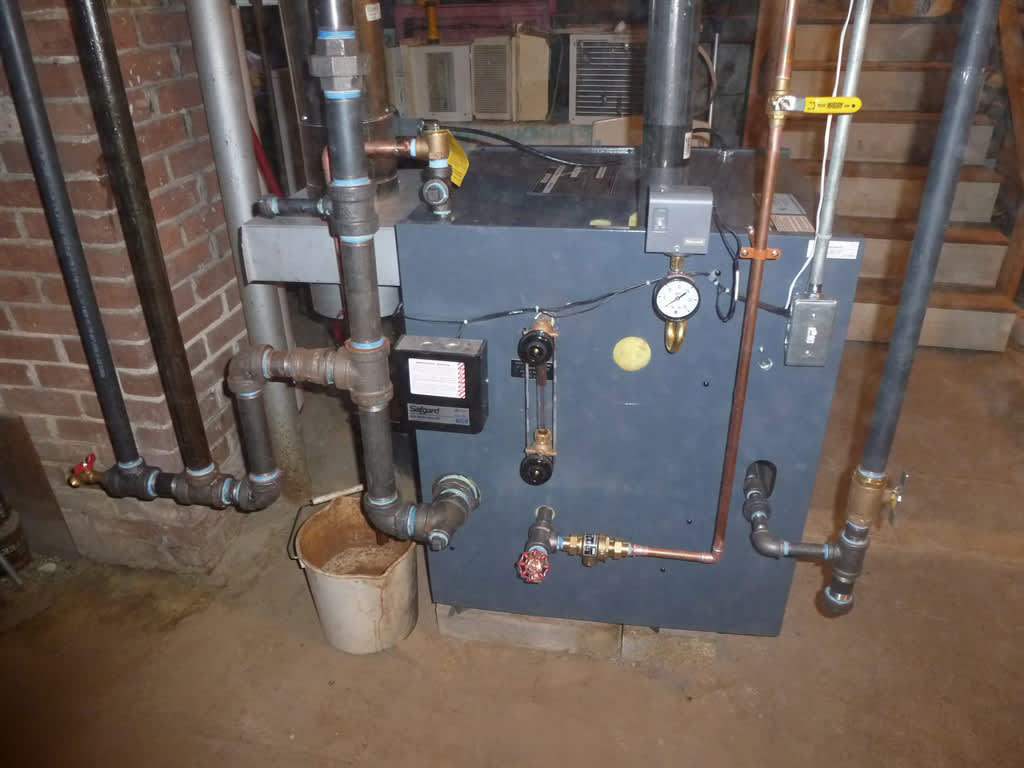
The cost of boiler repair depends on the specific issue. Read our expert guide, which breaks down boiler service costs so you can budget accordingly.
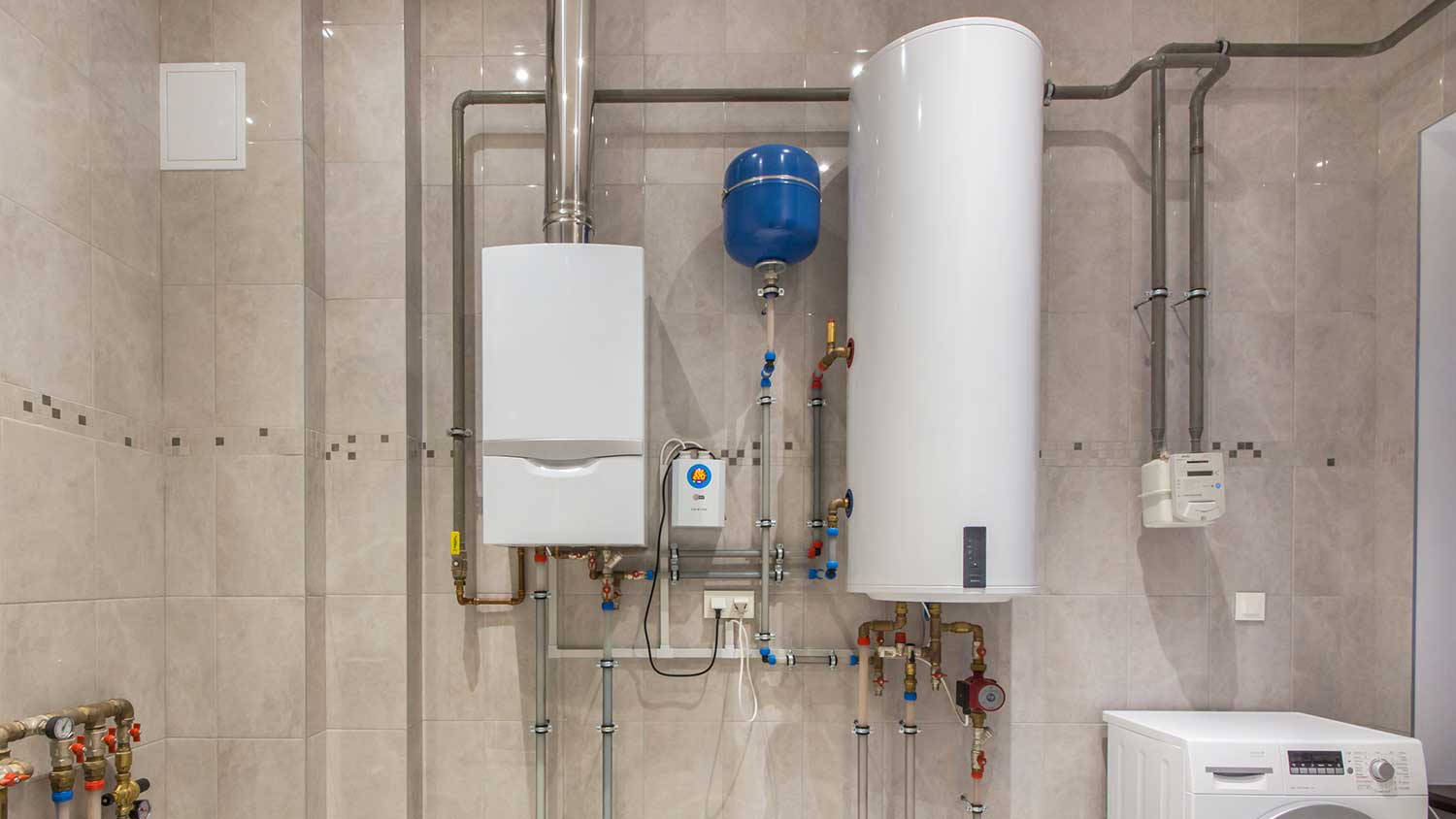
Discover the average electric boiler installation cost, key price factors, and ways to save. Get transparent, expert-backed estimates for your project.
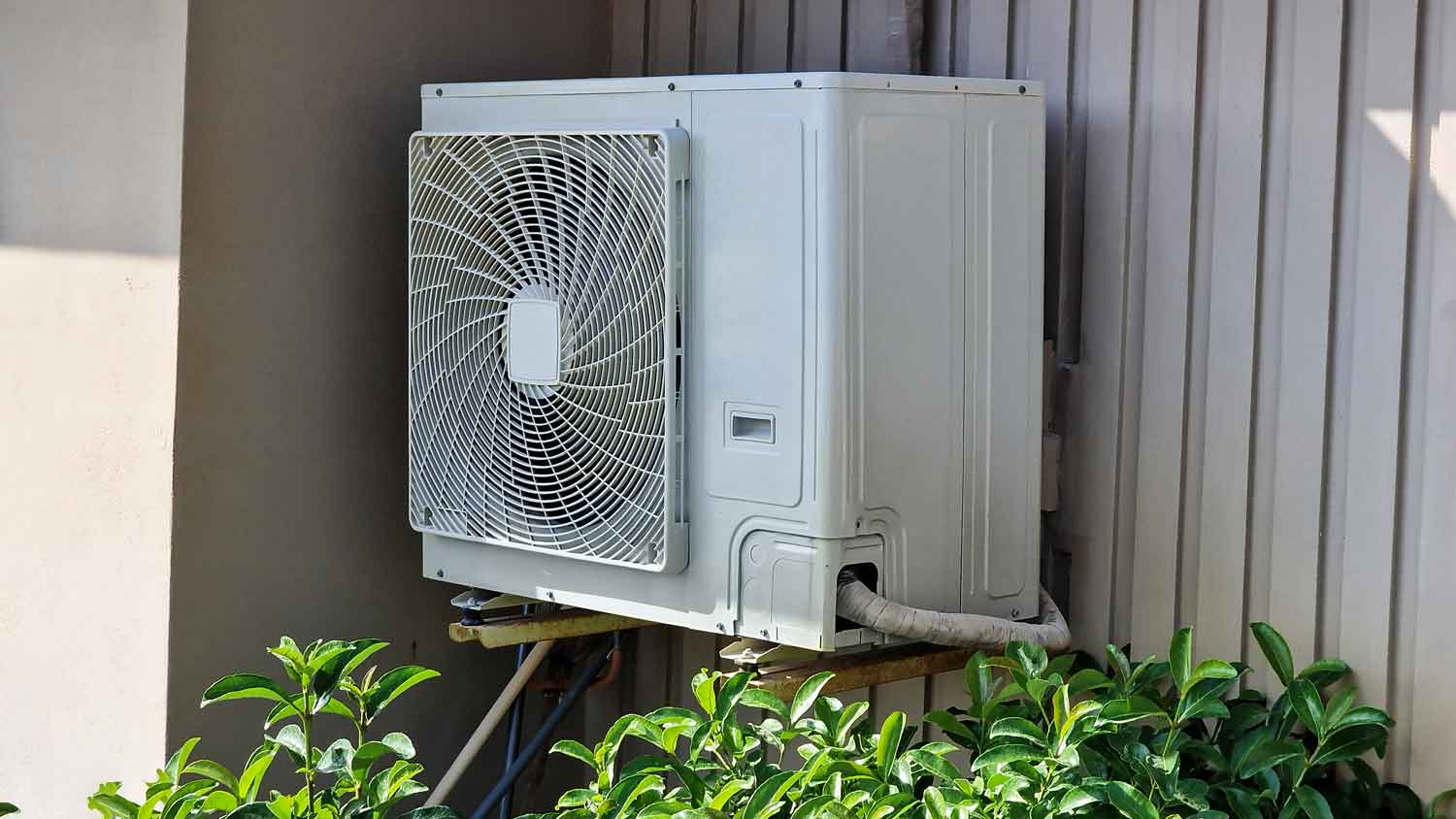
Learn the ins and outs of a heat pump vs. boiler to choose the best heating system for your home.
Is your boiler behaving normally? These five questions about boilers will help you detect boiler problems before they cause big trouble.
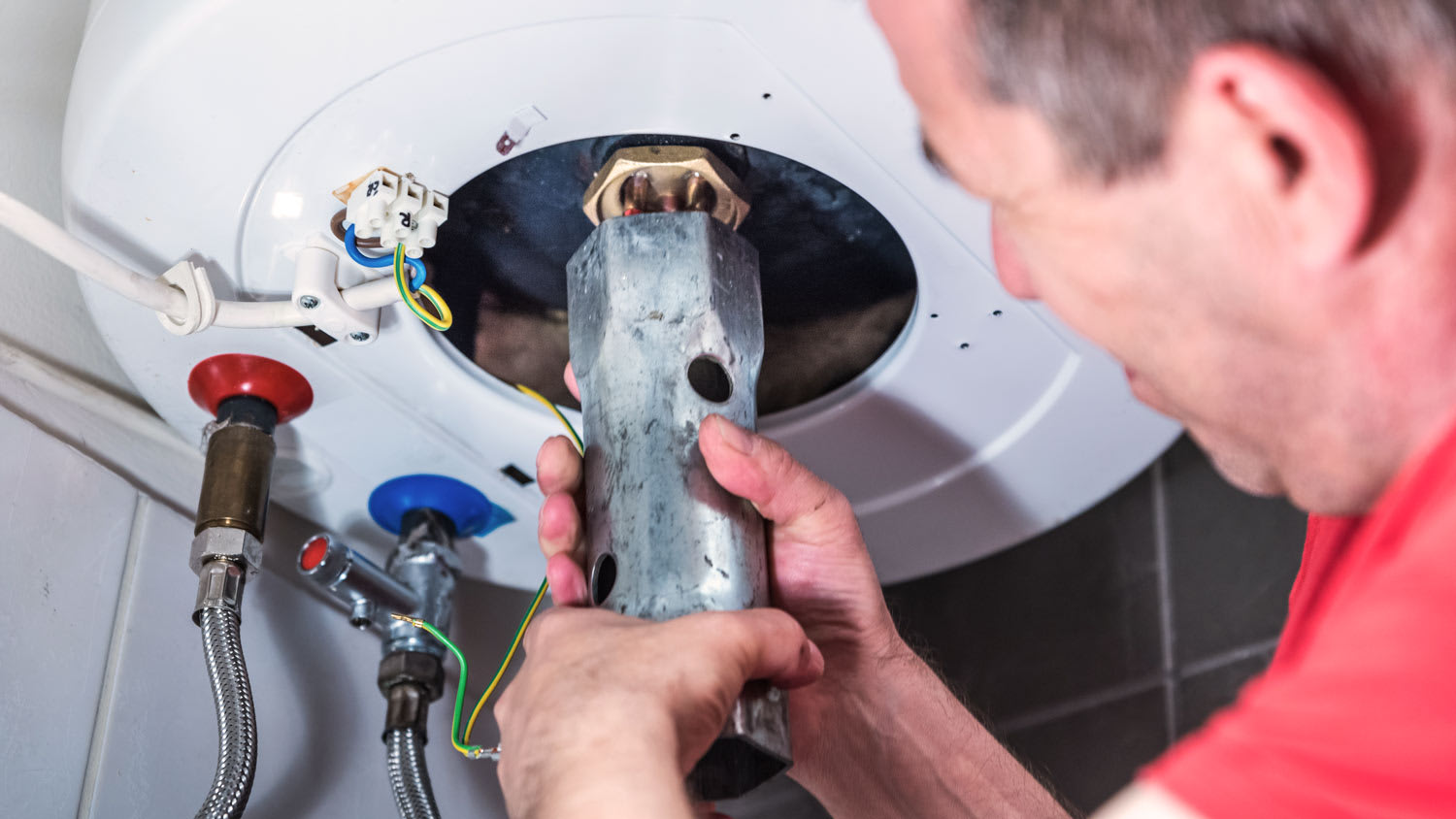
Need to hire a boiler repair company? Learn how to find qualified, licensed pros, questions to ask, and what to expect throughout the process.