
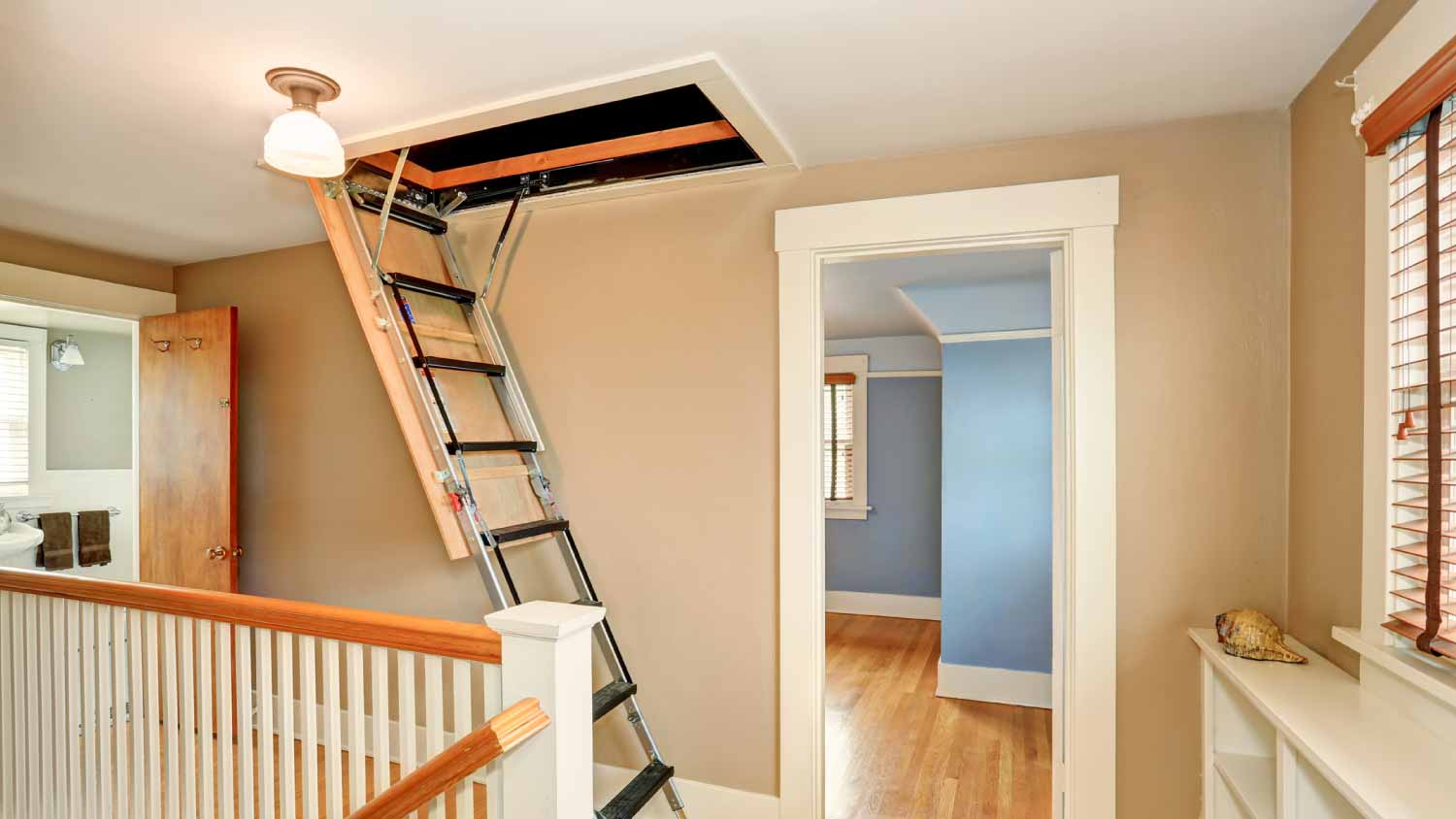
Your attic insulation removal cost in Austin, TX will vary based on multiple factors, including why you're removing it and how easy it is to complete the task.
Insulation service costs depend on your project and location. Check with a local pro for your specific job.

Attic insulation in Austin, TX costs about $1 to $3 per square foot.
Blown-in insulation is a popular, low-cost option in Austin, TX, while batt is popular with DIYers. Spray foam costs more but offers a higher R-value.
Remember to factor in an additional $1 to $1.50 per square foot for pro removal of old insulation.
Hiring an insulation pro in Austin, TX ensures proper installation, reaping you up to 140% ROI.
Attic insulation in Austin, TX costs $2,060 on average, with most homeowners spending $1,668 to $2,453 depending on the size of the attic and the type of insulation.
Austin, TX has hot, humid weather for most of the year, so proper insulation is key to keeping your home dry and comfortable. Without expertly installed insulation, your home could let in warm air drafts and moisture, driving up energy bills and leading to costly water damage.
Attic insulation cost factors in Austin, TX, are primarily the size of the attic and the type of insulation you need. But you’ll also want to budget extra funds toward removing any old insulation and upgrading your energy savings with air sealing.
The amount of insulation you need depends on the size of the attic and the desired insulation level or R-value. You’ll typically match the insulation coverage to the attic size, assuming you’re insulating the entire attic space. Here’s how much you can expect to pay for insulating different attic sizes:
| Attic Size (Square Feet) | Average Cost |
|---|---|
| 300 | $295–$885 |
| 500 | $495–$1,480 |
| 800 | $785–$2,360 |
| 1,000 | $985–$2,950 |
| 1,500 | $1,480–$4,420 |
You’ll need to account for the recommended R-value of your climate zone, as well. The higher the desired R-value, which represents the insulation's thermal resistance, the thicker the insulation needs to be. Colder climates generally require higher R-values to provide effective insulation.
To achieve the desired R-value, the insulation may need to be installed in multiple layers or in thicker batts or rolls. The more insulation material required to cover the attic space, the more it will contribute to the initial cost of finishing an attic.
The type of insulation you choose is among the most significant factors affecting cost. Each material has a different R-value, which makes it more or less effective in insulating the space.
Generally, blown-in insulation is the most affordable insulation type. Meanwhile, the materials and labor required to install rigid foam board insulation make it one of the more expensive options, but it has a higher R-value.
Not every type of insulation works for every attic. For instance, a lot of people love the strength and energy efficiency of structural insulated panels, but due to their relatively large standard sizes, retrofitting them isn’t always possible.
Some types are also better suited to specific climates. Reflective insulation, for example, is less expensive than other common types, but if you live in a cold climate, you'll likely need to combine it with another type of insulation to be effective during the winter. For that reason, reflective insulation is best used as a radiant barrier.
Here’s what you can expect to pay for different insulation materials.
| Attic Insulation Type | Average Cost Per Square Foot | Best Use |
|---|---|---|
| Batt | $2–$4 | DIY installation and standard-sized attics |
| Blown-In | $1–$4 | Filling irregular spaces and insulating existing attics |
| Loose Fill | $2–$5 | Large, open attic spaces and cooler climates |
| Reflective | $0.50–$2 | Hot climates or attics with limited insulation space |
| Rigid Board | $2–$5 | High R-value and reducing moisture |
| Spray Foam | $2–$5 | Sealing gaps and attics with complex shapes |
| Structural Insulated Panels | $4–$7 | Achieving strong insulation in new attics |
New insulation can sometimes be added right on top of old insulation, but only if the old insulation is still in good condition. If the old insulation isn't in great shape, then you'll need to pay someone to remove it or remove it yourself. Hiring an insulator to remove it typically costs $1 to $1.50 per square foot, so you'll want to factor that price into your project budget if needed.
Air sealing involves removing all of your attic's insulation to find and resolve any air leaks. Many pro insulators air seal attics before installing new insulation, but this process can be costly, ranging from $250 to $740. Even though it's expensive, it's often worth it since air sealing can prolong the lifespan of your insulation while helping to block out moisture and drafts.
Air sealing is beneficial in any area of the home, but it’s particularly helpful in the attic for keeping your heating bills down in colder weather. Hot air rises and will naturally escape through gaps in the attic, and sealing helps keep the heat inside.
The cost of an attic insulation inspection can vary depending on several factors, including the region, the complexity and accessibility of the attic, and the service provider. On average, you can expect to pay anywhere from $100 to $295 for a professional attic insulation inspection.
However, it's important to note that these are general estimates, and the actual cost may differ.
Some insulation contractors may offer free attic inspections as a promotional or introductory offer, while others may charge a fee that can be applied toward the insulation project if you decide to hire them for the job. It's a good idea to obtain multiple quotes from reputable insulation professionals in your area to get a better understanding of the specific costs involved in an attic insulation inspection.
Installing attic insulation takes care and precision to do correctly. Otherwise, you risk trapping moisture against the attic walls and ceiling or missing drafty areas. Rather than DIYing, you should budget the following costs to hire an insulation pro in Austin, TX to do the job correctly.
Labor makes up about 40% to 60% of the total cost to add insulation to an attic, and you can expect to pay about $50 to $100 per hour for this project. In the summer, your attic is likely very hot and stuffy, which can add to labor costs for this project. You may find better rates in the fall and winter.
To just replace existing insulation or add more insulation to your Austin, TX attic, you typically won’t need a permit. However, if you need to move any HVAC ducts, electrical wiring, or make other structural changes, you will need a permit from the city’s Development Services department. Permit fees will vary widely based on your specific project, so let your pro navigate the permitting process to avoid penalties and project delays.
Attic insulation can quickly become a larger project if you need to relocate ductwork, electrical wires, or other obstacles. You may also want to start with insulation and move on to full attic finishing. No matter what direction this project takes you, consider the following costs for hiring local pros:
Electrician cost: $165–$540
Home energy audit cost: $250–$1,660
Attic finishing cost: $4,000–$300,000
With a climate as hot as this city’s, proper insulation is extremely important, both for your comfort and for potential homebuyers. New, expertly installed attic insulation can reap 100% to 140% of a return on your investment in this project in Austin, TX. Plus, this project can boost your energy savings by about 15%, which translates to ongoing cost savings.
According to the EPA, homeowners can save significantly on monthly heating and cooling bills by installing insulation in their attics, floors, and crawl spaces.

To help homeowners plan their next project, Angi provides readers with carefully researched cost data and upholds strict editorial standards. We start with national average project costs, which we collect by analyzing competitor information, retailer material costs, and input from professional contractors. We then apply local price index data to calculate location-specific estimates that reflect what homeowners typically pay in their local area. To do that, we use data from the U.S. Bureau of Economic Analysis (BEA), including its Regional Price Parities (RPPs), which measure price differences across cities. This helps us account for differences in labor, materials, and overall cost of living, so estimates in higher- or lower-cost areas better reflect real-world local pricing.
Every estimate undergoes a thorough editorial review to verify accuracy, consistency, and alignment with observed market conditions.
Want to help us improve our cost data? Send us a recent project quote to [email protected]. Quotes and personal information will not be shared publicly.
Michael and the guys were fantastic every step of the way. He was by far the best priced option and is a true professional that knows the ins and outs of home insulation. He was much more informed on specifics than some of the general contractors we also got bids from. Highly recommend Lone...
The installer was knowledgeable about the type of insulation needed. He was courteous Very punctual.
 Wimberley Contractors
Superior Attic removed all my old insulation and replaced with Spray Foam. I can already tell a massive difference in my homes heating and cooling and my HVAC is running much less. Highly recommend!
 Superior Attic
Used Affordable Insulation to blow in fiberglass insulation into attic above 3 car garage. They were quick to reply to my initial inquiry and follow up questions. Marc had the estimate to me the same day I contacted them. Their estimate was much more affordable (pun intended!) than...
 Affordable Insulation, LLC
Following the freeze of 2021 my condo was saturated with sprinkler system water. The entire property had to be gutted down to the studs, walls, ceiling, cabinets, air conditioning system and ductwork, insulation - the place needed to be completely refurbished. Tony's team replaced all the...
 G.I.S Contracting
Great job, easy. Guys got in and finished the quickly. Cleaned the mess up after they finished. I would highly recommend Davis Insulation.
 Davis Insulation
This is my second review for Air Velocity. They did an excellent job replacing my AC and furnace in August 2016, and Jerry mentioned at that time that my 1985 ducts would need to be replaced soon. They barely had any insulation left and they were wrapped in sheet plastic that was melting....
 Air Velocity
The project was a success. Blake was the main point of contact and provided the initial quote, which was honored. He also had the crew install fiberglass insulation underneath the new hardiplank siding for no additional charge, at my request (only paid the cost of materials). This was...
 M&M Roofing, Siding & Windows
We are extremely pleased with the Structall insulated patio cover! John McCormick quickly assessed our desired outcome, presented us with a fair and competitive bid, and delivered an outstanding end result! Matt and Mike installed the patio cover quickly, leaving our yard and patio area clean...
 Capital Outdoor Spaces
I spent $5,000 with Clean Cool Air on a brand new HVAC system, and it was a complete nightmare. Craig seems like a nice guy, but he is overextended, and as a result unresponsive. He and his team also do not have the knowledge or expertise to properly install a new unit or troubleshoot...
 Clean Cool Air, LLC
From average costs to expert advice, get all the answers you need to get your job done.
Your attic insulation removal cost in Austin, TX will vary based on multiple factors, including why you're removing it and how easy it is to complete the task.

Finishing an attic can make a great addition to your home. This guide breaks down the cost to finish an attic in Austin, TX including labor, materials, and more.
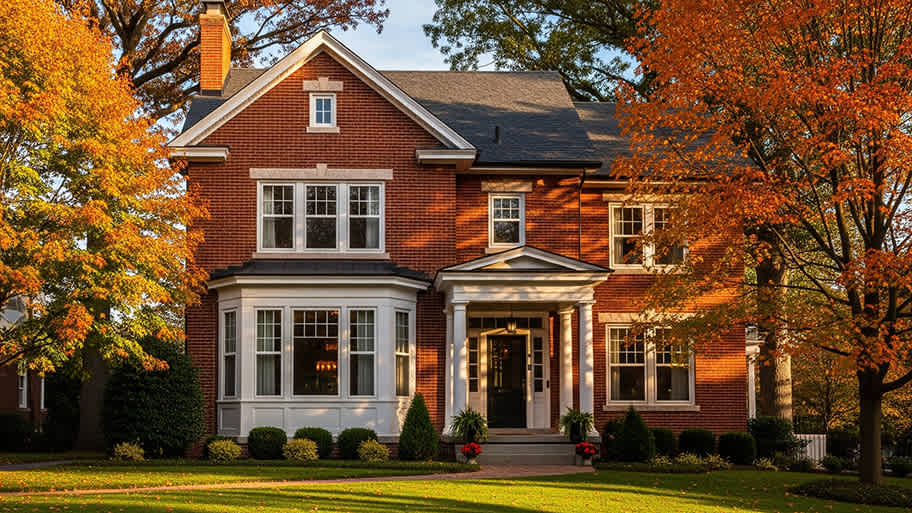
New insulation makes your home more comfortable and boosts energy efficiency. Use this guide to budget for insulation installation costs in Austin, TX.
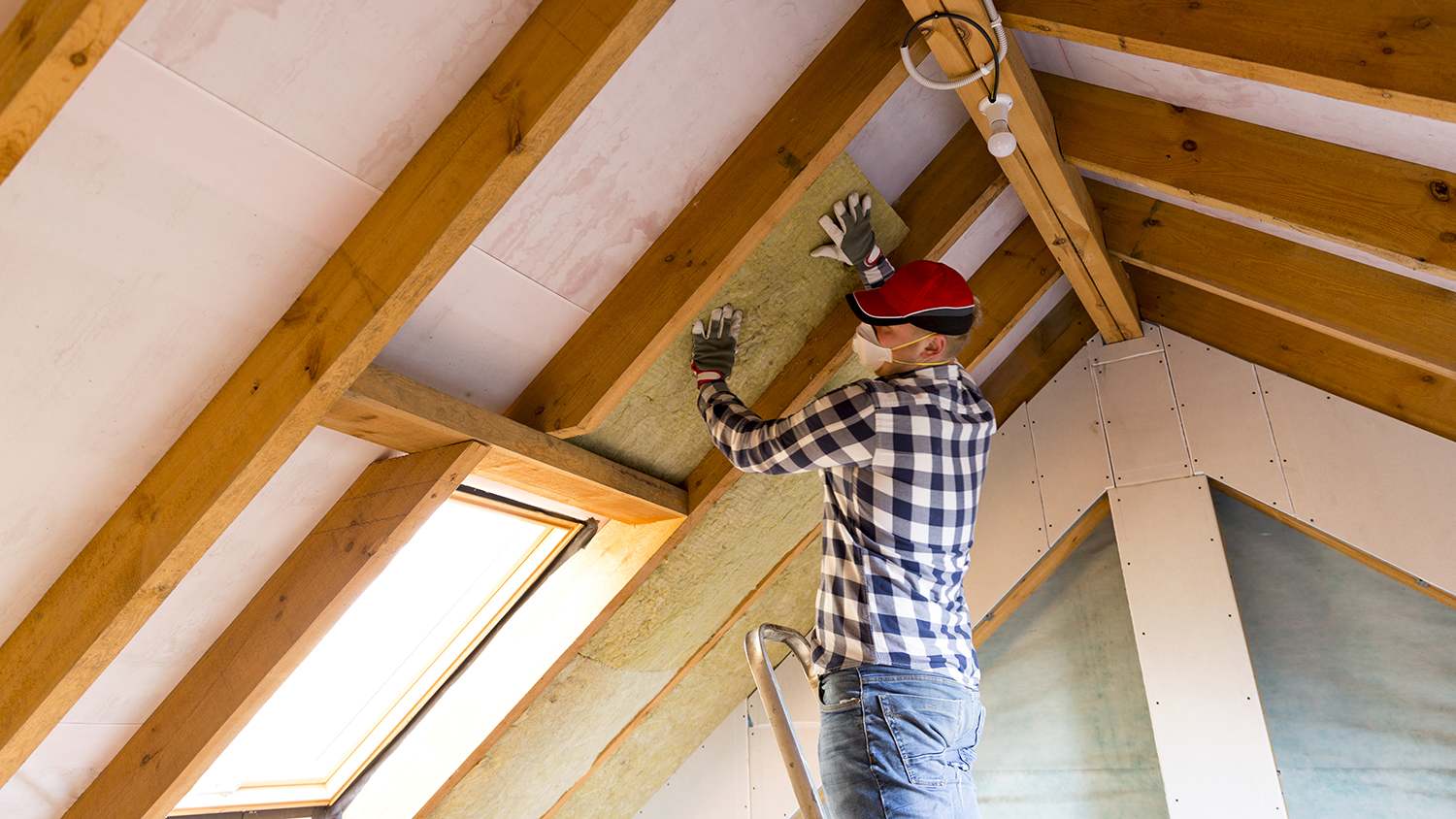
Wondering who to hire for attic insulation? Learn what insulation contractors do, how they work, and how to choose the right pro with confidence.
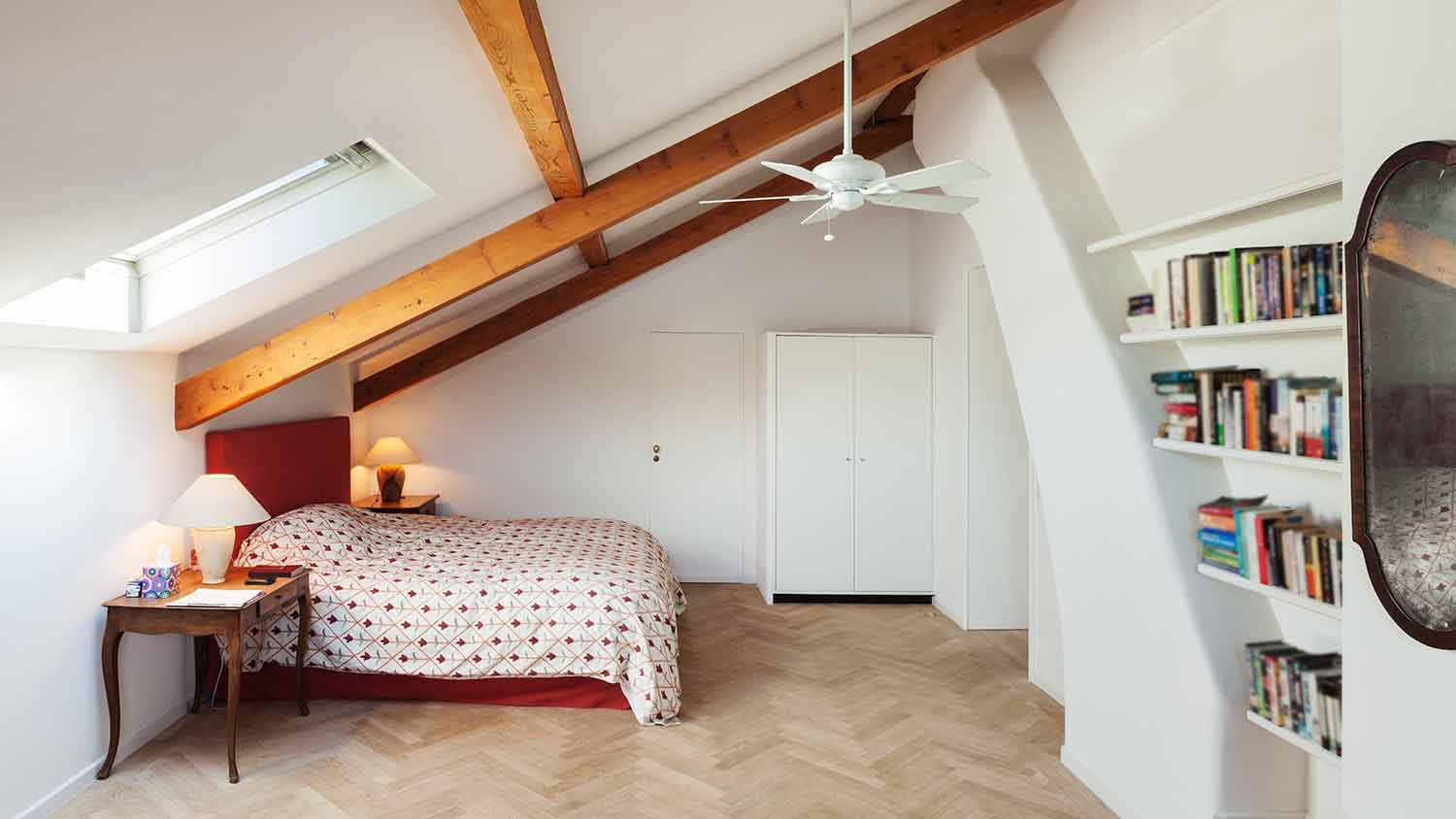
Your home likely loses most of its heat through your attic. This guide on different types of attic insulation can help you boost your home’s efficiency.

This guide breaks down what attic insulation is and its importance in keeping your home the temperature you want. Keep reading to learn more.